Thailand is one of the easiest countries in Asia to fall in love with. The beaches are stunning, the street food is unforgettable, and the locals are often incredibly welcoming. But after multiple trips across Bangkok, Phuket, Krabi, Pattaya, and Chiang Mai, one thing becomes obvious quickly — tourist scams are everywhere in high-traffic areas.
That doesn’t mean Thailand is dangerous. In fact, violent crime against tourists is relatively low compared to many global destinations. However, Thailand tourist scams are extremely common, especially around nightlife districts, transport hubs, beaches, and famous attractions.
The good news? Most scams are easy to avoid once you know how they work.
I still remember landing in Bangkok for the first time and being approached outside the Grand Palace by a smiling local who casually said, “Temple closed today, my friend.” Five minutes later, I was sitting in a tuk tuk headed toward a tailor shop I never planned to visit. That was my introduction to the famous Thailand tuk tuk scam — and honestly, it’s one of the most common scams tourists face in Thailand.
The reality is that scammers usually target travelers who:
- look confused
- arrive without a plan
- trust strangers too quickly
- don’t understand local prices
- are trying to save money fast
If you’re planning a scam-free Thailand trip, awareness matters more than fear.
For a smoother first visit, explore our Thailand Trip Planning Guide. It brings together everything you need to plan your journey, including visa requirements, transportation, budgeting, destination comparisons, accommodation tips, and practical advice that can help you avoid common mistakes before you even arrive in Thailand.
Table of Contents
ToggleIs Thailand Safe for Tourists?
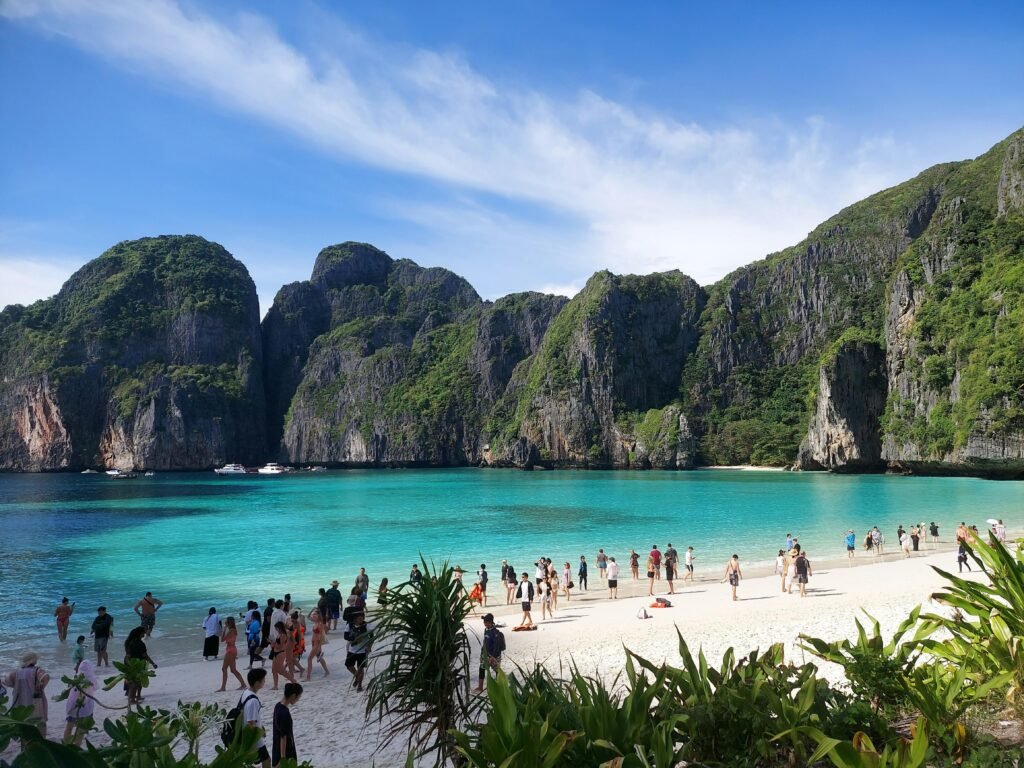
Yes — Thailand is safe for tourists, especially for families, solo travelers, couples, and backpackers. Most visitors never experience serious issues beyond overcharging or minor travel fraud.
The bigger risk isn’t violent crime. It’s falling for common scams in Thailand designed specifically to target tourists.
Overall Safety Situation in Thailand
Thailand remains one of Southeast Asia’s most visited destinations because it’s generally safe, affordable, and tourist-friendly. Cities like Bangkok and Phuket receive millions of visitors every year, which naturally creates opportunities for scams targeting tourists in Thailand.
In tourist-heavy zones such as:
- Bangkok’s Grand Palace area
- Patong Beach in Phuket
- Walking Street in Pattaya
- Chatuchak Market
- popular island ferry terminals
…you’ll often encounter transportation scams, fake tour operators, overpriced taxis, and nightlife scams tourists should avoid.
A taxi driver refusing the meter is far more common than street crime.
Similarly, the infamous Jet ski scam Thailand travelers warn about usually happens in busy beach areas where tourists rent equipment without taking photos beforehand. A quick video of the vehicle before use can save hundreds of dollars later.
One of the smartest Thailand safety tips for tourists is simple: use trusted apps whenever possible. Grab works far better than negotiating random taxi fares on the street.
Why Tourists Become Easy Targets
Many Thailand travel scams work because they exploit tourist psychology rather than force or intimidation.
First-time visitors often assume:
- locals are always trying to help
- prices are fixed
- smiling behavior means trustworthiness
- “special deals” are genuine
Language barriers also create confusion. In Bangkok especially, scammers know travelers are overwhelmed by traffic, heat, crowds, and currency conversion. That’s when overcharging tourists becomes easier.
Another common mistake? Arriving without researching local transport prices or nightlife costs. This is why reading guides like a Thailand Currency Guide or Hidden Travel Costs in Thailand before your trip can genuinely save money.
Solo travelers are particularly targeted around nightlife areas. If you’re traveling alone, especially at night, understanding Thailand nightlife scams tourists should avoid becomes essential.
One practical habit I now follow in Thailand is carrying a small crossbody travel bag and a waterproof pouch instead of pulling out my wallet repeatedly in crowded markets or beach zones. Small habits reduce unwanted attention.
Thailand is still an incredible destination. You just need the same street awareness you’d use in any major tourist hotspot around the world.
Most Common Thailand Tourist Scams
Most Thailand tourist scams aren’t aggressive or dangerous — they’re designed to look friendly, convenient, or “helpful.” The scam usually starts with a smile, casual conversation, or a deal that sounds too good to refuse.
The key to avoiding tourist traps in Thailand is recognizing patterns before you arrive.
The Tuk Tuk Scam
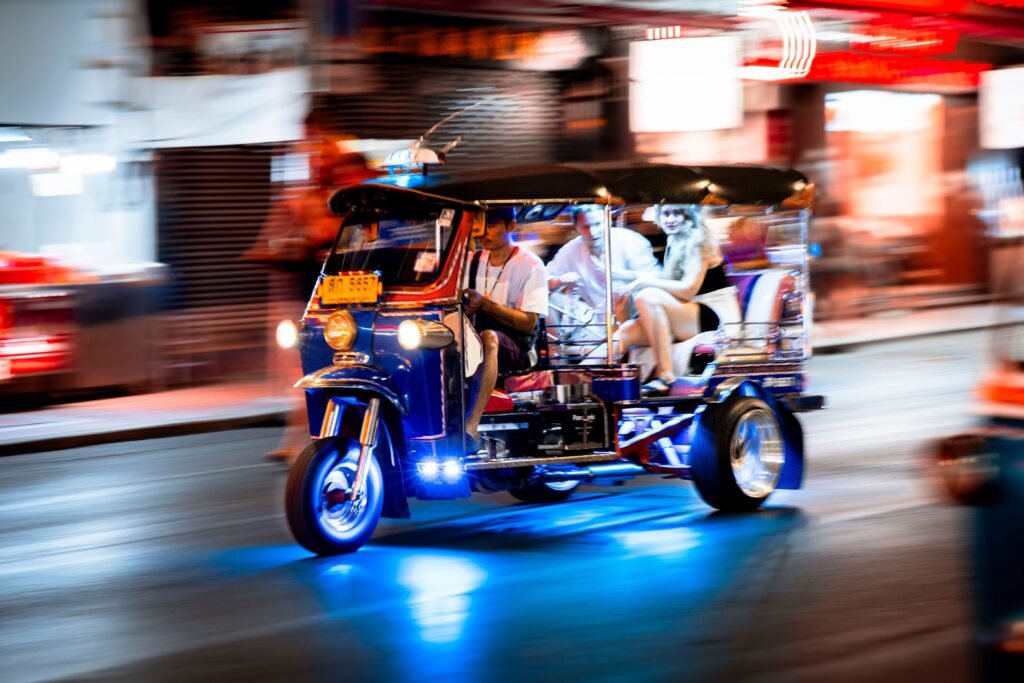
If there’s one classic Bangkok scam almost every traveler hears about, it’s the tuk tuk scam.
How the Scam Works
It usually begins near tourist hotspots like the Grand Palace, Wat Pho, or Khao San Road. A driver offers an unbelievably cheap ride — sometimes as low as 20 or 30 baht for an entire city tour.
Sounds amazing at first.
But instead of taking you directly to your destination, the driver suddenly stops at:
- tailor shops
- jewelry stores
- souvenir shops
- travel agencies
The driver earns commission when tourists enter these places. Some shops pressure visitors into buying overpriced goods, while others use fake promotions.
During my first Bangkok trip, a tuk tuk driver promised a “special Buddha tour” for 40 baht. Thirty minutes later, I was trapped inside a suit shop listening to a sales pitch for custom jackets I never wanted.
That’s the classic Bangkok tuk tuk scam explained in real life.
Common Lines Scammers Use
You’ll hear phrases like:
- “Grand Palace closed today.”
- “Today is Buddha Day.”
- “Government holiday, my friend.”
- “I show you secret places very cheap.”
These lines are designed to create urgency and confusion.
How to Avoid It
- Use tuk tuks only for short rides.
- Agree on the destination clearly before entering.
- Avoid “full city tours.”
- Walk away if drivers mention shopping stops.
- Use Google Maps to track your route.
A portable charger also helps because scammers often target tourists whose phones are dead and can’t verify directions or prices.
The Grand Palace Is Closed Scam

This is one of the most common scams tourists face in Thailand.
Fake “Helpful Locals”
Near Bangkok’s Grand Palace, strangers may approach you claiming the palace is closed for:
- cleaning
- prayer ceremonies
- holidays
- lunch breaks
They usually appear well-dressed and polite, which makes the scam convincing.
Redirecting Tourists to Shops
After gaining your trust, they suggest alternative temples or “special attractions.” A tuk tuk conveniently appears nearby, leading you into a cycle of overpriced shops and commission-based stops.
What to Do Instead
Ignore unofficial advice outside attractions.
Always verify opening hours online or directly at the entrance. Most major temples rarely close unexpectedly during tourist hours.
Taxi Meter Scam
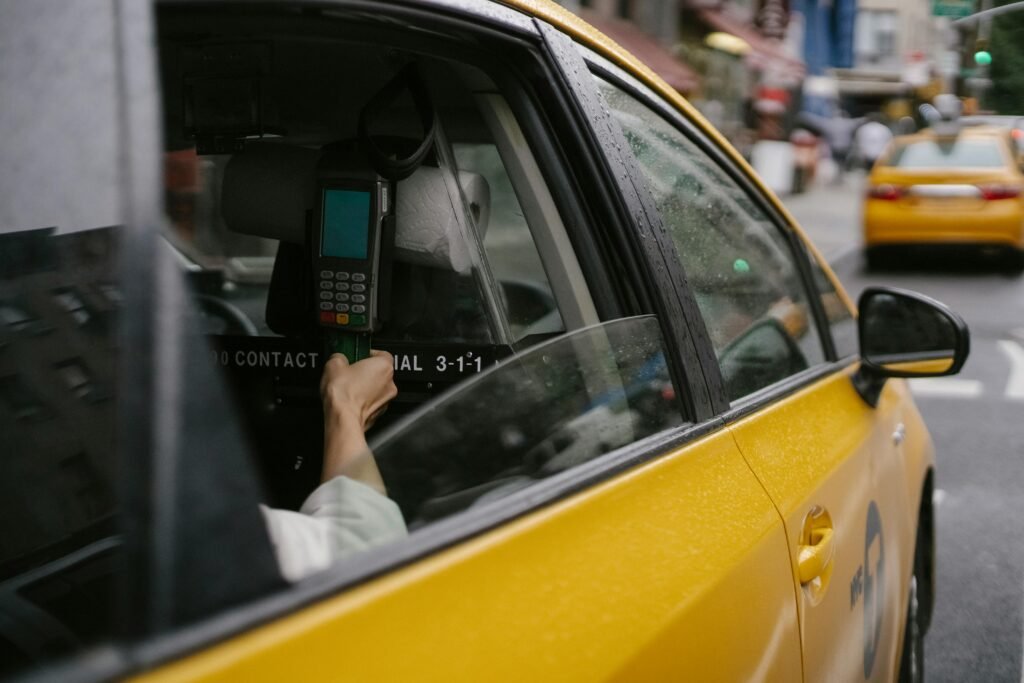
Transportation scams are everywhere in Bangkok, Phuket, and Pattaya.
Drivers Refusing Meter
A driver may say:
- “Meter broken.”
- “Traffic very bad.”
- “Fixed price better.”
The fare often becomes two to five times higher than normal.
Airport Taxi Tricks
At airports, unofficial drivers sometimes approach exhausted tourists before they reach official taxi counters. Some quote inflated flat fares or take longer routes intentionally.
Using Grab Safely
Grab is one of the best ways to avoid taxi scams in Thailand.
Benefits include:
- upfront pricing
- route tracking
- cashless payment
- driver reviews
If you’re traveling around Thailand frequently, having a local eSIM makes using Grab far easier and safer.
Travel insurance can also help in rare cases involving transportation disputes or theft.
Jet Ski Damage Scam

The Jet ski scam Thailand travelers warn about is especially common in Phuket and Pattaya.
Fake Damage Claims
After returning the jet ski, staff suddenly point out scratches or dents that were already there. Tourists are pressured into paying hundreds — sometimes thousands — of dollars.
Areas Where It Happens Most
- Patong Beach
- Pattaya Beach
- Some Phuket beach rentals
Safety Checklist Before Renting
Before touching the jet ski:
- record a full video
- photograph every scratch
- avoid cash-only operators
- read Google reviews first
- confirm prices clearly
This simple habit can save you from major travel fraud.
Gem Scam in Thailand

The famous fake gems scam has existed for decades — and still works surprisingly well.
Fake Government Promotions
Scammers claim there’s a “one-day government jewelry sale” with huge discounts for tourists.
Why Tourists Lose Money
Travelers are convinced they’re buying investment-quality gems at wholesale prices. Later, they discover the jewelry is overpriced or fake.
How to Spot Fake Jewelry Shops
Red flags include:
- pressure to buy immediately
- “today only” deals
- free tuk tuk rides to stores
- no verified online presence
Never buy expensive gems impulsively while sightseeing.
Bar & Nightlife Scams
Thailand’s nightlife is fun, but nightlife scams tourists should avoid are common in party zones.
Inflated Drink Bills
Some bars quietly add:
- fake drink charges
- “service fees”
- hostess charges
Fake Friendly Locals
A stranger may invite you to a “cheap” bar that suddenly becomes extremely expensive once drinks arrive.
Hidden Club Charges
Some venues charge inflated entry or drink minimums not explained upfront.
Always check menus before ordering.
If you’re planning nights out, reading a Thailand Nightlife Budget guide beforehand helps you understand realistic prices.
ATM & Currency Exchange Scams
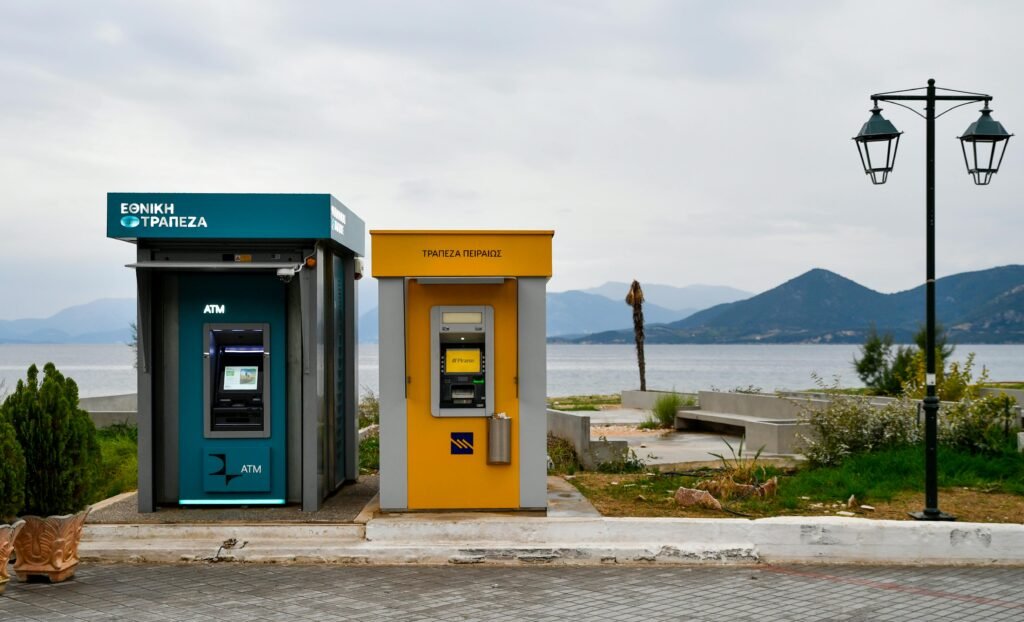
Money-related scams target distracted travelers constantly.
Dynamic Currency Conversion
ATMs may ask if you want to pay in your home currency. Always decline this option — local currency conversion is usually cheaper.
ATM Skimming
Avoid isolated ATMs, especially near nightlife districts.
Use ATMs attached to banks whenever possible.
Unsafe Exchange Booths
Some booths advertise attractive exchange rates but add hidden commissions.
Before exchanging money, compare rates using a Thailand Currency Guide to avoid overpaying.
Fake Tour Operator Scam
Cheap island tours can become expensive mistakes quickly.
Cheap Island Tours
Street vendors may advertise unrealistically cheap packages that include:
- hidden fees
- overcrowded boats
- unsafe operators
- fake itineraries
Fake Booking Websites
Some scam websites copy real travel companies and disappear after payment.
How to Verify Operators
Before booking:
- read recent Google reviews
- check social media activity
- confirm hotel partnerships
- avoid cash-only deals
When prices look dramatically lower than everyone else, there’s usually a reason.
Thailand Scam Hotspots Travelers Should Be Careful In
Not every part of Thailand feels the same when it comes to tourist scams. Some cities are incredibly relaxed, while others have well-known tourist traps that catch first-time visitors off guard.
The important thing to understand is this: scammers usually operate where tourists are distracted, rushed, partying, or unfamiliar with local prices.
Knowing which areas require extra awareness can help you avoid the most common Thailand travel scams without becoming paranoid during your trip.
Bangkok
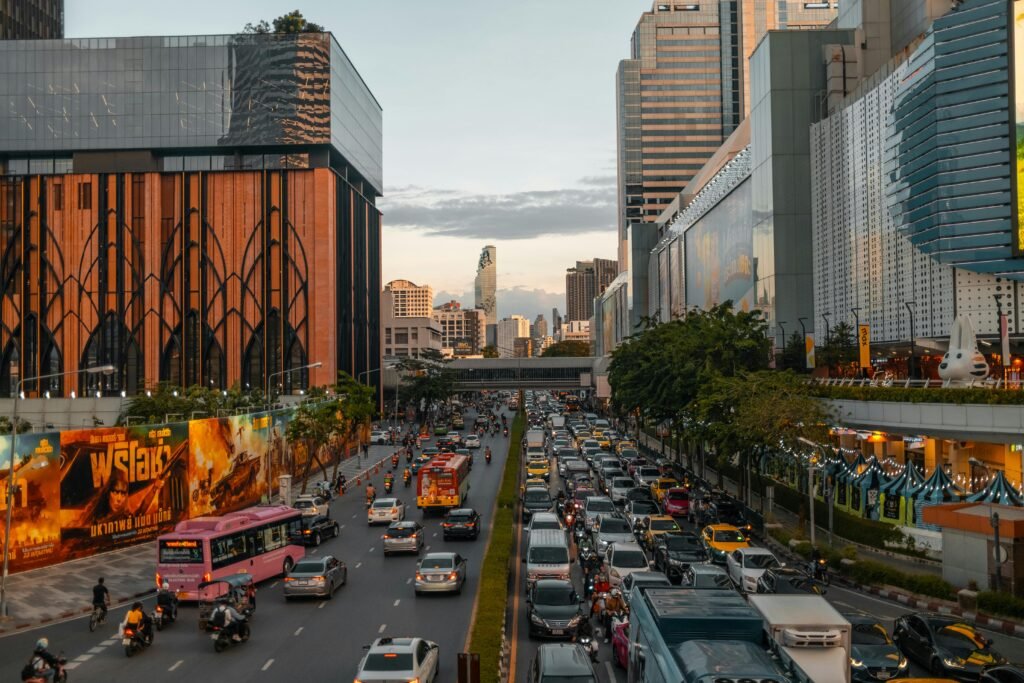
Bangkok is exciting, chaotic, and easily one of the most scam-heavy cities in Thailand simply because of the number of tourists arriving daily.
Most Bangkok scams happen around:
- Grand Palace
- Khao San Road
- Patpong Night Market
- Sukhumvit
- Chatuchak Market
- major BTS and MRT stations
The famous Bangkok tuk tuk scam is especially common near temples and historical attractions. Drivers often offer “cheap city tours” before redirecting tourists to tailor shops or fake gem stores.
Taxi scams in Thailand are also most noticeable in Bangkok. Some drivers refuse meters entirely, while others claim traffic makes metered fares “too expensive.”
One evening near Nana Plaza, I watched a tourist argue with a driver over a fare that was nearly triple the normal price. The driver knew the traveler was exhausted, unfamiliar with Thai currency, and unlikely to challenge him confidently.
Bangkok Safety Tips
- Use Grab instead of street taxis whenever possible
- Ignore strangers claiming attractions are closed
- Double-check routes on Google Maps
- Avoid exchanging money in tourist markets
- Keep small cash notes to avoid “no change” tricks
Bangkok is generally safe, but it rewards alert travelers.
Phuket

Phuket looks like paradise online — and it genuinely can be — but it’s also one of the biggest hotspots for Phuket tourist scams.
Patong Beach especially has a reputation for:
- jet ski scams
- nightlife overcharging
- fake tour packages
- inflated taxi fares
The notorious Jet ski scam Thailand travelers warn about happens frequently around busy beach rental zones. Tourists are accused of damaging vehicles they never actually harmed.
Nightlife scams are also common on Bangla Road. Some bars quietly inflate bills or add hidden charges tourists notice only at payment time.
Transportation is another issue. Phuket has limited public transport, which allows some drivers to overcharge visitors significantly.
Phuket Safety Tips
- Record videos before renting scooters or jet skis
- Confirm prices before entering bars or clubs
- Book island tours through verified operators
- Carry a waterproof pouch for beaches and boat tours
- Avoid random street tour agents offering “special deals”
Pattaya

Pattaya’s nightlife attracts huge crowds, and unfortunately, scams targeting tourists in Thailand are extremely common here.
Walking Street is the center of most problems involving:
- inflated drink bills
- nightlife scams
- fake friendly locals
- overcharging tourists
- taxi disputes
Some bars lure tourists in with cheap promotions before presenting surprisingly large bills later.
Solo travelers are particularly targeted here because scammers assume they are unfamiliar with local pricing.
Pattaya also has frequent scooter rental disputes and transportation scams.
Pattaya Safety Tips
- Always ask for menus before ordering
- Avoid leaving drinks unattended
- Use reputable scooter rental shops
- Never hand over your passport casually
- Stay cautious around overly friendly strangers offering nightlife “deals”
Chiang Mai

Chiang Mai feels calmer and safer compared to Bangkok or Pattaya, but that doesn’t mean scams disappear completely.
The most common scams here involve:
- fake trekking tours
- overpriced taxis
- unethical elephant tours
- souvenir overpricing
Some travelers also encounter fake tour operators selling jungle experiences that don’t match online advertisements.
Unlike Bangkok, Chiang Mai scams are usually less aggressive and more focused on tourist inexperience.
Chiang Mai Safety Tips
- Book ethical tours through trusted platforms
- Compare prices before booking excursions
- Avoid paying full cash deposits upfront
- Research elephant sanctuaries carefully
Chiang Mai is still one of the safest cities in Thailand for relaxed travel.
Koh Samui

oh Samui combines luxury tourism with island-party culture, which creates opportunities for scams during high season.
Common issues include:
- overpriced taxis
- beach rental scams
- fake island tours
- nightlife overcharging
Taxi prices in Koh Samui can shock first-time visitors because many vehicles operate without meters.
Tourists arriving from ferries or airports are especially vulnerable because they often accept the first ride available.
Koh Samui Safety Tips
- Arrange hotel transfers in advance
- Confirm transport prices before entering vehicles
- Avoid booking tours from random beach vendors
- Use card payments when possible for better dispute protection
Koh Samui remains one of Thailand’s most beautiful islands, but travelers who stay price-aware generally have a much smoother experience.
Thailand is still an amazing destination for beaches, nightlife, food, and culture. The trick is understanding that tourist-heavy areas naturally attract scams. A little preparation goes a long way toward having a safer, stress-free, and scam-free Thailand trip.
How Much Tourist Scams Can Cost You
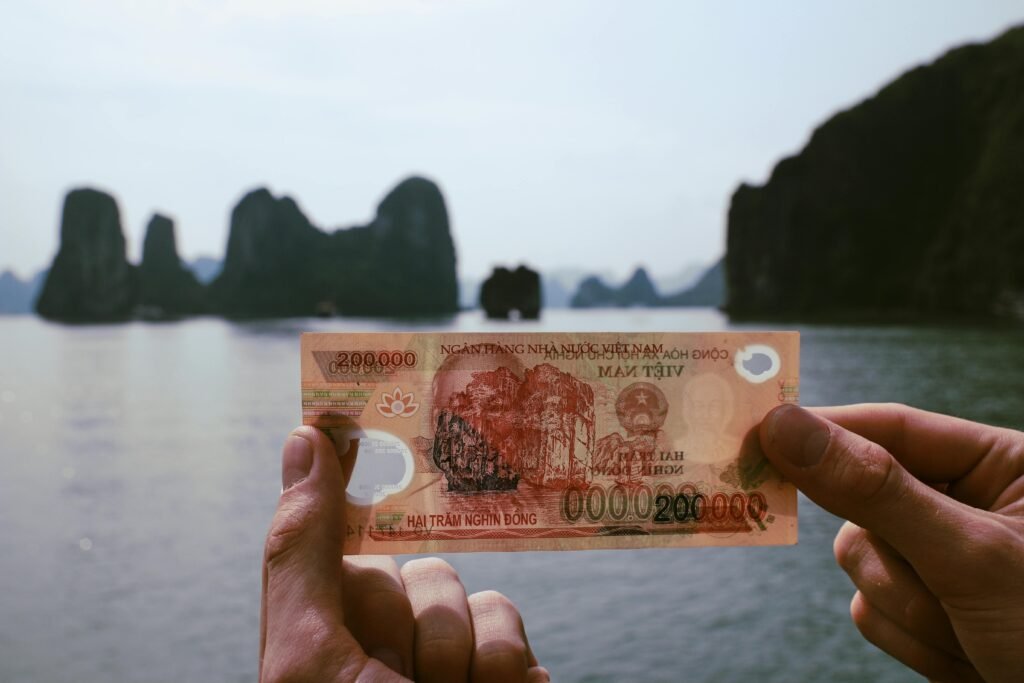
One reason Thailand tourist scams continue to work so well is because many travelers underestimate the financial damage. A small “extra charge” here and there may not seem serious at first, but over a week-long trip, repeated overcharging can quietly destroy your travel budget.
I’ve met backpackers in Bangkok who lost only 300 baht to a taxi scam and laughed it off — and others in Phuket who lost nearly an entire vacation budget after a jet ski dispute escalated.
The truth is that some common scams in Thailand are minor inconveniences, while others can become extremely expensive very quickly.
Here’s a realistic breakdown of what tourists commonly lose.
| Scam Type | Average Loss |
|---|---|
| Tuk Tuk Scam | $10–$50 |
| Taxi Overcharge | $5–$30 |
| Jet Ski Scam | $200–$1,000 |
| Gem Scam | $100–$10,000 |
| Nightlife Scam | $50–$500 |
For budget travelers, even a small transportation scam can affect daily spending. A few overpriced taxi rides in Bangkok or Phuket may equal the cost of an extra hostel night, island tour, or multiple street-food meals.
The biggest financial danger usually comes from:
- fake gem stores
- jet ski damage scams
- nightlife overcharging
- fake tour operators
These scams often target travelers who:
- are partying late
- feel pressured in public
- don’t know local pricing
- avoid confrontation
- are unfamiliar with Thai currency
The infamous Jet ski scam Thailand visitors warn about is one of the most expensive. Tourists are accused of damaging rented jet skis and pressured to pay immediate repair fees. In some cases, travelers report being surrounded by aggressive staff until payment is made.
I once met a couple in Patong Beach who paid nearly $600 because they didn’t record the jet ski condition before renting it. A simple 30-second video could have prevented the entire situation.
The Gem scam in Thailand can be even worse financially. Some tourists lose thousands after being convinced they’re buying “government-certified investment jewelry” at discounted prices. Later, they discover the items are worth only a fraction of what they paid.
Nightlife scams are another major budget killer, especially in Pattaya and Bangkok party districts. Tourists may unknowingly enter bars without checking menus and later receive inflated bills with fake service charges or hostess fees attached.
One of the smartest Thailand scam prevention tips is setting a daily spending limit in cash. Keeping only the money you plan to use that day reduces the risk of impulsive purchases and overpayment pressure.
Using travel-friendly tools also helps:
- a travel credit card with fraud protection
- an eSIM for checking prices online instantly
- a crossbody anti-theft bag in crowded markets
- a portable charger so your phone never dies during transport disputes
These small travel habits matter more than people realize.
What Are the Most Expensive Scams in Thailand?
The most expensive scams in Thailand are usually:
- Jet ski damage scams
- Fake gem scams
- Nightlife bill scams
- Fake luxury tour packages
These scams can cost tourists anywhere from a few hundred to several thousand dollars depending on the situation.
The good news is that most Thailand travel scams are preventable with preparation, awareness, and a willingness to walk away from deals that feel suspiciously cheap or rushed.
Best Time to Visit Thailand to Avoid Tourist Scam Pressure
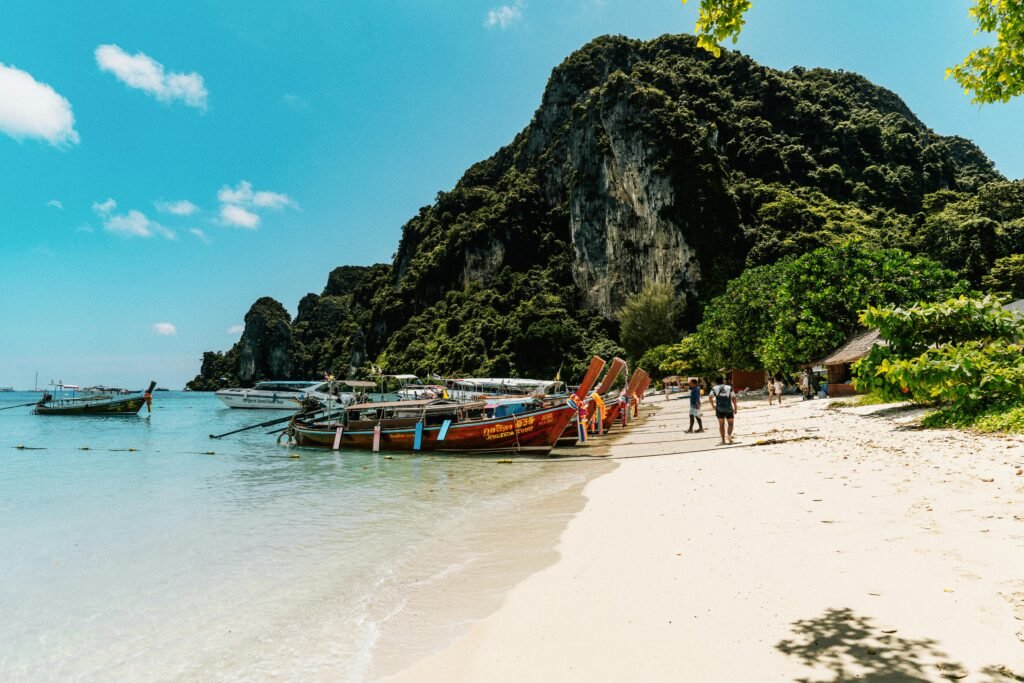
The time of year you visit Thailand can seriously affect your overall experience — not just weather and hotel prices, but also how often you encounter tourist scams.
In my experience, scams become far more aggressive when destinations are overcrowded. During peak season, scammers know tourists are rushed, distracted, tired from travel, and less likely to negotiate carefully.
If your goal is a smoother and more scam-free Thailand trip, timing matters more than many travelers realize.
Peak Season vs Low Season
Thailand’s peak tourist season usually runs from:
- November to March
This is when:
- beaches are busiest
- nightlife areas are packed
- hotel prices rise
- transportation scams increase
Popular destinations like Bangkok, Phuket, Pattaya, and Koh Samui become crowded with first-time international travelers, which creates ideal conditions for common Thailand tourist scams.
Taxi drivers know tourists are in a hurry. Fake tour operators know island tours are selling quickly. Bars know visitors are less likely to question inflated bills after long nights out.
During high season in Phuket, I noticed tuk tuk and taxi prices nearly double around Patong Beach after sunset. Tourists arriving from airports often accepted the first price they heard simply because they were exhausted.
Low season — typically May to October — has fewer tourists and often less aggressive tourist targeting. Prices are usually lower, beaches feel calmer, and transport negotiations become easier.
However, low season comes with trade-offs:
- occasional heavy rain
- rougher boat conditions
- some island tours closing temporarily
For many travelers, shoulder season is the sweet spot.
Best Months for Balanced Travel
- Late October
- Early November
- February (outside major holidays)
- Early May
These months often offer:
- manageable crowds
- better prices
- lower scam pressure
- pleasant weather
Tourist Crowds & Scam Frequency
There’s a direct connection between crowd levels and scam activity.
The more crowded a destination becomes, the harder it is for travelers to:
- compare prices
- think clearly
- avoid pressure tactics
- verify information
Scammers specifically look for tourists who:
- just arrived
- seem overwhelmed
- are carrying luggage
- are visibly intoxicated
- are unfamiliar with Thai currency
This is why transportation scams in Thailand become especially common near:
- airports
- ferry terminals
- nightlife districts
- famous temples
- walking streets
In quieter months, drivers and vendors are often more willing to negotiate fairly because tourist competition is lower.
One useful Thailand scam prevention tip is arriving at airports or ferry ports with transportation already planned. Booking transfers in advance removes one of the most common scam opportunities entirely.
Festivals Where Scams Increase
Thailand’s festivals are incredible experiences, but they also attract larger crowds and increased scam activity.
Songkran Festival (April)
Thailand’s famous water festival creates huge crowds across Bangkok, Chiang Mai, and Phuket.
Common issues during Songkran include:
- inflated taxi fares
- pickpocketing
- nightlife overcharging
- fake “festival ticket” offers
Phones and wallets are also more vulnerable because everyone is distracted and soaked with water.
A waterproof pouch becomes surprisingly useful during this time.
Full Moon Party (Koh Phangan)
This party attracts thousands of backpackers monthly and increases risks involving:
- drink scams
- theft
- overpriced transportation
- fake tour packages
Tourists unfamiliar with island pricing often overpay significantly.
New Year & Christmas Season
December and January bring Thailand’s highest tourist volume.
During this period:
- hotel scams increase
- fake booking websites appear more often
- nightlife scams become aggressive
- transportation overcharging spikes
Booking accommodation only through verified platforms becomes especially important.
Pros & Cons of Thailand Tourism Safety
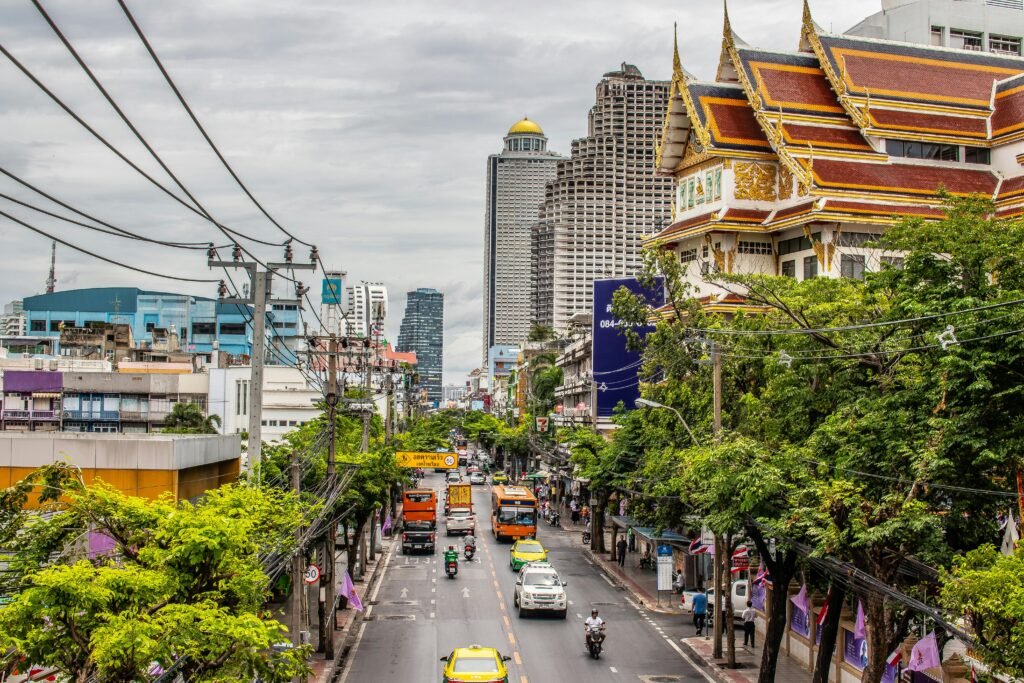
Thailand remains one of the safest and most beginner-friendly destinations in Southeast Asia. But like any major tourist destination, it comes with both advantages and challenges.
Here’s the balanced reality travelers should understand before visiting.
| Pros | Cons |
|---|---|
| Friendly locals | Tourist-heavy scam zones |
| Safe public transport | Taxi overcharging |
| Affordable travel | Tourist targeting |
| Strong tourism infrastructure | Aggressive nightlife scams |
One reason Thailand remains so popular is because most locals genuinely are welcoming and helpful. Many travelers confuse this fact with the idea that scams are everywhere constantly — which isn’t true.
Most visitors never experience serious issues.
However, tourist-heavy areas naturally attract people trying to profit from inexperienced travelers. The key difference is awareness.
Thailand is generally much safer than many travelers expect, especially regarding violent crime. The bigger challenge is avoiding:
- overcharging
- fake tour operators
- transportation scams
- nightlife tourist traps
The good news is that almost all of these situations are preventable.
Simple habits make a huge difference:
- checking Grab prices first
- refusing pressure sales
- reading reviews before booking tours
- avoiding random street offers
- carrying smaller cash amounts
Thailand rewards prepared travelers. Once you understand the common patterns, the country becomes far easier — and more enjoyable — to navigate confidently.
Common Mistakes Tourists Make in Thailand
Most Thailand tourist scams don’t succeed because travelers are careless. They succeed because people are relaxed, excited, tired from long flights, or unfamiliar with how things work locally.
I’ve seen smart travelers get overcharged in Bangkok simply because they arrived late at night and didn’t want to argue over a taxi fare. I’ve also watched tourists book “cheap island tours” on the street, only to realize later the package included hidden fees and overcrowded boats.
The good news is that the most common tourist mistakes in Thailand are easy to avoid once you recognize the patterns.
Trusting Random Strangers
Thailand is known for friendly locals, and many genuinely are helpful. But scammers often take advantage of that reputation.
One of the biggest mistakes tourists make is assuming every stranger offering advice has good intentions.
This is exactly how scams like:
- the Grand Palace “closed today” scam
- fake tour recommendations
- gem store scams
- nightlife tourist traps
…usually begin.
A stranger starts casual conversation, acts helpful, and slowly redirects you toward a shop, bar, or tour operator where commissions are involved.
A good rule in Thailand:
- trust verified businesses
- not random street recommendations
If someone approaches you first in a major tourist area, stay cautious.
Not Checking Prices First
This mistake causes more travel budget damage than almost anything else.
Many travelers enter:
- tuk tuks
- taxis
- bars
- jet ski rentals
- island tours
…without confirming the total price upfront.
Later, surprise charges appear.
This is especially common in:
- Phuket nightlife areas
- Pattaya Walking Street
- Bangkok tuk tuk routes
- island ferry terminals
One traveler I met in Phuket paid nearly triple the normal taxi fare simply because he assumed prices were fixed.
Before paying for anything in Thailand:
- ask clearly for the final price
- confirm whether taxes or service charges apply
- check menus before ordering drinks
- compare prices online when possible
A local eSIM helps enormously because you can quickly verify normal pricing using apps like Grab or Google.
Carrying Too Much Cash
Thailand is still very cash-friendly, especially in markets, street-food areas, and smaller islands. But carrying large amounts of cash increases risks involving:
- theft
- overpayment pressure
- nightlife scams
- pickpocketing
I learned this lesson after watching a tourist accidentally reveal a thick stack of cash while paying for a small purchase near Khao San Road. Within minutes, multiple vendors aggressively tried pulling him into shops and bars.
Keeping smaller daily cash amounts makes you less noticeable and helps control impulsive spending.
RFID wallets and anti-theft crossbody bags are genuinely useful in crowded tourist zones without feeling overly “touristy.”
Booking Unverified Tours
Cheap tours often become expensive mistakes.
One of the most common scams tourists face in Thailand involves fake or low-quality island tours sold by random street vendors.
Problems may include:
- hidden fees
- unsafe boats
- fake itineraries
- canceled trips
- overcrowded experiences
Before booking:
- read recent reviews
- compare prices across platforms
- check social media activity
- avoid cash-only businesses
If a Phi Phi Island tour costs dramatically less than every competitor nearby, there’s usually a reason.
Ignoring Online Reviews
Reviews matter more in Thailand than many travelers realize.
A quick five-minute Google review check can help avoid:
- fake tour operators
- taxi scams
- overpriced restaurants
- nightlife scams
- poor scooter rental shops
One useful trick is filtering reviews by “most recent” instead of overall ratings. Scam complaints often appear in newer reviews first.
What Are the Most Common Tourist Mistakes in Thailand?
The most common tourist mistakes in Thailand include:
- trusting strangers too quickly
- not agreeing on prices beforehand
- carrying large amounts of cash
- booking unverified tours
- ignoring recent online reviews
Avoiding these simple mistakes dramatically lowers your chances of experiencing Thailand travel scams.
Pro Travel Tips to Avoid Getting Scammed

Thailand becomes much easier to navigate once you build a few smart travel habits into your routine.
Experienced travelers usually aren’t “luckier” — they simply prepare better.
Use Grab Instead of Street Taxis
Grab is one of the best tools for avoiding:
- taxi meter scams
- route manipulation
- inflated fares
- communication issues
You’ll see pricing before the ride starts, which removes most negotiation stress completely.
In Bangkok and Phuket especially, Grab often saves both money and frustration.
Having mobile internet through an eSIM makes transportation much smoother throughout Thailand.
Buy Travel Insurance
Most travelers skip insurance thinking they’ll never need it — until something goes wrong.
Travel insurance becomes valuable for:
- theft
- transport disputes
- medical emergencies
- canceled tours
- lost luggage
It won’t stop scams from happening, but it can reduce financial damage significantly.
Keep Emergency Numbers Saved
Save important contacts before arriving:
- Thailand Tourist Police: 1155
- hotel contact number
- embassy information
- emergency banking numbers
This matters more than people expect during stressful situations.
Learn Basic Thai Phrases
You don’t need fluency.
Even simple words like:
- “How much?”
- “Too expensive”
- “No thank you”
…can reduce tourist targeting because scammers often prefer visitors who appear completely unfamiliar with local culture.
A little effort goes a long way in Thailand.
Avoid Flashing Valuables
Expensive watches, large cameras, luxury shopping bags, and visible cash attract unnecessary attention in tourist-heavy zones.
This is especially true around:
- nightlife districts
- crowded markets
- ferry terminals
- party beaches
Using a simple anti-theft backpack or crossbody bag keeps valuables secure without making travel uncomfortable.
A portable charger is also surprisingly useful because tourists with dead phones often become easier targets for transportation scams and fake directions.
Thailand is still one of the best travel destinations in the world. The goal isn’t to fear scams — it’s to travel confidently enough that scammers move on to easier targets.
Trusted Apps & Resources for Thailand Travelers

One thing that makes modern travel in Thailand much easier than it was years ago is technology. The right apps can help you avoid transportation scams, fake tour operators, currency confusion, and communication problems almost instantly.
Think of these tools as your practical Thailand travel safety toolkit.
They won’t eliminate every risk, but they dramatically reduce your chances of falling into common tourist traps.
Grab
If you install only one app before visiting Thailand, make it Grab.
Grab is Southeast Asia’s version of Uber and is one of the best ways to avoid:
- taxi scams in Thailand
- inflated tuk tuk prices
- route manipulation
- late-night transport confusion
In Bangkok especially, Grab removes the awkward fare negotiation tourists often face with street taxis.
You’ll see:
- upfront pricing
- driver ratings
- live tracking
- estimated arrival times
I started relying heavily on Grab after repeatedly hearing “meter broken” from Bangkok taxi drivers near Sukhumvit.
It also helps when arriving late at airports or ferry terminals where transportation scams targeting tourists in Thailand are common.
Google Translate
Language barriers are one reason tourists become easy scam targets.
Google Translate helps with:
- reading menus
- checking transport details
- understanding prices
- communicating with locals
The camera translation feature is especially useful for:
- restaurant menus
- ferry schedules
- shop signs
- taxi conversations
Even learning a few basic Thai words alongside the app can make you appear less vulnerable to overcharging tourists.
Klook
Klook is one of the safest ways to book:
- island tours
- attraction tickets
- airport transfers
- activities
Using verified booking platforms reduces the risk of:
- fake tour operators
- hidden charges
- canceled experiences
- overpriced tourist packages
One major mistake travelers make in Thailand is booking random street tours without checking reviews first.
Klook adds transparency because:
- prices are fixed
- reviews are visible
- operators are verified
- bookings are digital
This is particularly useful in Phuket, Krabi, and Chiang Mai where tour scams are more common.
Wise
Currency exchange scams are still common in Thailand, especially in tourist-heavy areas.
Wise helps travelers:
- avoid poor exchange rates
- reduce ATM withdrawal costs
- track spending in real time
Instead of carrying huge amounts of cash, many travelers now use Wise cards for safer international payments.
It also makes budgeting easier if you’re moving between multiple Thai cities.
Thailand Tourist Police
Thailand has a dedicated Tourist Police department specifically for helping travelers.
Emergency Number:
- 1155
The Tourist Police can assist with:
- scams
- theft
- disputes
- lost passports
- emergency translation help
Many tourists don’t realize this service exists until they actually need it.
Save the number before your trip starts.
What to Do If You Get Scammed in Thailand
Even experienced travelers sometimes get caught off guard.
The important thing is staying calm and acting quickly.
Most Thailand travel scams are designed around confusion, embarrassment, or pressure. Scammers often expect tourists to panic or give up immediately.
A clear response can make a huge difference.
Contact Tourist Police
Your first step should usually be contacting the Thailand Tourist Police at 1155.
They’re trained to assist foreign travelers and can help mediate disputes involving:
- taxi scams
- tour operators
- nightlife scams
- rental disputes
In tourist-heavy cities like Bangkok and Phuket, they deal with these situations regularly.
If possible:
- take photos
- keep receipts
- save chat screenshots
- note vehicle plate numbers
Evidence matters.
File a Police Report
For serious scams involving theft, violence, or major financial losses, file an official police report immediately.
This becomes important for:
- insurance claims
- bank disputes
- stolen passports
- fraudulent tour operators
Many travelers delay reporting scams because they feel embarrassed. Don’t.
Thailand authorities are used to tourist-related fraud cases.
Contact Your Bank Immediately
If your card was:
- copied
- skimmed
- stolen
- charged fraudulently
…contact your bank immediately.
This is especially important after:
- ATM skimming incidents
- nightlife scams
- suspicious currency exchange situations
Travel-friendly cards with fraud protection are extremely valuable in these situations.
Report Fraudulent Businesses
Leaving honest reviews helps future travelers avoid the same scams.
Report businesses on:
- Google Reviews
- TripAdvisor
- booking platforms
- local tourism forums
Many fake tour operators survive because tourists never publicly report bad experiences.
What Should I Do If I Get Scammed in Thailand?
If you get scammed in Thailand:
- Stay calm
- Contact Tourist Police (1155)
- Gather evidence and receipts
- File a police report if necessary
- Notify your bank immediately
- Report the business online
Quick action improves your chances of resolving the situation successfully.
Should You Worry About Scams in Thailand?
Honestly, most travelers should not be scared of visiting Thailand.
You should simply be informed.
Thailand remains one of the most exciting, affordable, and beginner-friendly destinations in Asia. Millions of tourists visit every year without experiencing serious problems.
The majority of Thailand tourist scams involve:
- overcharging
- tourist traps
- transportation tricks
- nightlife bill inflation
—not violent crime.
Once you understand the common patterns, avoiding scams becomes much easier.
Thailand Is Safe If You Stay Alert
Thailand rewards travelers who stay aware without becoming paranoid.
Simple habits make a huge difference:
- checking prices beforehand
- using Grab
- booking verified tours
- avoiding random street offers
- keeping valuables secure
Most scammers look for distracted, rushed, or inexperienced tourists. Confident travelers are far less attractive targets.
Best Travelers for Thailand
Thailand is fantastic for:
- solo travelers
- couples
- backpackers
- digital nomads
- families
- first-time Asia travelers
The tourism infrastructure is strong, transportation is affordable, and locals are often genuinely helpful.
Travelers who enjoy:
- street food
- beaches
- nightlife
- temples
- island hopping
- budget travel
…usually fall in love with Thailand quickly.
Who Needs Extra Caution
Some travelers should stay more alert, especially in nightlife-heavy areas:
- first-time international travelers
- solo party travelers
- tourists carrying large cash amounts
- travelers booking everything last minute
Scams become more common when tourists are:
- intoxicated
- tired
- distracted
- unfamiliar with local pricing
Preparation solves most of these problems.
Thailand isn’t a destination to fear — it’s a destination to understand.
Travel smart, trust your instincts, and you’ll likely leave with incredible memories instead of expensive travel mistakes.
Frequently Asked Questions About Thailand Tourist Scams
What are the most common scams in Thailand?
The most common Thailand tourist scams include tuk tuk scams, taxi meter fraud, jet ski damage scams, fake gem stores, nightlife overcharging, ATM skimming, and fake tour operators. These scams are most common in tourist-heavy areas like Bangkok, Phuket, and Pattaya.
Is Thailand safe for solo travelers?
Yes, Thailand is generally safe for solo travelers, including backpackers and first-time visitors. However, solo travelers should stay cautious in nightlife districts, avoid excessive drinking around strangers, and remain aware of common Thailand travel scams targeting tourists.
How do I avoid taxi scams in Thailand?
The easiest way to avoid taxi scams in Thailand is by using the Grab app instead of street taxis. If using a regular taxi, insist on using the meter and avoid unofficial airport drivers offering rides outside official pickup zones.
Are tuk tuks in Thailand a scam?
Not always. Tuk tuks are a genuine part of Thai transportation culture, especially in Bangkok. However, some Thailand tuk tuk scams involve overpriced rides, fake sightseeing tours, or commission-based shopping stops before reaching your destination.
What is the Thailand jet ski scam?
The Jet ski scam Thailand tourists often report happens when rental operators falsely accuse travelers of damaging jet skis and demand expensive repair fees. Always record a detailed video of the vehicle before renting and avoid operators with poor online reviews.
Can tourists trust currency exchange booths in Thailand?
Yes, but only reputable exchange companies should be used. Avoid random street booths offering unusually high rates, as hidden commissions or poor conversion rates are common. Comparing rates beforehand helps avoid currency exchange scams in Thailand.
What should I do if I get scammed in Bangkok?
If you get scammed in Bangkok or elsewhere in Thailand:
- Stay calm
- Contact Thailand Tourist Police (1155)
- Take photos and keep receipts
- Notify your bank immediately if card fraud occurred
- File a police report for serious incidents
Quick action improves the chances of resolving disputes successfully.
Is travel insurance worth it for Thailand?
Yes, travel insurance is highly recommended for Thailand. It can help cover medical emergencies, theft, trip cancellations, transport issues, and some scam-related financial losses. It’s especially useful for island hopping, scooter rentals, and adventure activities.
Which areas in Thailand have the most tourist scams?
Tourist scams are most common in:
- Bangkok tourist districts
- Phuket nightlife areas
- Pattaya Walking Street
- crowded markets
- ferry terminals
- beach rental zones
These areas attract large numbers of first-time visitors, making them common hotspots for overcharging and tourist targeting.
How can I avoid getting scammed in Thailand?
To avoid scams in Thailand:
- use Grab for transportation
- avoid random street offers
- confirm prices before paying
- book tours through verified platforms
- check recent online reviews
- carry smaller amounts of cash
- stay alert in nightlife areas
Most Thailand scams are preventable with preparation and awareness.