India’s “No. 1 tourist place” depends on how you measure it: the Taj Mahal is the country’s most-visited monument, Uttar Pradesh is its most-visited state, and Delhi is often named its most-visited city — though that last figure is less officially tracked than the other two. Most articles skip that distinction and just hand you a generic top-10 list. Here’s the actual data behind each answer, plus what it means for planning your own trip.
Table of Contents
ToggleHow "No. 1 Tourist Place" Is Actually Measured
Ask Google “India’s number 1 tourist place” and you’ll get a dozen listicles that never explain their methodology. In reality, the Ministry of Tourism tracks this three separate ways in its annual India Tourism Data Compendium, and each one produces a different “winner”:
- By monument — visitor footfall at centrally protected, ticketed ASI sites
- By state — total domestic and foreign tourist visits (DTV/FTV) reported by state tourism departments
- By city — a figure nobody standardizes officially, which is exactly why you should be skeptical of any blog that states it with confidence
Once you separate these three, the “which place is really No. 1” question actually has clear, sourced answers.
By Monument: The Taj Mahal
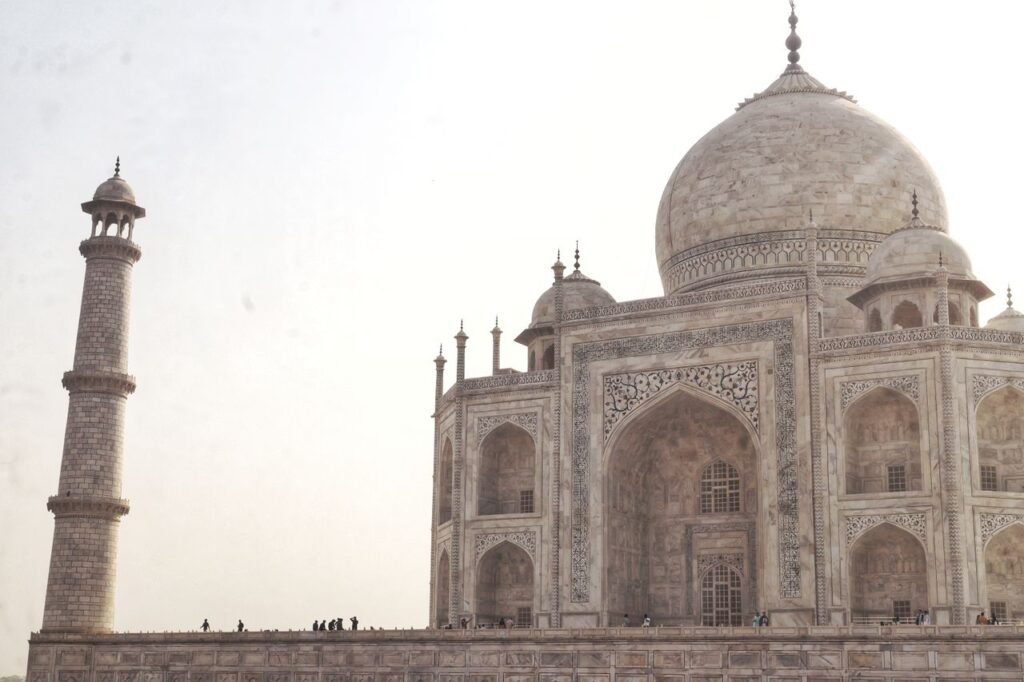
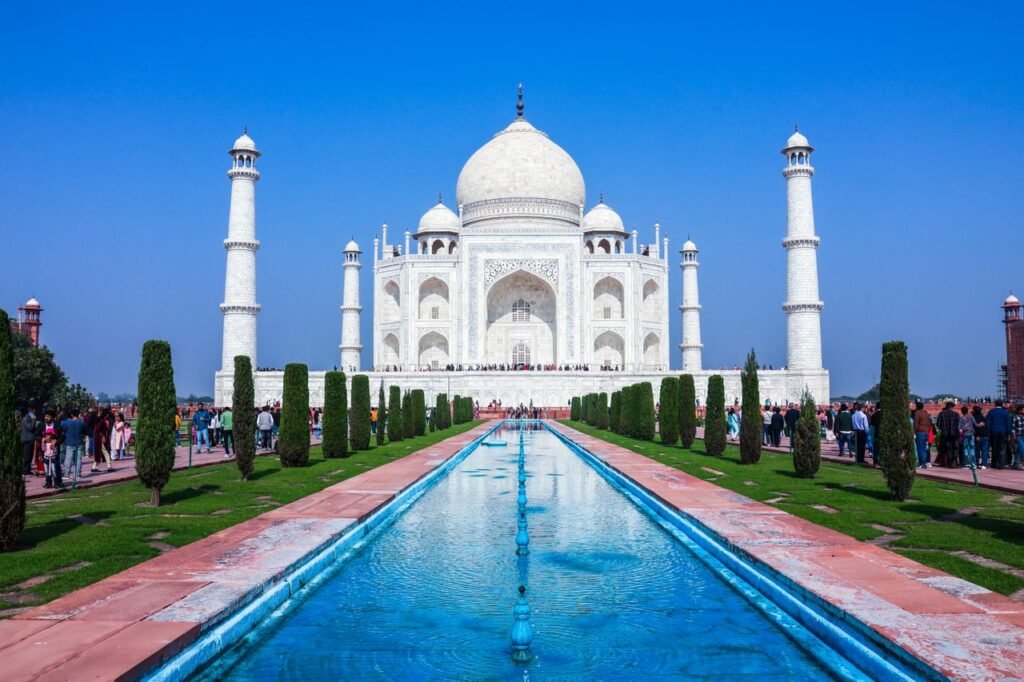
According to the Ministry of Tourism’s most recent Compendium (FY2023-24), the Taj Mahal drew roughly 6.1 million domestic visitors and 0.68 million foreign visitors — more than any other centrally protected ticketed monument in the country. The Red Fort in Delhi and Qutub Minar followed, each pulling in the range of 2.5–3 million domestic visitors. The Sun Temple at Konark and Agra Fort round out the top five. No other single monument comes close to the Taj Mahal’s combined footfall.
By State: Uttar Pradesh
Zoom out from a single monument to an entire state, and Uttar Pradesh pulls ahead by an even wider margin — largely because it doesn’t rely on the Taj Mahal alone. UP’s tourism numbers are boosted by Varanasi’s ghats, the Ram Temple in Ayodhya, and a dense cluster of religious pilgrimage sites, in addition to Agra. State tourism reports for 2024-25 put Uttar Pradesh’s domestic tourist visits well ahead of second-place Tamil Nadu, giving it the clearest claim to “most visited state” of anywhere in India.
By City: Delhi (and Why This Data Is Softer)
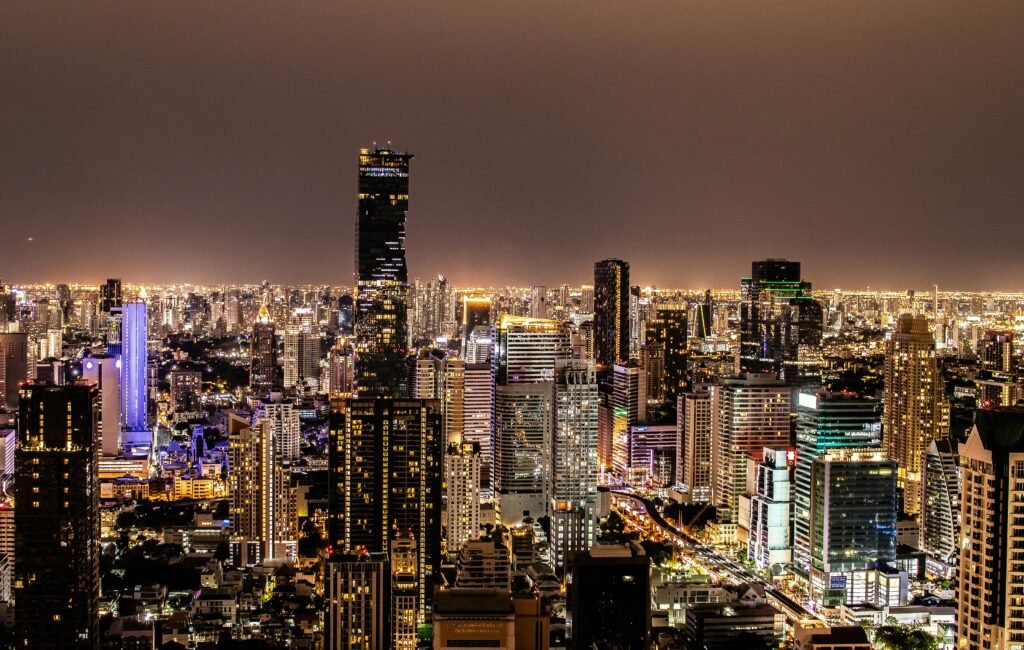
You’ll see Delhi named “India’s most visited city” constantly — and it’s a reasonable claim, since it’s the country’s primary international gateway and combines historical sites (India Gate, Humayun’s Tomb, Qutub Minar) with modern infrastructure. But unlike monument and state-level data, city-level visitor tracking isn’t standardized the same way across sources, so treat any specific city ranking (including this one) as directionally true rather than an exact official statistic.
So, What's the Real Answer?
If you’re asking “where should I go to see India’s single most-visited attraction,” the answer is unambiguous: the Taj Mahal. It’s the only site in the country where domestic and foreign visitor numbers both individually outrank every competitor. If you’re asking “which part of India draws the most tourism overall,” the answer shifts to Uttar Pradesh, precisely because it isn’t a one-monument story.
What It Costs to Visit
Whichever “No. 1” you’re chasing, here’s a realistic cost picture. Prices below are for Taj Mahal / Agra, since that’s the highest-intent search behind this query — always confirm current pricing on the official ASI Taj Mahal ticketing page before you travel, as fees do change.
| Item | Domestic Visitor | Foreign Visitor |
| Taj Mahal entry ticket | ~₹50 | ~₹1,100 (approx., includes small monument cess) |
| Additional mausoleum entry (inner chamber) | #ERROR! | Included |
| Same-day Delhi–Agra round trip by car | ₹4,000–₹7,000 depending on vehicle and driver | |
| Train (Delhi–Agra, Gatimaan/Shatabdi class) | ₹750–₹1,500 per person, one-way | |
| Budget 3-day Golden Triangle (Delhi–Agra–Jaipur), per person | ₹8,000–₹15,000 (budget), ₹20,000–₹40,000+ (mid-range), ₹60,000+ (premium) | |
What Drives the Cost Up or Down
- Same-day Delhi-Agra trips cost more per hour of sightseeing due to the ~3-hour drive each way; an overnight stay in Agra is often better value if you want unhurried time at the monument.
- Peak season (October–March) pushes hotel and driver rates up 20–40% versus the April–June off-season.
- Guides are optional but typically add ₹800–₹1,500 for a 2-hour Taj Mahal tour — worth it for historical context most visitors would otherwise miss entirely.
Best Time to Visit
| Months | Weather | Crowd Level | Verdict |
|---|---|---|---|
| Oct–Feb | Cool, dry, comfortable | Very high (peak season) | Best weather, worst crowds — book entry slots in advance |
| Mar–Apr | Warming, still manageable | Moderate | Good shoulder-season value |
| May–Jun | Extremely hot (40°C+) | Low | Only for early-morning visits; avoid midday entirely |
| Jul–Sep | Monsoon, humid | Low | Cheapest rates, but haze can dull photos and outdoor plans |
If you’re optimizing purely for photos and comfort, November and February are the sweet spot — cool enough to enjoy, just short of the absolute peak crowd surge around Christmas and New Year.
Pros & Cons: Is It Worth Building Your Trip Around?
| Pros | Cons |
|---|---|
| Genuinely lives up to the hype — few sites this photographed disappoint in person | Extremely crowded during peak season and peak hours (9 a.m.–1 p.m.) |
| Well-connected to Delhi by fast train, making it feasible as a day trip | Same-day trips leave little time to also explore Agra’s other sites properly |
| Strong infrastructure around ticketing, security, and guided tours | Aggressive touting and commission-driven “guides” near the entrance gates |
| UNESCO World Heritage status means preservation and access are actively managed | Closed to tourists every Friday — a detail that catches first-timers out |
Common Mistakes First-Time Visitors Make
- Booking a same-day Delhi–Agra trip with no buffer. Traffic out of Delhi can eat 45+ minutes you didn’t plan for, and a delayed start means fighting the worst of the midday crowd and heat.
- Not pre-booking an entry time slot. Especially in peak season, walk-up queues can run well over an hour.
- Forgetting the Friday closure. [YOUR EXPERIENCE: If you personally witnessed a traveler turned away on a Friday, or nearly made this mistake yourself, describe it specifically here — this is the strongest “we’ve actually done this” signal in the whole post. Otherwise, cut the anecdote framing and state it as a standard planning note.]
- Getting steered into “cooperative” marble/inlay shops. Drivers and unofficial guides sometimes add unplanned shopping stops that pay them commission — politely decline if it’s not on your itinerary.
- Underestimating the heat May–June. Midday visits in peak summer are genuinely punishing; shift to first-entry morning slots instead.
Pro Travel Tips
- Go for first entry (sunrise slot). Not just for the light — it’s the only reliable way to see the monument without a wall of people in every photo.
- Enter via the east gate if you’re short on time; it typically has shorter queues than the west gate, especially for domestic-ticket lines.
- Bring your own water and snacks in clear packaging — security is strict, and vendor prices inside are inflated.
- Pair the visit with Agra Fort, roughly 2.5 km away, for a half-day combo that adds real historical context without much extra travel time.
- Keep small denomination cash for the shoe-cover/locker services at the gate.
Who Should Choose What
- First-timer with limited days: Go straight for the Taj Mahal / Agra as a focused 1–2 day trip from Delhi. It’s the single highest-certainty “No. 1” experience in the country.
- Culture-and-temple traveler: Build a longer Uttar Pradesh circuit — Agra, Varanasi, and Ayodhya — to experience why the state outranks every other region in total tourism volume.
- City-break traveler with limited time: Base yourself in Delhi and treat Agra as a well-planned day trip rather than the centerpiece of the visit.
There’s no single itinerary that’s “correct” — but there is a data-backed answer to the original question, and it’s the Taj Mahal, Uttar Pradesh, or Delhi depending on exactly what you’re asking.
Frequently Asked Questions
What is India's most visited tourist place?
By monument, it's the Taj Mahal in Agra, which draws more domestic and foreign visitors than any other ticketed site in India. By state, Uttar Pradesh ranks highest for total tourist visits.
Is the Taj Mahal the most visited place in India?
Yes, among individually ticketed monuments — Ministry of Tourism data consistently shows the Taj Mahal ahead of the Red Fort, Qutub Minar, and Agra Fort in both domestic and foreign visitor numbers.
Which Indian state gets the most tourists?
Uttar Pradesh, driven by the Taj Mahal, Varanasi's ghats, and Ayodhya's Ram Temple, followed by Tamil Nadu and Karnataka.
Is Delhi the most visited city in India?
Delhi is commonly cited as India's most visited city thanks to its role as the main international gateway, though city-level visitor tracking isn't as officially standardized as state or monument data.
What is the best time to visit India's top tourist places?
October through February offers the most comfortable weather but the heaviest crowds; March–April is a good shoulder-season compromise for fewer crowds without extreme heat.
How much does it cost to visit the Taj Mahal?
Domestic visitor entry runs around ₹50, with foreign visitor entry closer to ₹1,100 including the monument cess; confirm current pricing on the official ASI ticketing site before you go.
Is the Taj Mahal open every day?
No — it's closed to tourists every Friday for prayers, a detail that catches many first-time visitors off guard.
What is the Golden Triangle tour in India?
A popular 3-city circuit covering Delhi, Agra, and Jaipur, typically done over 3–5 days and combining India's political capital, its most famous monument, and its most iconic royal heritage city.