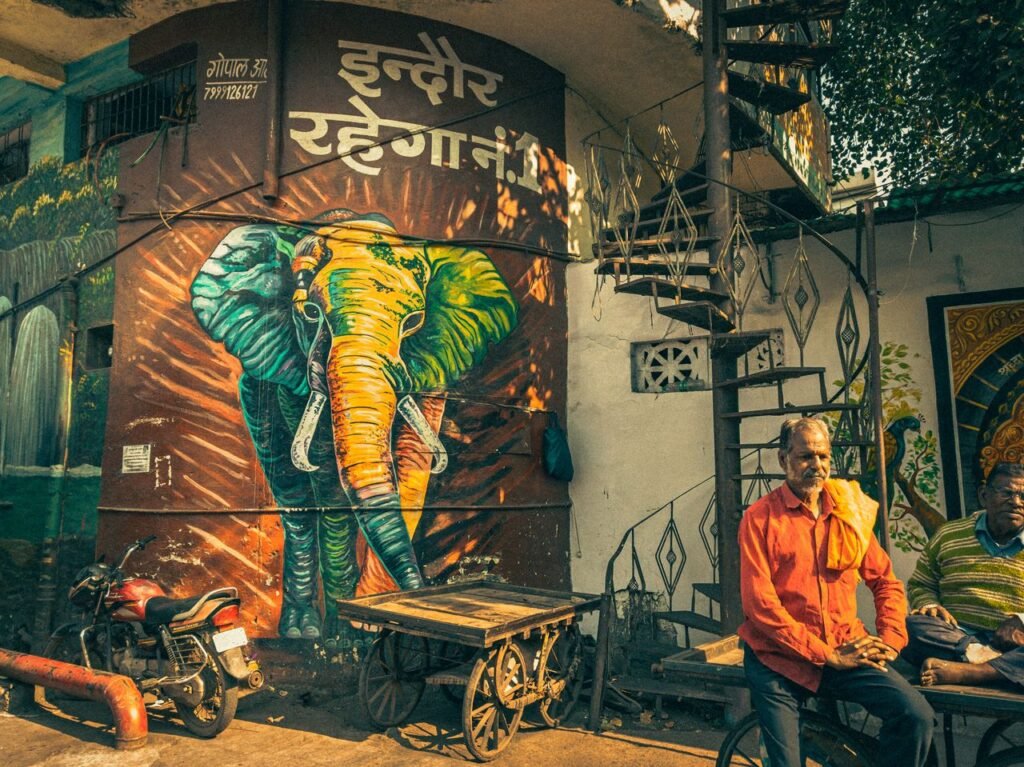
The first time I stood in front of a roadside chaat stall in Delhi, I hesitated. The plates were metal, the oil had clearly been used more than once, and I had no idea if the tap behind the cart was where the vendor rinsed his hands between customers. I ate anyway — carefully, and with a plan — and I didn’t get sick. Two weeks later, a bottle of “sealed” water in Delhi turned out to have a resealed cap, and I spent a day and a half regretting not checking it more closely.
That’s the honest version of how to avoid getting sick in India: it’s not about avoiding everything, it’s about knowing which risks are real, which are overstated, and which specific habits actually matter. This guide walks through what causes travelers to get sick in India, what to do before you go, and the exact water, food, and hygiene habits that make the biggest difference — backed by CDC and WHO travel health guidance, not just recycled blog advice.
Table of Contents
ToggleWhy Travelers Get Sick in India (And Why It's Preventable)
Most illness travelers pick up in India isn’t exotic — it’s traveler’s diarrhea, and it’s almost always traceable to one of three things: water that hasn’t been properly treated, food that’s been sitting at room temperature or handled with contaminated water, or a traveler’s gut simply encountering bacteria strains it hasn’t built any tolerance to yet. None of that is unique to India; it’s the same pattern seen across much of South and Southeast Asia, Latin America, and parts of Africa. What’s different in India is scale and variability — a five-star hotel kitchen in Mumbai and a family-run guesthouse in rural Rajasthan can have very different water and food-handling standards, sometimes within the same city.
Traveler’s diarrhea is common enough on international trips to lower-income regions that health authorities treat it as one of the most predictable travel illnesses, not a rare misfortune. The practical takeaway: this is preventable through specific, learnable habits — not luck, and not by avoiding Indian food and culture altogether.
Before you travel, make sure you’ve also checked the latest India travel rules, including visa requirements, the mandatory e-Arrival Card, and other entry regulations that may affect your trip. Being prepared with the right documents is just as important as packing the right medications.
Before You Go: Vaccines, Medications, and Travel Insurance
Recommended Vaccines and Prophylactics
This isn’t medical advice — talk to a travel clinic or your doctor 4–6 weeks before departure, since some vaccines need time to take effect. That said, current CDC travel health guidance for India generally points to a few consistent recommendations: making sure routine vaccines (including MMR) are up to date, and considering Hepatitis A, Hepatitis B, and typhoid, since food- and water-borne illness risk in India extends well beyond hotel kitchens. Depending on your specific itinerary — rural travel, trekking, longer stays, or visits during monsoon season — a travel doctor may also discuss Japanese encephalitis, rabies, chikungunya, or cholera. Malaria risk is present across lowland India, including major cities, but drops off at higher elevations above roughly 2,000 meters, which covers parts of the northern mountain states and higher areas of Kerala and Tamil Nadu.
What to Pack for Stomach Emergencies
A small, deliberate kit beats over-packing. The items that actually get used on a typical India trip:
- Oral rehydration salts (ORS) — the single most useful item in the bag if diarrhea hits; replaces electrolytes faster than water alone.
- A doctor-approved anti-diarrheal (like loperamide) — useful for symptom control on travel days, but not a substitute for treating the underlying cause.
- Probiotics — some travelers find these help settle digestion during the adjustment period, though the evidence is mixed.
- Hand sanitizer and wet wipes — for the gaps where a sink isn’t available.
- A basic fever/pain reliever and any prescription medication clearly labeled, with a spare few days’ supply.
Is Travel Insurance Worth It for a Trip to India?
For most travelers, yes. A basic policy that covers outpatient clinic visits and hospitalization is inexpensive relative to what an unplanned clinic visit or missed onward flight can cost if something more than routine stomach upset happens. Read the fine print on what counts as a covered illness — some budget policies exclude “pre-existing” digestive conditions or cap outpatient claims low enough that they barely cover a single private clinic visit.
What It Costs to Stay Healthy in India

Prevention has a real cost, but it’s small compared to what getting sick costs in lost time and money. , here’s roughly what health-related spending looked like day to day:
| Item | Typical Cost | Notes |
|---|---|---|
| Bottled/sealed water (per day, 2–3 liters) | ₹20-30 | Cheaper from shops than hotel minibars |
| Basic travel health kit (ORS, sanitizer, meds) | ₹10-20 one-time | Buy before departure, not on arrival |
| Private clinic consult (non-emergency) | ₹500 | Varies widely by city |
| Travel insurance (basic, per week of travel) | ₹500-1000 | Confirm outpatient/gastro coverage before buying |
| Lost trip cost if 2 days are spent sick | Hotel nights + missed activities | Usually far more than the prevention cost above |
The math is straightforward: a few hundred rupees a day on sealed water and a one-time investment in a basic health kit is cheap insurance against losing multiple days — and real money — to something preventable.
Best Time to Visit India to Minimize Health Risks
Season affects illness risk more than most guides mention. Monsoon season (roughly June through September) raises the risk of water contamination and mosquito-borne illness in many regions, since standing water and flooding disrupt normal sanitation. Peak summer heat (April–June in much of the country) raises dehydration and heat-related illness risk independent of anything you eat or drink. Winter, roughly November through February, is generally the lower-risk window for most of the country — cooler temperatures, less standing water, and more stable food supply chains — which is also why it’s peak tourist season in much of North India.
Water Safety: The #1 Cause of Getting Sick in India
Is Tap Water Safe to Drink in India?
No — for travelers, tap water is not recommended anywhere in India, including in nicer hotels. This extends to brushing your teeth and rinsing your mouth; bottled or filtered water is the safer default for both.
Bottled Water — What to Actually Check
Not all “sealed” water is actually sealed. Before drinking, check that the cap’s tamper ring is intact and that the bottle shape matches the brand (refilled counterfeit bottles are a known issue in some tourist areas). Buying from a shop with visible refrigeration and high turnover is generally more reliable than a stall with warm, dusty stock. On one stretch of highway outside Delhi, I picked up a bottle with a slightly loose cap and a faint smell when I opened it — that’s the moment to just buy a different one rather than risk it, even if it means the small cost of a wasted bottle.
Filtered Water Bottles and SteriPens — Worth It?
For longer trips or more remote travel, a UV purifier bottle (like a SteriPen) or a filter bottle can cut down on plastic waste and give peace of mind in areas where sealed bottled water isn’t reliably available. For shorter city-based trips, they’re a nice-to-have rather than a necessity — sealed bottled water is widely available in most tourist areas.
Food Safety: What to Eat and What to Avoid
Street Food — Is It Actually Risky?
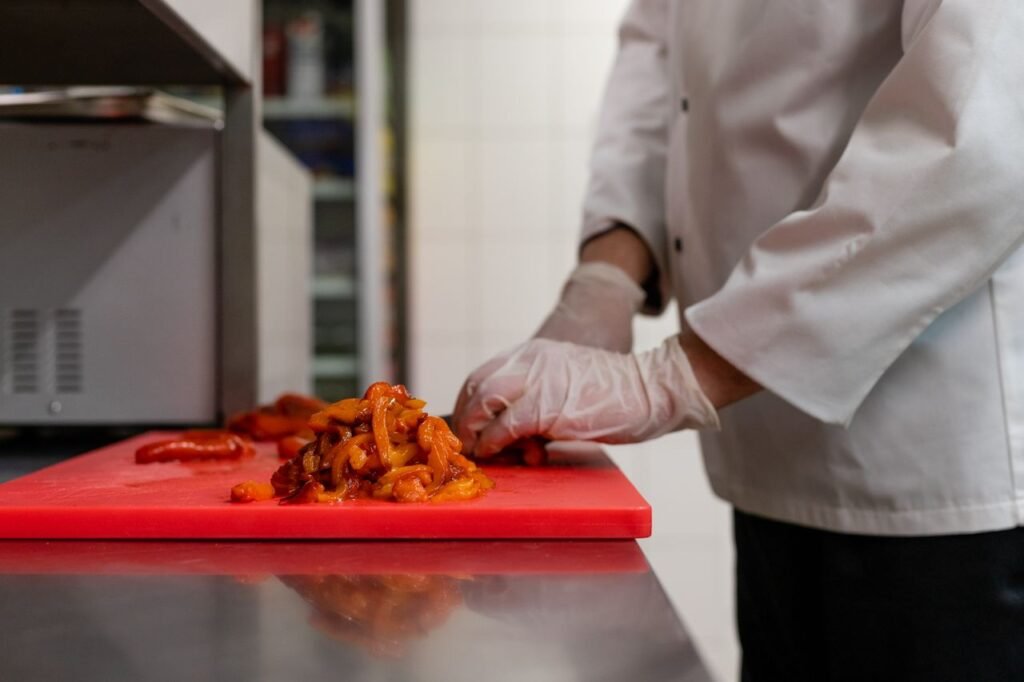
Less risky than most first-time visitors assume, with one important caveat: freshness and visibility matter more than the “street” label itself. A stall with a long line, food cooked to order in front of you, and high turnover is often lower-risk than a hotel buffet item that’s been sitting under a heat lamp for hours. The reverse — pre-made items sitting at room temperature, or food that’s been reheated once already — is where the real risk sits, whether it’s from a cart or a restaurant kitchen.
Restaurant and Hotel Food Precautions
Raw salads and cut fruit are a common blind spot, since they’re often washed in tap water rather than cooked. Buffet spreads that sit at room temperature for extended periods carry similar risk to street food that’s been sitting out. Ice is a frequent overlooked source, since it’s often made from untreated water even at nicer restaurants — it’s worth asking, or simply requesting drinks without ice as a default habit.
Regional Food Risk Differences
Risk isn’t uniform across India. Coastal regions like Kerala or Goa carry additional seafood-handling considerations, particularly around refrigeration in hot, humid conditions. Dry-climate regions like Rajasthan generally have lower spoilage risk but can have less consistent water treatment outside major towns. Higher-altitude regions in the Himalayas carry lower food-contamination risk overall but add altitude-related health considerations that are a separate concern from diet.
Hygiene Habits That Actually Make a Difference
A handful of habits do more work than any packing list: sanitizing hands before eating (not just after using the bathroom), avoiding touching your face after handling money or public surfaces, carrying wet wipes for situations without a sink, and being cautious with shared utensils or communal water containers at very casual eateries. None of this requires being rigid about it — it’s a background habit, not a source of daily anxiety.
Pros and Cons: Strict Avoidance vs. Balanced Approach
| Strict Avoidance | Balanced Approach | |
| Pros | Lowest possible illness risk; simple rules to follow | Full access to street food and local culture; more realistic to sustain over a long trip |
| Cons | Misses much of what makes Indian food travel-worthy; hard to maintain rigidly for weeks | Slightly higher risk if judgment slips; requires more situational awareness |
| Best for | Very short trips, sensitive stomachs, immunocompromised travelers | Most independent travelers on trips longer than a few days |
Common Mistakes Travelers Make in India
- Brushing teeth with tap water “just this once” — a habit that resets every day of the trip, and one slip is often the one that causes problems.
- Accepting ice because the hotel looks nice — hotel quality doesn’t reliably predict ice-making practices.
- Eating pre-cut fruit from street vendors — the cutting surface and rinse water are the risk, not the fruit itself.
- Reaching for antibiotics as a first response instead of hydration and rest — most traveler’s diarrhea resolves on its own within a few days, and overusing antibiotics can cause its own problems.
On my own trip through [region], I broke my own water rule on day three — reasoning that a “nice” restaurant wouldn’t cut corners — and spent the next day close to a bathroom. It was a useful, if unpleasant, reminder that the rule exists for a reason, and that “looks clean” isn’t the same as “is safe.”
Pro Travel Tips From Experienced India Travelers
- Time riskier food experiences — an unfamiliar street stall, a new regional dish — earlier in the trip rather than the day before a long train ride or trek, so there’s buffer time to recover if something goes wrong.
- Ask hotel staff where they personally get filtered water refills; they usually know which nearby shops are reliable, and it’s often cheaper than buying from the hotel.
- Keep a short list of dietary phrases (no ice, no raw vegetables, freshly cooked) in the local language for the regions you’re visiting — it’s a small effort that reduces a lot of ambiguity in ordering.
- Build in a light adjustment period in the first 2–3 days rather than diving into the most adventurous food options immediately.
Before you leave for India, make sure you’ve completed any required arrival formalities, including the India e-Arrival Card within the official submission window. Taking care of travel documents before departure lets you focus on staying healthy and enjoying your trip once you arrive.
What to Do If You Do Get Sick in India
Rehydration comes first — oral rehydration salts and plenty of fluids, well before reaching for medication. Most traveler’s diarrhea is mild and self-limiting, resolving within a few days with rest and hydration. It’s worth seeking medical care rather than self-treating if symptoms include a high fever, blood in the stool, signs of dehydration that don’t improve with fluids, or symptoms lasting more than about three days. Most mid-size and larger cities have private clinics used to treating traveler’s diarrhea quickly; hotel front desks can usually point to a reliable one nearby.
Who Should Worry Most (and Who Can Relax)
First-time visitors and travelers with sensitive stomachs benefit most from sticking closely to the water and food habits above, especially in the first few days. Repeat visitors and travelers who’ve spent time in similar regions typically build up some tolerance and can relax the strictest rules somewhat. Resort and organized-tour travelers face lower risk by default, since food and water are usually more controlled; independent backpackers carry slightly more responsibility for making good calls stall by stall. Families traveling with young children should be more conservative across the board, since dehydration from illness hits kids faster. Immunocompromised travelers or those with chronic digestive conditions should get itinerary-specific advice from a doctor before the trip rather than relying on general guidance like this.
Staying healthy in India comes down to a few smart habits, good preparation, and informed decisions before you travel. For more practical advice on planning your itinerary, understanding local transportation, budgeting, safety, and discovering the country’s top destinations, explore our complete India travel guide before your trip.
Frequently Asked Questions
Is it safe to drink tap water in India?
No — travelers should stick to sealed bottled or filtered water throughout the trip, including for brushing teeth.
What is Delhi belly and how long does it last?
A common term for traveler's diarrhea in India, typically caused by unfamiliar bacteria in food or water. Most cases resolve in two to four days with hydration and rest.
Is street food in India safe for tourists?
Often yes, particularly at busy stalls where food is cooked fresh in front of you. The higher risk comes from pre-made or room-temperature food, not the street food format itself.
What medicine should I bring to India for stomach issues?
Oral rehydration salts, a doctor-approved anti-diarrheal, and probiotics are the most commonly recommended basics. A travel clinic can confirm what's right for your specific trip.
Do I need vaccines before traveling to India?
Hepatitis A and typhoid are commonly recommended alongside routine vaccines, with others considered based on itinerary. A travel health provider should confirm based on your specific plans and health history.
What is the best time of year to avoid getting sick in India?
Winter, roughly November through February, generally carries lower water-contamination and heat-related risk than the monsoon or peak summer months.
Can I drink bottled water with ice in India?
Be cautious — ice is often made from untreated water even at nicer establishments, so it's safer to request drinks without ice unless you can confirm the ice is made from purified water.
When should I see a doctor for traveler's diarrhea in India?
If symptoms include a high fever, blood in the stool, or last more than three days despite hydration, seek medical care rather than self-treating.