

The first time we bargained for a batik sarong at Pasar Seni Ubud, we walked away thinking we’d overpaid — until the stallholder two stores down quoted almost double for the same fabric. That’s the thing about shopping in Bali: the island is genuinely full of beautiful, well-made things, but knowing what’s actually famous (versus what’s just aimed at tourists) makes the difference between a souvenir you’ll keep for years and one that ends up in a drawer. If you’re still planning your itinerary, don’t miss our guide to the best things to do in Bali, which covers the island’s top attractions, cultural experiences, and must-visit destinations alongside its famous shopping spots.
Before filling your suitcase with Balinese souvenirs, make sure you’ve sorted out your travel documents first. If you’re travelling from India, check our guide to Bali visa requirements for Indians to understand the latest visa rules, entry requirements, and documents you’ll need before your trip.
Table of Contents
ToggleBali's Most Famous Things to Buy at a Glance
If you’re short on time, here’s the shortlist:
- Batik and ikat textiles — sarongs, scarves, wall hangings
- Silver jewelry from Celuk village
- Wood carvings and masks from Mas village
- Balinese coffee, including Kopi Luwak (with an ethics caveat below)
- Spa and wellness products — soaps, oils, scrubs
- Rattan, teak, and bamboo home décor
- Spiritual items — canang sari offerings, incense, small deity statues
Each of these has a “home” area on the island where the quality and prices are best — we’ll break those down item by item.
Where Bali Shopping Actually Happens
Before the item list, it helps to know the geography, because where you shop changes both the price and the authenticity of what you’re buying.
- Ubud — the cultural center, best for art, textiles, and handicrafts. Pasar Seni Ubud (Ubud Art Market) is the main stop.
- Sukawati — a larger, less touristy market roughly 20 minutes from Ubud, where locals themselves shop. Prices here run noticeably lower than Ubud.
- Celuk village — the island’s silversmithing center, with workshops you can watch in action.
- Mas village — wood carving specialists, from small souvenir pieces to gallery-grade sculpture.
- Seminyak & Canggu — boutique fashion, surfwear, and design-forward home goods, at higher fixed prices.
- Kuta — the most convenient for short stays, but also the most tourist-priced.
It’s worth noting that these areas aren’t interchangeable in terms of time investment. Ubud’s art market can reasonably be covered in an hour or two, while Sukawati rewards a slower, more patient browse since the volume of stalls is much larger and prices vary more from vendor to vendor. If your itinerary already has you staying in Ubud for the temples and rice terraces, folding in a market visit costs you almost nothing extra. If you’re based in Seminyak or Canggu for the beach and surf scene, factor in at least 45–60 minutes of driving time to reach the craft villages, since traffic on Bali’s main roads is unpredictable, especially in the late afternoon.
15 Famous Things to Buy in Bali
Traditional Textiles
Batik Fabric & Sarongs
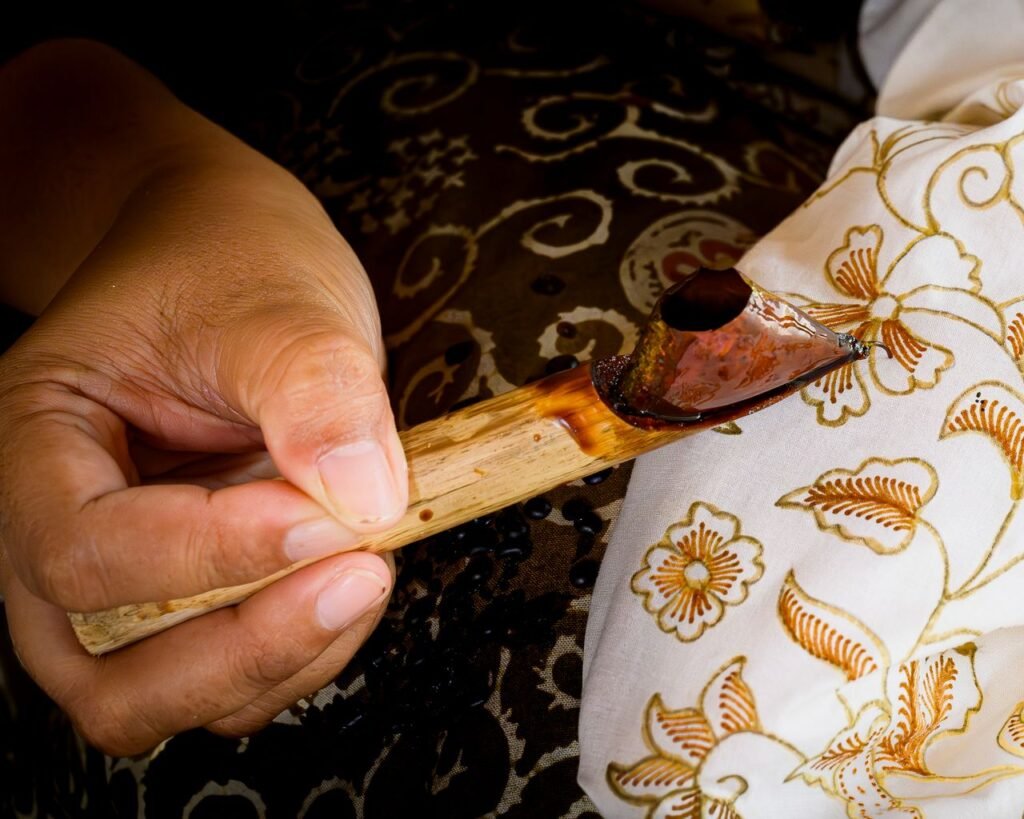
Batik is Bali’s best-known textile export, made using a wax-resist dyeing process that’s recognized by UNESCO as part of Indonesia’s intangible cultural heritage. The tell for authentic hand-stamped batik versus a machine-printed imitation is on the back of the fabric: hand-stamped batik shows the pattern bleeding through to the reverse side in slightly imperfect lines, while printed versions look crisp and identical on both sides, with the back noticeably paler. Ubud and Gianyar have the most reliable selection of genuine pieces.
Ikat Weaving
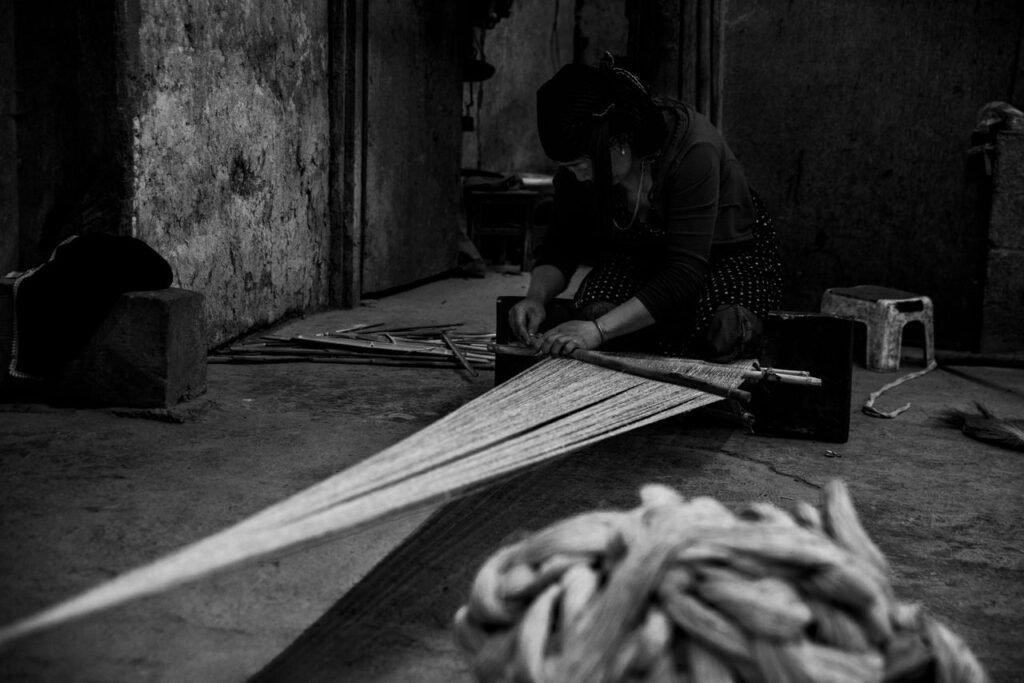
Ikat is a resist-dyeing technique applied to the threads before weaving, rather than to the finished cloth, which is what gives it that soft, slightly blurred pattern edge. Genuine ikat takes weeks to produce by hand, so a very cheap price is usually a sign it’s machine-made. Small weaving villages outside Ubud are a better source than beachfront tourist strips.
Silver Jewelry & Metalwork
Celuk Village Silver

Celuk has been Bali’s silversmithing village for generations, and it’s worth visiting even if you don’t buy anything, since many workshops let you watch pieces being made by hand. Buying directly from a workshop rather than a resale shop generally gets you a fairer price and a better guarantee of sterling silver quality — look for a “.925” stamp, and be wary of pieces that don’t have one.
Wood Carvings & Masks
Mas Village Carvings
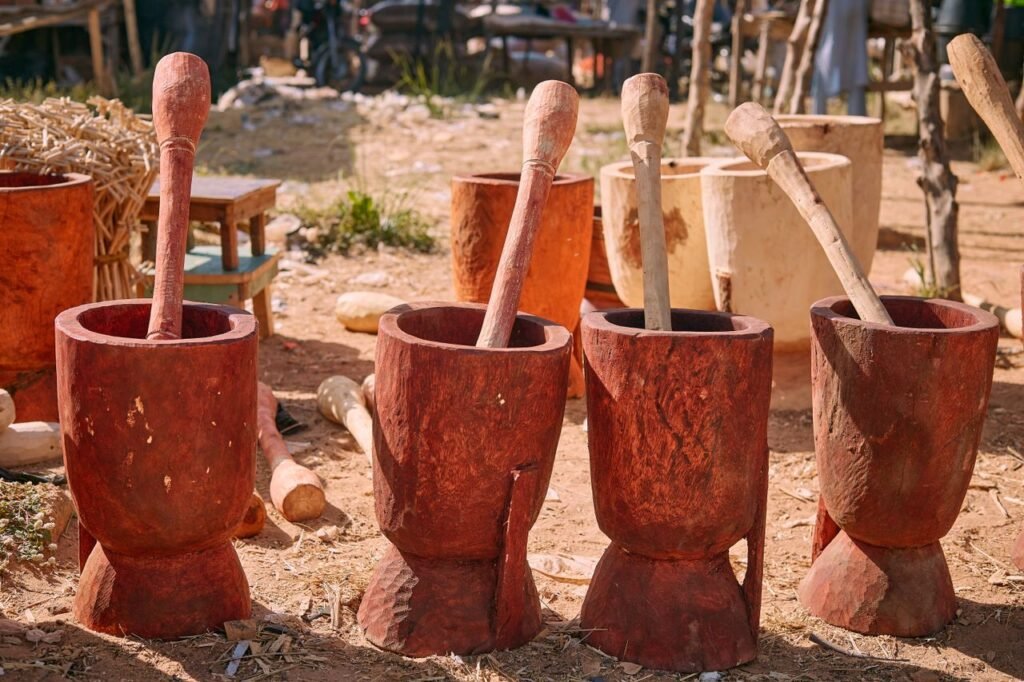
Mas is where most of Bali’s serious wood carving happens, ranging from small decorative pieces to large gallery sculptures. Prices scale enormously with size and detail, so it’s worth browsing a few workshops before committing to a larger piece.
Barong & Topeng Masks
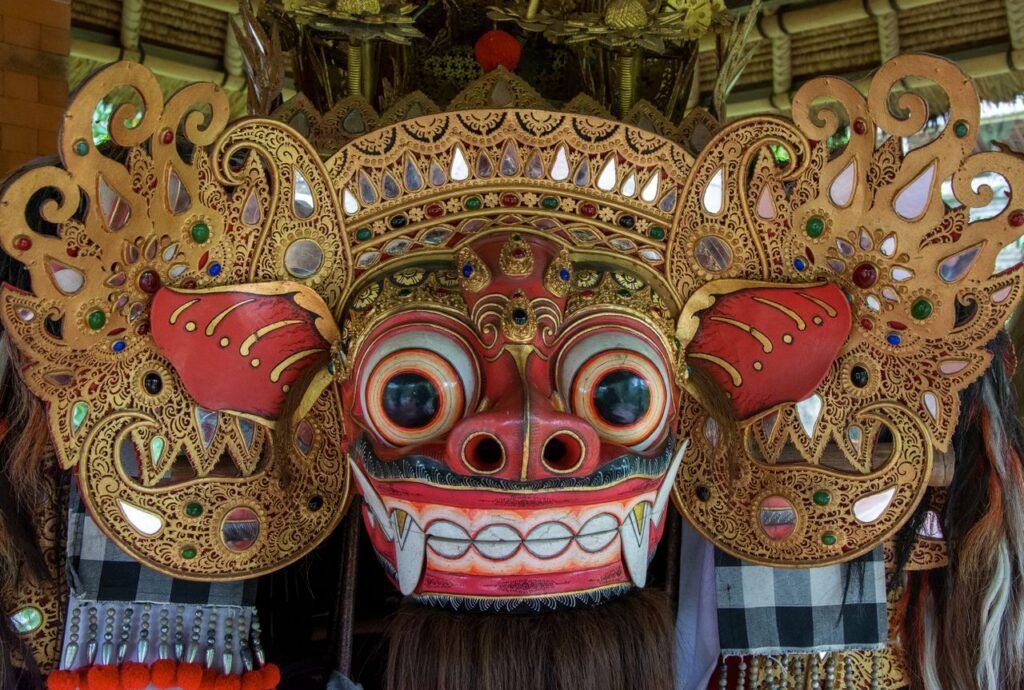
These hand-carved masks represent characters from traditional Balinese dance — Barong, the protective lion-like spirit, and Topeng masks used in narrative performances. Smaller versions make good wall décor; the larger, more detailed masks are genuinely collector pieces and priced accordingly.
Coffee, Chocolate & Local Food
Balinese Coffee & Kopi Luwak
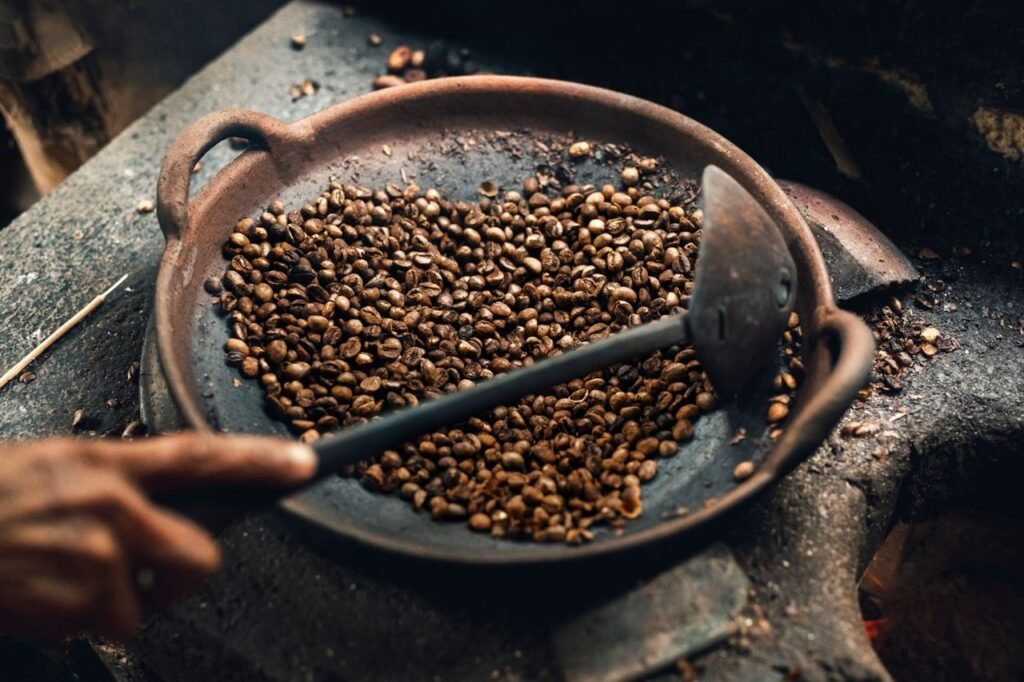
Standard Balinese coffee, grown in the island’s highland plantations, is one of the easiest and most universally appreciated souvenirs to bring home. Kopi Luwak — coffee made from beans that have passed through a civet’s digestive system — is the more famous (and expensive) variant, but it comes with a real ethics issue: much of the commercial supply comes from civets kept in small cages specifically to produce it, which animal welfare organizations have flagged as inhumane. If you want to try it, ask specifically whether the plantation uses wild-collected beans rather than caged civets, and be skeptical of very cheap “Kopi Luwak” sold in tourist shops, since much of it is diluted or mislabeled.
Local Snacks & Spices
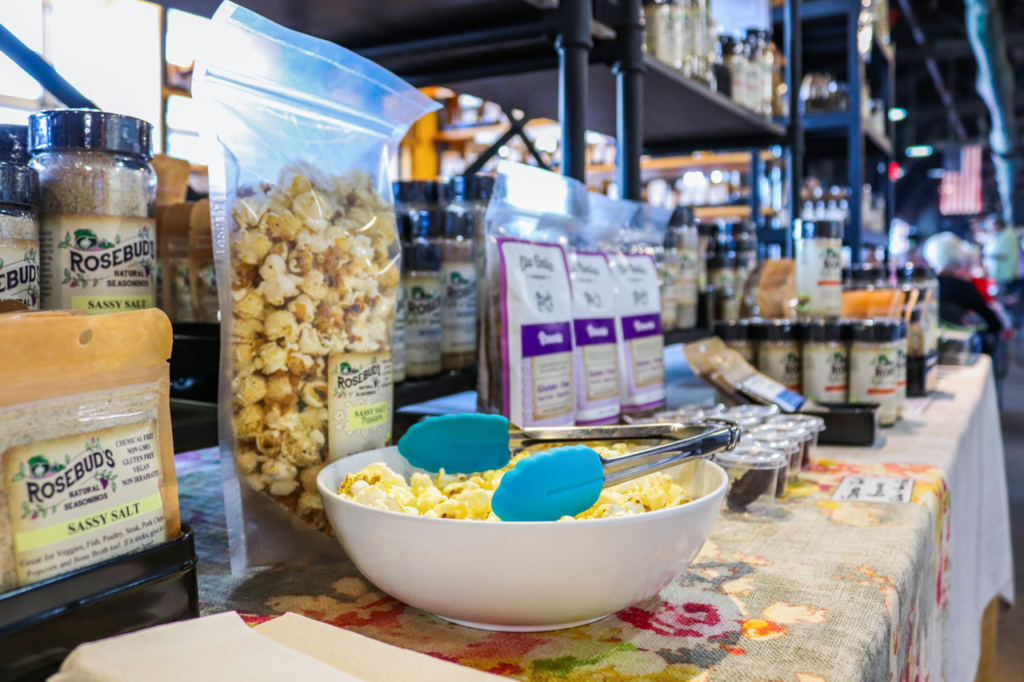
Pie Susu (a small custard tart), sambal paste, and packaged spice blends travel well and make easy, inexpensive gifts. These are widely available at supermarkets as well as markets, often at more consistent quality.
Spa & Wellness Products
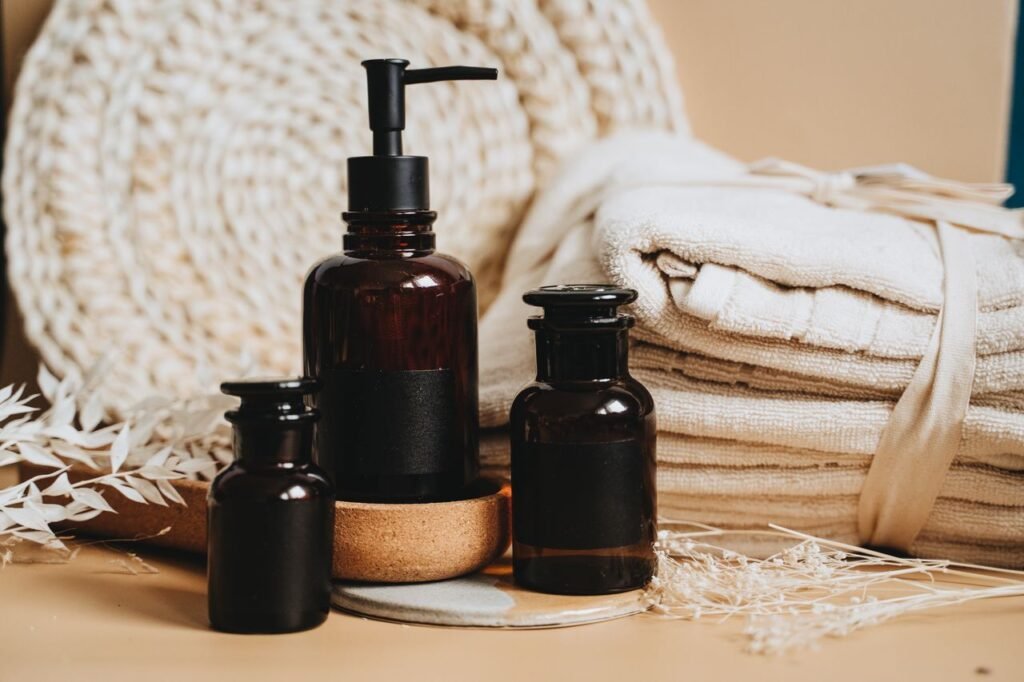
Bali’s spa culture has produced a genuine local industry in handmade soaps, body scrubs, and essential oils, often using coconut oil, frangipani, lemongrass, and ylang ylang. These are lightweight, pack well, and are usually sold in both markets and dedicated wellness boutiques around Ubud and Seminyak.
Home Décor & Furniture
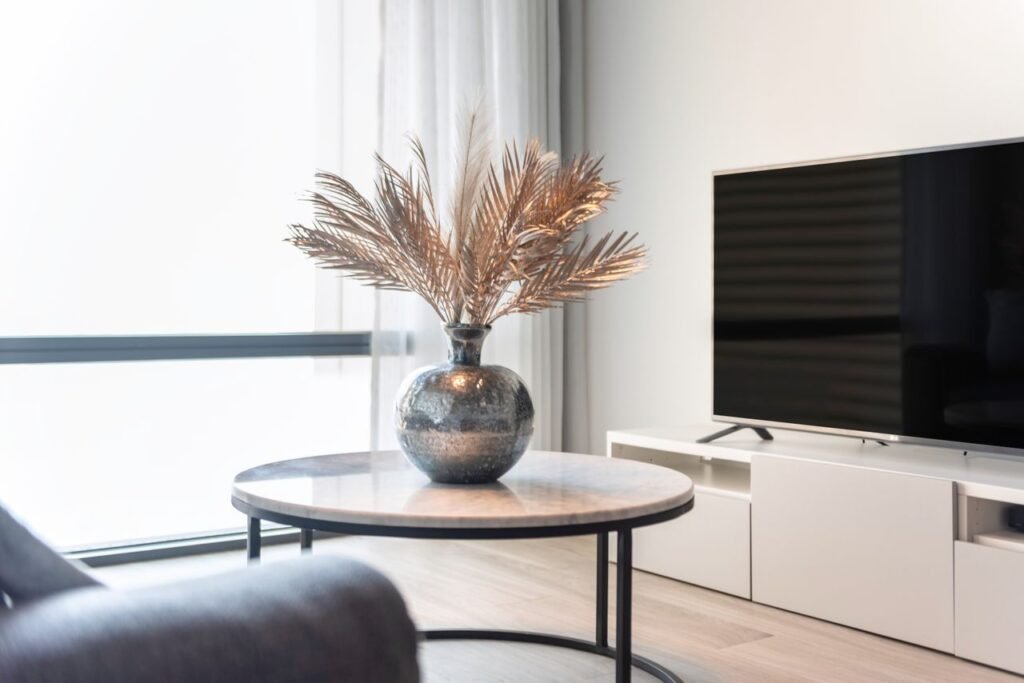
Rattan, teak, and bamboo pieces — lamps, cushions, small furniture — are some of the most distinctive things you can bring home from Bali, but also the most logistically complicated. If you’re buying anything larger than carry-on size, ask the shop directly about freight-forwarding options; most established furniture shops in areas like Tegallalang work with shipping companies regularly and can quote a landed cost to your home country before you commit to buying.
Fashion, Beachwear & Streetwear
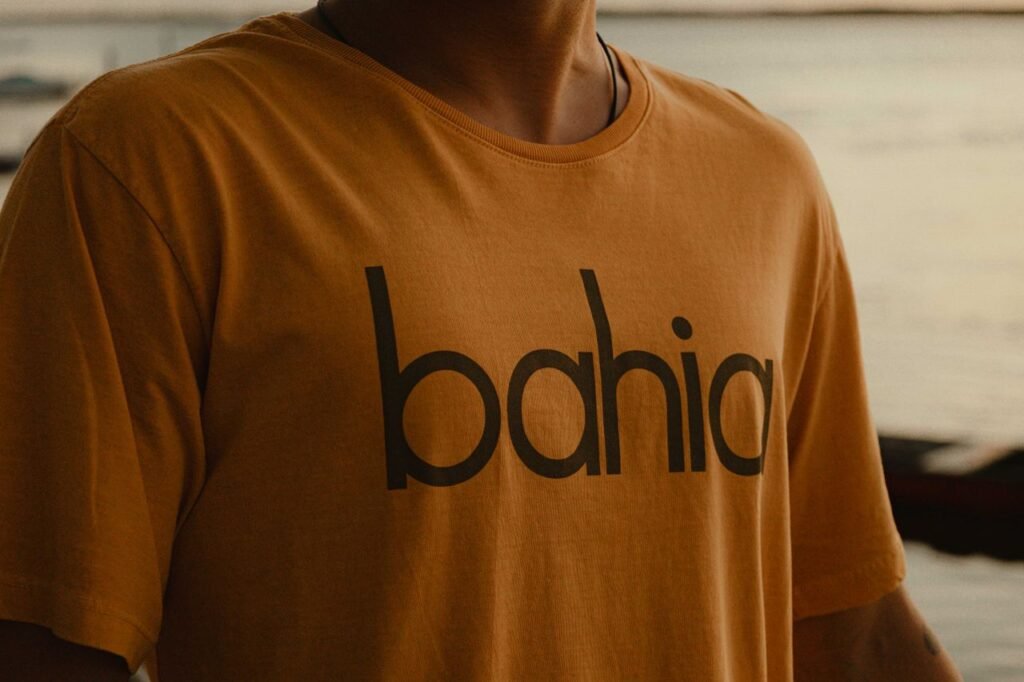
Seminyak and Canggu have developed a strong boutique fashion scene, particularly for surfwear and beach-ready clothing from independent local brands. Prices here are fixed rather than negotiable, but the quality and design are usually a step up from market stalls. A growing number of these boutiques also lean into eco-conscious materials — organic cotton, natural dyes, recycled fabric blends — which is worth asking about directly if sustainability matters to you, since labeling isn’t always consistent from shop to shop.
Eco-Friendly & Sustainable Finds
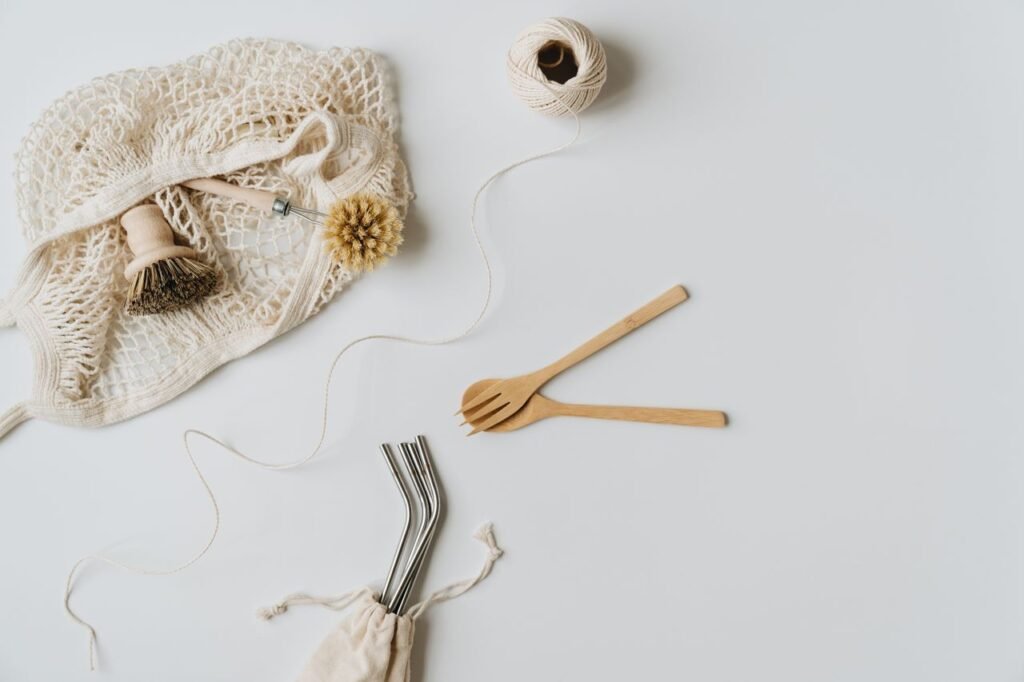
Alongside fashion, Bali has a growing cluster of sustainability-focused brands selling bamboo straws, reusable cotton bags, and zero-waste bathroom products. These make practical, lightweight gifts, and buying from them also tends to support smaller local operations rather than mass-import shops — worth prioritizing if that matters to you as a traveler.
Spiritual & Decorative Items
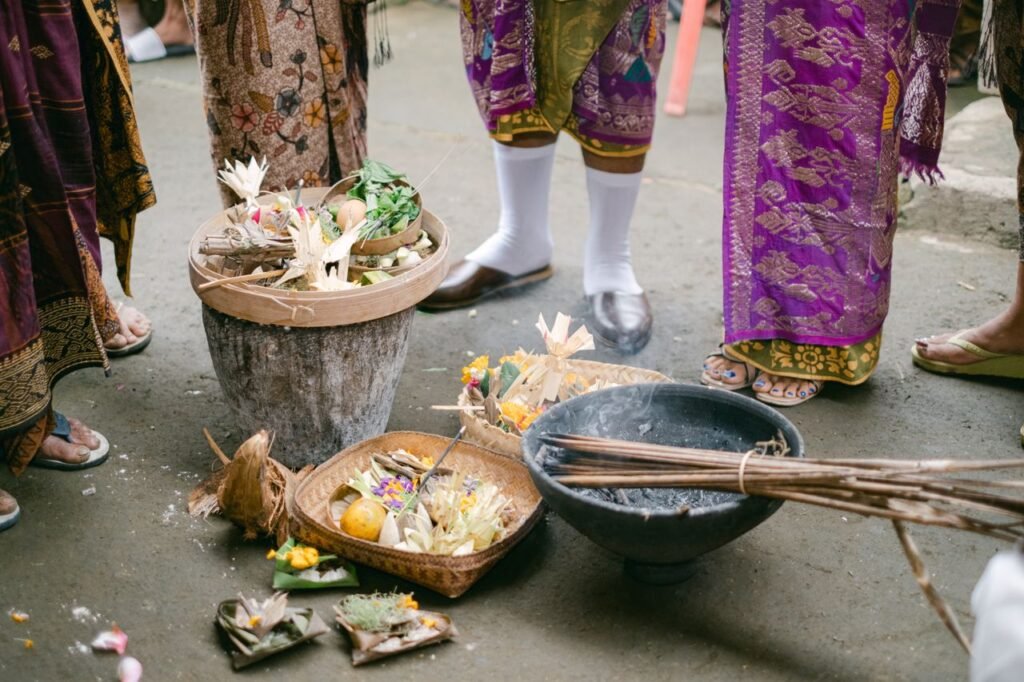
Canang sari — the small palm-leaf offering baskets seen throughout the island — are sold in decorative, non-perishable versions as souvenirs. Incense and small carved deity statues from Mas village are also common. A quick note on respect: these items carry genuine religious meaning for Balinese Hindus, so it’s worth treating them (and their imagery) thoughtfully rather than purely as novelty décor. If you’re unsure whether a specific design is appropriate to take home or display, it’s reasonable to just ask the vendor — most are happy to explain the meaning behind a piece, and it tends to make for a better souvenir story anyway.
Bali Shopping Cost Guide
Prices below are fair post-bargaining ranges, not opening asking prices, which are often set considerably higher for tourists. Figures are approximate, based on IDR 15,000–16,000 to USD 1 — check a current conversion rate before your trip, since it moves.
| Item | Fair Price Range (IDR) | Approx. USD | Best Place to Buy |
|---|---|---|---|
| Batik sarong | 80,000–200,000 | $5–13 | Ubud, Gianyar |
| Ikat scarf | 150,000–400,000 | $10–26 | Weaving villages |
| Silver pendant/ring | 150,000–600,000+ | $10–40+ | Celuk village |
| Small wood carving | 100,000–350,000 | $7–23 | Mas village |
| Decorative mask (small) | 150,000–500,000 | $10–33 | Mas village, Ubud |
| Balinese coffee (250g) | 40,000–90,000 | $3–6 | Plantations, supermarkets |
| Spa soap/scrub set | 50,000–150,000 | $3–10 | Ubud, Seminyak boutiques |
On a recent trip, we paid roughly IDR 120,000 for a hand-stamped batik sarong at Pasar Seni Ubud after negotiating down from an opening quote near IDR 250,000 — a fairly typical spread for that market.
Best Time to Visit Bali's Markets & Shops
Dry season, roughly April through October, is the most comfortable time to browse open-air markets without dodging afternoon downpours. Within a single day, early morning (before 9 a.m.) tends to have better selection and noticeably less crowd pressure than midday, when tour buses arrive. One date worth building your trip around: if you’re visiting in March, check the Nyepi (Day of Silence) date for that year, since the entire island — shops included — shuts down completely for 24 hours.
Pros & Cons: Market Shopping vs. Boutique Shopping vs. Malls
Traditional Markets | Boutique Stores | Shopping Malls | |
| Price | Lowest, but requires bargaining | Mid-to-high, fixed | Highest, fixed |
| Authenticity | Mixed — verify quality yourself | Generally high, curated | Variable, often imported |
| Bargaining | Expected and normal | Rarely accepted | Not accepted |
| Convenience | Lower — cash only, can be chaotic | High | Highest, air-conditioned |
Common Mistakes to Avoid When Shopping in Bali
- Not bargaining at all. Opening prices in markets are usually set expecting negotiation; paying the first quote often means paying double.
- Over-bargaining rudely. The flip side — treating negotiation as a fight rather than a friendly back-and-forth — tends to backfire and is genuinely disrespectful to sellers.
- Assuming “silver” is sterling silver. Always check for a .925 stamp on jewelry, especially outside Celuk village.
- Buying mass-produced items sold as handmade. This is common with batik and wood carvings aimed at high-traffic tourist strips.
- Paying card surcharges unknowingly. Many market vendors add a 2–3% fee for card payments; carrying cash avoids this and improves your bargaining position.
- Skipping customs research for wood or animal-adjacent products. Some carved items and any real animal materials can face import restrictions — check your home country’s customs rules before buying.
- Buying oversized furniture without a shipping plan. Confirm a landed cost before you commit, not after.
- Assuming every “Kopi Luwak” label is genuine. Because it commands premium prices, it’s one of the more commonly mislabeled products sold to tourists — buy from a source that can explain their sourcing, not just a roadside sign.
Shopping isn’t the only situation where travellers need to stay alert. Bargaining is a normal part of market culture in Bali, but be aware of overpriced tours, unofficial taxi offers, and other common tourist scams in Bali so you can shop and explore the island with confidence.
Pro Travel Tips for Smarter Bali Shopping
- A reasonable bargaining target is 40–60% of the opening asking price, though this varies by item and vendor.
- Carry small denominations — vendors often “can’t break” large bills, which quietly works against you in negotiation.
- Shop early morning for the best selection and calmer bargaining conditions.
- Pack a few vacuum-seal bags for textiles to save luggage space.
- Photograph any silver hallmark stamps before you leave the shop, in case you need to verify authenticity later.
- If a price feels off, walking away is often the fastest way to get a fairer counteroffer — vendors will frequently call you back with a better number.
- For food items like coffee and spices, buying at a plantation or dedicated shop rather than a beach vendor tends to get you fresher stock and clearer labeling.
If you’re visiting on a short trip, it’s worth planning your market visits alongside Bali’s main attractions to make the most of your time. Our 3-day Bali itinerary shows how to fit shopping in Ubud, sightseeing, beaches, and cultural experiences into a well-balanced three-day visit.
Who Should Buy What
- First-time visitors: Start with batik and Balinese coffee — affordable, iconic, and easy to pack.
- Gift shoppers: Spa products and small silver pieces travel well and suit a wide range of recipients.
- Design and décor lovers: Budget time (and shipping cost) for rattan or teak pieces from Tegallalang.
- Foodies: Prioritize plantation-direct coffee and local spice blends over packaged tourist-shop versions.
- Budget backpackers: Sukawati Market consistently beats Ubud on price for near-identical goods.
Frequently Asked Questions
What is Bali most famous for buying?
Bali is best known for batik textiles, silver jewelry from Celuk village, wood carvings from Mas village, and Balinese coffee.
Is it cheaper to buy souvenirs in Bali or at the airport?
Market and village shopping is almost always cheaper than the airport, where prices are fixed and higher due to captive-audience pricing.
What should you not buy in Bali?
Avoid cheap "silver" without a .925 stamp, mass-produced batik sold as handmade, and any real animal products, which can face customs restrictions.
Can you bargain in Bali markets?
Yes — bargaining is expected and normal in traditional markets, though not in boutiques or malls, where prices are fixed.
What is a good souvenir from Bali for family?
Spa products, packaged coffee, and small batik items are practical, widely liked gifts that pack easily.
Is Kopi Luwak coffee ethical to buy?
It depends on the source — much commercial Kopi Luwak comes from caged civets, which welfare groups consider inhumane; ask specifically about wild-collected sourcing before buying.
How much cash should I carry for shopping in Bali?
Enough small-denomination rupiah to cover a day's planned purchases — markets are largely cash-based, and card payments often carry a 2–3% surcharge.
What's the difference between Ubud and Sukawati markets?
Ubud's market is more central and tourist-oriented with slightly higher prices; Sukawati is larger, less touristy, and generally cheaper for similar goods.