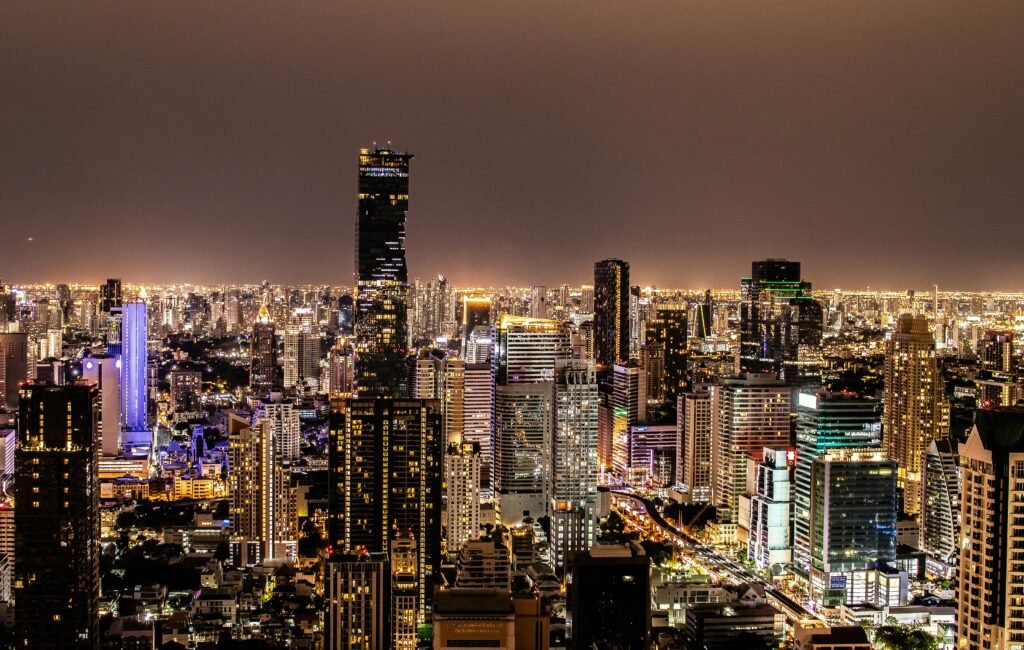

Bali shows up on more bucket lists every year, and with that comes a predictable wave of nervous Googling before every trip. The honest answer is that Bali isn’t a dangerous destination in the way people sometimes imagine — but it does have a specific, well-documented set of risks that catch tourists off guard, year after year. This guide breaks down exactly what those risks are, how often they actually happen, and what to do about each one.
Table of Contents
ToggleIs Bali Actually Dangerous?
No — Bali is not considered a dangerous destination for tourists. Indonesia has one of the lower violent crime rates globally, and millions of international visitors travel through Bali every year without incident. The real risks tourists face aren’t crime-related; they’re road accidents (mostly scooters), tourist scams, water hazards, and everyday health issues like contaminated tap water. Understanding these specific risks — rather than a vague sense of “danger” — is what actually keeps a trip safe.
Understanding Bali’s risks doesn’t mean avoiding the island—it means enjoying it more confidently. Once you know what to watch out for, explore our guide to the best things to do in Bali to discover the island’s top temples, beaches, waterfalls, cultural experiences, and adventure activities while travelling safely.
The 8 Biggest Risks in Bali
Most “Bali safety” articles list risks alphabetically or randomly, which makes it hard to know what actually deserves your attention. Here they are ranked roughly by how frequently tourists encounter each one, from most common to least — so you can spend your prep time on what actually matters instead of worrying about everything equally.
1. Scooter and Traffic Accidents
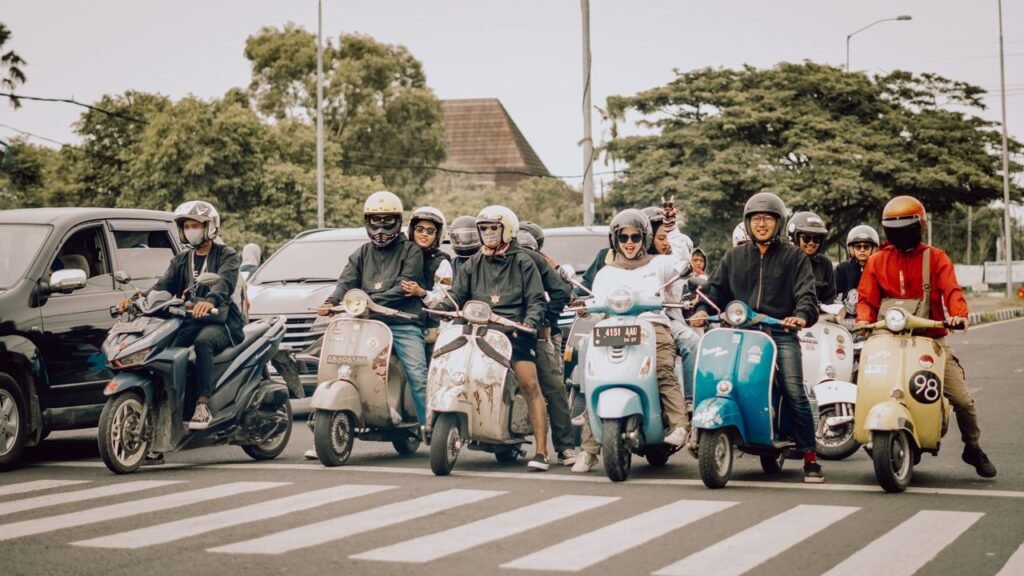
This is, by a wide margin, the most common serious risk tourists face in Bali. Roads are often narrow, steep, and shared chaotically between scooters, cars, trucks, and pedestrians — and traffic rules are loosely followed at best. Reported tourist-involved motorcycle accidents have been climbing year over year, and helmet compliance among rental-bike riders remains low, which turns minor crashes into serious injuries more often than it should.
How to reduce the risk: Only rent from a shop that provides a real helmet (not a decorative one), confirm your license covers Indonesian roads, avoid riding at night in unfamiliar areas, and use Grab or Gojek instead of a scooter if you’re not an experienced rider. For longer trips, a pre-booked driver removes the risk almost entirely.
It’s also worth knowing that most travel insurance policies exclude scooter-related injuries unless you hold a valid motorcycle license — both at home and, technically, an Indonesian or international permit. Riding without one doesn’t just raise your accident risk; it can leave you covering hospital costs entirely out of pocket if something goes wrong. Checking your policy’s fine print before you rent is a five-minute step that matters more than almost anything else on this list.
2. Tourist Scams
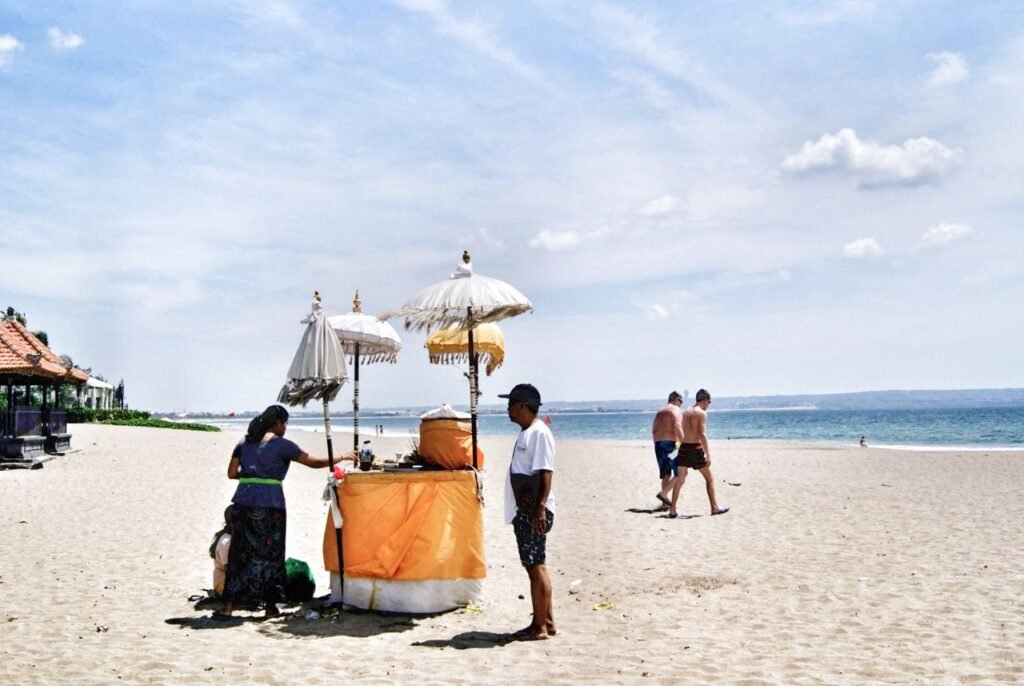
Scams are the most frequently *reported* issue by Bali visitors, even though almost none of them are dangerous — they’re financial annoyances, not safety threats. They work because tourists are relaxed, jet-lagged, and inclined to trust people who seem friendly, which is exactly the mindset scammers rely on.
The most common versions:
- “Meter’s broken” taxis — unofficial drivers quote flat rates several times the real fare. Stick to Bluebird taxis or ride-hailing apps.
- Money changer short-changing — unlicensed kiosks with attractive rates on display boards count notes quickly to palm several bills. Use only licensed changers (look for a government authorization sign) or your hotel.
- Fake scooter damage claims — some rental shops photograph the bike after return and claim you caused pre-existing damage. Film a full walk-around video before you ride off.
- Temple “donation” pressure — people outside popular temples ask for money before the entrance, implying it’s required. Only pay at the official ticket counter.
- Pickpocketing in crowded areas — busy markets, nightlife strips, and beach clubs are where bag-snatching and pocket-picking happen most. Keep valuables in a front pocket or crossbody bag and avoid carrying your passport unless you need it that day.
None of these are unique to Bali — they’re the same tourist-targeting patterns you’d find in any high-traffic destination. What makes them effective here specifically is the combination of cash-based transactions, language gaps, and a relaxed holiday mindset that makes people less likely to double-check a price or ask for a receipt.
While shopping in Bali is generally enjoyable, knowing where to buy authentic products and how local markets work can help you avoid overpriced or low-quality souvenirs. Our guide on what to buy in Bali shares the best souvenirs, trusted shopping areas, and practical tips for getting fair prices.
3. Water and Ocean Hazards
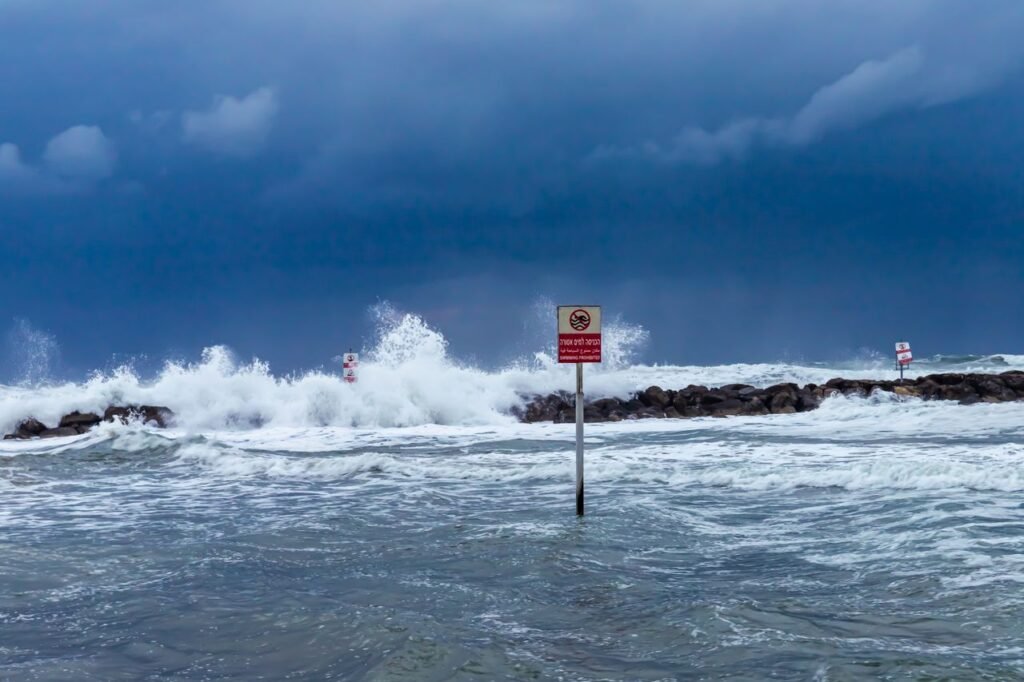
Bali’s beaches are genuinely beautiful, but several of them carry real rip current risk, especially on the more exposed south and west coasts stretching from Canggu down toward Nusa Dua. Local water rescue teams report dozens of intervention-requiring incidents each quarter, concentrated in wet-season months when currents strengthen. Always swim at beaches with lifeguard flags and pay attention to flag colors — red generally means stay out of the water entirely.
Surfers face a slightly different version of this risk: reef breaks around Uluwatu and Canggu can cause serious cuts or coral injuries for anyone paddling out without local knowledge of the tide and reef conditions. If you’re new to surfing in Bali specifically, a local instructor for your first session or two is worth the cost — they’ll know exactly which breaks are safe on a given day.
4. Health Risks: Tap Water, "Bali Belly," and Dengue
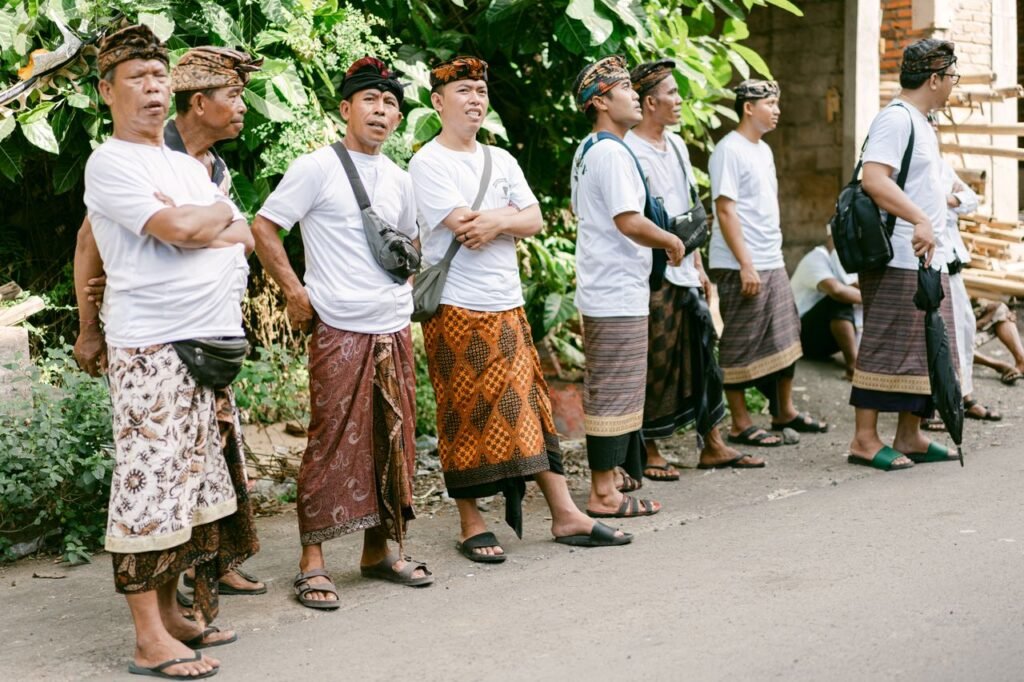
Tap water in Bali isn’t safe to drink, including for brushing your teeth — it can carry bacteria that trigger the stomach illness commonly nicknamed “Bali Belly.” This is annoying but rarely serious. More concerning, though rarer, is dengue fever, a mosquito-borne illness that spikes during the rainy season. It’s very rarely fatal but can mean several unpleasant days of high fever and body aches.
How to reduce the risk: Drink only bottled or filtered water, skip ice from street vendors, use mosquito repellent in the evenings, and consider a dengue-aware travel insurance policy if you’re visiting during rainy season (roughly October–March).
5. Drink Spiking and Unregulated Alcohol

This risk is real but geographically concentrated — mostly in nightlife districts like Kuta and Legian rather than island-wide. Cases of methanol poisoning from unregulated homemade spirits (arak) served at some beach bars have prompted consulate warnings in the past. Stick to sealed, branded alcohol, watch your drink being poured, and never accept drinks from strangers at busy nightlife venues.
6. Natural Disaster Risk: Earthquakes and Volcanic Activity
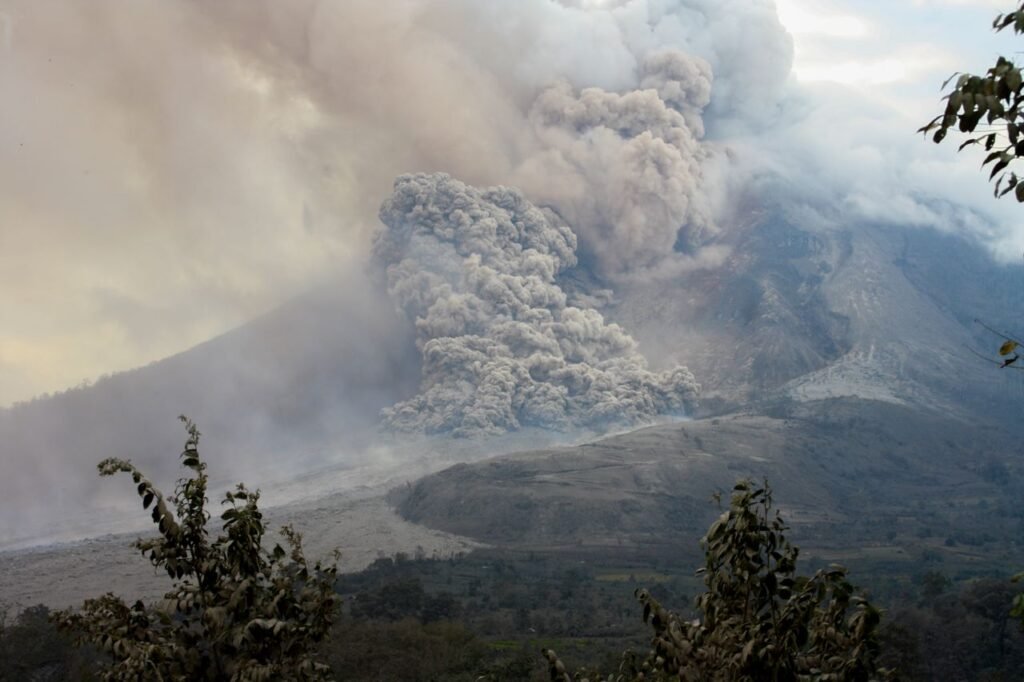
Bali sits in a seismically active region, and Mount Agung has a documented eruption history, most notably a major event in 2017–2018 that briefly disrupted flights and evacuated nearby villages. In practice, the daily probability of experiencing either an earthquake or an eruption is low, and Indonesian authorities monitor volcanic activity closely, raising official alert levels well before any evacuation becomes necessary. If you’re staying near Agung or trekking in the area, it’s worth checking the current alert level with Indonesia’s volcanology agency (PVMBG) before you go, but for the vast majority of visitors staying in South Bali, this risk shouldn’t shape your itinerary at all.
7. Digital and Visa Scams

This is a newer risk most Bali guides still ignore, and it’s growing as more of the visa process moves online. Fake e-Visa websites and phishing emails impersonating Indonesian immigration services have circulated, sometimes redirecting visa payments to unrelated third-party accounts or harvesting passport details in the process. These sites often look convincing enough to pass a quick glance — matching government color schemes and logos.
Only apply for visas through addresses published directly on official Indonesian government or consular websites, never through a link in an unsolicited email, a sponsored search ad, or a third-party “visa assistance” site you found through social media. If a site asks for payment via bank transfer to a personal account rather than a standard card/gateway checkout, treat that as an immediate red flag.
Before applying for any visa, make sure you’re using the correct process and official websites. If you’re travelling from India, our guide on Bali visa requirements for Indians explains the Visa on Arrival, e-VOA process, required documents, and common mistakes to avoid before departure.
8. Overtourism Friction
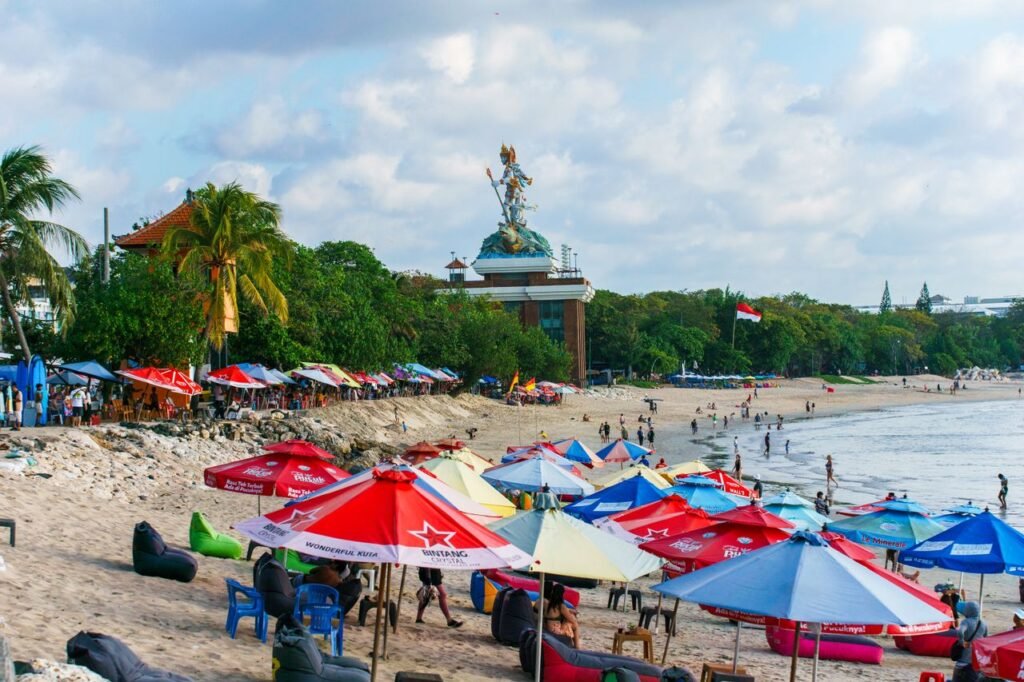
Not a safety risk in the traditional sense, but a real quality-of-trip issue: certain areas of Bali (Canggu and Kuta especially) now deal with heavy traffic congestion, rising accommodation and activity prices, and crowded landmark sites during peak season. Popular waterfalls, temples, and viewpoints can involve long queues and rushed, crowded photo spots rather than the peaceful experience shown in most Instagram posts. It won’t hurt you, but it can quietly wreck an itinerary if you don’t plan around it — booking popular attractions for early morning slots and building buffer time into transfers both help significantly.
Bali Risk-Related Cost and Budget Guide
| Risk | Typical Cost to Avoid It | Typical Cost If It Happens |
|---|---|---|
| Scooter accident | Travel insurance: ~$20–50 for a 2-week trip | Clinic visit + minor treatment: $50–300+; serious injury: much higher without insurance |
| Taxi/transport scam | Free (use Grab/Gojek apps) | Overpaying by Rp 50,000–150,000 (~$3–10) per ride |
| Money changer scam | Free (use licensed changers/hotel) | 10–30% loss on the exchanged amount |
| Scooter “damage” claim | Free (photo/video the bike first) | Rp 500,000–3,000,000+ (~$30–190+) in disputed charges |
| Bali Belly / dengue | Bottled water + repellent: a few dollars a day | Missed travel days, clinic visit, possible hospitalization for dengue |
Best Time to Visit Bali
Bali’s dry season (roughly April–October) brings the best weather and the biggest crowds — which means more traffic, higher accommodation prices, and busier roads. The wet season (November–March) is quieter and cheaper, but ocean conditions worsen, with stronger rip currents and a higher dengue risk. Neither season is objectively “riskier” overall — they just shift which risks you need to plan around.
Choosing the right season is only part of planning a successful trip. If you’re visiting on a short holiday, our guide on whether 3 days is enough for Bali explains how to build a realistic itinerary while avoiding the common mistake of trying to see too much in too little time.
Bali Risk Pros and Cons: Should the Risks Stop You From Going?
| Real Concerns | Why Millions Still Go Safely Every Year |
|---|---|
| Traffic and scooter accidents are common | Almost entirely avoidable with ride-hailing apps and basic road caution |
| Scams are frequent | Nearly all are financial, not physical — and easy to spot once you know the patterns |
| Tap water and some health risks | Fully manageable with bottled water and basic precautions |
| Occasional nightlife-district incidents | Concentrated in specific areas, easy to sidestep |
Common Mistakes That Turn Small Risks Into Real Problems
Almost none of the risks above are dangerous on their own — what actually causes problems is a specific behavioral mistake layered on top of them. These are the ones that show up again and again in traveler reports:
- Riding a scooter without ever having ridden one before landing in Bali
- Skipping travel insurance to save a small amount upfront
- Ignoring beach flag warnings because the water “looks calm”
- Not photographing or filming a rental scooter before driving off
- Carrying all your cash and cards in one place
- Clicking visa or booking links from unsolicited emails instead of going direct to official sites
- Accepting the first price offered instead of confirming it upfront
Pro Tips for Staying Safe in Bali
- Use Grab or Gojek for transport instead of street taxis whenever possible
- Buy travel insurance before you land — not after something happens
- Photograph/video any rental scooter from all angles before riding off
- Only exchange money at licensed changers or your hotel
- Drink bottled or filtered water exclusively, including for brushing teeth
- Check beach flags before swimming, every time
- Bookmark official Indonesian immigration URLs rather than searching for visa sites each time
Who Should Actually Worry About These Risks?
Solo female travelers: Bali is broadly safe, with low rates of aggressive street harassment. Standard nighttime precautions in Kuta/Legian nightlife areas are the main thing to keep in mind.
Families: Traffic and water safety are your two real focus areas — choose accommodation in calmer zones like Sanur or Nusa Dua, and supervise closely near ocean beaches.
Digital nomads / long-stay visitors: Visa compliance and health precautions (especially during rainy season) matter more to you than they do to a one-week tourist — budget time to handle visa paperwork through verified official channels only.
First-time short-trip tourists: Scams and scooter safety are your top two priorities — get those right and the rest of the risk list becomes minor.
Frequently Asked Questions
What is the biggest safety risk in Bali?
Road accidents, particularly scooter crashes, are the most frequently reported serious risk for tourists in Bali — more common than crime or natural disasters.
Is Bali safe for solo female travelers?
Yes, Bali is generally considered safe for solo women, with low rates of aggressive street harassment compared to many destinations — though normal nighttime and nightlife precautions still apply.
Is tap water safe to drink in Bali?
No. Tap water in Bali isn't safe to drink; stick to bottled or filtered water, including for brushing your teeth.
Are scams common in Bali?
Yes, though most are non-violent — overcharging taxis, short-changing at money changers, and inflated scooter "damage" claims are the most reported types.
Is it safe to rent a scooter in Bali?
It can be, but scooter accidents are the leading cause of tourist injury in Bali — wearing a real helmet, checking your license validity, and photographing the bike before renting all significantly cut the risk.
Is Bali safer than Thailand?
The two are broadly comparable in overall safety, though Bali's scooter and traffic density tends to make road risk feel more prominent to visitors.
Do I need travel insurance for Bali?
Yes — most serious Bali risks (scooter accidents, water incidents, health issues) are exactly the kind of costs travel insurance is designed to cover, and it's inexpensive relative to potential medical costs.