Malaysia welcomed 42.2 million international visitors in 2025, an 11.2% jump from 38 million the year before, according to Tourism Malaysia and the Department of Statistics Malaysia. That’s not a small country quietly getting popular — it’s a country that, per HSBC’s December 2025 research note, overtook Thailand as Southeast Asia’s most-visited destination in 2025.
On our first trip to Kuala Lumpur, we’d planned it as a two-night stopover before flying on to Bali. We ended up staying nine extra days. [Replace with your real dates/trip detail before publishing.] The question we kept asking ourselves — and the one this article actually answers — is why a country that rarely makes anyone’s “dream destination” shortlist keeps pulling in more visitors than its more Instagrammed neighbors.
Here’s what’s actually driving it, with real numbers, real costs, and an honest look at where Malaysia falls short.
Part of the timing is deliberate. The government is mid-way through its Visit Malaysia 2026 campaign, and Tourism Malaysia has signed a two-year strategic partnership with Tripadvisor (running through 2027) to sharpen its marketing using Tripadvisor’s own performance data. That’s a level of coordinated tourism promotion most Southeast Asian countries aren’t running right now — and it shows in the numbers, with visitor arrivals up 3.4% again in the first months of 2026 compared to the same period the year before.
Table of Contents
ToggleWhy Malaysia Draws So Many Visitors
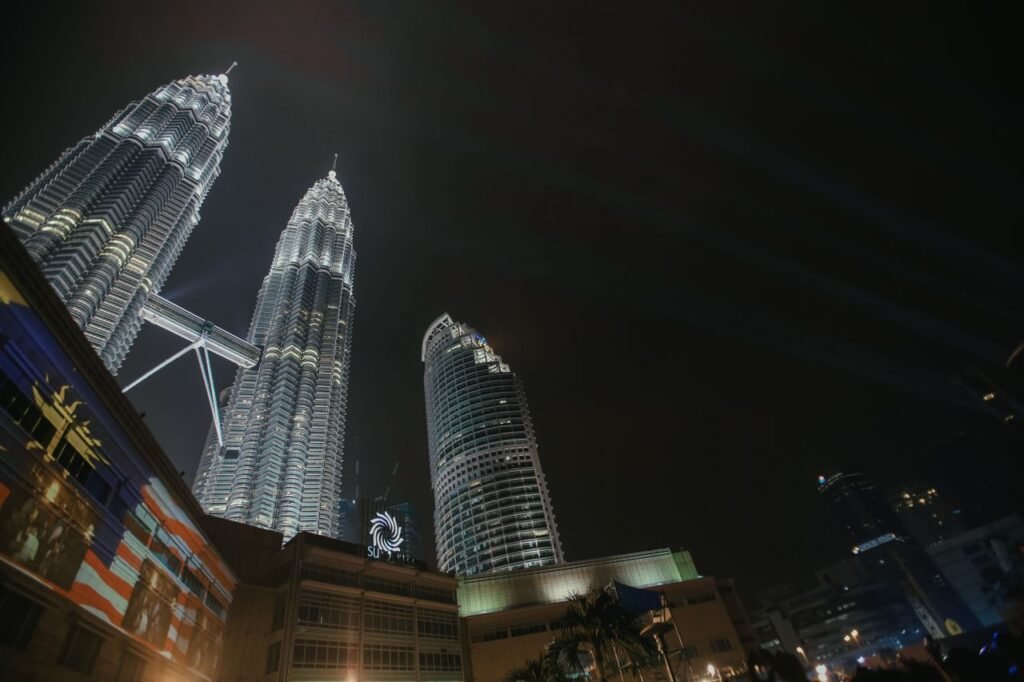
Tourists are drawn to Malaysia mainly for its low cost of travel, multicultural food and heritage, easy visa access for most nationalities, tropical islands paired with rainforest and modern skylines in one country, and a sense of safety and infrastructure that’s a step up from some regional neighbors. Add in aggressive government promotion through the Visit Malaysia campaign, and you get a country punching well above its size in visitor numbers.
We’ll go through each of these in detail below — including where Malaysia genuinely disappoints people, because no destination is a perfect fit for every traveler. If you’re still deciding where in Malaysia to base your trip, our guide to the most visited place in Malaysia is a good next stop.
1. Affordable Travel Without Feeling Cheap
Malaysia sits in an unusual sweet spot: prices closer to Vietnam or Indonesia, but infrastructure and service quality closer to Singapore. You’re not sacrificing much to save money.
Malaysia Budget Breakdown (Daily, Per Person)
| Travel Style | Daily Budget (MYR) | Approx. USD | What’s Included |
|---|---|---|---|
| Backpacker | RM 120–180 | $26–39 | Hostel dorm, street food, public transport |
| Mid-range | RM 250–400 | $54–86 | Private room, mix of hawker/restaurant meals, Grab rides |
| Comfort | RM 500+ | $108+ | 3–4 star hotel, restaurant dining, private tours |
To put real numbers on it: we paid roughly RM12 (about $2.60) for a plate of char kway teow at a hawker stall, and a 20-minute Grab ride across central KL rarely broke RM15 ($3.25). Compare that to DOSM’s finding that domestic tourism spending alone hit RM121.3 billion in 2025, up 13.6% from the year before — a sign of how much economic activity is baked into Malaysia’s affordability story, not despite it.
For a country-by-country cost comparison, our top 3 places to visit in Malaysia piece breaks down how prices shift between KL, Penang, and Langkawi.
2. A Genuinely Multicultural Food and Culture Scene
This is the claim every Malaysia article makes, but it’s worth being specific about why it holds up. Malaysia’s population is roughly 70% Malay/Bumiputera, 23% Chinese, and 7% Indian, and that mix shows up on every street — not as a tourist gimmick, but as daily life. You can eat nasi lemak for breakfast, dim sum for lunch, and banana leaf rice for dinner within walking distance of each other in most cities.
Dishes tourists come to try
- Nasi lemak — coconut rice, sambal, anchovies, egg; the unofficial national dish
- Char kway teow — wok-fried flat noodles, a Penang street food staple
- Roti canai — flaky flatbread served with curry, usually eaten for breakfast
- Laksa — spicy noodle soup with regional variations (Penang, Sarawak, Johor all differ)
- Satay — grilled skewers with peanut sauce, sold at night markets nationwide
Kuala Lumpur’s food scene isn’t just a local favorite — it was named among Asia’s best food destinations in the Tripadvisor Travellers’ Choice “Best of the Best” awards, alongside the Petronas Twin Towers being recognized as one of the region’s top attractions and Langkawi’s Pantai Cenang making the list of Asia’s best beaches.
Festivals that turn a trip into a cultural experience
Malaysia’s multi-religious makeup means its festival calendar is unusually dense. Hari Raya Aidilfitri (end of Ramadan), Chinese New Year, Deepavali, and Christmas are all major public holidays — and each comes with open houses, night markets, and neighborhood decorations that tourists can walk right into. Timing a trip around one of these (Chinese New Year in KL’s Petaling Street or Deepavali in Brickfields, for example) adds a layer most visitors don’t plan for but end up mentioning as a trip highlight.
3. Easy Visa Access and Improving Connectivity
Malaysia offers visa-free entry to a long list of nationalities for stays typically between 30 and 90 days (check current rules for your passport before booking, since these change). China’s visa-free arrangement in particular has had a measurable effect: HSBC reported Chinese visitor numbers in Malaysia running 20% above 2019 levels, supported by the visa waiver, improved safety perceptions, and direct flight capacity now 50% above pre-pandemic levels.
Connectivity within the region is also improving. The Rapid Transit System (RTS) linking Johor Bahru and Singapore is slated to open by December 2026, expected to carry up to 10,000 passengers per hour in each direction — a meaningful upgrade for the huge cross-border traveler flow between the two countries (Singapore alone contributed 8.34 million visitors to Malaysia in just the first five months of 2025).
Kuala Lumpur International Airport (KLIA) has also expanded its direct route network in recent years, which matters more than it sounds like — a country is only as accessible as its flight connections, and Malaysia’s growing web of direct routes to China, India, the Middle East, and Australia is a big part of why it’s easier than ever to reach without a layover in Singapore or Bangkok first.
4. Islands, Rainforest, and Skyline — All in One Country
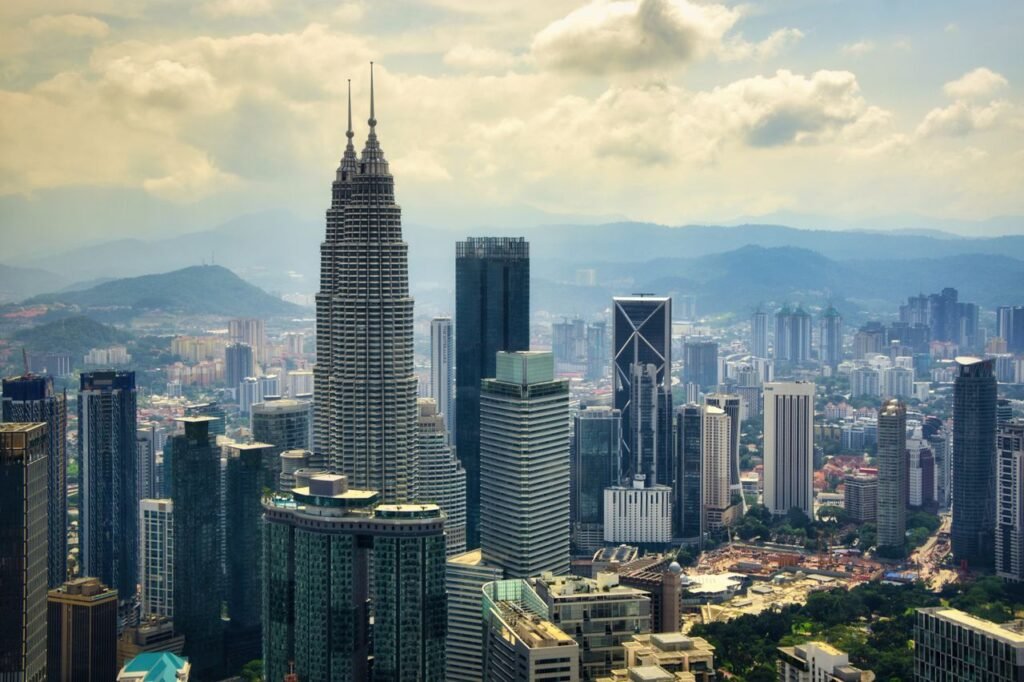
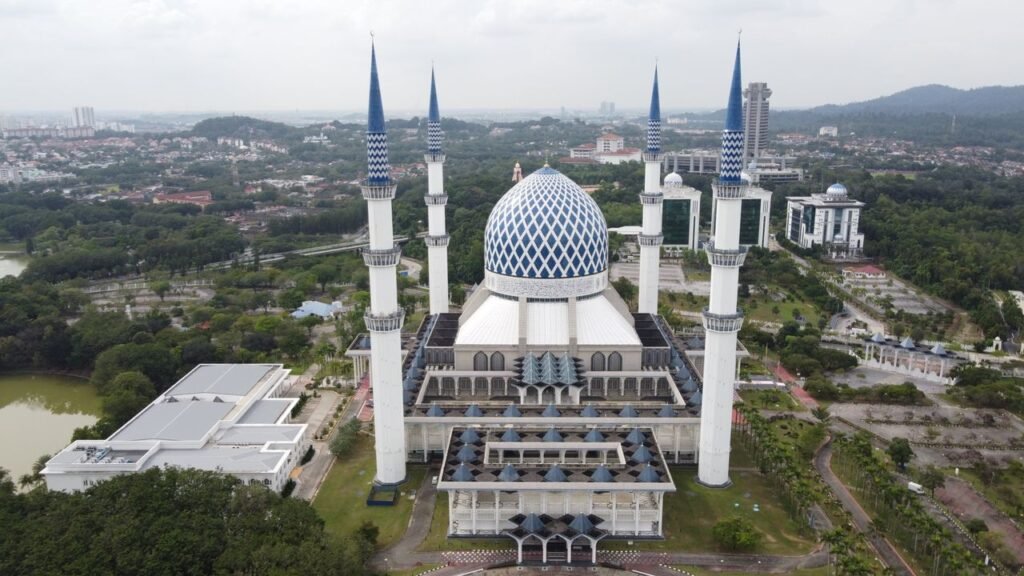
Few countries let you go from glass-tower skyline to rainforest canopy to white-sand beach in the same week without multiple flights. Malaysia does. Kuala Lumpur delivers the modern-city experience; Borneo (Sabah and Sarawak) delivers rainforest, orangutans, and diving; Langkawi and the Perhentian Islands deliver the beach half of the trip.
That range is exactly what’s earning Malaysia recognition on lists like Tripadvisor’s 2026 awards, and it’s a genuine structural advantage over destinations that are strong in only one of those categories. For a closer look at which city delivers the best mix of scenery and culture, see our breakdown of the most beautiful city in Malaysia.
5. A Safe, English-Friendly Destination That's Easy to Navigate
This one doesn’t show up on postcards, but it’s a real reason repeat visitors keep coming back. English is widely spoken in cities and tourist areas as a legacy of British colonial administration, road signage is bilingual, and the country’s healthcare system — particularly in KL and Penang — is considered strong enough that Malaysia has built an actual medical tourism industry around it. For a first-time visitor to Southeast Asia, that combination lowers the friction most people worry about before booking: getting lost, being misunderstood, or not knowing where to go if something goes wrong.
None of this means Malaysia is risk-free — no destination is — but relative to some neighboring countries, the language barrier and infrastructure gaps that trip up first-time travelers elsewhere are less pronounced here.
How Malaysia Compares to Its Regional Neighbors
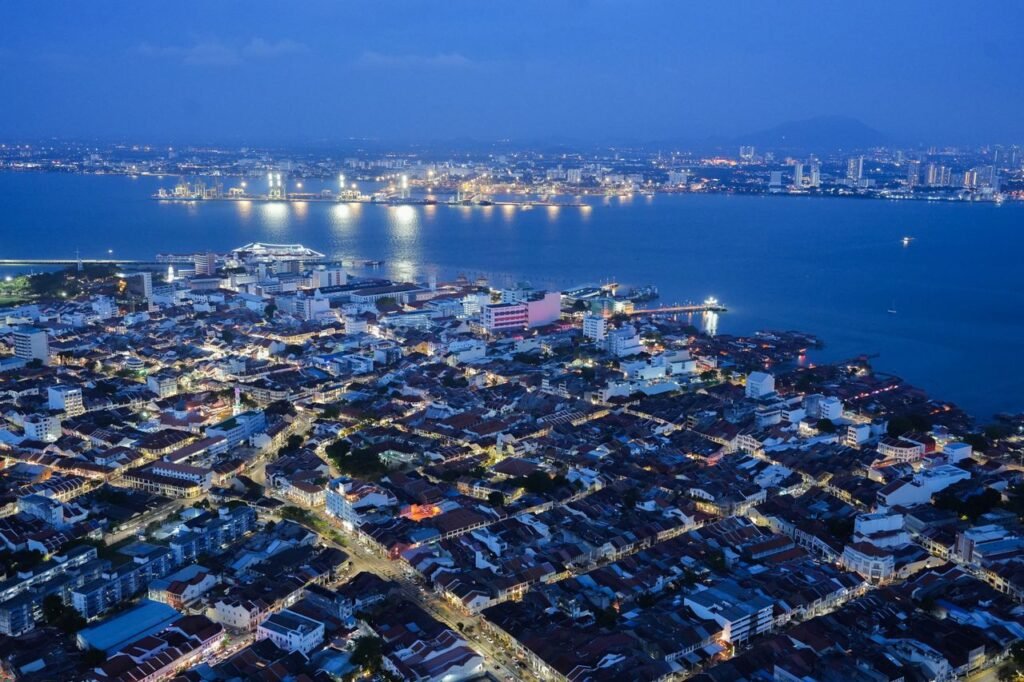
Most people reading this aren’t deciding between Malaysia and staying home — they’re deciding between Malaysia and Thailand, Vietnam, or Indonesia. Here’s a straightforward comparison based on what each is generally known for:
| Country | Strongest For | Weaker For |
|---|---|---|
| Malaysia | Food diversity, ease of travel, single-country variety (city/island/rainforest) | Nightlife, headline “bucket list” landmarks |
| Thailand | Beach nightlife, temples, tourism infrastructure at scale | Rising overtourism in hotspots (Bangkok, Phuket) |
| Vietnam | Value pricing, dramatic landscapes (Ha Long Bay, Sapa) | Language barrier outside tourist zones |
| Indonesia | Bali’s specific brand of beach/wellness tourism | Domestic travel logistics across 17,000 islands |
Malaysia’s growth (up 11.2% in 2025) against Thailand’s decline (down 7.2% the same year, its first annual drop in a decade outside the pandemic) suggests Malaysia is currently absorbing travelers who might have defaulted to Thailand a few years ago — worth knowing if you’re weighing the two.
Pros & Cons — Is Malaysia Right for Your Trip?
| Pros | Cons |
|---|---|
| Strong value for money vs. quality of infrastructure | Haze season (typically Jul–Oct) can affect air quality and visibility |
| Food variety unmatched by most single countries in the region | Public transport outside KL/Penang can be limited |
| Wide visa-free access for many passports | Hot and humid nearly year-round — not ideal for heat-sensitive travelers |
| Islands, cities, and rainforest reachable without long domestic flights (peninsula) | East Malaysia (Borneo) requires separate flights and adds cost/time |
Best Time to Visit Malaysia
Malaysia’s monsoon pattern splits by coast, which most generic guides gloss over:
- West coast Peninsula (KL, Penang, Langkawi): Driest Dec–Feb; wettest Sep–Nov
- East coast Peninsula (Perhentian, Tioman): Best Mar–Oct; many resorts close Nov–Feb due to monsoon
- Borneo (Sabah/Sarawak): Relatively wet year-round, but Mar–Oct is generally calmer
If your itinerary spans both coasts, there’s no single “perfect month” — plan around whichever coast you’re prioritizing.
Common Mistakes Tourists Make in Malaysia

- Underestimating KL’s traffic and transit time — distances that look short on a map can take 45+ minutes by road at peak hours.
- Assuming Malaysia has Thailand’s nightlife scene — it doesn’t, and expecting it leads to disappointment; Malaysia’s appeal is food, culture, and nature, not bar culture.
- Ignoring dress norms at religious sites — mosques and some temples expect covered shoulders/knees; carrying a scarf or sarong solves this.
- Not budgeting separately for East Malaysia — Sabah and Sarawak require domestic flights from the peninsula and should be treated as a separate leg of the trip, not a day excursion.
- Skipping travel insurance because “it’s a safe country” — safety perception isn’t the same as risk elimination; standard travel insurance is still worth the cost for medical coverage and trip disruptions.
- Overpacking the itinerary — trying to cover KL, Penang, Langkawi, and Borneo in one week leads to more transit time than actual sightseeing; pick two or three regions per trip.
Pro Travel Tips

- Use Grab instead of street taxis — fixed pricing avoids negotiation and overcharging.
- Get a local eSIM or SIM on arrival; connectivity is reliable and cheap, and most bookings assume you’re online.
- Download a local e-wallet (Touch ‘n Go eWallet is the most widely accepted) — many hawker stalls and parking systems are cashless.
- KL’s LRT/MRT network is easy to use once you have a rechargeable transit card — buy one on day one rather than single-trip tickets each time.
- Book East Malaysia (Sabah/Sarawak) flights early — routes to Kota Kinabalu and Kuching are more limited than peninsula routes and fill up faster around school holidays.
- Carry small cash alongside your e-wallet — some hawker stalls and rural areas still prefer it, even as cashless payment spreads quickly in cities.
Who Should Choose Malaysia
- First-time Southeast Asia visitors: Malaysia is one of the easiest entry points — English is widely spoken, infrastructure is reliable, and the food scene alone justifies the trip.
- Budget backpackers: Strong value, especially outside peak tourist zones like Langkawi resorts.
- Families: KL and Penang are stroller/child-friendly with reliable healthcare access.
- Beach-first travelers: Malaysia’s islands are excellent but consider Thailand or Indonesia if beach nightlife specifically is the priority.
- Digital nomads: Affordable cost of living, decent connectivity, and increasingly nomad-friendly visa options make it a strong base.
Frequently Asked Question
What is Malaysia most famous for with tourists?
Malaysia is best known for its multicultural food scene, the Petronas Twin Towers in Kuala Lumpur, and island destinations like Langkawi — all recognized in Tripadvisor's 2026 Travellers' Choice awards.
Is Malaysia cheaper than Thailand for tourists?
Malaysia is often slightly cheaper for accommodation and transport, while food costs are broadly comparable between the two countries.
How many tourists visit Malaysia each year?
Malaysia recorded 42.2 million international visitors in 2025, up 11.2% from 38 million in 2024, according to Tourism Malaysia.
Is Malaysia safe for tourists?
Malaysia is generally considered safe for tourists, with standard travel precautions recommended in busier city areas as in any large city.
What is the best time of year to visit Malaysia?
It depends on the coast: December to February is driest on the west coast (KL, Penang, Langkawi), while March to October is best for the east coast islands.
Do I need a visa to visit Malaysia?
Many nationalities can enter Malaysia visa-free for 30 to 90 days, but requirements vary by passport, so check current rules before booking.
What language do tourists need to know in Malaysia?
English is widely spoken and used on most signage, so tourists can generally get by without learning Malay.
Is Malaysia good for a first Southeast Asia trip?
Yes — Malaysia's combination of English-language ease, reliable infrastructure, and food and cultural variety makes it one of the more approachable first stops in the region.