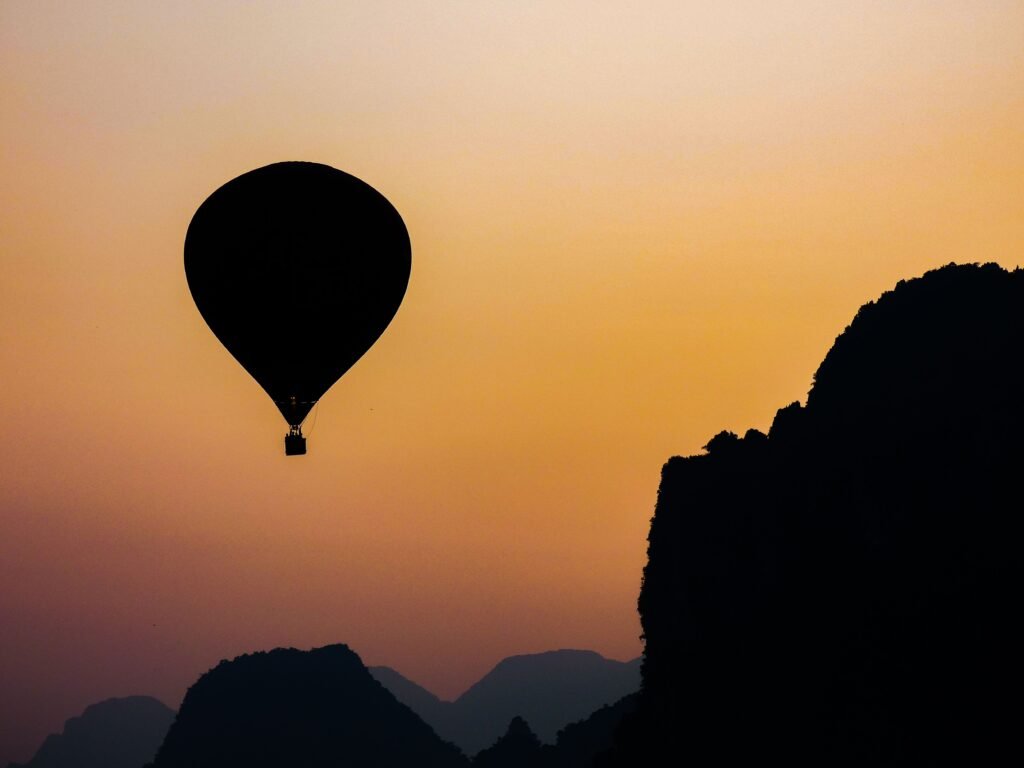
Vang Vieng has a reputation problem. Say the name to anyone who backpacked through Southeast Asia a decade ago and you’ll probably get a raised eyebrow and a story about buckets of Lao whisky and rope swings into a muddy river. Say it to someone who visited in the last year or two, and you’ll hear something completely different: limestone karst mountains wrapped in morning mist, turquoise lagoons, hot air balloons drifting over rice paddies at sunrise.
Both versions are true, just at different points in time. We spent [X] days in Vang Vieng in [Month, Year], splitting our time between the river, the viewpoints, and the caves outside town, and this guide is built around what we actually found — not the recycled “top 10 things to do” version you’ll see on every other site. We’ll cover what it costs, when to go, which Blue Lagoon is actually worth your time (there are more than one, and almost nobody explains that clearly), and the safety information you genuinely need before you get there.
Table of Contents
ToggleWhat Is Vang Vieng Known For?
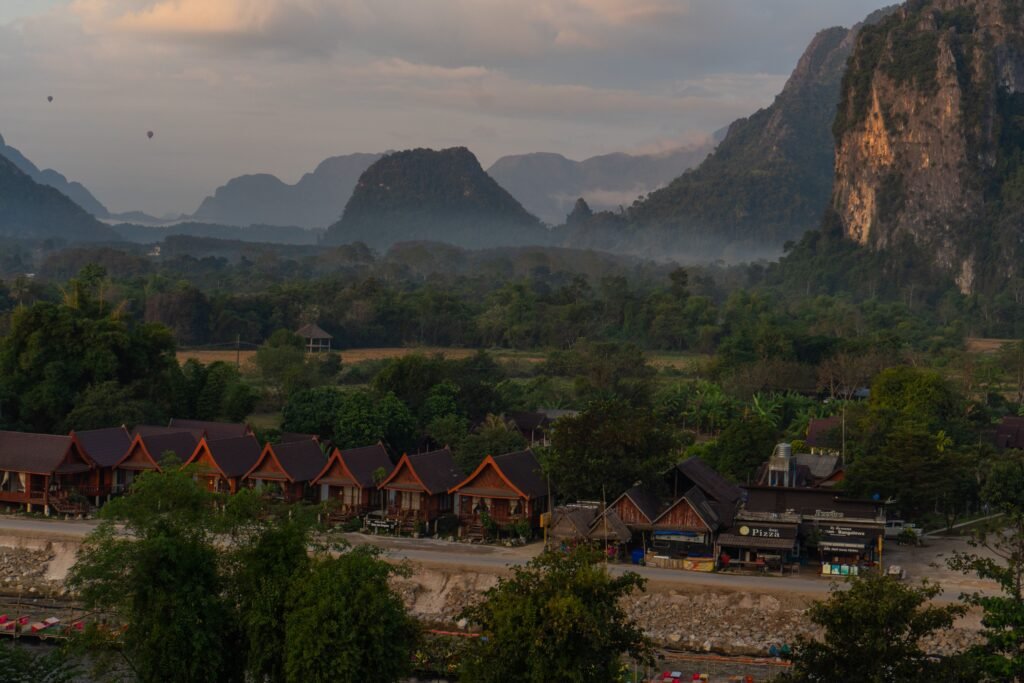
Vang Vieng is a small town in central Laos, roughly halfway between the capital Vientiane and the old royal city of Luang Prabang, best known for river tubing on the Nam Song River, a cluster of turquoise “Blue Lagoons” fed by underground springs, dramatic limestone karst scenery, and a growing hot-air-balloon and viewpoint-hiking scene. It built an early reputation as Southeast Asia’s rowdiest backpacker party stop, but a series of safety crackdowns and a genuine shift in what’s on offer have turned it into more of an adventure-and-nature destination that happens to still have a solid nightlife scene if you want one.
What actually surprised us was how much of Vang Vieng’s appeal has nothing to do with the river at all. The town sits in a valley ringed by karst peaks that look almost painted on, and a fair number of travelers now come through primarily for the hiking and photography rather than the tubing scene it’s historically been known for. That shift matters if you’re deciding whether Vang Vieng fits your trip — it’s no longer a one-note party stop, and treating it that way means missing most of what makes it worth the detour.
How Many Days Do You Need in Vang Vieng?
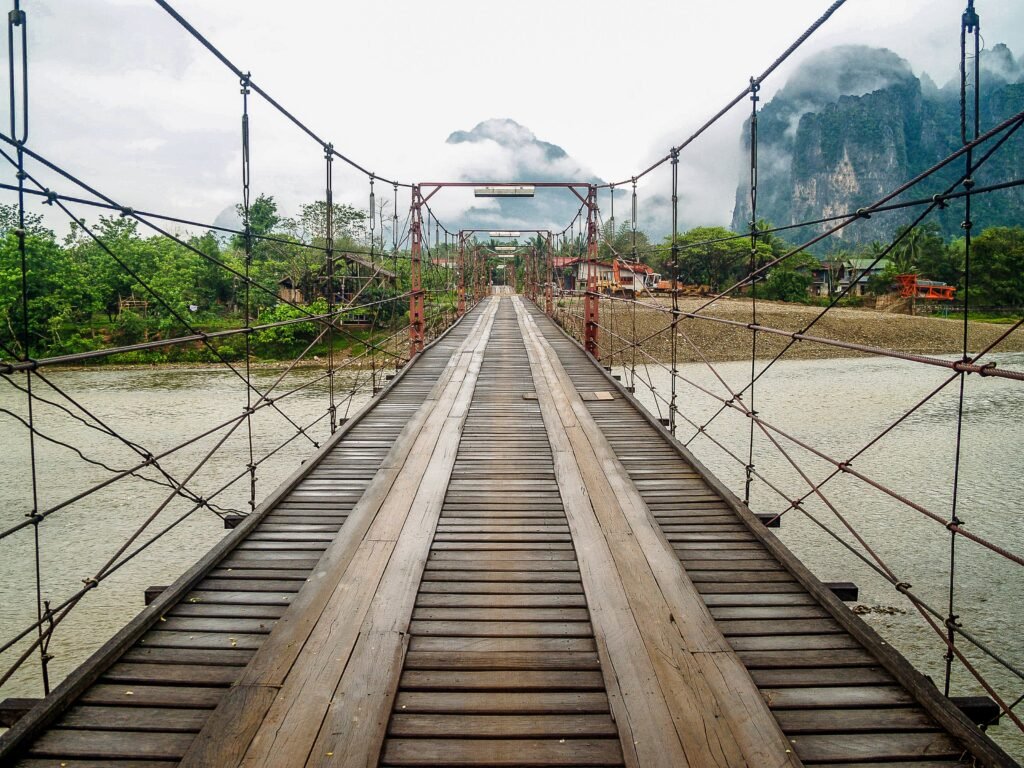
This depends entirely on how much of the outdoor stuff you want to pack in, and whether you’re treating Vang Vieng as a one-stop adventure hub or a quick stopover between Vientiane and Luang Prabang.
| Days | Best For | What You’ll Realistically Fit In |
|---|---|---|
| 1 day | Bus/train stopovers, tight itineraries | One viewpoint hike or one Blue Lagoon, plus a short tubing session |
| 2–3 days | Most travelers — our recommendation | Tubing, 1–2 Blue Lagoons, a sunrise or sunset viewpoint, one cave |
| 4+ days | Slow travel, digital nomads, photographers | Everything above plus hot air balloon ride, kayaking, and time to actually relax by the river |
Best Time to Visit Vang Vieng

Laos runs on two seasons that matter for Vang Vieng specifically: a dry season that’s best for tubing, viewpoints, and clear karst views, and a wet season that turns the countryside a deeper green but can shut down river activities entirely for stretches.
| Season | Months | What to Expect |
|---|---|---|
| Dry / Cool Season | November – February | Best overall window. Clear skies, comfortable temperatures, ideal for tubing, hiking, and ballooning. Also the busiest and priciest period. |
| Hot Season | March – May | Very hot by midday, still dry enough for tubing and lagoons. Good if you don’t mind the heat and want fewer crowds than peak season. |
| Wet / Green Season | June – October | Lush scenery, fewer tourists, lower prices, but the Nam Song River can run high and fast — tubing operators sometimes pause or shorten routes, and some lagoon roads turn to mud. |
How to Get to Vang Vieng
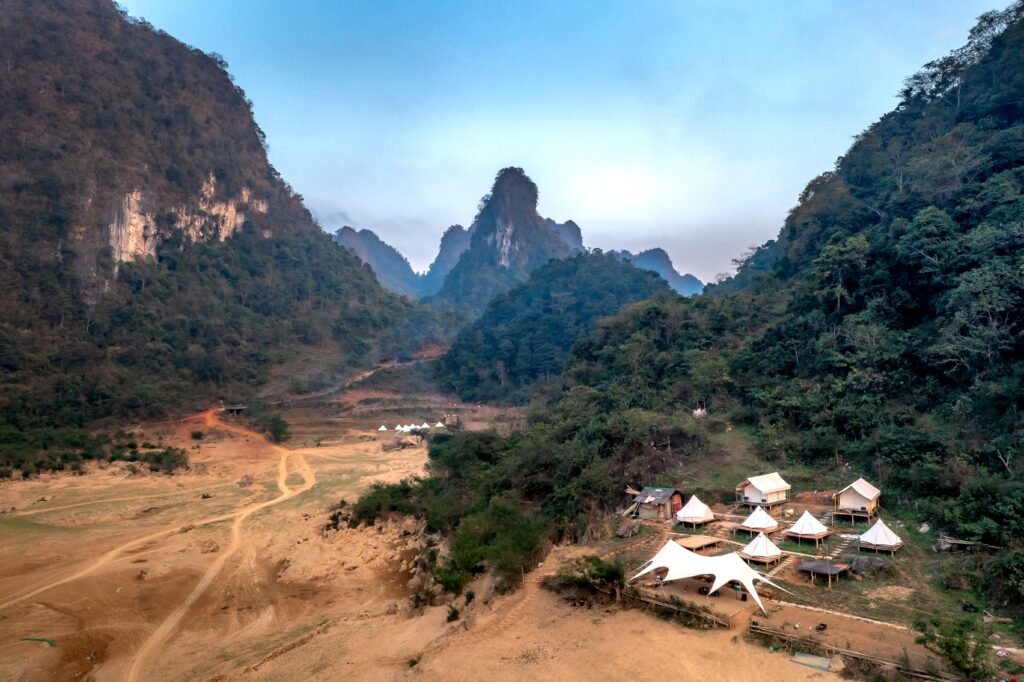
From Vientiane: The fastest option is the Laos–China Railway high-speed train, which covers the route in around an hour. Minivans and VIP buses also run regularly and take roughly 3–4 hours by road, depending on traffic and stops.
From Luang Prabang: The same high-speed rail line connects Luang Prabang to Vang Vieng in about an hour, which has largely replaced the old 6–7 hour minivan ride over the mountains for anyone who values their time (or their stomach — that road has a reputation).
Booking tip: Train tickets can sell out during peak season and holidays, so we’d book at least a day or two ahead rather than assuming you can walk up and buy a same-day ticket, especially around Lao and Chinese public holidays.
A quick note on the train versus the road: the high-speed rail line is faster and far more comfortable, but it drops you at a station that sits a short distance outside central Vang Vieng, so you’ll usually need a short tuk-tuk transfer into town on arrival — factor a few extra minutes and a small fare into your plans. The minivan and bus options, while slower, tend to drop you directly in the town center, which can be more convenient if you’re arriving with heavy luggage or arriving late in the day when transfer options near the station are limited.
What It Actually Costs
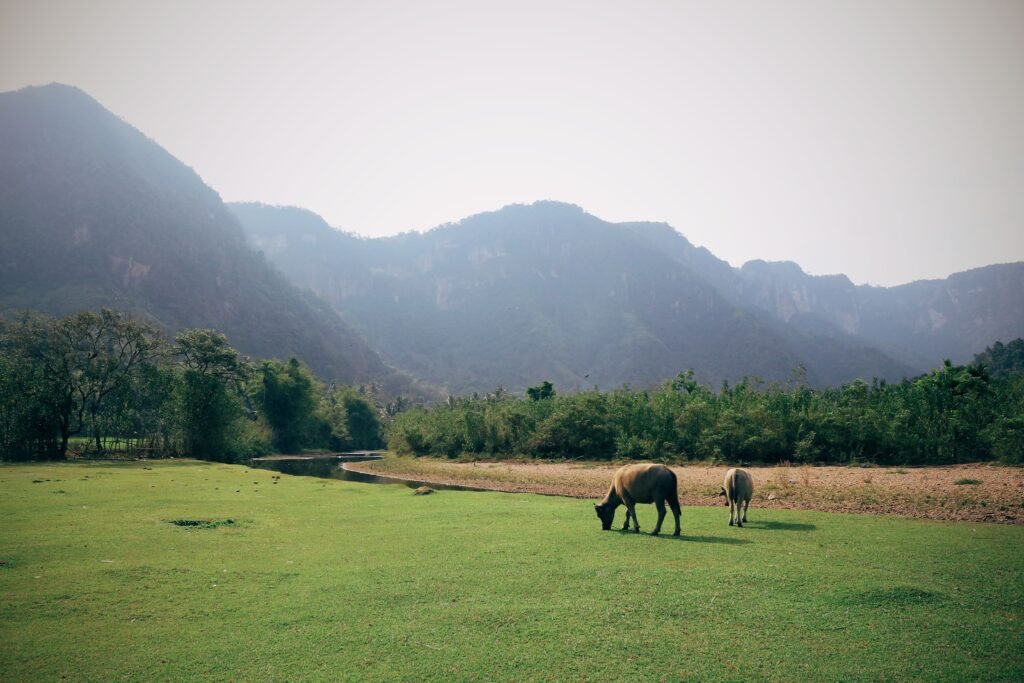
Prices in Vang Vieng are still low by international standards, but they add up fast once you’re paying entry fees at multiple lagoons and viewpoints, plus tuk-tuk fares to get between them. Here’s a realistic daily breakdown by travel style.
| Category | Backpacker | Mid-Range |
|---|---|---|
| Accommodation | Dorm bed or basic guesthouse | Private hotel room, river view |
| Food | Local noodle shops, street food | Mix of local and Western/riverside restaurants |
| Activities | 1 lagoon + tubing + 1 free viewpoint | Multiple lagoons + tubing + guided tour |
| Transport (local) | Shared tuk-tuk, bicycle rental | Motorbike or private tuk-tuk |
Sample Individual Costs
| Item | Approx. Cost (LAK) | Approx. USD |
|---|---|---|
| Tube rental (includes tuk-tuk to start point) | ~60,000 kip | ~$3 |
| Tube deposit (refundable, return before ~6–8pm) | ~60,000 kip | ~$3 |
| Blue Lagoon 1 entry | ~20,000 kip | ~$1 |
| Blue Lagoon 3 entry | ~30,000 kip | ~$1.50 |
| Blue Lagoon 4 entry | ~20,000 kip | ~$1 |
| BeerLao (local restaurant) | 10,000–15,000 kip | ~$0.50–0.75 |
| Local tuk-tuk ride (short hop) | 10,000–20,000 kip | ~$0.50–1 |
Top Things to Do in Vang Vieng
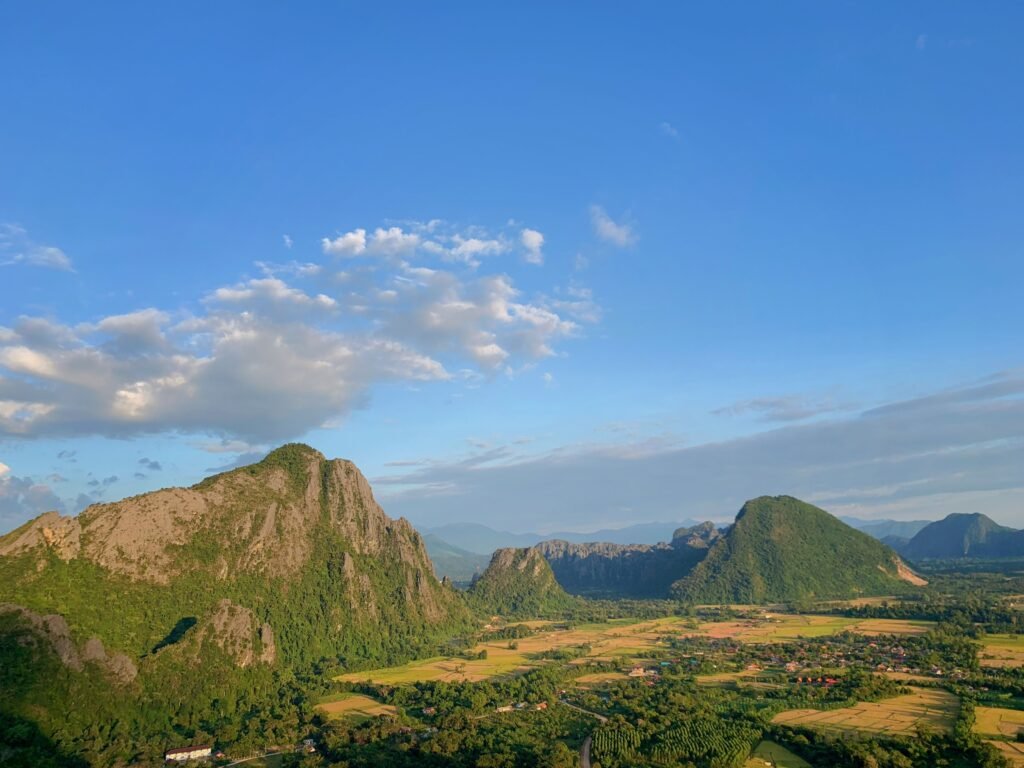
The Blue Lagoons — Which One Should You Actually Visit?
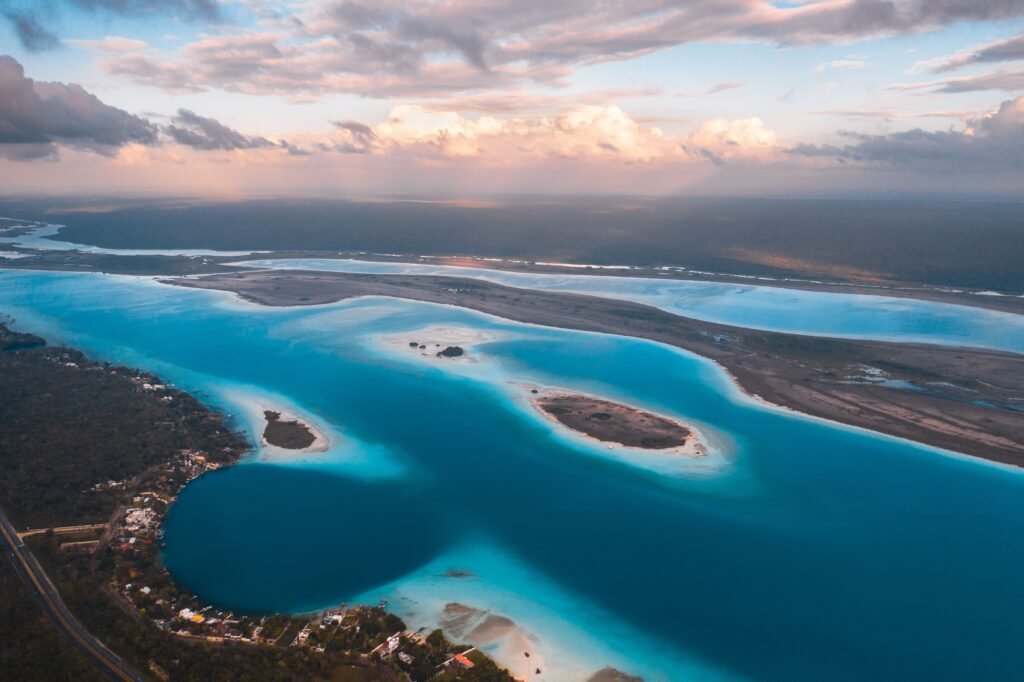
This is the part almost every other guide gets wrong. “Blue Lagoon” isn’t one place — there are at least four numbered lagoons scattered around Vang Vieng, each with its own access road, entry fee, and personality. Picking the wrong one can mean a bumpy 45-minute motorbike ride to a spot that’s packed with tour buses when you were hoping for something quiet.
| Lagoon | Distance from Town | Entry Fee | Crowd Level | Best For |
|---|---|---|---|---|
| Blue Lagoon 1 | ~7 km | ~20,000 kip | High — closest and most commercial | First-timers, easy access, rope swing and cave nearby |
| Blue Lagoon 3 | ~16 km | ~30,000 kip | Low — most scenic, favored by independent travelers | Photographers, anyone wanting a quieter swim |
| Blue Lagoon 4 | ~13–18 km | ~20,000 kip | Very low — least visited | Rope swing, flying fox, combining with cave tours |
River Tubing on the Nam Song
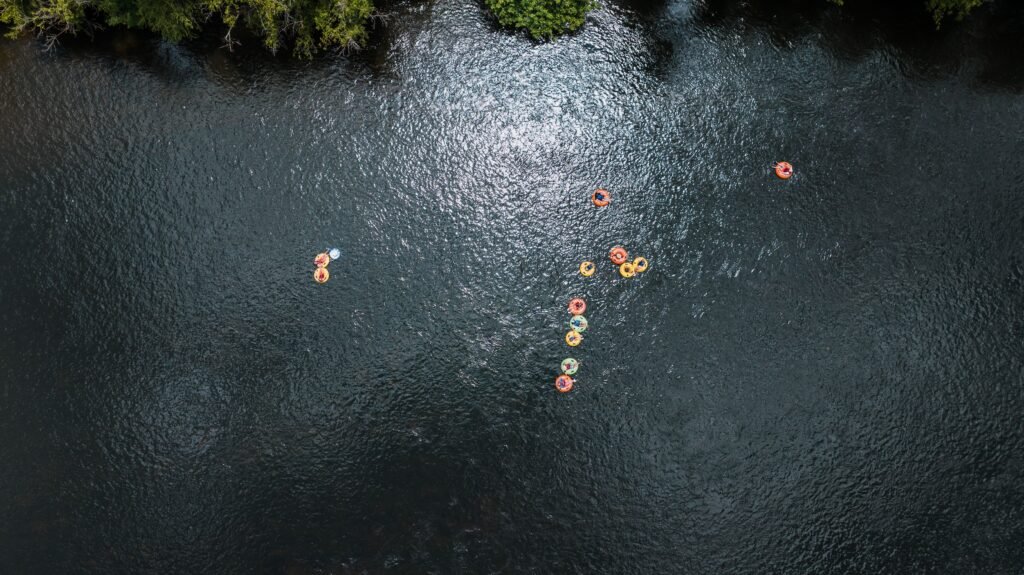
Tubing is still the activity Vang Vieng is best known for, and it’s changed a lot from its wildest years. You’ll rent a tube in town (around 60,000 kip, plus a refundable deposit of roughly the same amount), get driven upstream by tuk-tuk, and float back down toward town over 2–3 hours, passing a handful of riverside bars along the way if you want to stop. Life jackets are provided, and you’re expected to return the tube before the early evening cutoff or forfeit your deposit.
A few practical notes that aren’t always obvious before you go: the tubing office will usually ask for your passport number (not the physical document) as a form of ID before renting, and if your group is smaller than four people, some operators charge a small extra fee to send the tuk-tuk out before it’s full. Once you’re on the water, the current does most of the work — you don’t need to paddle unless you want to steer toward a bar or the bank — and the route is calm enough in dry season that swimming ability matters less than most people assume, though a life jacket is still non-negotiable.
If you’d rather skip the bar-hopping altogether, it’s completely normal to float the whole route without stopping once — plenty of travelers use tubing purely as a scenic, low-key way to see the valley from a different angle rather than as a pub crawl.
Pha Ngern & Nam Xay Viewpoints
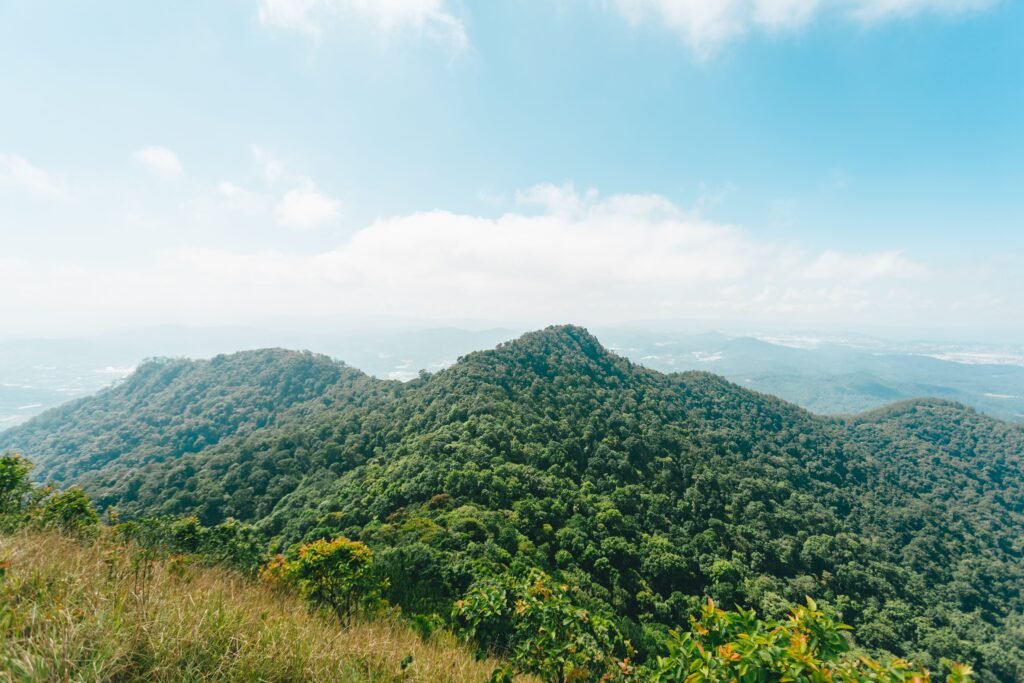
Both are short but steep hikes up to platforms overlooking the whole valley, and both are best done at sunrise or sunset when the light hits the karsts. Expect a scramble in parts — proper shoes help.
Tham Chang Cave
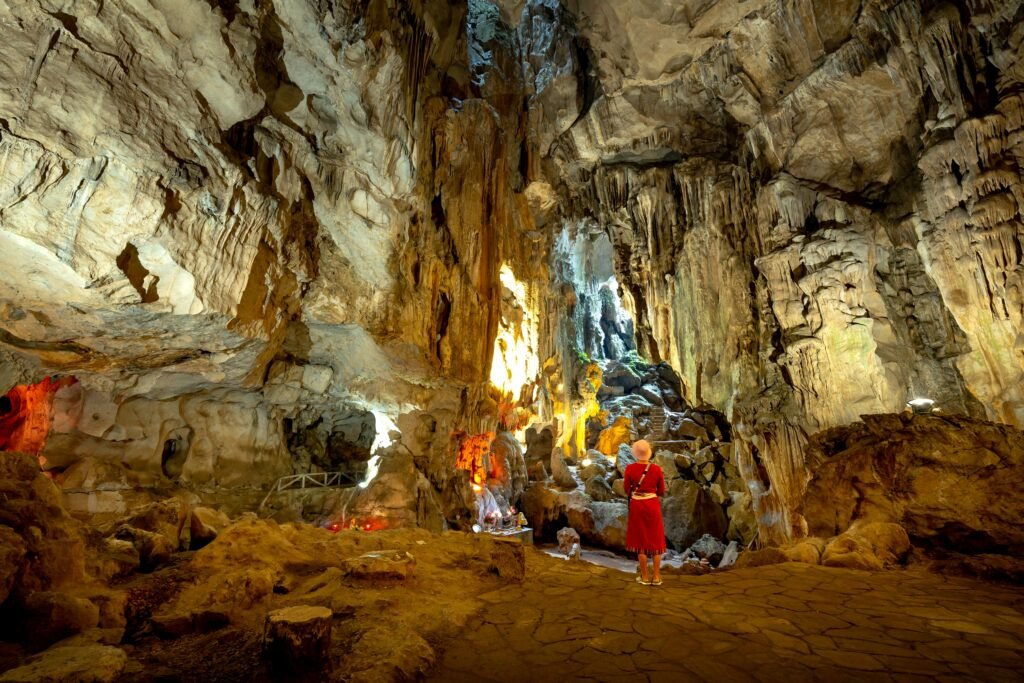
One of the more accessible caves near town, with a lit interior path and a small entry fee. A good option on a hot afternoon or a rainy-season day when the lagoons and river aren’t at their best.
Hot Air Balloon Rides

Sunrise balloon flights over the rice paddies and karsts are one of the most photographed experiences in Vang Vieng, weather permitting. Flights are weather-dependent and can be cancelled at short notice in wet or windy conditions, so it’s worth building a spare morning into your plans if this is a priority.
Kayaking & Cave-Combo Tours
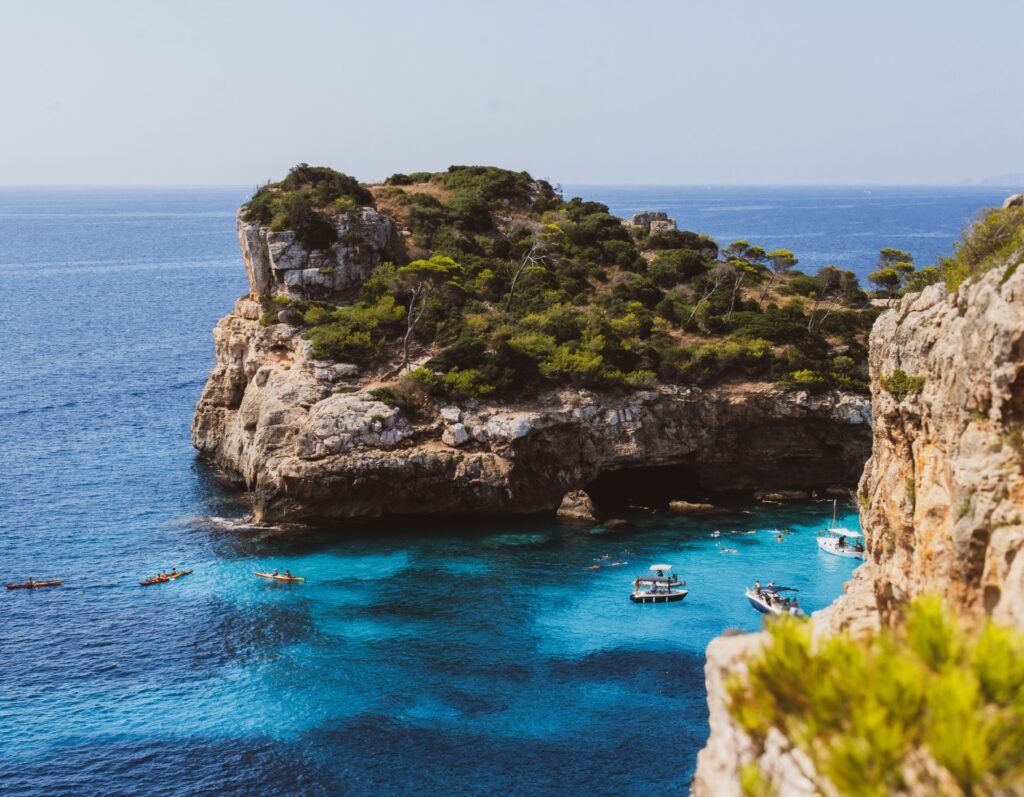
Several operators bundle kayaking on the Nam Song with a cave visit and sometimes a lagoon stop, which is a good way to cover more ground in a single day if you’re short on time.
Where to Stay in Vang Vieng
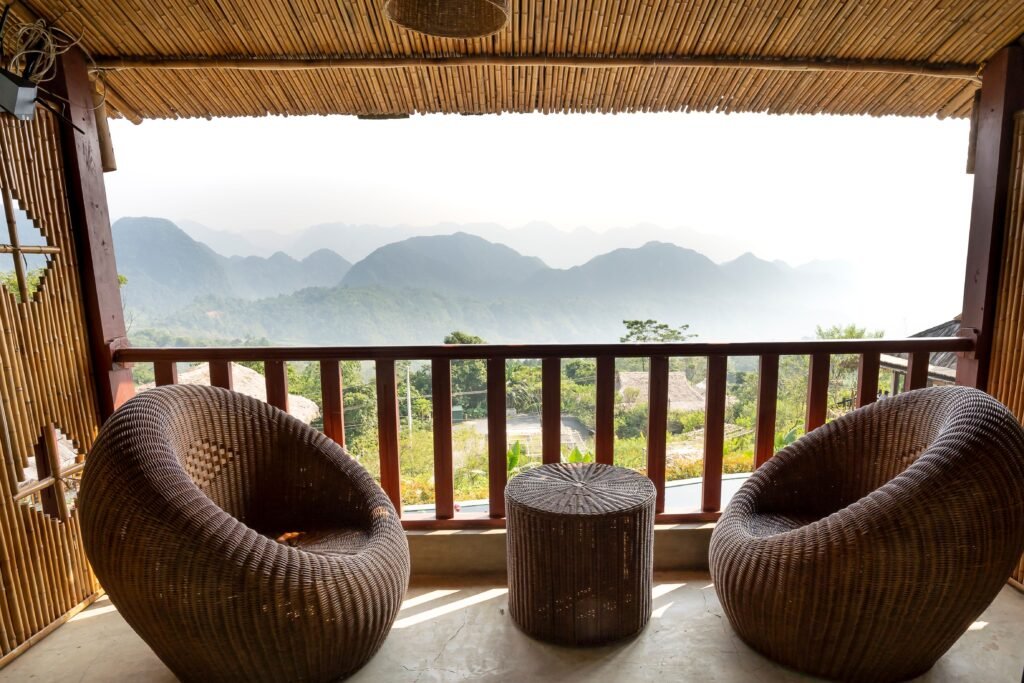
Most travelers choose between two areas: right along the river, where guesthouses and hotels look out at the karsts and you’re a short walk from tubing and the sunset bars, or in the town center, which puts you closer to restaurants, the night market, and transport but further from the view.
Budget dorms and basic guesthouses cluster around the main tourist strip; mid-range and boutique riverside hotels tend to sit a little further out, which also means a quieter night’s sleep if the party scene isn’t what you’re after.
Vang Vieng Safety — What You Actually Need to Know
The 2024 Methanol Poisoning Incident: What Changed
In November 2024, several foreign tourists in Vang Vieng died after consuming drinks believed to have been contaminated with methanol, a case that received extensive international news coverage and prompted travel advisories from multiple governments. This is not a rumor or an outdated backpacker legend — it’s a documented incident, and it’s worth understanding rather than glossing over.
Drink & Alcohol Safety Rules to Follow
- Stick to sealed, brand-name bottled drinks and beer rather than homemade spirits, unlabeled shots, or “free” cocktails offered at bars
- Watch your drink being opened or poured where possible
- Be especially cautious with anything described as “Lao whisky” or house-mixed spirits from unfamiliar bars
- If a drink tastes off in any way, don’t finish it
River & Tubing Safety
- Wear the life jacket provided — don’t skip it because it feels unnecessary on a calm stretch of river
- Check conditions with the tubing office before heading out, especially outside the November–May window
- Don’t jump or dive from platforms into water you can’t see the bottom of
- Return your tube on time — river conditions change and staff need tubes back before dark for a reason beyond just your deposit
None of this is meant to scare you off Vang Vieng — thousands of travelers pass through safely every month — but going in with accurate, current information is exactly the kind of preparation that keeps a fun trip fun.
General Health & Practical Safety
- Travel insurance that covers adventure activities (tubing, kayaking, motorbiking) is worth checking for specifically — some standard policies exclude these unless you add them
- If you’re riding a motorbike, an international driving permit and a proper helmet matter more than convenience — local traffic norms take some adjusting to
- Basic road rash and cut care supplies are worth packing given the gravel roads out to the lagoons
- Sun and heat exposure add up quickly on both tubing days and viewpoint hikes — carry more water than you think you’ll need
Pros & Cons of Visiting Vang Vieng
| Pros | Cons |
|---|---|
| Stunning karst scenery, some of the best in Laos | Blue Lagoon 1 and central tubing areas can feel touristy and crowded in peak season |
| Genuinely affordable — activities and food are cheap even by SE Asia standards | Lingering party-town reputation puts off some travelers who’d otherwise enjoy it |
| Easy to reach via the high-speed rail line from Vientiane or Luang Prabang | River-dependent activities can be limited or paused in wet season |
| Good mix of adrenaline (tubing, ballooning) and calm (lagoons, caves, viewpoints) | Safety incidents mean you need to be more deliberate about where and what you drink |
Common Mistakes to Avoid in Vang Vieng

- Assuming “Blue Lagoon” is one place. Picking a lagoon at random without checking distance and crowd level can waste half a day.
- Losing track of your tubing return time. Miss the cutoff and you lose your deposit — set a phone alarm before you get on the water.
- Drinking unlabeled or homemade spirits. Stick to sealed, recognizable brands.
- Underestimating sun exposure on the river. Several hours on open water with no shade adds up — sunscreen and a hat matter more than people expect.
- Skipping the viewpoints because they “sound like just another hike.” Pha Ngern and Nam Xay are short but genuinely worth the climb for the views alone.
Pro Travel Tips for Vang Vieng

- Rent a motorbike if you’re comfortable riding one — it’s by far the most efficient way to lagoon-hop and reach viewpoints on your own schedule
- Bring cash in kip; ATMs exist in town but aren’t everywhere you’ll need money, especially out at the lagoons
- Visit Blue Lagoon 1 early morning or late afternoon to dodge the tour-bus rush
- Buy a local SIM in Vientiane or Luang Prabang before arriving if you need reliable data — connectivity in Vang Vieng itself can be patchy
- Pack a dry bag for tubing and lagoon days — phones and cash don’t mix well with river water
Who Should Visit Vang Vieng
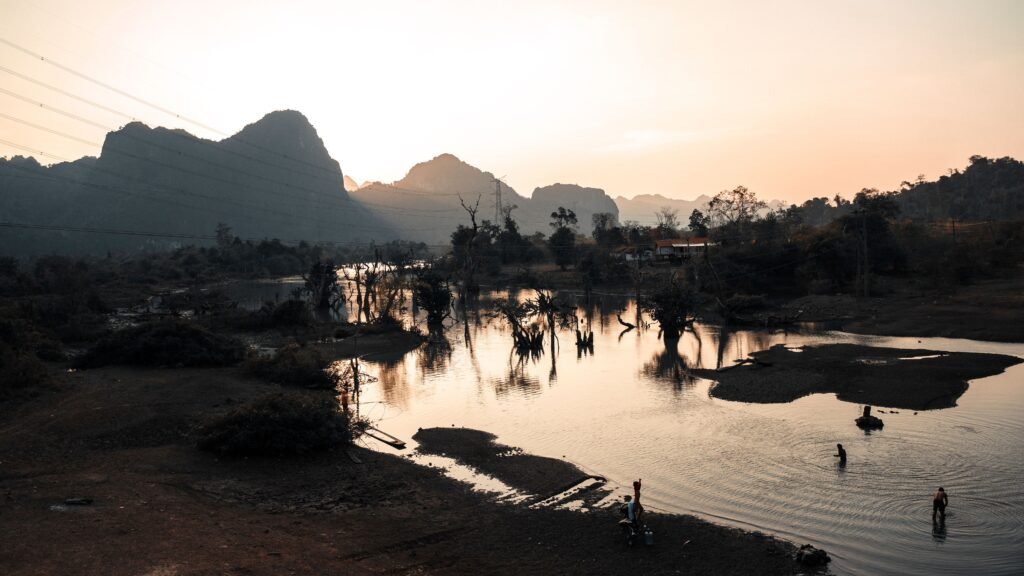
Adventure and nature travelers: Yes — this is exactly what Vang Vieng does best, and it’s hard to find this combination of easy adventure activities and dramatic scenery this cheaply anywhere else in the region.
Families with kids: Conditionally yes — daytime activities like the calmer lagoons and caves work well, but you’ll want to steer clear of the central tubing/bar strip in the evenings.
First-time solo travelers in Southeast Asia: Yes, with the safety notes above taken seriously — Vang Vieng is a well-worn stop on the backpacker route for a reason.
Travelers wanting pure relaxation with no adventure activities: Maybe skip it, or keep your stay short — you may get more out of Luang Prabang’s slower pace instead.
Vang Vieng vs. Luang Prabang: Which Should You Visit First?
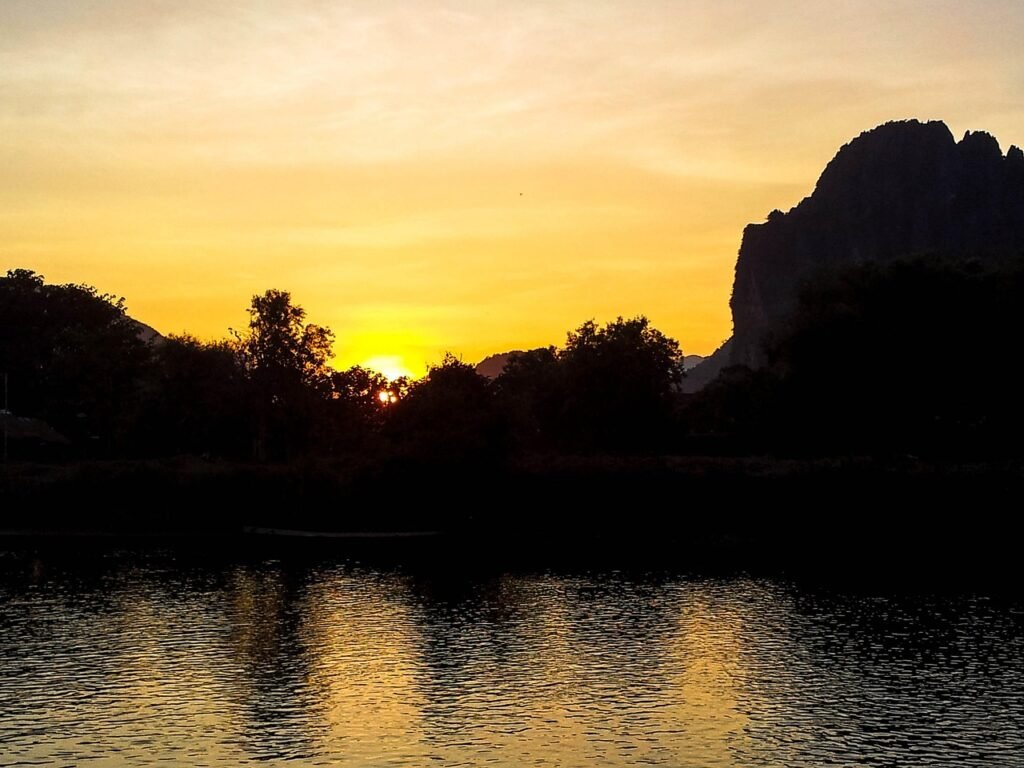
If you’re building a Laos route and can only fit one, it comes down to what kind of trip you want. Vang Vieng is built around outdoor activity — tubing, lagoons, hiking, ballooning — and rewards travelers who want to be active during the day. Luang Prabang is slower and more culturally focused, with its UNESCO-listed old town, morning alms-giving ritual, and night market built more around browsing than partying.
Most itineraries that include both put Vang Vieng in the middle of the route between Vientiane and Luang Prabang, which the high-speed rail line now makes easy to do without the long, winding bus rides that used to make this stretch a slog. If you only have time for one and prefer culture and a slower pace over adventure activities, lean toward Luang Prabang. If you want to be outdoors and active, Vang Vieng is the better fit.
Money, SIM Cards & Staying Connected

Laos runs on the Lao kip (LAK), and while some tour operators and guesthouses will quote prices in US dollars or Thai baht, you’ll get better value paying in kip for day-to-day spending like tuk-tuks, street food, and lagoon entry fees. ATMs are available in central Vang Vieng but charge a withdrawal fee each time, so it’s worth taking out larger amounts less often rather than making multiple small withdrawals.
For data, a local SIM card bought in Vientiane or Luang Prabang before you arrive tends to be cheaper and easier to set up than trying to find one in Vang Vieng itself, where the selection is more limited. Wi-Fi is generally available at guesthouses and restaurants along the main strip, but coverage can be patchy once you’re out at the lagoons or on a viewpoint trail, so download offline maps in advance.
What to Eat in Vang Vieng
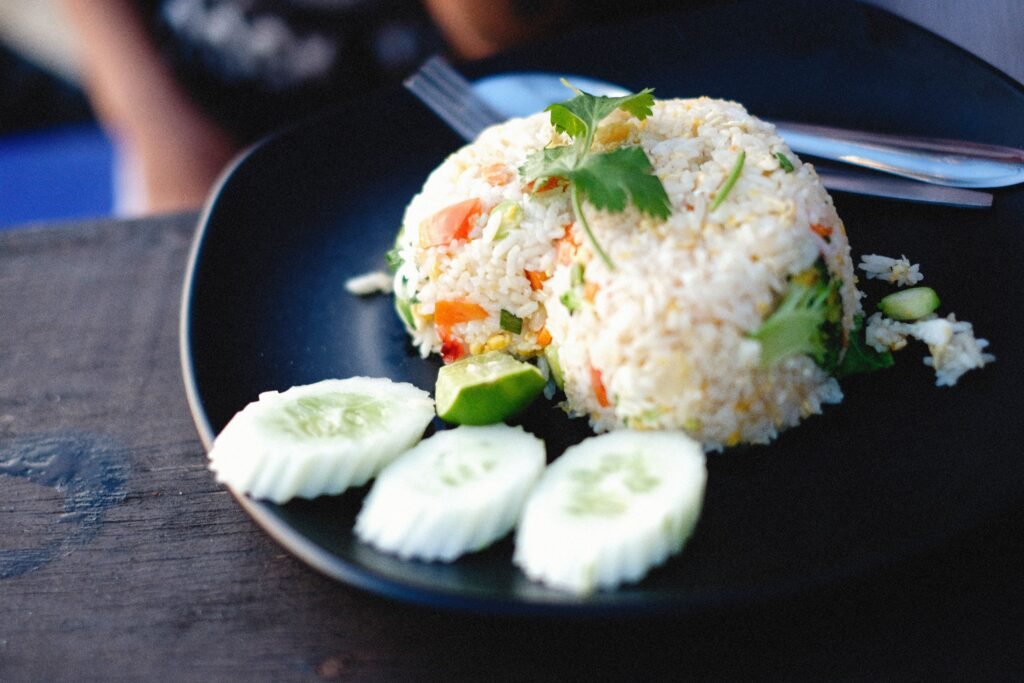
Vang Vieng’s food scene splits fairly cleanly into two categories: cheap, excellent local Lao food, and a large number of Western-leaning backpacker cafes serving pizza, burgers, and pancakes to a mostly foreign crowd. Both have their place. For an authentic meal, look for smaller local restaurants slightly off the main tourist strip serving laap (a minced meat salad with herbs and lime), sticky rice, and grilled river fish — these are consistently cheaper and, in our experience, better than anything on the main strip aimed at tourists. BeerLao, one of the more highly regarded beers in the region, is worth trying at a local spot rather than a tourist bar, where it’s usually marked up.
If you’re craving something familiar after weeks on the backpacker trail, the riverside restaurants along the main strip do a reasonable job with Western comfort food, and several have decent sunset views over the karsts to go with it.
What to Pack for Vang Vieng
- A dry bag for tubing, kayaking, and lagoon days — protects your phone, cash, and passport photo copy from water
- Quick-dry clothing and sandals that can handle mud on the way to the lagoons
- A reusable water bottle — plastic waste is a real issue in the area and most guesthouses now offer refill stations
- A basic first-aid kit with rehydration salts, given the combination of heat, sun, and river activity
- Proper hiking shoes for the viewpoint trails, which are steeper and more scrambly than they look in photos
- Cash in small kip denominations for lagoon entry fees and tuk-tuk rides, since vendors rarely have change for large notes
Vang Vieng FAQ
Is Vang Vieng safe to visit right now?
Vang Vieng is generally safe for the vast majority of visitors, but a November 2024 methanol poisoning incident involving contaminated drinks makes it essential to stick to sealed, brand-name beverages and avoid homemade spirits or unlabeled shots from unfamiliar bars.
How many days should I spend in Vang Vieng?
Most travelers get the best experience with 2–3 days, which is enough time for tubing, one or two Blue Lagoons, and a sunrise or sunset viewpoint hike without feeling rushed.
Which Blue Lagoon in Vang Vieng is the best?
Blue Lagoon 3 is generally considered the most scenic and least crowded, though it requires a longer ride out. Blue Lagoon 1 is the most convenient and popular for first-time visitors, while Blue Lagoon 4 is the quietest overall.
How much does a trip to Vang Vieng cost per day?
Backpackers can expect to spend roughly $15–25 USD per day covering dorm accommodation, street food, and a couple of activities, while mid-range travelers should budget closer to $40–70 USD per day for private rooms and guided tours.
What is the best time of year to visit Vang Vieng?
November through May is best overall, with clear skies and reliable river conditions for tubing; the wet season from June to October brings lush scenery and fewer crowds but can limit river-based activities.
How do I get from Vientiane to Vang Vieng?
The Laos–China high-speed railway covers the route in about an hour and is the fastest option; VIP buses and minivans also run regularly and take roughly 3–4 hours by road.
Is Vang Vieng still a party town?
Vang Vieng still has a solid nightlife scene, but the extreme, unsafe version of its old reputation has been significantly reined in through operator crackdowns, and it's now just as well known for adventure and nature activities as for its bars.