Luang Prabang doesn’t hit you all at once. It sneaks up on you. One minute you’re checking into a guesthouse on a quiet lane, and the next you’re standing on a street corner at 5:30am watching a line of monks in saffron robes move silently past you in the dark, and something about the whole scene just stops you in your tracks.
This guide covers everything we wish we’d known going in — how many days you actually need, what things really cost, when to go, where to stay, and the etiquette mistakes that are painfully easy to make at the alms-giving ceremony if nobody warns you first. No fluff, no recycled “top 10” list. Just what you need to plan the trip properly.
Table of Contents
ToggleIs Luang Prabang Worth Visiting?
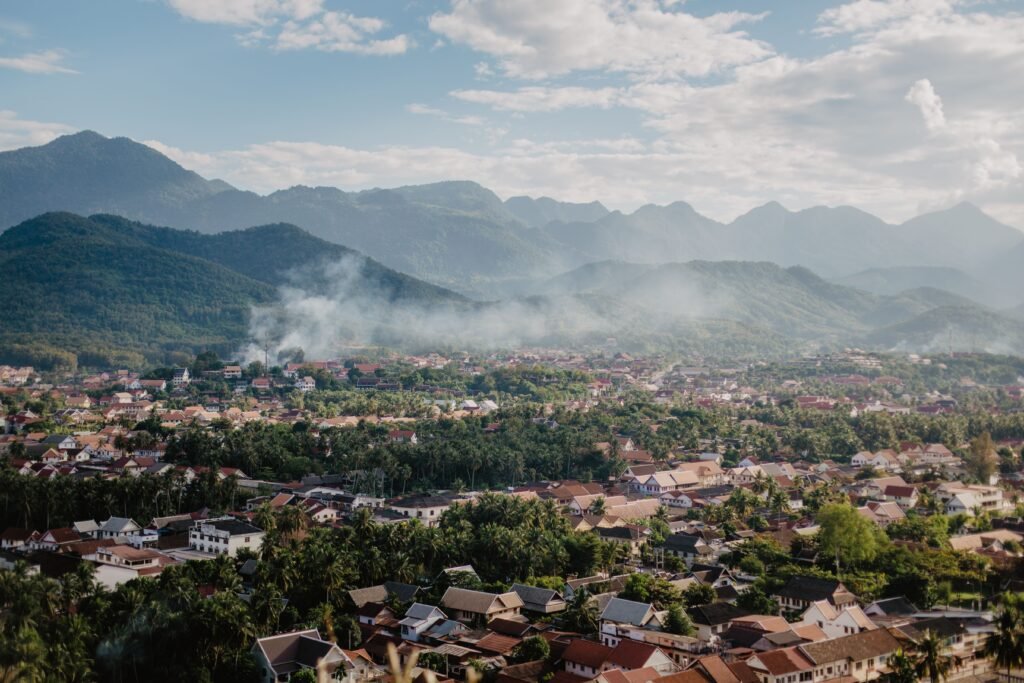
Yes — Luang Prabang is one of the most rewarding stops in Southeast Asia. It’s a UNESCO World Heritage town where French colonial architecture, gilded Buddhist temples, and the Mekong River all sit within a walkable old-town peninsula. It’s calmer and more atmospheric than most Southeast Asian cities, which is exactly why people fall for it — and exactly why it’s not the right stop if you’re chasing nightlife or fast-paced sightseeing.
A Quick History of Luang Prabang
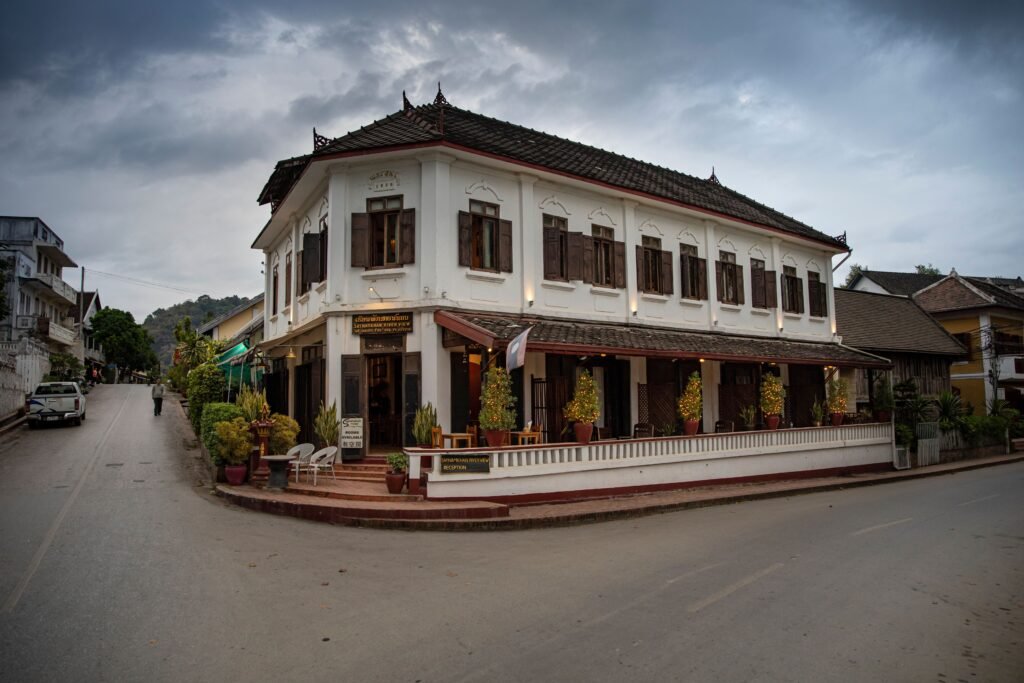
Luang Prabang was the royal capital of the Kingdom of Luang Prabang and, later, a center of the Kingdom of Laos, before the monarchy ended in 1975. That royal history is still visible everywhere — in the former Royal Palace (now a museum), in the sheer density of temples built under royal patronage, and in the town’s UNESCO World Heritage designation, granted for its exceptional blend of traditional Lao urban architecture and the colonial-era buildings layered on top of it during the French protectorate period.
That combination — Buddhist temple culture, a former royal seat, and French colonial influence all compressed into one small peninsula — is what gives Luang Prabang a completely different feel from anywhere else in Laos, and honestly from most of Southeast Asia. It’s worth keeping that context in mind as you walk around: the temples aren’t museum pieces, they’re active places of worship, which is part of why the etiquette around them (and around the alms ceremony) matters so much.
How Many Days Do You Need in Luang Prabang?
This is the question most guides skip, and it’s the one that actually matters for planning. Here’s how it breaks down by trip style.
2 Days: Hitting the Essentials
Doable if Luang Prabang is one stop on a longer Laos or Southeast Asia trip. You’ll have time for the alms ceremony, Kuang Si Falls, Wat Xieng Thong, and a sunset climb up Mount Phousi — but you’ll be moving fast and skipping the slow-travel side of the town, which is honestly half the appeal.
3–4 Days: The Sweet Spot
This is what we’d recommend for most travelers. It gives you room to see the major sights without rushing, plus a full day for Kuang Si Falls (it deserves more than a drive-by), a Mekong River cruise or Pak Ou Caves trip, and enough slack to just wander the night market and cafés without watching the clock.
5+ Days: Slow Travel
Worth it if you want to add a cooking class, a weaving or bamboo workshop, a longer Mekong boat trip, or day trips further out. Beyond about 5–6 days, most travelers start to feel the town’s small size — which brings us to the honest downside further down.
| Days | What You Can Realistically Cover |
|---|---|
| 2 days | Alms ceremony, Wat Xieng Thong, Mount Phousi, a fast Kuang Si Falls visit |
| 3–4 days | All of the above, unrushed, plus Pak Ou Caves, Mekong cruise, night market evenings |
| 5+ days | All of the above plus a workshop/cooking class, further day trips, genuine downtime |
Best Time to Visit Luang Prabang

Luang Prabang has two clear seasons, and which one suits you depends on whether you’re optimizing for weather, price, or crowds.
Dry Season (November–February): Best Overall
This is the consensus pick, and for good reason. Days are warm and comfortable for walking around temples and the old town, and nights can actually be cool — January mornings can dip into the low teens Celsius (around 53°F), which surprises a lot of people packing for “tropical Southeast Asia.” This is also peak season, so expect more visitors at the alms ceremony and Kuang Si Falls.
Hot Season (March–April): Cheaper, Hotter, Pi Mai
Temperatures climb, with April afternoons pushing past 30°C (87°F) as the dry season peaks right before the rains break. If your dates land in mid-April, you’ll catch Pi Mai (Lao New Year) — one of the biggest, most joyful festivals in the country, with days of water-throwing celebrations across town.
Wet Season (May–October): Lowest Prices, Fullest Waterfalls
Rain tends to arrive in short, heavy afternoon or evening bursts rather than all-day downpours, so it’s more manageable than it sounds. The upside: Kuang Si Falls is at its most dramatic and full, the countryside turns lush green, and guesthouse rates drop to their lowest point of the year.
| Season | Months | Best For | Trade-off |
|---|---|---|---|
| Dry, cool | Nov–Feb | Comfortable sightseeing, temple visits | Most crowded, highest prices |
| Hot, dry | Mar–Apr | Lower prices, Pi Mai festival (mid-April) | Very hot by afternoon |
| Wet | May–Oct | Cheapest rates, waterfalls at their fullest | Afternoon rain, occasional power cuts |
Note: exact temperature and rainfall figures vary by source — cross-check current seasonal averages against an official meteorological or established climate-data source before finalizing travel dates, especially if you’re planning around a specific festival window.
What Does a Trip to Luang Prabang Actually Cost?
Most guides give you one vague number like “$30–50 a day” and call it done. That’s not useful if you don’t know what tier of travel that assumes. Here’s a more honest breakdown.
Backpacker Budget: ~$25–35/day
- Dorm bed or basic guesthouse room: $6–12
- Street food and local restaurants: $5–8/day
- Bicycle rental instead of tuk-tuks: $1–2/day
- Kuang Si Falls entrance + shared tuk-tuk: ~$5–8 total
Mid-Range Budget: ~$50–90/day
- Private boutique guesthouse room: $25–45
- Mix of local and Western restaurants: $15–20/day
- Private tuk-tuk or scooter rental: $8–15/day
- A guided tour or Mekong cruise: $20–40
Luxury Budget: $150+/day
- Riverside resort or heritage hotel: $100+
- Fine dining and private dinners: $30–50/day
- Private driver, guided experiences, spa
Sample Daily Cost Table (Mid-Range Traveler)
| Expense | Cost (USD) |
|---|---|
| Guesthouse room | $25–45 |
| Meals (3x) | $15–20 |
| Local transport | $8–15 |
| Activities/entry fees | $5–15 |
| Daily total | ~$55–95 |
A Note on Entrance Fees
Be aware: published entrance fees for Kuang Si Falls vary noticeably across sources — we’ve seen figures ranging from roughly 20,000 to 60,000 LAK (about $1–3 USD) depending on when the source was written. Prices do get updated, so treat any number here (or anywhere else online) as an estimate and confirm at the gate. Bring small LAK notes either way, since card payment isn’t reliably available at outdoor attractions.
Where to Stay in Luang Prabang
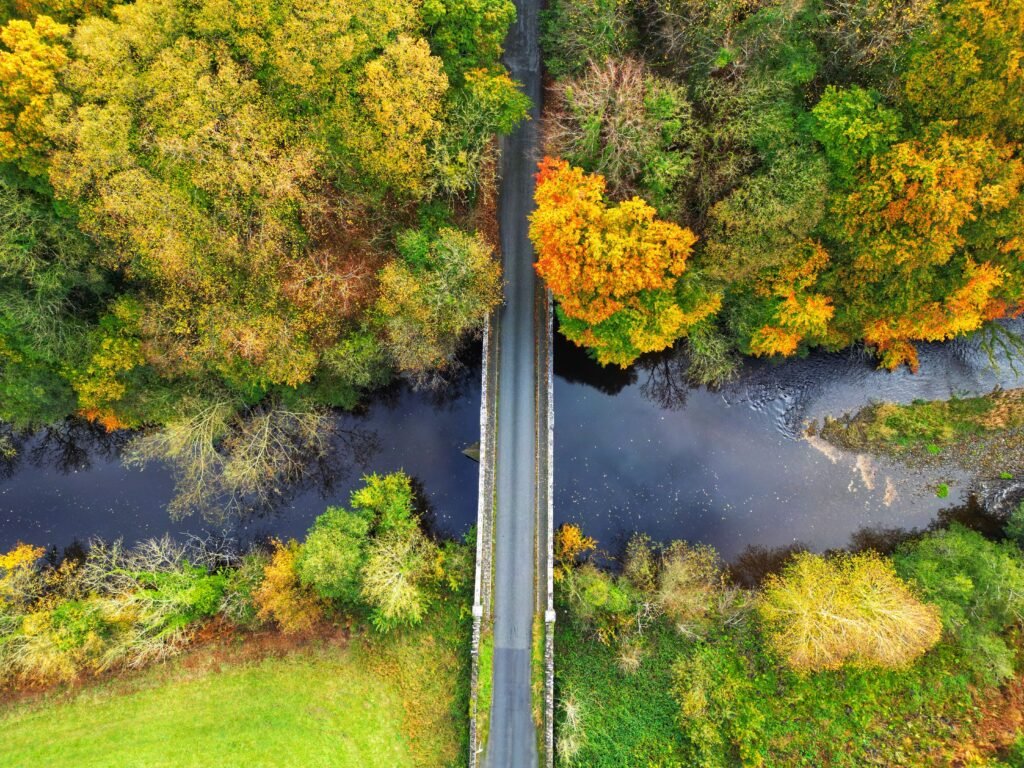
Old Town Peninsula
The best choice for first-timers. You’re walking distance from the night market, most major temples, and the Mekong riverfront. Expect to pay a slight premium for the location, but you’ll save it back in tuk-tuk fares.
Near Sisavangvong Road
The liveliest strip in town — best if you want to be in the middle of the food scene and evening market without a long walk back after dinner.
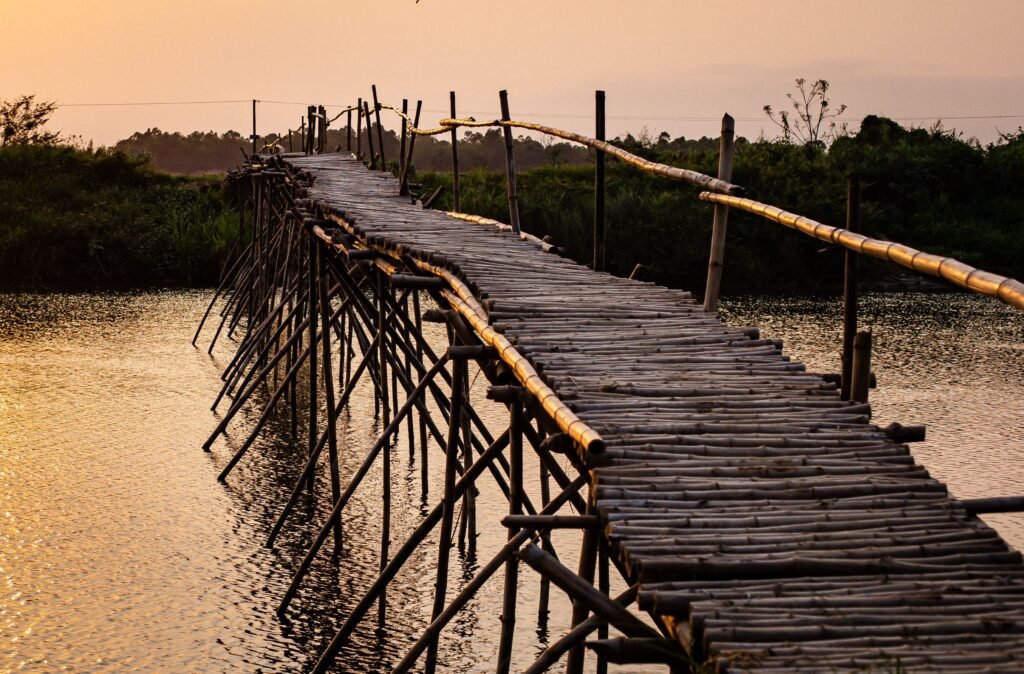
Across the Nam Khan River
Quieter, often better value, usually a short walk or a small footbridge crossing from the old town center. A good pick if you want some separation from the peak-season foot traffic.
What to Look For at Each Budget Tier
- Backpacker: hostels and basic guesthouses cluster a few streets back from the riverfront — expect fan or basic AC rooms, shared or hot-water-limited bathrooms
- Mid-range: boutique guesthouses and small hotels, often converted heritage buildings with courtyards — this tier is where Luang Prabang genuinely punches above its price point
- Luxury: riverside resorts along the Mekong or Nam Khan, generally a short tuk-tuk ride rather than a walk from the old town center, trading a bit of walkability for pool access and river views
Whichever tier you choose, book ahead for the November–February peak season — the old town’s best-located guesthouses fill up faster than the room count suggests, given how compact the peninsula is.
Top Things to Do in Luang Prabang
The Morning Alms-Giving Ceremony (Tak Bat)
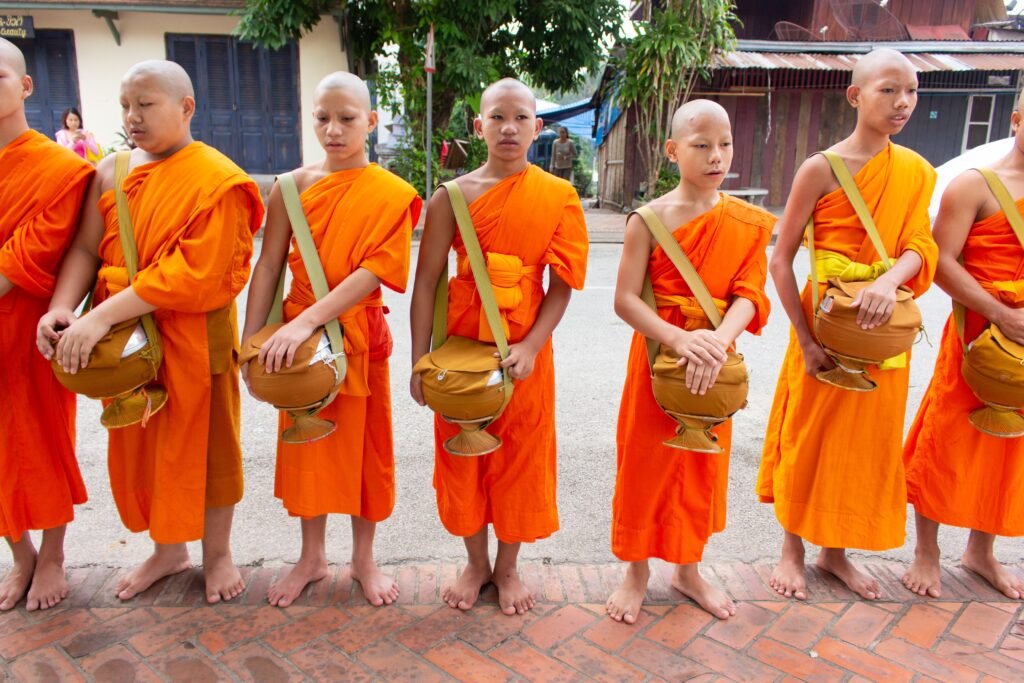
This is the single most talked-about experience in Luang Prabang — and also the one most guides get wrong by treating it as a photo op instead of a living religious practice.
Every morning around 5:30am, saffron-robed monks walk in a silent line through the old town’s main streets, collecting alms (usually sticky rice) from kneeling devotees. It’s genuinely moving to witness.
Here’s how to do it respectfully:
- Watch from the roadside — don’t approach or walk alongside the monks
- If you want to give alms, kneel (don’t stand over the monks) and stay silent
- No flash photography, and keep your distance if photographing at all
- Buy your rice from an authorized vendor the night before — not from touts hawking pre-packaged rice on the morning of. Sub-standard rice sold by unauthorized sellers has reportedly caused health issues for monks who eat what’s donated, so this isn’t just an etiquette point, it has real consequences
- Dress modestly — shoulders and knees covered
Kuang Si Falls
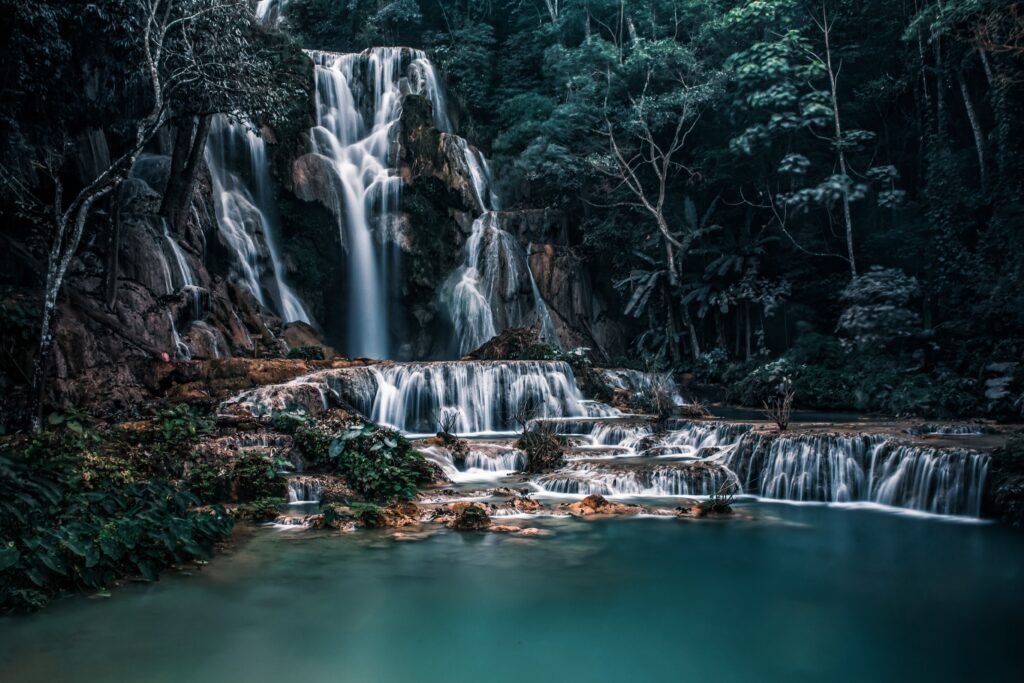
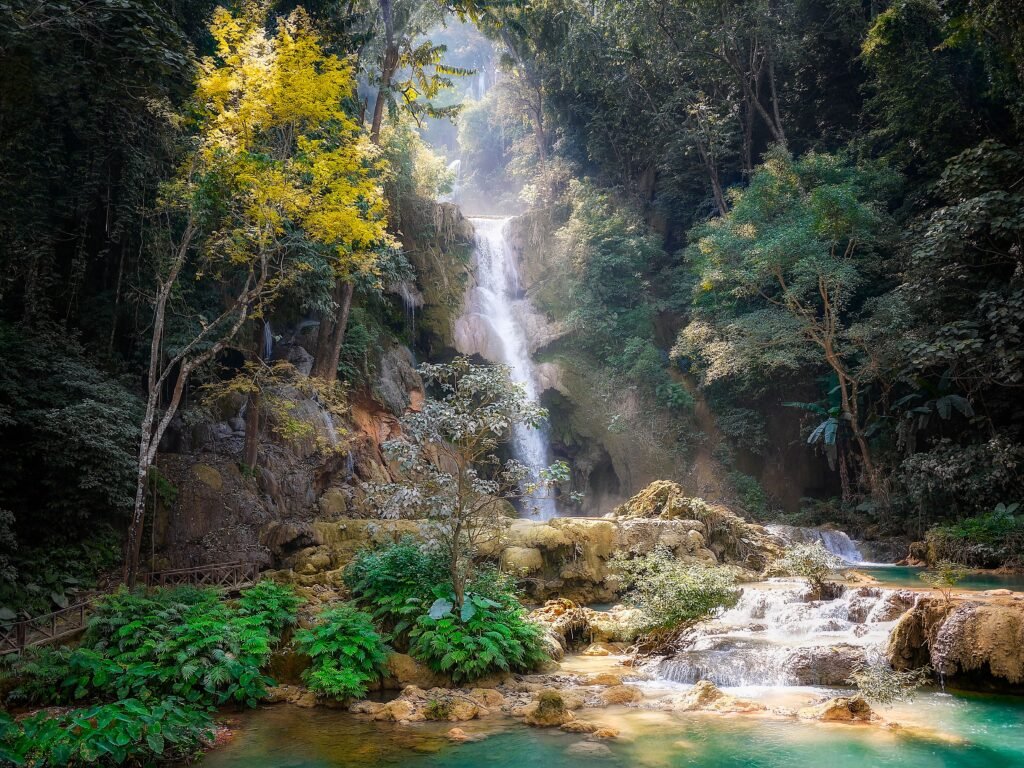
Roughly 25–30km outside town, Kuang Si is a multi-tiered waterfall with bright turquoise pools that are genuinely swimmable — not just a photo stop. There’s also a rescue center for Asiatic black bears near the entrance, included in your ticket.
- Getting there: shared tuk-tuk (cheapest, easiest), private tuk-tuk, or scooter
- Best time to go: right at opening (around 8am) to beat the tour buses
- Wet season note: the water runs fuller and more dramatic September–November, though it can look murkier right after heavy rain before clearing again
- Bring water shoes if you plan to swim — the limestone can be slippery
Wat Xieng Thong & Temple-Hopping
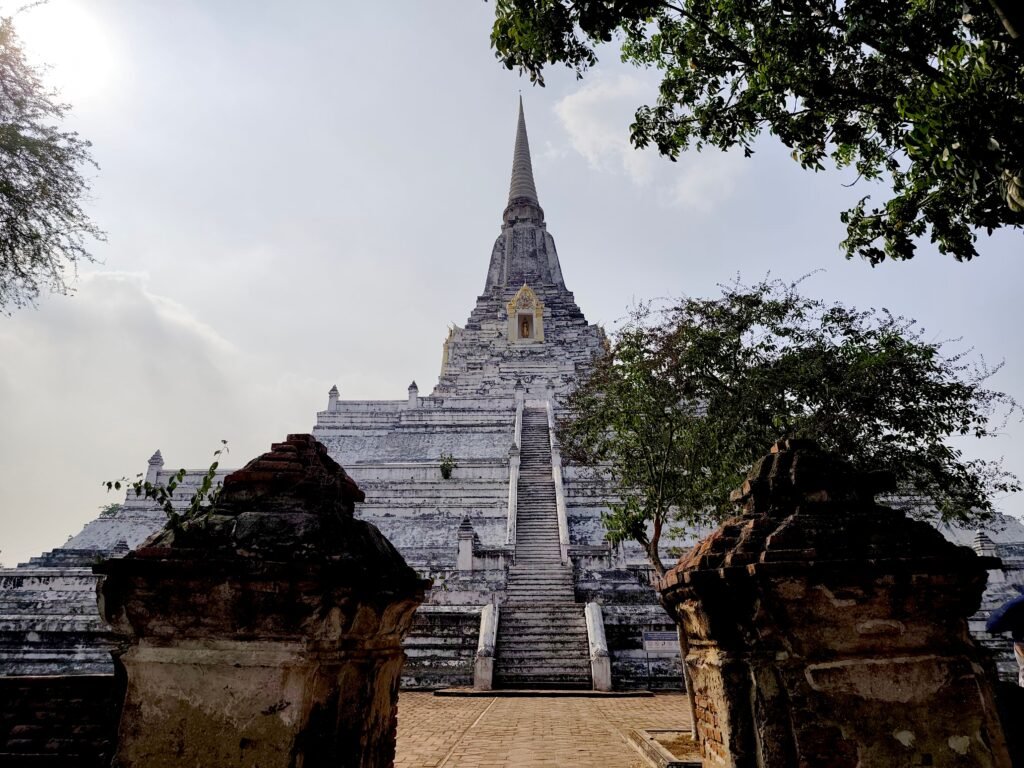
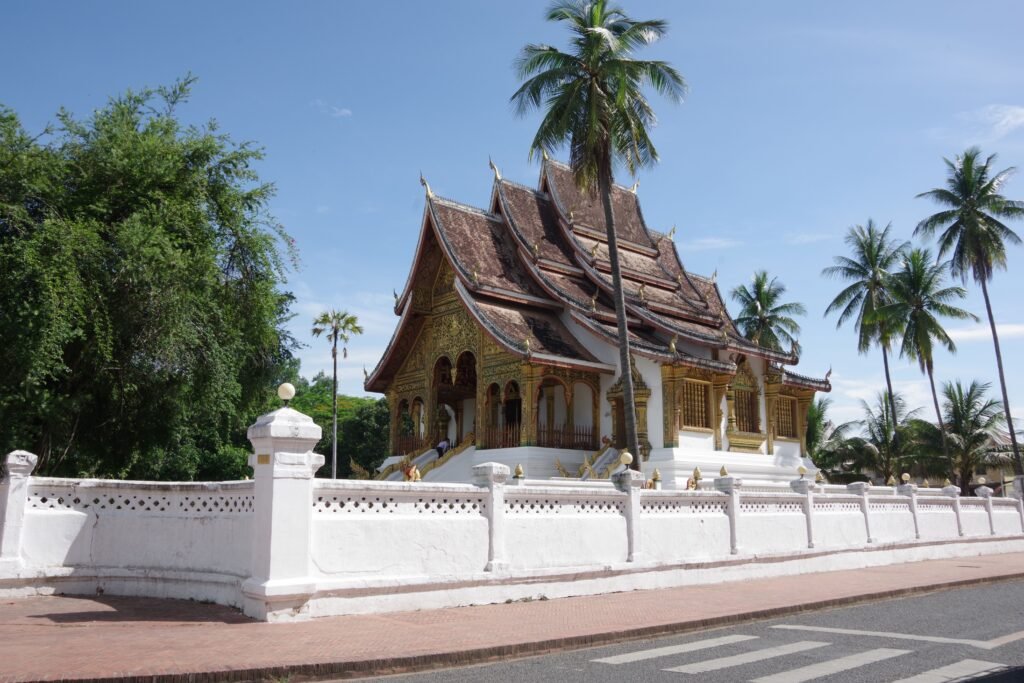
Wat Xieng Thong is the most photographed temple in Luang Prabang for good reason — the gilded mosaic work and sweeping multi-tiered roofline are the kind of craftsmanship that explains the town’s UNESCO status on their own. Beyond Xieng Thong, Wat Mai and Wat Wisunalat are worth the walk if you have more than a day.
Dress code applies at every temple: shoulders and knees covered, shoes off before entering the main buildings.
Mount Phousi Sunset
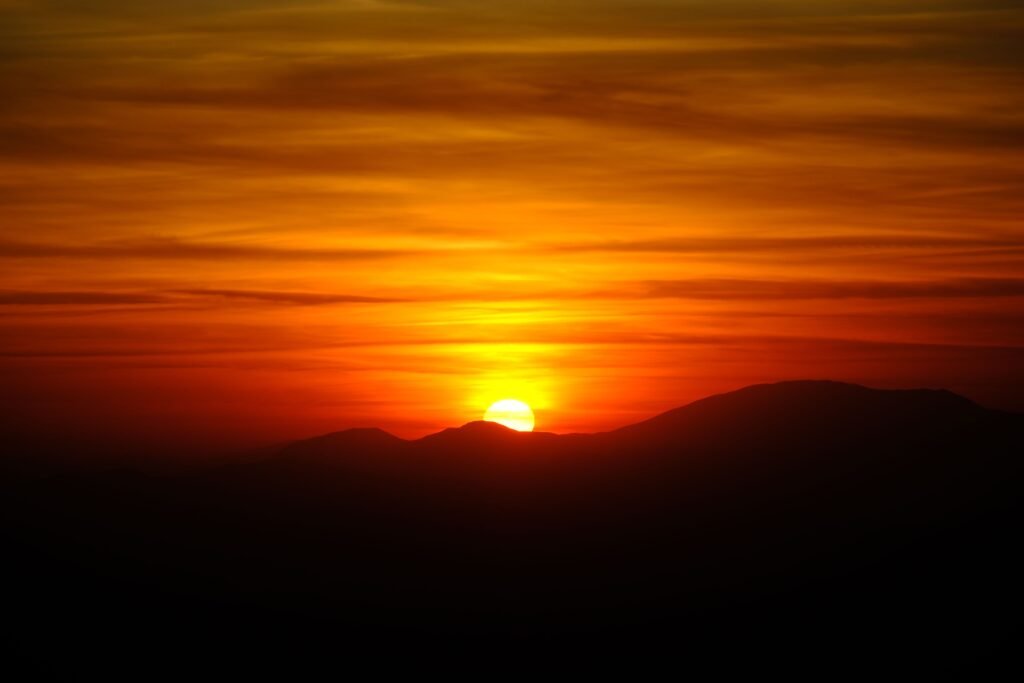
A steep-ish climb (a few hundred steps) up the hill in the center of town, rewarded with the best sunset view over the Mekong and Nam Khan rivers. Go early — it gets crowded fast as sunset approaches, and there’s genuinely not much room to move once the good spots fill up.
Pak Ou Caves & Mekong Boat Trips
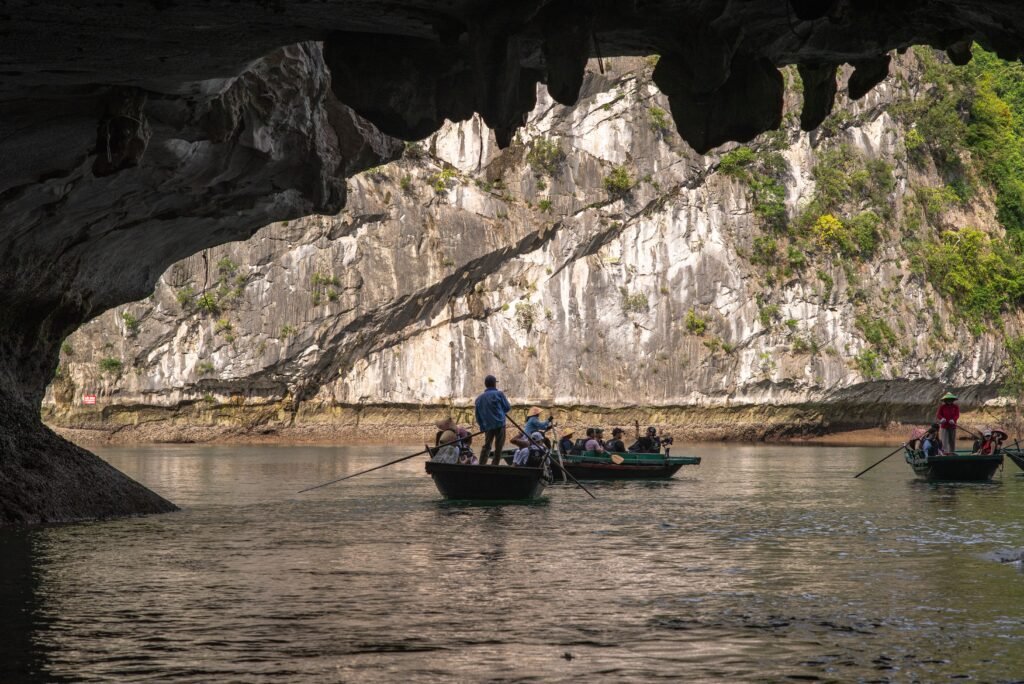
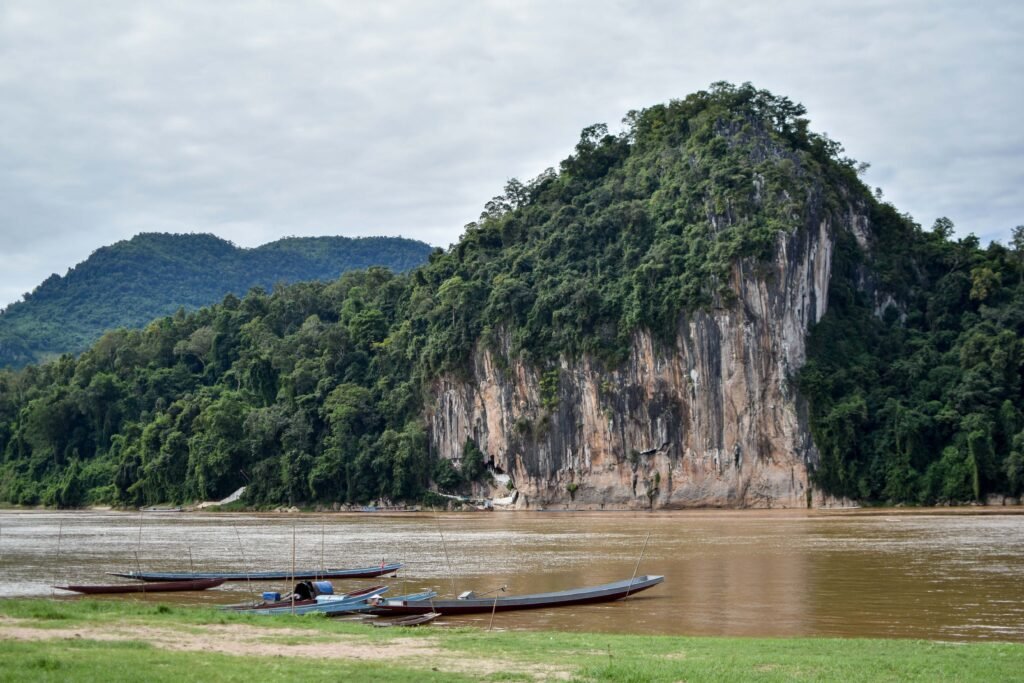
About 25km north of town, these limestone river caves hold thousands of small Buddha statues placed there by devotees over centuries. Most people combine the caves with a slower Mekong river cruise — a nice, low-effort half-day that also gets you out on the water.
Tad Sae Waterfalls (If You Have Extra Time)
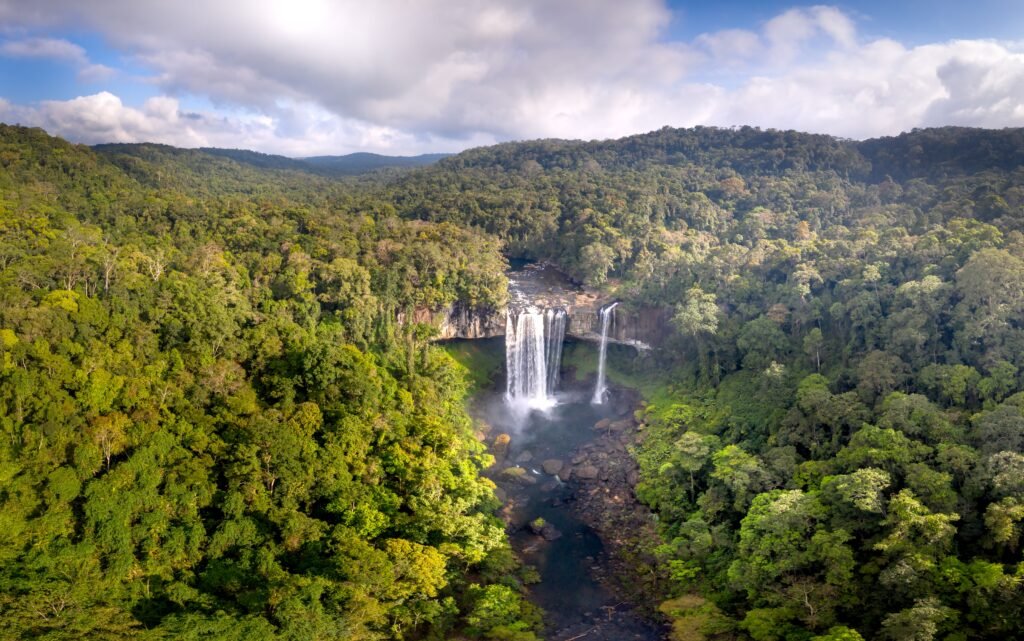
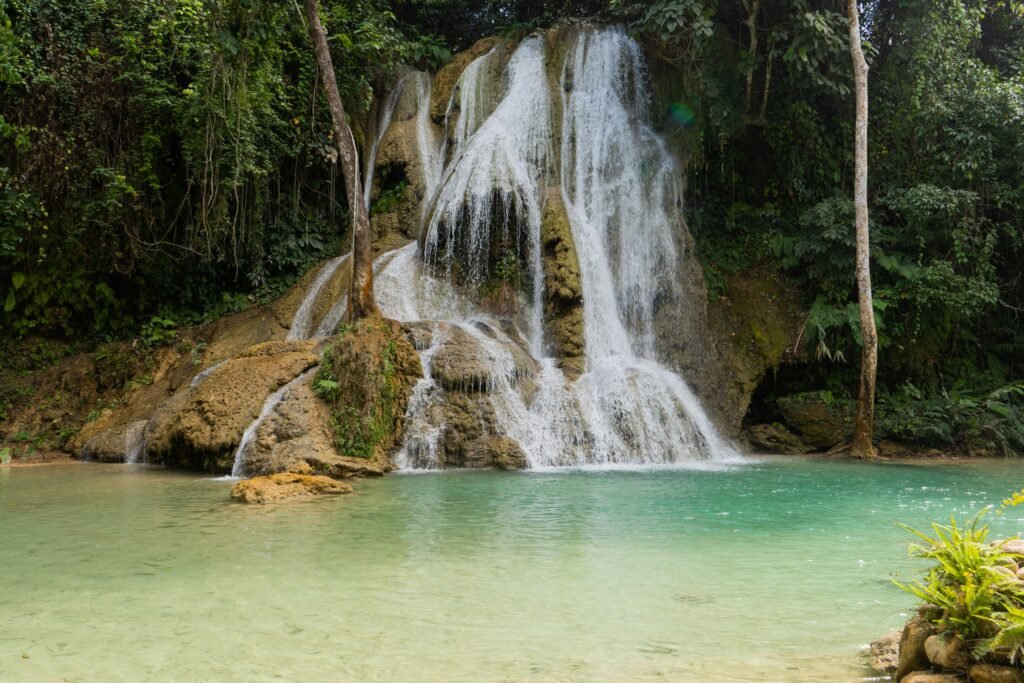
Less visited than Kuang Si, Tad Sae is a good alternative or add-on if you’re staying 4+ days — the falls are quieter, though water flow depends heavily on season (much fuller in wet season, sometimes reduced to a trickle at the peak of the dry months). Access typically involves a short boat crossing, which adds a bit of adventure to the visit.
Night Market & Local Food
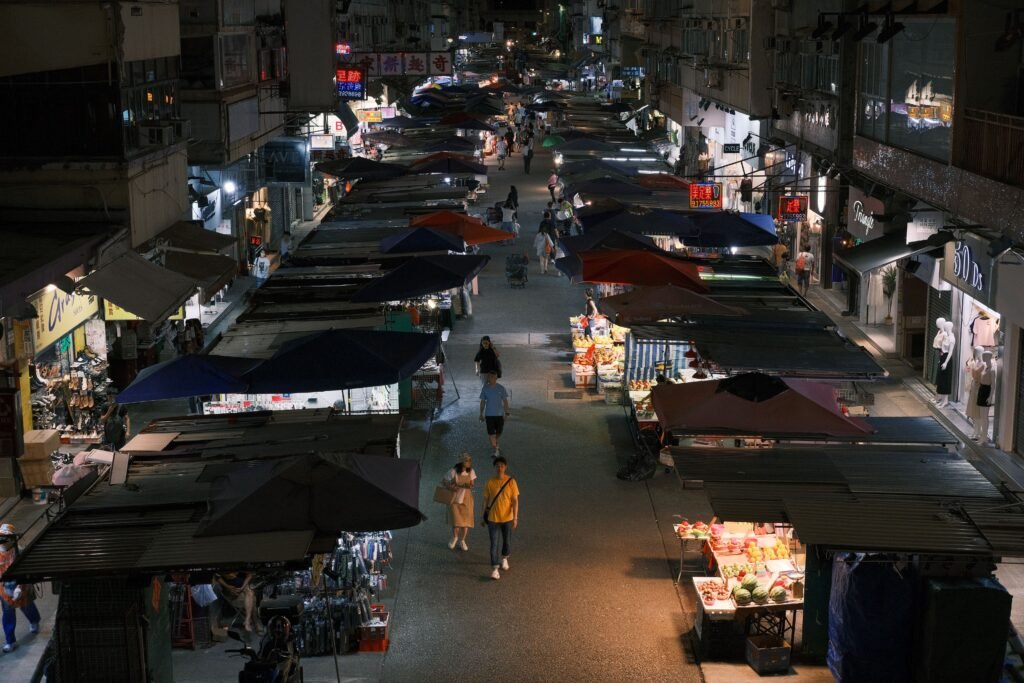
Sisavangvong Road transforms into a night market every evening — handicrafts, textiles, and a food alley worth arriving hungry for. Don’t leave without trying laap (a spicy minced meat salad), sticky rice served with nearly every meal, and fresh Mekong River fish if it’s on the menu. The food alley section of the market is one of the cheapest, most satisfying meals you’ll find anywhere in town — a small plate can run just a dollar or two, and it’s a good way to sample several dishes in one sitting rather than committing to a full restaurant meal.
Beyond the night market, look for smaller local restaurants a block or two off the main tourist strip — prices drop noticeably and the food is often better, since it’s cooked for locals rather than adjusted for tourist palates.
Cooking Classes & Craft Workshops
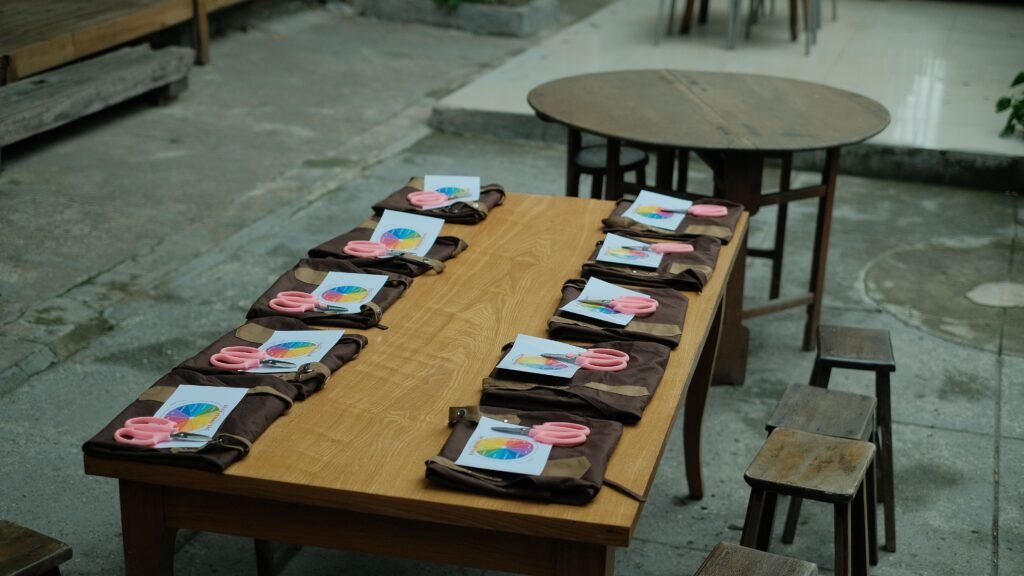
If you’re staying 4+ days, a half-day Lao cooking class is one of the better uses of an afternoon — most start with a market visit to pick ingredients, then move to hands-on prep of dishes like laap, mok pa (steamed fish in banana leaf), and sticky rice. Weaving and bamboo-craft workshops around town offer a similar hands-on alternative if cooking isn’t your thing, and both give you a much closer look at daily Lao life than sightseeing alone.
Elephant Sanctuaries — What to Know Before Booking
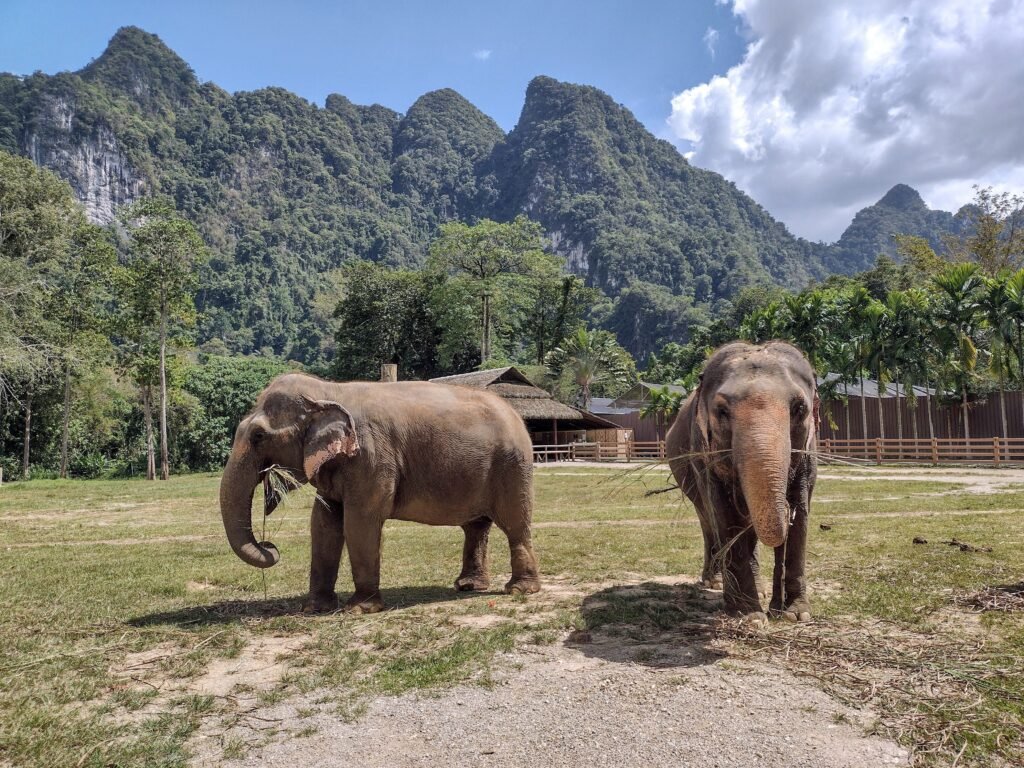
Several operators near Luang Prabang offer elephant experiences, and standards vary widely. Look specifically for observation- and care-based sanctuaries (feeding, walking alongside, bathing) rather than anything involving rides or performances, which are widely recognized as harmful to elephant welfare. Read recent reviews carefully before booking, since “sanctuary” branding alone isn’t a reliable indicator of actual practices.
Money, ATMs, and SIM Cards

Lao Kip (LAK) is the local currency, and USD is also widely accepted for larger purchases like accommodation and tours, though you’ll want Kip on hand for tuk-tuks, market stalls, and entrance fees. ATMs are available in the old town and generally reliable, but they often carry a withdrawal fee and a per-transaction limit, so budget for that rather than being surprised at the machine.
A local SIM card (available at the airport or in town) is inexpensive and worth picking up on arrival — data coverage in Luang Prabang itself is solid, though it can thin out on the road to Kuang Si Falls or further afield.
What to Pack for Luang Prabang

- Modest clothing for temple visits — shoulders and knees covered (a light scarf or sarong works well and packs small)
- A layer for cool dry-season mornings and evenings (November–February)
- Comfortable walking shoes — the old town is best explored on foot, and Mount Phousi involves stairs
- Water shoes or sandals with grip for Kuang Si Falls
- A dry bag or ziplock for phones/cameras if you’re swimming at the falls
- Cash in small LAK denominations for entrance fees and markets
- A reusable water bottle — plastic waste is a real issue in a town this small, and many cafés offer refill points
A Note on Responsible Tourism in Luang Prabang
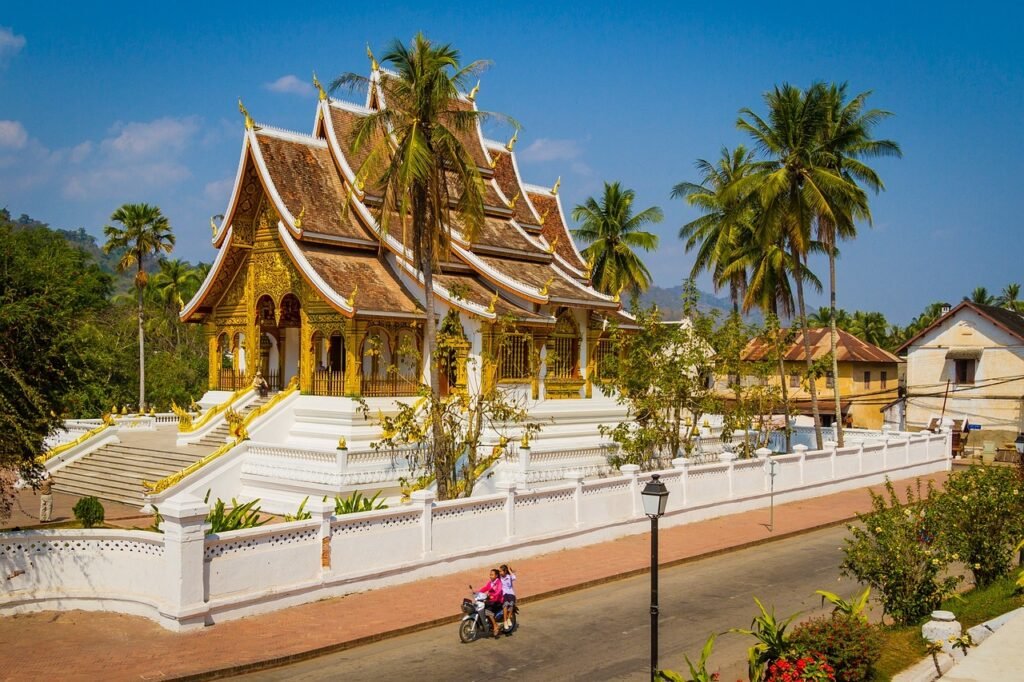
Luang Prabang’s charm is partly a product of how well-preserved its traditions are — and that preservation depends on visitors treating the alms ceremony, temples, and local customs with real respect rather than as photo backdrops. Buying rice from authorized vendors, keeping distance during the ceremony, dressing appropriately at temples, and supporting local-run guesthouses and restaurants over large international chains all go a long way toward keeping the town what it is, rather than wearing it down.
Pros & Cons of Visiting Luang Prabang
No destination is perfect for every traveler, and Luang Prabang’s downsides are worth being upfront about rather than glossing over — they’re exactly the kind of thing that determines whether this is a 3-day stop or a 7-day one for you.
| Pros | Cons |
|---|---|
| Walkable, compact old town | Small — most travelers feel it’s “seen” after 4–5 days |
| Genuinely affordable, especially outside peak season | Nightlife is minimal — this isn’t Vang Vieng |
| Dense concentration of temples and heritage architecture | Power cuts can happen during heavy wet-season storms |
| One of the best food scenes in Laos | Alms ceremony and Kuang Si Falls get crowded in peak dry season |
| Feels calmer and safer than many Southeast Asian cities | Limited late-night transport options |
Common Mistakes to Avoid in Luang Prabang

Most of these come down to the same root cause: treating Luang Prabang like any other Southeast Asian party town instead of the quieter, more traditional place it actually is. Here’s what trips people up most often.
Photographing the Alms Ceremony with Flash or Getting Too Close
This is disruptive to a religious practice, not a wildlife shoot. Keep distance, no flash, and remember the monks aren’t performing for cameras.
Buying Rice from Street Touts
Vendors selling pre-packaged rice right at the ceremony are usually unauthorized, and the rice quality is often poor. Buy the night before from a proper vendor instead.
Underestimating How Early the Town Shuts Down
Luang Prabang has a curfew culture — most restaurants and the night market wind down relatively early. If you’re coming from Vang Vieng or Bangkok expecting late-night options, adjust your expectations.
Not Booking Kuang Si Transport Early in Peak Season
Shared tuk-tuks fill up fast during dry-season mornings. Sort your transport the night before rather than showing up and hoping.
Wearing Inappropriate Clothing into Temples
Shoulders and knees covered is non-negotiable at every temple, no exceptions for heat.
Assuming Cards Work Everywhere
Cash — specifically Lao Kip — is still king for tuk-tuks, entrance fees, and market stalls. Carry small notes.
Pro Travel Tips

- Arrive at your chosen alms-ceremony viewing spot by 5:15am — a few minutes earlier than you think you need, to find a respectful, uncrowded vantage point
- Rent a bicycle for the old town — given the peninsula’s compact layout, it’s often genuinely faster than waiting on a tuk-tuk for short hops
- Hit Kuang Si Falls right at opening (around 8am) — the difference between an empty pool and a packed one is about 90 minutes
- Buy your alms rice the evening before from a proper vendor, not a tout at 5am
Luang Prabang vs. Vientiane vs. Vang Vieng — Which Should You Choose?
| Luang Prabang | Vientiane | Vang Vieng | |
|---|---|---|---|
| Best for | Culture, temples, slow travel | Capital-city sightseeing, transit hub | Nightlife, tubing, adventure activities |
| Pace | Slow, calm | Moderate | Fast, party-oriented |
| Ideal length | 3–5 days | 1–2 days | 2–3 days |
If you’re building a full Laos itinerary, Luang Prabang and Vang Vieng make a great pairing — culture and calm followed by outdoor adventure — with Vientiane as a practical stop if your flights route through the capital.
Who Should Visit Luang Prabang
Go if: you want temple culture, a genuinely walkable old town, strong food, and a slower pace than most Southeast Asian destinations offer. It’s a great fit for couples, photographers, and culture-first travelers.
Reconsider or shorten your stay if: you’re looking for nightlife or fast-paced entertainment (head to Vang Vieng instead), or you only have 1–2 days total in Laos — in that case, prioritize based on what matters more to your trip.
Frequently Asked Questions
Is Luang Prabang worth visiting?
Yes. It's a UNESCO World Heritage town known for its temples, French colonial architecture, and the Mekong riverfront, and it's consistently one of the most highly rated stops in Laos for culture-focused travelers.
How many days do you need in Luang Prabang?
3–4 days is the sweet spot for most travelers, covering the alms ceremony, major temples, Kuang Si Falls, and a Mekong boat trip without rushing.
What is the best time to visit Luang Prabang?
November to February, during the dry, cool season, offers the most comfortable weather for sightseeing — though it's also the most crowded and expensive window.
Do you have to pay for the alms-giving ceremony?
No entrance fee applies to observing the ceremony. If you choose to give alms, you'll pay for rice from a vendor beforehand — buy from an authorized seller, not a street tout.
How much is the entrance fee for Kuang Si Falls?
Reported fees vary by source, roughly in the 20,000–60,000 LAK range (about $1–3 USD). Confirm current pricing at the gate and bring small cash.
Is Luang Prabang safe for tourists?
Yes, generally considered one of the safer, calmer destinations in Southeast Asia, with standard travel precautions (secure valuables, road safety on scooters) applying as they would anywhere.
Do you need a visa to visit Luang Prabang?
Most nationalities need a visa or e-visa for Laos, with visa-on-arrival available for many countries. See our full Laos entry requirements guide for country-specific details.
What should you wear to visit temples in Luang Prabang?
Shoulders and knees covered, and shoes off before entering the main temple buildings — this applies at every temple in town, no exceptions.
Can you swim at Kuang Si Falls?
Yes — several of the turquoise pools are open for swimming, and it's one of the main draws of the visit. Water shoes help with the slippery limestone, and some upper pools are off-limits for conservation reasons, so follow posted signage.
Is Luang Prabang expensive?
No — it's genuinely affordable by regional standards. Backpackers can comfortably manage on $25–35/day, while mid-range travelers should budget roughly $50–90/day, and prices drop further outside the November–February peak season.