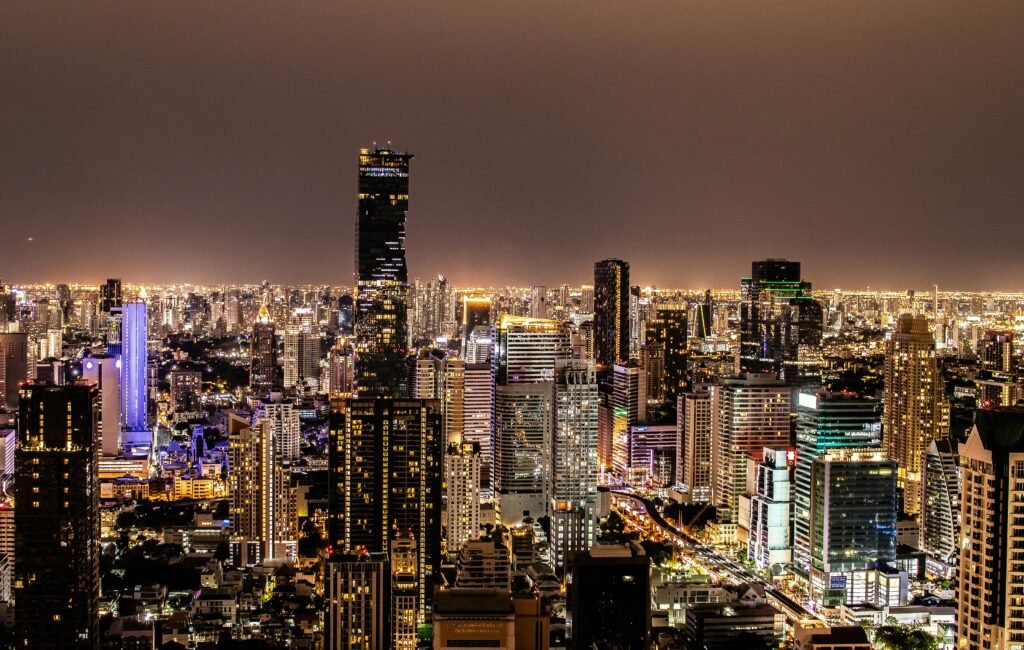
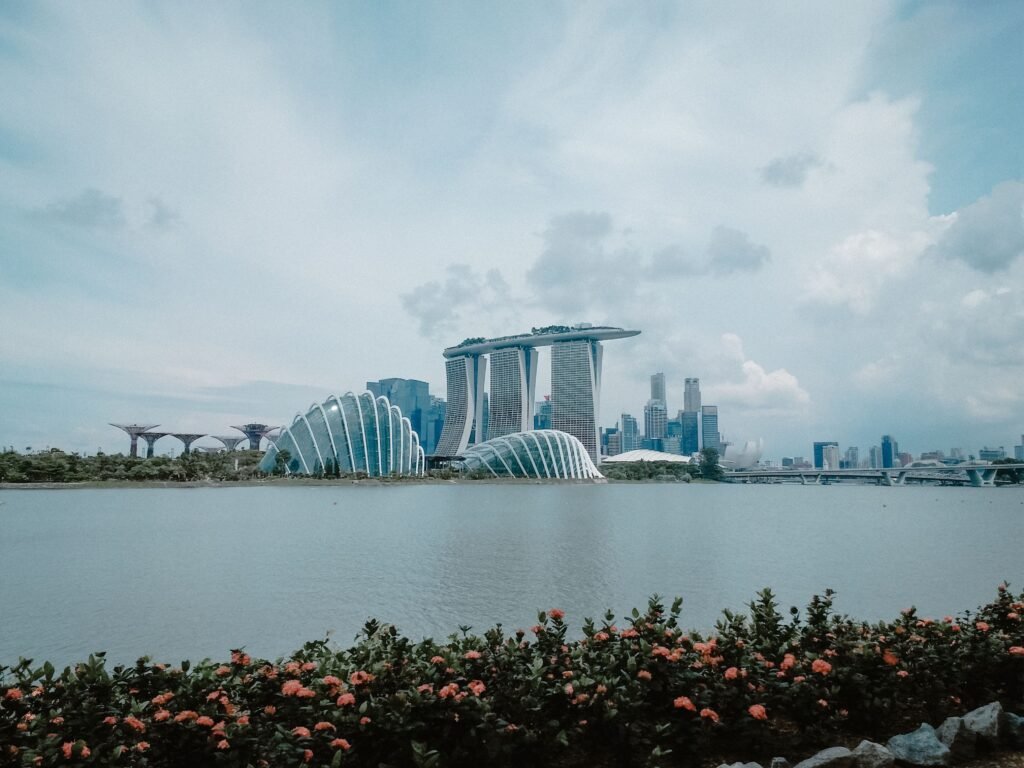
Fares, tour rules, and entry requirements checked. Prices change, so I’ve flagged the ones worth re-checking before you go.
You’ve got a long layover, and now comes the fun (and slightly stressful) decision: do you leave the airport in Singapore or in Kuala Lumpur?
Both are some of the easiest stopovers in Asia. Both have great food, a skyline worth a photo, and airports that run like clockwork. But they behave very differently once you land. Pick the wrong one for your timing and your “quick city break” turns into three hours on a train or stuck in traffic.
Below, I’ll walk you through what really matters when you’re on a clock: how far each airport is from the city, what it costs to get there, what you can realistically see, and what could stop you from leaving the airport at all.
Quick answer: For a layover under about 8 hours, Singapore is usually the better pick. Changi is close to the city, the MRT gets you downtown in roughly 40 minutes, and transit passengers can join a free guided tour. For 10–24 hours, Kuala Lumpur wins on food and value, but KLIA is about 55 km from the city, so you need to count that transfer time carefully.
Table of Contents
ToggleSingapore vs Kuala Lumpur Layover
If you only read one part of this article, make it this table. Find your layover length and see which city fits.
| Your layover | Better pick | Why |
|---|---|---|
| Under 6 hours | Stay at the airport (Changi is the nicer place to wait) | Once you count immigration and two transfers, there’s almost no city time left. |
| 6–8 hours | Singapore | A short ride into the city means you get roughly 3 hours out. KL gives you closer to 2 to 2.5. |
| 8–12 hours | Singapore, or KL if you travel light | Enough time for a proper meal and two or three sights in either city. |
| 12–24 hours | Either. KL for food and value, Singapore for ease | You can eat well, see the highlights and even sleep in a hotel bed. |
| 24 hours or more | KL for a bigger, cheaper stay. Singapore for a compact, easy one | At this point it’s a mini trip, not a layover. |
How I Compared Them
I didn’t want to write another “which city is cooler” post. A layover isn’t a holiday. It’s a puzzle with a deadline. So I compared the two cities on things that actually change your day:
- Whether you’re even allowed to leave the airport
- How long it really takes to reach the city, door to door
- What that transfer costs
- What you can fit into 6, 10 or 24 hours
- What tends to go wrong
For fares, timings and rules, I checked official sources: Changi Airport Group, the KLIA Ekspres operator (Express Rail Link), the Malaysian Immigration Department, and Singapore’s Immigration & Checkpoints Authority (ICA). Where I’ve given an approximate figure, I say so. Where a rule depends on your passport, I tell you to check the official page instead of guessing.
Can You Actually Leave the Airport? Visas, Arrival Cards and Transit Rules
This is the boring part, but it’s the part that ruins trips. Read it before you plan a single sight.
Singapore

Whether you can leave Changi on a layover depends on your passport. Some travelers can walk out visa-free. Others need a visa even just to enter for a few hours. Changi’s own transit-tour page makes this clear: passengers holding passports from certain countries, including India and Pakistan, need a valid Singapore entry visa to seek entry.
Some nationalities can use a conditional visa-free transit facility, but the conditions are specific (onward ticket, time limits, and so on).
You’ll also need to deal with Singapore’s arrival card before you land. Our guide, Is the SG Arrival Card Still Required?, explains the current rule. If you’re not sure whether you need a visa at all, start with How to Get a Tourist Visa for Singapore. UK passport holders can check Do I Need a Visa for Singapore From the UK?.
Kuala Lumpur
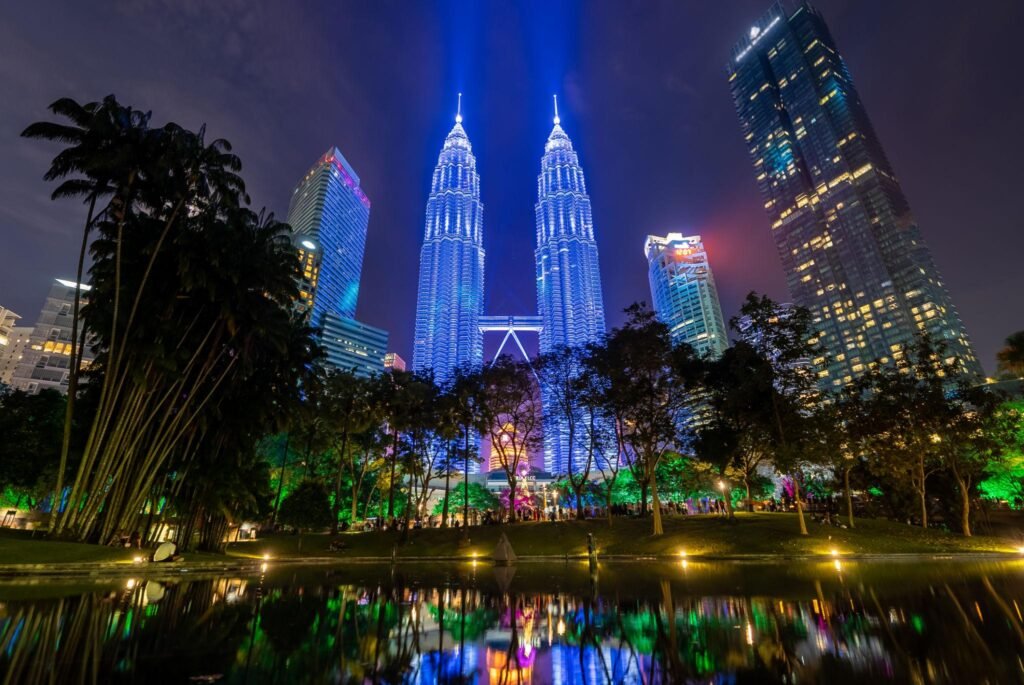
Malaysia is visa-free for citizens of many countries, but the length of stay varies by nationality, from 14 to 90 days. As a separate step, most foreign visitors must fill in the Malaysia Digital Arrival Card (MDAC) online, no more than three days before arriving. It’s free and it’s not a visa, but you’ll want the confirmation ready at immigration. Singapore citizens are among those exempt.
Back in late 2023, Malaysia also announced a visa liberalisation plan that let Chinese and Indian tourists visit for 30 days without a visa.
The airside rule everyone forgets

If you stay in the transit area, you generally don’t “enter” the country and you don’t need an entry permit. The moment you walk through immigration, you’ve entered. You then have to clear immigration again to go back airside for your next flight, and that takes time.
Singapore’s transit tour also lets you enter and exit only once during your layover. So you can’t pop out, come back, and pop out again.
If your two flights are on separate tickets, the rules change again. You’ll likely have to collect your bags, check in again, and go through security. We’ll get to that in the mistakes section.
If you want a preview of what immigration officers might ask a visitor, read What Questions Are Asked in Immigration for Tourists?. It’s worth two minutes before a short stop.
Changi vs KLIA and KLIA2: Which Airport Is Better to Be Stuck In?
Singapore Changi (SIN)
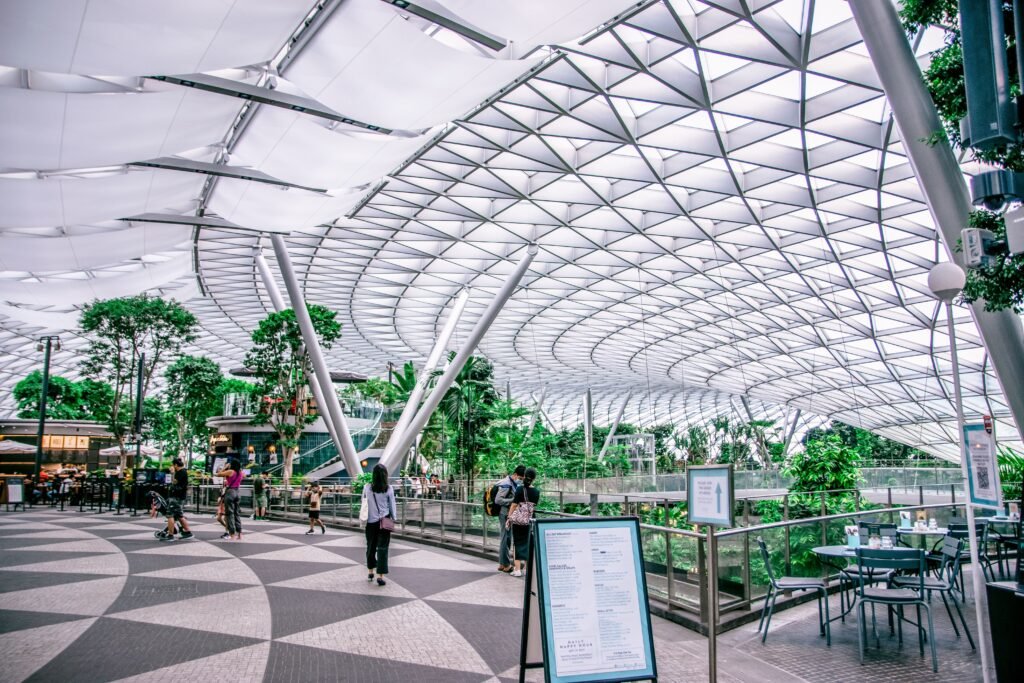
Changi is the kind of airport people plan layovers around. It has four terminals plus Jewel, the shopping and garden complex that connects to Terminal 1. The transit areas have free entertainment, gardens and plenty of places to sit and recharge. Transit passengers who need real rest can book Changi’s transit hotels, which offer flexible block-hour rates.
Jewel is generally outside the transit area for most passengers, so visiting means clearing immigration first.
Getting around the terminals is easy. The Changi Airport MRT station sits between Terminals 2 and 3. If you land in Terminal 1, take the Skytrain to reach the station. From Terminal 4, take the shuttle bus to Terminal 2.
Kuala Lumpur (KUL): KLIA and KLIA2
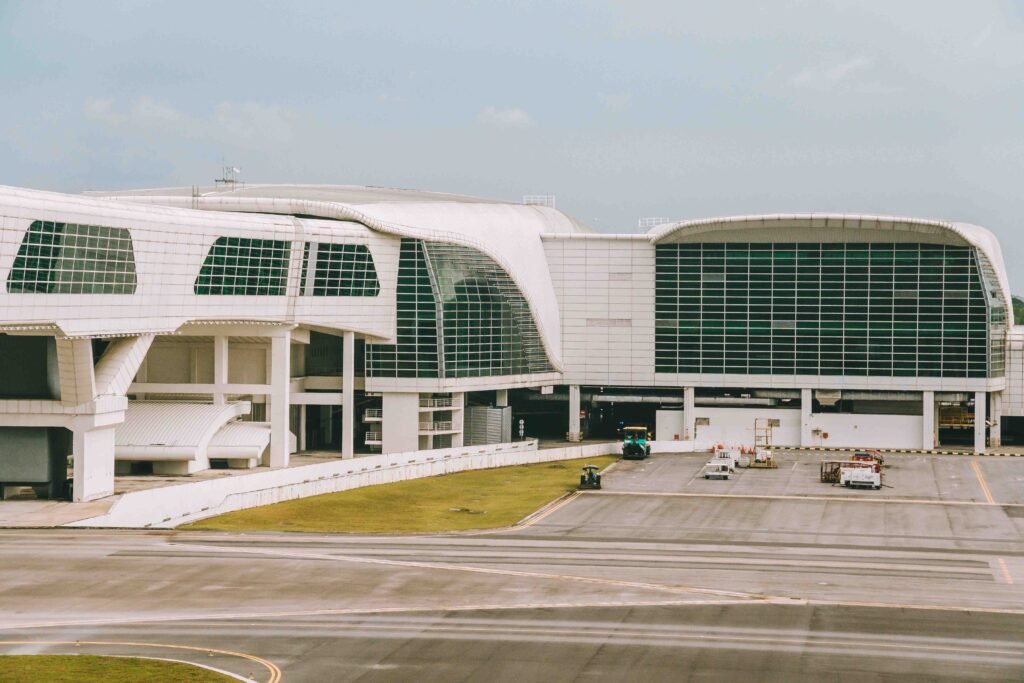
Here’s the thing many guides skip: Kuala Lumpur has two airports terminals, and you need to know which one you’re using. KLIA (Terminal 1) is used by full-service airlines. KLIA2 is used by budget carriers like AirAsia. Both have the same transport options into the city, and the KLIA Ekspres train serves both.
The bigger difference is distance. KLIA is roughly 55 km south of central Kuala Lumpur. That’s very different from Changi, which is only around 20–30 minutes from the city centre by road. It doesn’t mean you shouldn’t go. It just means you should plan for it.
KLIA itself is a decent airport, but it’s not a destination the way Changi is. If your layover is short, there’s less to enjoy while you wait.
Immigration: the wildcard
Immigration queues are the hardest thing to predict. Both airports are efficient, but a busy arrival bank can still eat 30–60 minutes. Malaysia expanded immigration counters at KLIA and rolled out autogates for travelers from some countries in late 2023, which helps if your passport qualifies.
Getting Into the City: Time and Cost at Each Airport
This is where the two cities really split. Here’s what it looks like side by side.
Changi to the city

| Option | Cost | Time | Best for |
|---|---|---|---|
| MRT | About S$2–3 | Roughly 35–45 min | Solo travelers and light luggage |
| Public bus | About S$2 (exact fare, no change given) | Around 1 hour | Budget-focused, no rush |
| Taxi or Grab | Roughly S$22–45 (higher in peak hours) | 20–30 min | Late arrivals, heavy bags, families |
| Private transfer | From about S$50 | About 20–30 min | First-timers who want zero stress |
The MRT is the go-to for most people. From Changi Airport station you ride to Tanah Merah, then switch to the East-West Line toward the city. Or you can go to Expo and switch to the Downtown Line. Trains come every 5–10 minutes, and the MRT runs from early morning to around midnight. The last connecting train from the airport toward Tuas Link leaves around 11:18 pm, so check the current timetable if you’re landing late.
Buses run daily from about 5:15 am to 11:50 pm. They’re cheap, but at roughly an hour they’re only worth it if you’re not in a hurry.
KLIA to the city
| Option | Cost | Time | Best for |
|---|---|---|---|
| KLIA Ekspres (non-stop train) | RM55 single, RM100 return (10% off online) | About 28 min to KL Sentral from KLIA (a few minutes more from KLIA2) | Almost everyone |
| KLIA Transit | Same RM55 fare | Around 39 min from KLIA2 to KL Sentral | Only if you’re stopping at Putrajaya or another midway station |
| Airport taxi (coupon) | Fixed price set at the counter | 45–75 min depending on traffic | Groups, heavy luggage |
| Grab | Varies with demand | 45–75 min | Door-to-door convenience |
The KLIA Ekspres runs roughly every 20 minutes, from about 5 am until midnight or a bit after. Sources differ on the last departure, so confirm on the official site. Children aged 6 to 15 pay less and under-sixes ride free. Tickets bought online are valid for a month from your travel date, and you can use a one-way ticket in either direction.
From KL Sentral, you still need to reach your final stop. The LRT from KL Sentral to KLCC (the Petronas Towers area) takes about 10–13 minutes and costs around RM2.40. Add 15–30 minutes and a second fare if you’re heading somewhere else.
The surprise: KL is the "cheap" city, but the airport ride isn't
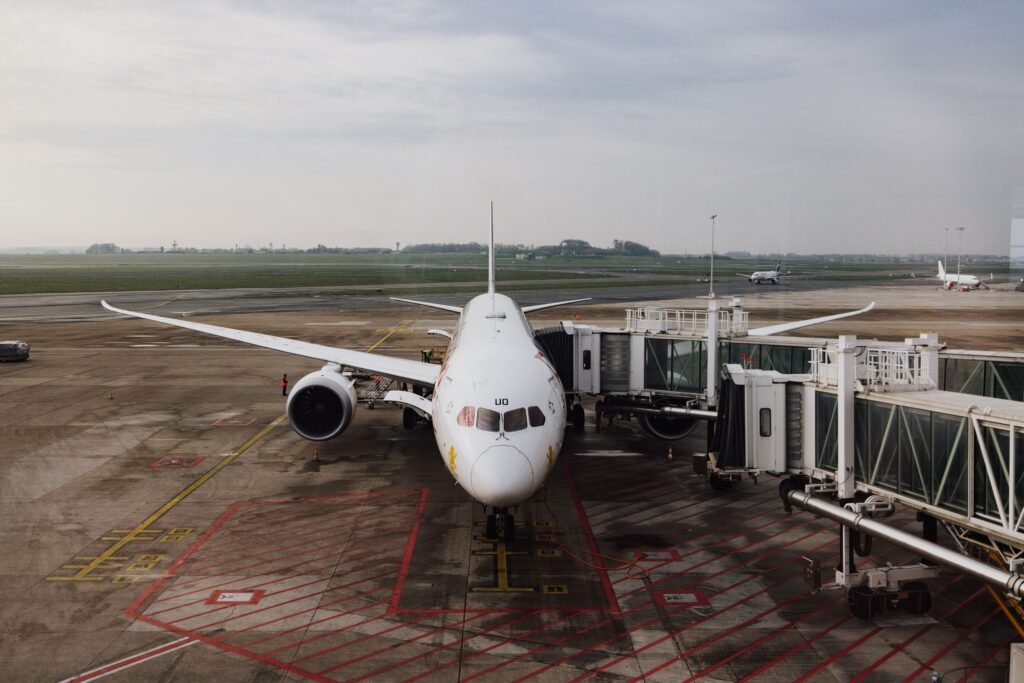
Here’s what caught my attention when I compared the numbers. Kuala Lumpur is usually the cheaper place for meals and daily costs. But the airport transfer is the opposite. A return MRT trip in Singapore can cost under S$6. A return KLIA Ekspres ticket is RM100 (or around RM90 if you buy online). And that’s before your ride from KL Sentral.
So for a short layover, Singapore can actually be the cheaper city to leave the airport in. KL only pulls ahead on price once you stay longer and spend more on food and things to do.
If you’re carrying luggage around, our packing checklist Things You Should Carry While Traveling has ideas for keeping a day bag light.
What You Can Realistically See in 6, 10 or 24 Hours

Before the sightseeing, do the math. Almost everyone overestimates how much time they’ll have.
The layover buffer formula
Take your total layover time and subtract:
- Time to get off the plane and clear immigration (allow 30–60 minutes)
- The ride into the city
- The ride back
- Check-in, bag drop and security for your next flight (allow at least 2 hours before departure, more if you need to re-check bags)
- A safety buffer of at least 30–45 minutes
What’s left is your real city time. Here’s a worked example for an 8-hour layover, landing at 10:00 and flying out at 18:00.
| Singapore | Kuala Lumpur | |
| Off the plane and through immigration | About 45 min (10:45) | About 45 min (10:45) |
| Ride to the city | About 40 min by MRT (arrive ~11:25) | Wait for train, ride 28–33 min, walk to platform (arrive ~11:45) |
| Leave the city by | ~14:45 (back at the airport ~15:30) | ~14:00 (back at the airport ~15:00) |
| Time in the city | About 3 hours 20 min | About 2 hours 15 min |
That’s my own rough arithmetic, not a guarantee, so redo it with your actual flight times. But it shows why the same 8 hours feels very different in each city.
Singapore with 6–8 hours
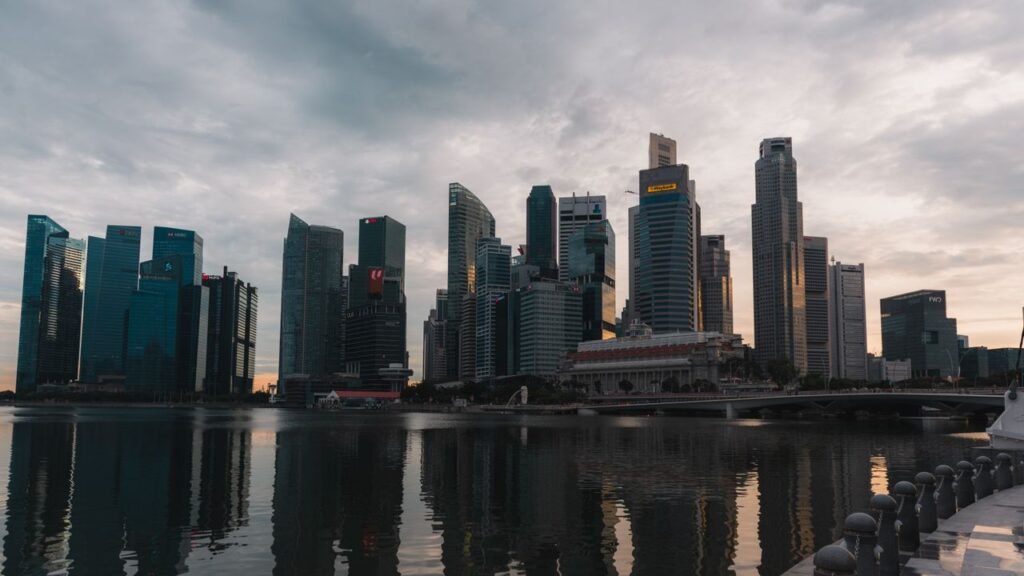
With a tight window, pick one area and do it well.
- Jewel Changi. If you’d rather not go far, visit the indoor waterfall and gardens here. It’s the easiest “big sight” and it sits right at the airport.
- The Free Singapore Tour. Transit passengers with a layover of at least 5.5 hours (and under 24) can join a free 2.5-hour guided tour. More on this in the tips section.
- Marina Bay. Take the MRT to the Marina Bay area for the skyline, the waterfront walk and the Merlion.
- A hawker meal. Singapore’s hawker centres are the best value meal in the city. Lau Pa Sat and Maxwell Food Centre are both easy to reach from the downtown MRT stations.
Singapore with 10–24 hours

Now you can add Gardens by the Bay (the Supertree Grove is free to walk through), a stroll through heritage areas like Chinatown or Kampong Glam, and a slower lunch. With a full day or an evening, the Singapore Night Safari is a fun way to fill the late hours if your flight leaves the next morning.
Kuala Lumpur with 6–8 hours
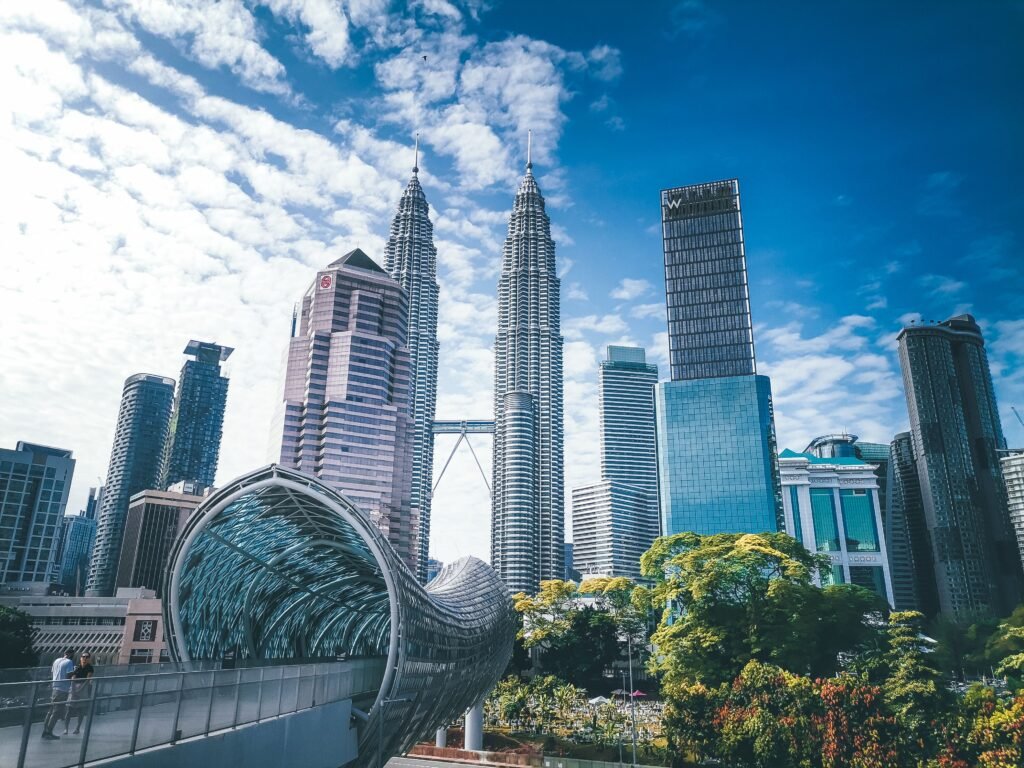
Stick to the compact central area.
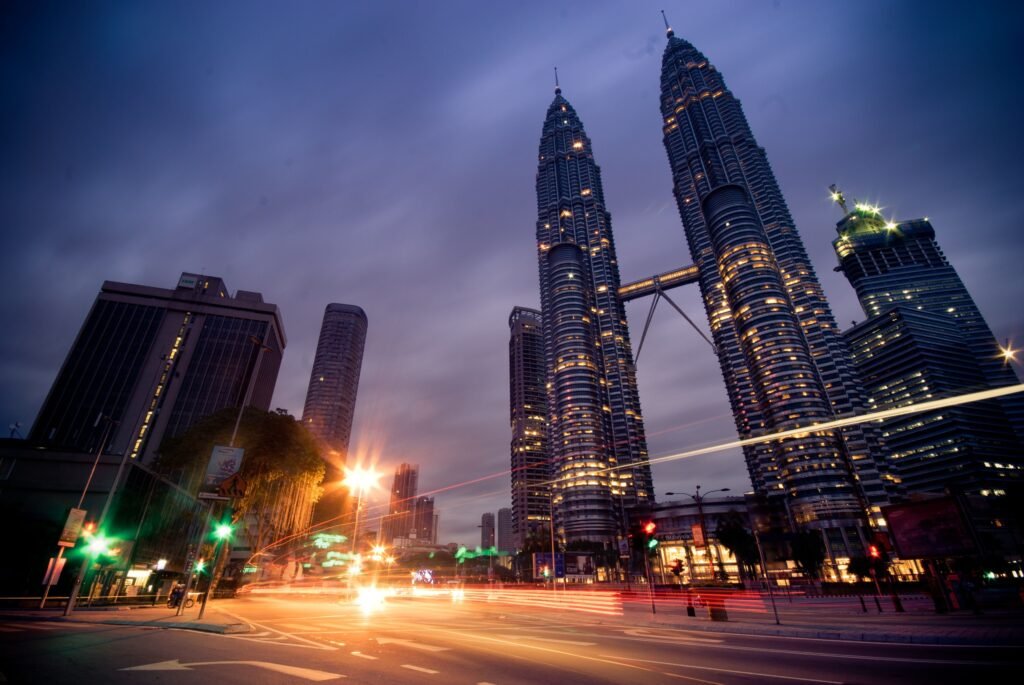
- KLCC and the Petronas Twin Towers. Reachable from KL Sentral in about 10–13 minutes on the LRT. Even without going up, the plaza and park at the base are worth the photos.
- Bukit Bintang. Malls, street food and people watching, all within walking distance.
- Jalan Alor. The famous street-food strip. It’s touristy, so expect to pay a bit more than at neighbourhood hawker stalls, but the atmosphere is hard to beat.
Kuala Lumpur with 10–24 hours
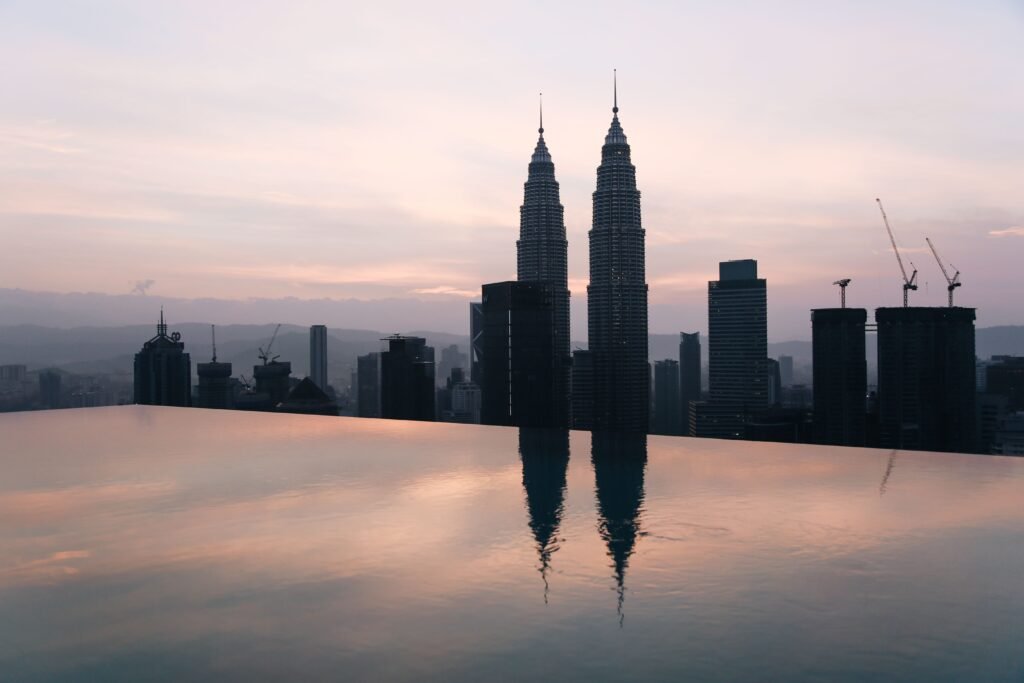
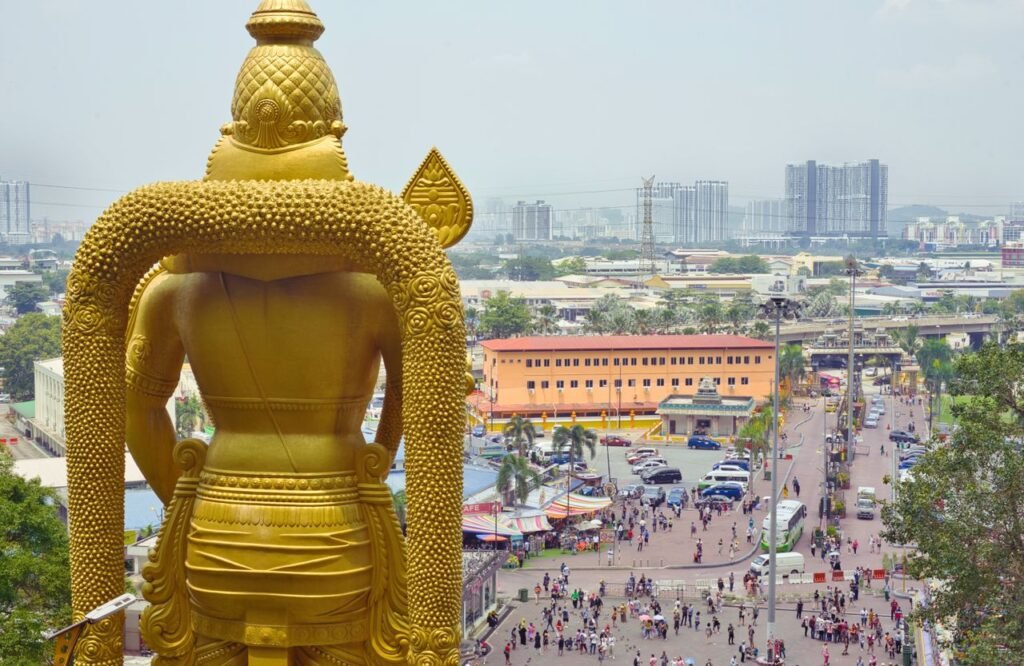
With more time, add Batu Caves, the limestone cave temple with the giant golden statue and rainbow steps. It’s reachable by commuter train from KL Sentral, though it’s a longer detour, so only go if you have a solid buffer. Then spend the evening on a longer food crawl.
Two Sample 8-Hour Plans (Landing 10:00, Flying 18:00)
Want a plan you can copy? These follow the timing math above. They’re templates, so shift the hours to match your own flights.
Singapore plan
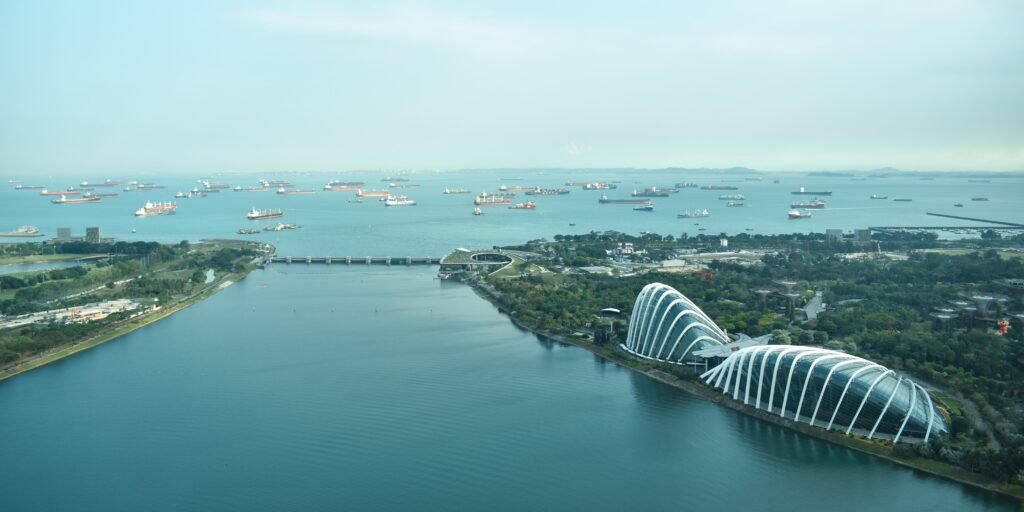
- 10:00–10:45: Land, clear immigration and grab your bag if it’s checked through separately.
- 10:45–11:25: MRT into the city. Head to the Marina Bay area.
- 11:25–12:30: Walk the waterfront for the skyline and the Merlion.
- 12:30–13:45: Lunch at a hawker centre. Order two or three small dishes rather than one big one so you can try more.
- 13:45–14:45: Wander through Gardens by the Bay’s free outdoor areas, or a nearby indoor spot if it’s raining.
- 14:45: Head back to the MRT. You’ll be at the airport around 15:30.
- 15:30–16:00: Check in, drop bags if needed and clear security, with a full two-hour buffer before your flight.
Kuala Lumpur plan
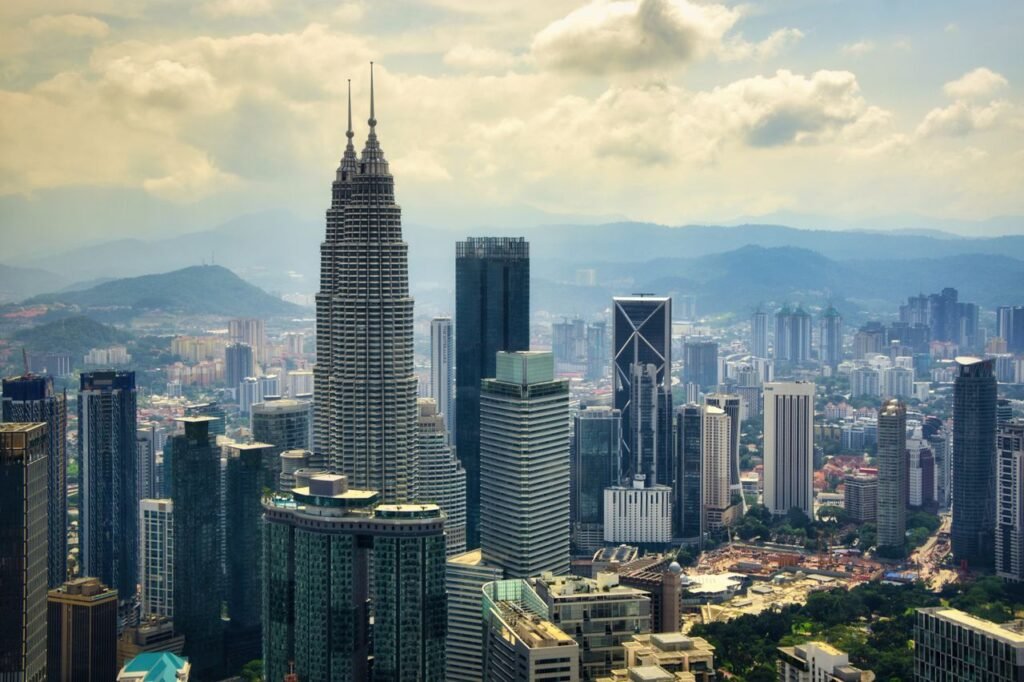
- 10:00–10:45: Land and clear immigration. Have your MDAC confirmation ready.
- 10:45–11:45: Buy your Ekspres ticket, ride to KL Sentral and walk to the LRT platform.
- 11:45–12:10: LRT to KLCC. It takes about 10–13 minutes.
- 12:10–13:00: See the Petronas Towers from the plaza and park.
- 13:00–13:45: Quick lunch nearby, or a short hop toward Bukit Bintang for street food.
- 14:00: Start heading back to KL Sentral, then take the Ekspres to the airport. You’ll be there around 15:00.
- 15:00–16:00: Check in and clear security, keeping a buffer of at least two hours.
Notice the difference. The Singapore plan lets you add a second sight. The Kuala Lumpur plan is one area, done well. If you try to squeeze Batu Caves into an 8-hour KL layover, you’re gambling with your flight.
What an 8-Hour Layover Costs
Here’s a realistic cost picture for a single traveler. Transport fares are official figures. Food and attraction costs are approximate and vary, so replace them with your own receipts when you can.
| Item | Singapore | Kuala Lumpur |
|---|---|---|
| Airport to city and back (cheapest rail) | About S$4–6 (MRT) | About RM90–100 (Ekspres return) plus LRT fares (~RM2.40 each way to KLCC) |
| Airport to city and back (taxi/Grab) | About S$45–90 | [FILL: your Grab or coupon price] |
| A meal at a hawker centre or street-food stall | Roughly S$5–8 per dish | Roughly RM10–30, more at tourist strips |
| Coffee or a cold drink | Roughly S$2–5 | Roughly RM5–15 |
So what does that mean in practice? A budget layover in Singapore, taking the MRT and eating at hawker centres, can be done for very little. In Kuala Lumpur, the train ticket alone is your biggest expense, unless you skip the Ekspres for a cheaper option.
Best Time to Visit for a Layover

For a layover, time of day matters more than month. Both cities are hot and humid all year, and afternoon thunderstorms can roll in fast. Aim to do your outdoor sightseeing in the morning or early evening, and keep indoor options (malls, food halls, museums) as your rain plan.
- Singapore: Rain can fall any month, but it tends to be heavier from about November to January. Carry a small umbrella.
- Kuala Lumpur: Afternoon storms are common, and the wetter stretches are usually around April to May and October to November.
- Haze: In some years, smoke from regional fires can affect air quality in both cities, often between June and October. If you have breathing sensitivities, check the air quality forecast before you go.
- Holidays: Chinese New Year, Hari Raya and Deepavali can mean closures and big crowds. Thaipusam at Batu Caves (usually January or February) draws enormous crowds, so skip that detour then.
Pros and Cons: Singapore vs Kuala Lumpur for a Layover
| Singapore | Kuala Lumpur | |
| Distance from airport | Close (20–30 min by road) | Far (about 55 km) |
| Cheapest transfer | MRT, about S$2–3 | KLIA Ekspres, RM55 single |
| Airport experience | Excellent, worth waiting in | Decent, less to do |
| Food value | Good, mostly at hawker centres | Excellent, generally cheaper |
| Free transit tour | Yes | No equivalent I could find |
| Getting around the city | Very easy | Easy in the centre, slower elsewhere |
Singapore: pros and cons
Pros: The airport is close, the MRT is simple, English is widely spoken, the city is clean and safe, and the free transit tour removes planning stress.
Cons: Strict rules can catch visitors out. Eating out and drinks cost more than in KL. Entry rules can be tougher depending on your passport. It’s compact, so you’ll see the highlights fast, but you might not feel “immersed”.
Kuala Lumpur: pros and cons
Pros: The food is outstanding and affordable. The skyline and Petronas Towers are unforgettable. Malaysia is visa-free for many nationalities. There’s a real mix of cultures packed into one city.
Cons: The airport is far, and traffic can wreck a tight schedule. The train transfer costs more than you’d expect. There’s a two-terminal mix-up risk. You’ll need to fill in the MDAC. And the heat plus long walks between sights can wear you out.
Common Layover Mistakes to Avoid

- Leaving the airport on a tight connection. If your layover is under about 6 hours, the numbers almost never work. Stay put, use the transit area and relax.
- Forgetting the arrival card. Malaysia’s MDAC should be submitted online within three days before arrival. Singapore’s arrival requirements also apply if you enter. Do both before you fly.
- Mixing up KLIA and KLIA2. Check your terminal on your booking. Airlines that use one terminal for arrival and the other for departure can catch people off guard.
- Assuming your bags are checked through. If you booked two separate tickets, you’ll probably have to collect your bags, re-check them and go through security again. Build in extra time or don’t leave the airport.
- Bringing vapes or banned items into Singapore. E-cigarettes and vaporizers are banned and heavily penalised. Even the Free Singapore Tour prohibits tobacco, cigarettes and vaporizers.
- Underestimating traffic. Rush hour hits both cities. Kuala Lumpur traffic can turn a 45-minute taxi ride into 75 minutes. Rail is more predictable.
- Going back too late. Leave the city with more buffer than you think you need. Missing a connecting flight will cost far more than the extra hour of sightseeing is worth.
Pro Travel Tips

Book the Free Singapore Tour early
This is one of the best layover perks anywhere. The tour is free for transit passengers with a layover of at least 5.5 hours and under 24 hours. Each tour lasts about 2.5 hours and includes a couple of quick photo stops. Here’s what to know:
- You can book online in advance through Changi Airport’s website, or ask at the tour booths in the transit area (Terminals 2 and 3), though seats are first-come, first-served.
- Stay in the transit area when you land. Don’t clear arrival immigration first, because the booths are airside.
- You’ll need your passport, boarding passes, tour confirmation and a valid entry visa if your passport requires one.
- Bulky cabin bags, alcohol and duty-free items must go into paid baggage storage before the tour. Electronic devices can’t be stored, so carry them with you.
- You must stay with the group for the whole tour. You’ll be dropped back at Terminal 2, Terminal 3 or Jewel, and you’re responsible for check-in and security afterwards.
- Tour routes may not suit wheelchairs or strollers.
- Passengers with a non-transit hotel booking can’t join.
Note that different Changi pages describe the number of tour itineraries and the number of tours you can book slightly differently.
Save time with contactless and pre-bought tickets
In Singapore, you can generally tap a contactless bank card or phone on MRT gates, which saves you buying a ticket. In KL, buy your KLIA Ekspres ticket online through the operator’s app or website for 10% off and to skip the ticket queue.
Use in-town check-in in Kuala Lumpur
Some airlines, such as Malaysia Airlines, let you check bags and get your boarding pass at KL Sentral station. That means you can sightsee hands-free and head straight to the train later. Check whether your airline offers it before you count on it.
Book a transit hotel for the in-between layovers
For gaps of around 8 to 12 hours, a day-use or block-hour room at Changi’s transit hotels can beat rushing around the city. You’ll come out of it feeling rested.
Other small things that help
- Download offline maps before you land.
- Get an eSIM or a local SIM so you can book a Grab and check train times.
- Carry a screenshot of your onward ticket and your visa or arrival card confirmation.
- Keep small local cash for buses and hawker stalls. Buses in Singapore don’t give change.
- Wear comfortable shoes and pack light.
Who Should Choose What?
After comparing everything, here’s how I’d decide.
- Short layover (6–8 hours): Singapore. The city is close, the MRT is cheap and the transit tour handles the planning for you.
- Under 6 hours: Skip both cities and stay airside. Changi is the nicer place to wait.
- Food lovers with 10+ hours: Kuala Lumpur. The variety and value are hard to beat.
- Families with kids: Singapore. Shorter transfers and simpler logistics make a big difference with tired children.
- Budget travelers on a short layover: Singapore, thanks to the low-cost MRT. On a longer stop, KL’s cheaper meals start to win.
- First-timers who want an easy win: Singapore. Fewer surprises.
- Travelers who want a proper adventure and have 12–24 hours: Kuala Lumpur, with Batu Caves and a long food crawl.
If I could only choose one for a typical 8-hour layover, I’d choose Singapore every time. If the layover stretches past 12 hours, I’d lean toward Kuala Lumpur and plan the day around the food.
FAQ: Singapore vs Kuala Lumpur Layover
Is Singapore or Kuala Lumpur better for a layover?
Singapore is better for short layovers of about 8 hours or less because Changi is close to the city and offers a free transit tour. Kuala Lumpur is better for 10 to 24 hours, mainly for food and value, but KLIA is far from the centre.
Is 8 hours enough for a layover in Singapore?
Yes, usually. After immigration, the ride into town and back, and a safe buffer before your next flight, you'll get roughly 3 hours in the city. That's enough for a meal and one or two sights.
How far is KLIA from Kuala Lumpur city centre?
KLIA is about 55 km from central Kuala Lumpur. The non-stop KLIA Ekspres train reaches KL Sentral in about 28 minutes for RM55 one way. A taxi or Grab can take 45–75 minutes depending on traffic.
Can I leave the airport on a layover in Singapore?
Yes, if your passport and ticket allow entry. Some nationalities, including Indian and Pakistani passport holders, need a valid Singapore visa. Transit passengers with 5.5 to 24 hours can also join the free Singapore tour.
Do I need a visa for a layover in Kuala Lumpur?
It depends on your passport. Staying airside generally doesn't require entry. If you leave, many nationalities enter visa-free, and most visitors must submit the free Malaysia Digital Arrival Card (MDAC) within three days before arrival. It is not a visa.
What is the difference between KLIA and KLIA2?
KLIA (Terminal 1) serves full-service airlines and KLIA2 serves budget carriers like AirAsia. Both have the same transport options into the city, including the KLIA Ekspres. Check your terminal before planning your transfer.
Is it cheaper to have a layover in Kuala Lumpur than Singapore?
Meals are usually cheaper in Kuala Lumpur, but the airport transfer costs more. A return KLIA Ekspres ticket is RM100 (10% off online), while a Changi MRT ride is only about S$2–3 each way. On a short layover, Singapore can be the cheaper city to leave the airport in.