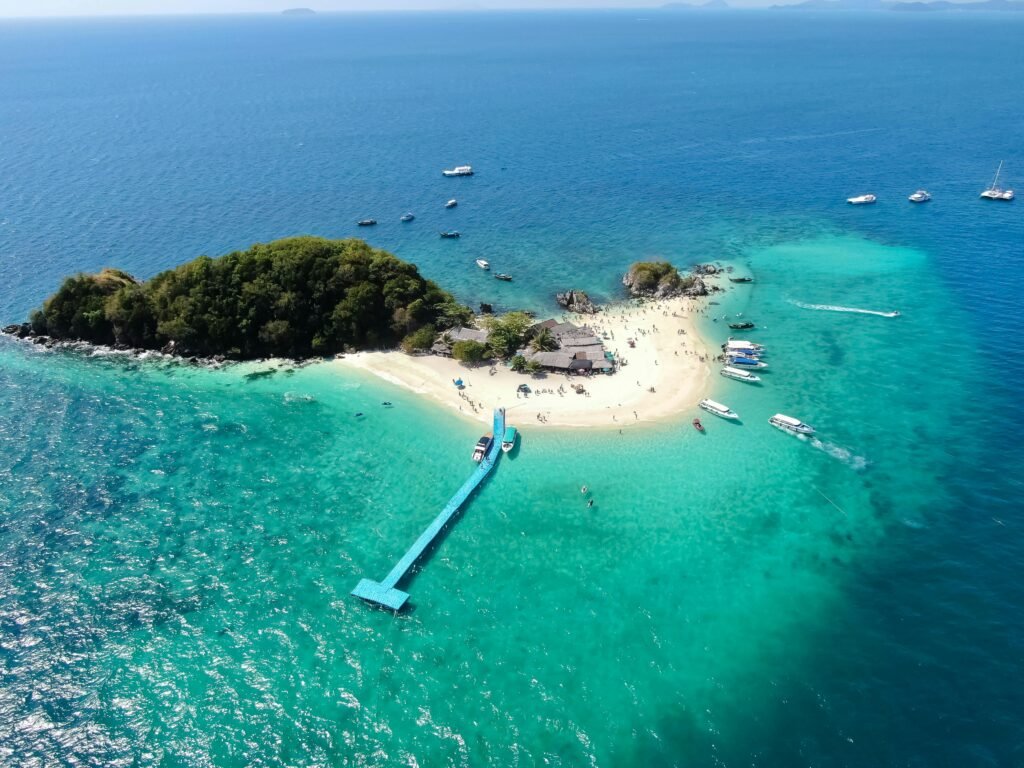
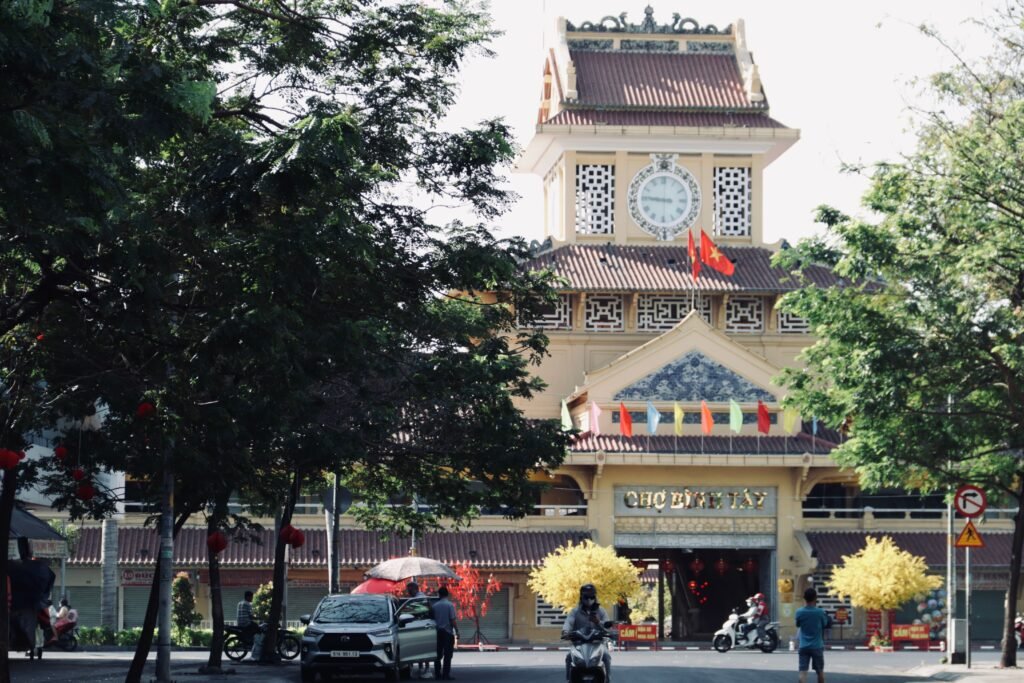
Vietnam is long. Really long. It stretches roughly 1,650 km (about 1,000 miles) from the mountains near China down to the Mekong Delta, and the weather, food and even the accent change as you go. So when people ask me whether they can see it all in ten days, my honest answer is: you can see the best of it, but only if you plan the route carefully and accept that you will leave things out.
This guide is the route I’d give a friend. It runs from Hanoi in the north to Ho Chi Minh City in the south, with stops in Ninh Binh, Ha Long (or Lan Ha) Bay and Hoi An in between. You will take two short domestic flights, sleep in six different places, and eat more noodles than you thought possible.
Below you’ll find the day-by-day plan, what it costs, the best time to go, the mistakes I see travellers make, and who should skip this route entirely.
Table of Contents
ToggleWhat Is the Best 10-Day Vietnam Route?

The best 10-day Vietnam route from north to south is: Hanoi (2 nights) → Ninh Binh (1 night) → Ha Long or Lan Ha Bay (1 night on a cruise) → Hoi An and Da Nang (3 nights) → Ho Chi Minh City (2 nights). Fly Hanoi to Da Nang and Da Nang to Ho Chi Minh City to save about two days of travel time.
The Route at a Glance
| Days | Where | Nights | Main things to do | Getting there |
|---|---|---|---|---|
| 1–2 | Hanoi | 2 | Old Quarter, Temple of Literature, Ho Chi Minh Mausoleum area, street food | International flight to Noi Bai (HAN) |
| 3 | Ninh Binh | 1 | Trang An boat ride, Mua Cave viewpoint | 2–2.5 hrs by car, bus or train |
| 4–5 | Ha Long / Lan Ha Bay | 1 | Overnight cruise, kayaking, limestone islands | About 3–4 hrs by transfer, then cruise shuttle |
| 5–7 | Da Nang & Hoi An | 3 | Ancient Town, beaches, Hai Van Pass, My Son | Evening flight from Hanoi (about 1 hr 20 min) |
| 8–10 | Ho Chi Minh City | 2 | War Remnants Museum, markets, Cu Chi Tunnels or Mekong Delta | Flight from Da Nang (about 1 hr 25 min) |
Want to see how this compares with the rest of the country? Read which part of Vietnam is best to visit before you lock in your route.
Before You Go: Visa, Money and Getting Around

Visa: What You Need to Check
Visa rules depend on your passport, and they change. Some nationalities can enter Vietnam without a visa for a fixed number of days. Everyone else needs an e-visa, which you apply for online through the official Vietnam immigration portal (evisa.gov.vn). At the time of writing, an e-visa can be issued for up to 90 days, with a fee of about $25 for single entry and $50 for multiple entry. [VERIFY: check the current fee, validity and exempt-country list on the official portal on the day you publish, and add the date.]
Two tips from experience: apply through the official government site only (there are many look-alike sites that charge extra), and make sure the name and passport number match exactly. A single typo can mean you’re refused at check-in. For a side-by-side look at costs across the region, see our visa cost comparison for 8 Asian countries.
Money
Vietnam’s currency is the dong (VND). The exchange rate is roughly 25,000–26,500 VND to one US dollar, but check a live rate before you go. Prices in this guide are shown in USD to keep things simple.
- Cash is still king for street food, small shops, markets and taxis.
- Cards work in hotels, malls, and many restaurants in the big cities.
- ATMs usually cap withdrawals at around 3 to 5 million VND per transaction, and each withdrawal may carry a fee. Withdraw the larger amount to cut down on fees.
- Tipping is appreciated in tourist areas but not expected.
Domestic Transport: Fly, Train or Bus?
Here’s the thing about a north-to-south route: the distance is the real enemy. Hanoi to Ho Chi Minh City by road is far longer than most people expect, and the famous Reunification Express train takes around 30 hours end to end. With only ten days, you don’t want to lose two of them on a train.
| Leg | Fly | Train | Sleeper bus | My pick |
|---|---|---|---|---|
| Hanoi → Da Nang | About 1 hr 20 min. Roughly $30–80 | About 15–17 hrs | About 16–18 hrs | Fly |
| Da Nang → Ho Chi Minh City | About 1 hr 25 min. Roughly $30–80 | About 16–18 hrs | About 20+ hrs | Fly |
| Hanoi → Ninh Binh | Not applicable | About 2 hrs | About 2–2.5 hrs | Train or private car |
Best Time to Visit Vietnam for a North-to-South Trip

This is the part most guides gloss over, so let me be direct: there is no single perfect month for the whole country. Vietnam has three very different climate zones, and their good seasons don’t line up.
- North (Hanoi, Ha Long, Ninh Binh): Cool and often misty from November to March, with winter temperatures that can feel properly cold. Hot, humid and rainy from May to September. Autumn (October–November) and spring (March–April) are the sweet spots.
- Central (Da Nang, Hoi An): Driest and sunniest from about February to August. The rainy season runs roughly September to December, with typhoon and flooding risk peaking in October and November.
- South (Ho Chi Minh City, Mekong Delta): Dry season is roughly December to April. The wet season (May to November) usually means short, heavy afternoon downpours rather than all-day rain.
Month-by-Month Cheat Sheet
| Months | North | Central | South | Overall |
|---|---|---|---|---|
| Dec–Feb | Cold, grey | Cool, some rain (improving) | Dry, pleasant | Good, but Ha Long can be chilly and foggy |
| Mar–Apr | Mild, warming up | Dry and sunny | Hot but dry | Best all-round compromise |
| May–Aug | Hot, humid, rain | Hot, dry, sunny | Wet season (showers) | Great beaches, tougher sightseeing heat |
| Sep–Nov | Nice in Oct–Nov | Rain, typhoon and flood risk | Wet | Doable, but build in a Plan B for the centre |
My recommendation: aim for March or April. Hanoi has warmed up, Hoi An is dry, and Saigon is hot but not yet in full monsoon.
If you can only travel in autumn: keep your central Vietnam days flexible. Typhoons can cancel flights and cruises, and Hoi An’s Ancient Town sometimes floods. Book refundable hotels for that leg and buy travel insurance that covers weather disruptions.
Watch out for Tet (Vietnamese Lunar New Year). It usually falls in late January or February, and in 2027 it is expected around early February. Many shops and restaurants close for several days, transport books out, and prices rise.
Your 10-Day Vietnam Itinerary, North to South

Days 1–2: Hanoi
Hanoi is loud, chaotic and completely addictive. Motorbikes pour through the streets like rivers, coffee is served at tiny plastic tables, and every alley seems to have something on the stove. Give it two full days.
Day 1: Arrive, Settle In, Eat
Noi Bai Airport is about 30 km from the Old Quarter, and the ride takes 45 to 60 minutes depending on traffic. A Grab or taxi costs roughly 350,000–450,000 VND, and there’s a cheap airport bus (line 86) if you’re on a tight budget.
Stay in or near the Old Quarter for your first visit. You’ll be within walking distance of the lake, the food streets and the night market.
For the rest of the day:
- Walk around Hoan Kiem Lake and visit Ngoc Son Temple. On Friday to Sunday evenings, the streets around the lake close to traffic and turn into a pedestrian zone.
- Try egg coffee, the creamy Hanoi speciality. It tastes like liquid tiramisu.
- Eat bun cha (grilled pork with rice noodles) for dinner. It’s a Hanoi classic.
Go to bed early if you can. Day 2 is packed.
Day 2: History, Culture and Water Puppets
Start early at the Ba Dinh Square area, where you’ll find the Ho Chi Minh Mausoleum, the One Pillar Pagoda and Ho Chi Minh’s stilt house. The Mausoleum has strict rules: cover your shoulders and knees, keep quiet, and no photos inside. It is usually closed on Mondays and Fridays and shuts for annual maintenance for a period each year, so check before you go.
Next, visit the Temple of Literature, founded in 1070 and often called Vietnam’s first university. It’s calm, shaded and photogenic. Then head to Hoa Lo Prison, a sobering but important museum about Vietnam’s colonial and wartime history.
In the evening, catch a water puppet show. It is touristy, but it’s a genuinely unique Vietnamese art form and only about an hour long.
Rain-day swap: if it’s pouring, spend the morning at the Vietnam Museum of Ethnology or the Vietnamese Women’s Museum, and save Hoan Kiem for the evening.
Day 3: Ninh Binh
Ninh Binh is often called “Ha Long Bay on land”: limestone karst mountains rising out of rice paddies and rivers. It’s about two hours from Hanoi, and it’s one of the most beautiful places in northern Vietnam.
Should you do it as a day trip or overnight? I’d say overnight. Most day tours leave you rushing, and staying means you get the quiet golden hour after the tour buses leave.
- Morning: Trang An boat trip. This UNESCO-listed landscape is explored by rowing boat through caves and past temples. It takes roughly 2 to 3 hours. Ticket and boat prices are around 250,000 VND per person. [VERIFY: current price.]
- Afternoon: Hang Mua (Mua Cave) viewpoint. You climb roughly 500 stone steps to a viewpoint over the valley. Go late afternoon for softer light and cooler temperatures.
- Optional: Tam Coc. If you have time, it’s a similar boat ride, though I’d choose Trang An if you can only pick one.
Days 4–5: Ha Long Bay or Lan Ha Bay
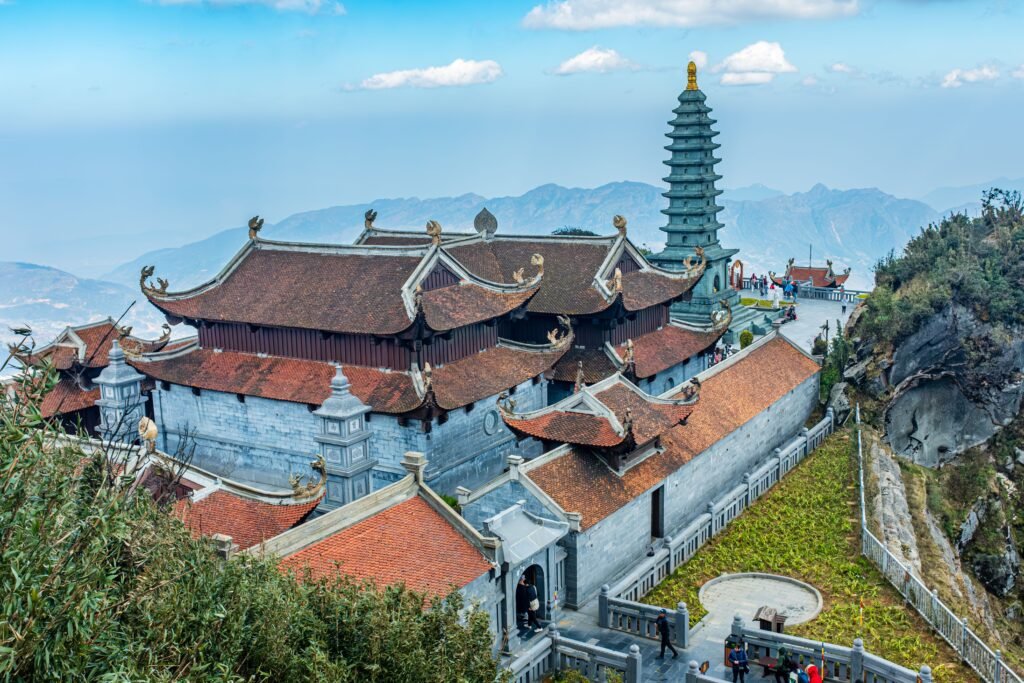
Ha Long Bay is a UNESCO World Heritage Site with nearly 2,000 limestone islands rising from emerald water. It is famous, and famous means crowded. Lan Ha Bay, next to Cat Ba Island, has similar scenery with far fewer boats. If you can, pick Lan Ha.
How the timing works: most 2-day, 1-night cruises board around midday. From Ninh Binh, allow around 3 to 4 hours to get to the departure port. On day 5, cruises usually dock late morning, and the ride back to Hanoi takes about 3 hours. That’s why I suggest booking your Hanoi–Da Nang flight for the evening.
What to do on board: kayaking or paddleboarding, swimming (if the weather allows), a cave visit, a cooking demo, and sunset on the deck.
How to pick a cruise:
- Read recent reviews from the last two or three months, not years-old ones.
- Check the cancellation policy for bad weather. Cruises can be cancelled, especially in typhoon season.
- Confirm what’s included: transfers, meals, kayaking, cave entry.
- Very cheap cruises often mean crowded boats and rushed schedules.
Rough prices per person for a 2-day, 1-night cruise: budget $100–150, mid-range $170–300, luxury $350 and up.
Not worth it? If you’re short on time or the weather is bad, swap the cruise for an extra day in Ninh Binh and a slower Hanoi.
Days 5–7: Da Nang and Hoi An
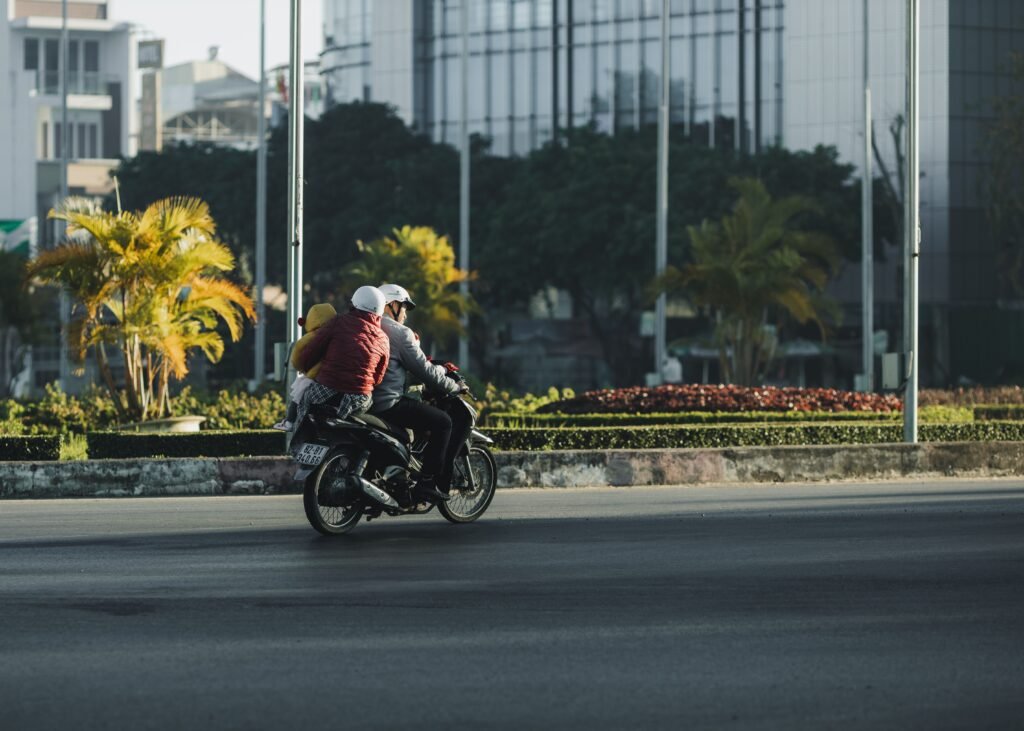
Central Vietnam is where the trip changes gear. The pace slows, the beaches appear, and the food gets even better.
Day 5 (Evening): Fly Hanoi → Da Nang
Take an evening flight, land at Da Nang International Airport, and transfer to Hoi An (about 45 minutes, roughly 30 km). Grab or a pre-booked taxi costs around 300,000–400,000 VND.
Day 6: Hoi An Ancient Town
Hoi An is a UNESCO-listed trading port with yellow houses, tailors, cafes and lanterns. It’s beautiful, and it is also busy, so do it smartly:
- Go early. Walk the Ancient Town between 6:30 and 8:30 am, before the tour groups arrive.
- Buy the Ancient Town ticket. It covers several heritage sites (the Japanese Covered Bridge, old merchant houses, assembly halls) and costs about 120,000 VND. [VERIFY]
- Eat local dishes: cao lau (thick noodles with pork), white rose dumplings, banh mi and com ga (chicken rice).
- Evening: the lanterns come on at dusk and the river fills with candlelit boats. It’s touristy, but it is pretty.
About the tailors: Hoi An is famous for made-to-measure clothing, often ready in a day or two. Get quotes from a few shops, check reviews, and leave time for a second fitting.
Day 7: Beach, Countryside, or My Son
Pick one:
- Beach day: An Bang Beach is relaxed, with sunbeds, cafes and seafood.
- Culture day: My Son Sanctuary, a UNESCO-listed group of ancient Cham temples about 40 km from Hoi An. Go early to avoid the heat.
- Countryside: a bike ride through rice fields, or a basket-boat ride at Cam Thanh coconut village.
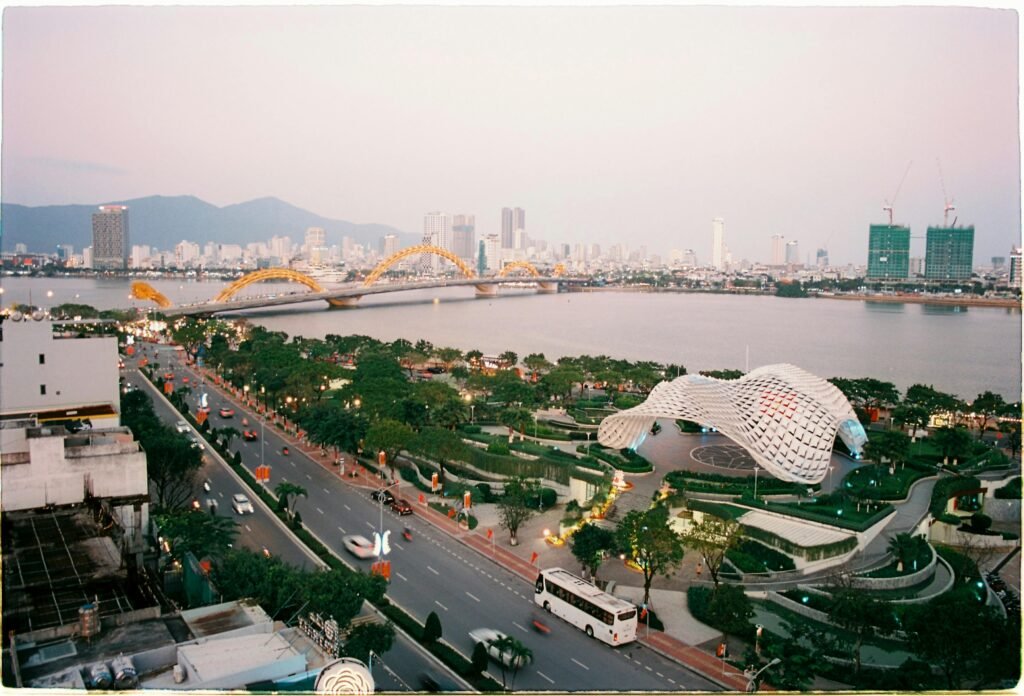
- Da Nang day trip: Marble Mountains, Dragon Bridge (it breathes fire on weekend nights), and Lady Buddha on Son Tra Peninsula. Ba Na Hills and the Golden Bridge are famous but crowded and pricey, so only go if that’s your thing.
Hai Van Pass: the coastal road between Da Nang and Hue is one of Vietnam’s best drives. If you want to do it, hire a car with a driver or an experienced local rider. Do not rent a motorbike unless you are experienced and legally licensed.
Prefer more time in the centre? Swap Hoi An day 7 for a trip to Hue’s Imperial City, but it will add a lot of travel time.
Days 8–10: Ho Chi Minh City (and the Mekong)
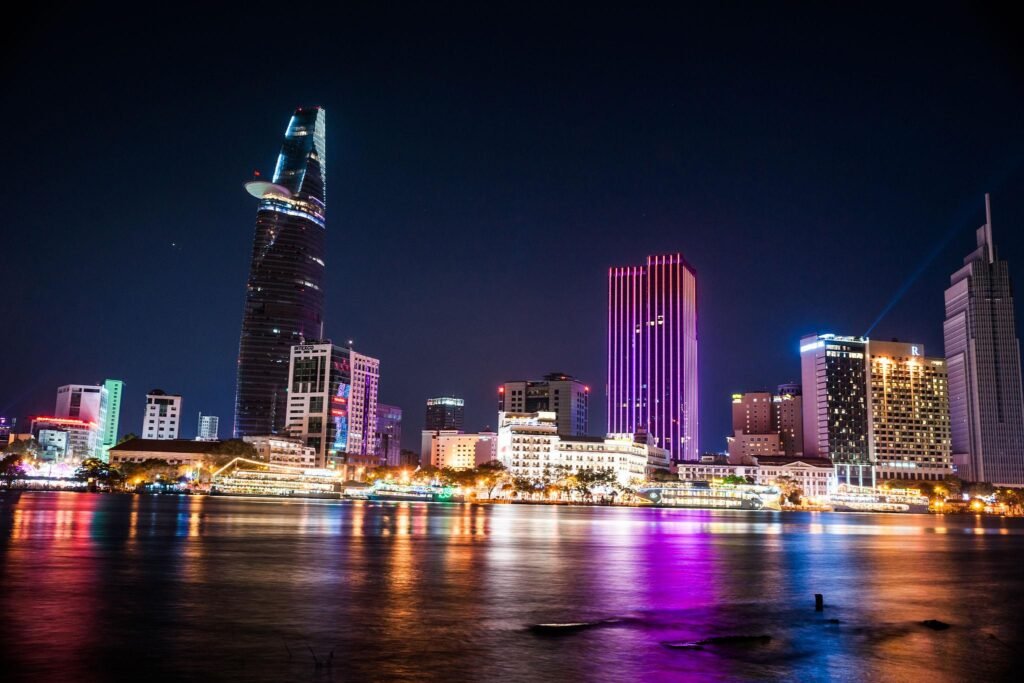
After the calm of Hoi An, Ho Chi Minh City (still called Saigon by most people) feels like someone turned the volume up. It’s fast, modern, humid and full of energy.
Day 8: Fly Da Nang → Saigon, Explore District 1
Take a late-morning flight, check in, and spend the afternoon wandering the city centre:
- Notre-Dame Cathedral Basilica and the Central Post Office (the cathedral has been under renovation for some time, so check its status). [VERIFY]
- Ben Thanh Market: good for a walk-through and snacks, but bargain hard for souvenirs.
- Saigon Skydeck or a rooftop bar for skyline views at sunset.
- Dinner: try com tam (broken rice with grilled pork), banh xeo (crispy pancakes) or hu tieu noodles.
Day 9: History, then Cu Chi or the Mekong
Start at the War Remnants Museum. It presents the Vietnam War from the Vietnamese perspective, and some exhibits are confronting. Allow 1.5 to 2 hours. The Reunification Palace is nearby and shows the moment the war ended in 1975.
Then choose one day trip:
- Cu Chi Tunnels (about 70 km, 1.5 to 2 hours each way): an underground network used during the war. The tunnels open to visitors are widened, but it is still a tight squeeze.
- Mekong Delta (My Tho, Ben Tre or Can Tho): boat rides, fruit orchards, coconut candy workshops and floating markets. Go for a full day tour, or stay overnight in Can Tho for the early-morning floating market.
My take: choose Cu Chi if you’re interested in history, and the Mekong if you want a green, slow-paced contrast to Saigon.
Day 10: Last Coffee, Last Bowl, Departure
Spend the morning on a final coffee (try a cà phê sữa đá, iced coffee with condensed milk), pick up gifts, and head to the airport. Tan Son Nhat Airport is close to the centre, but traffic can be awful, so leave earlier than you think you need to. If your flight leaves in the morning, skip the sightseeing and stay near the airport the night before.
What to Eat Along the Route
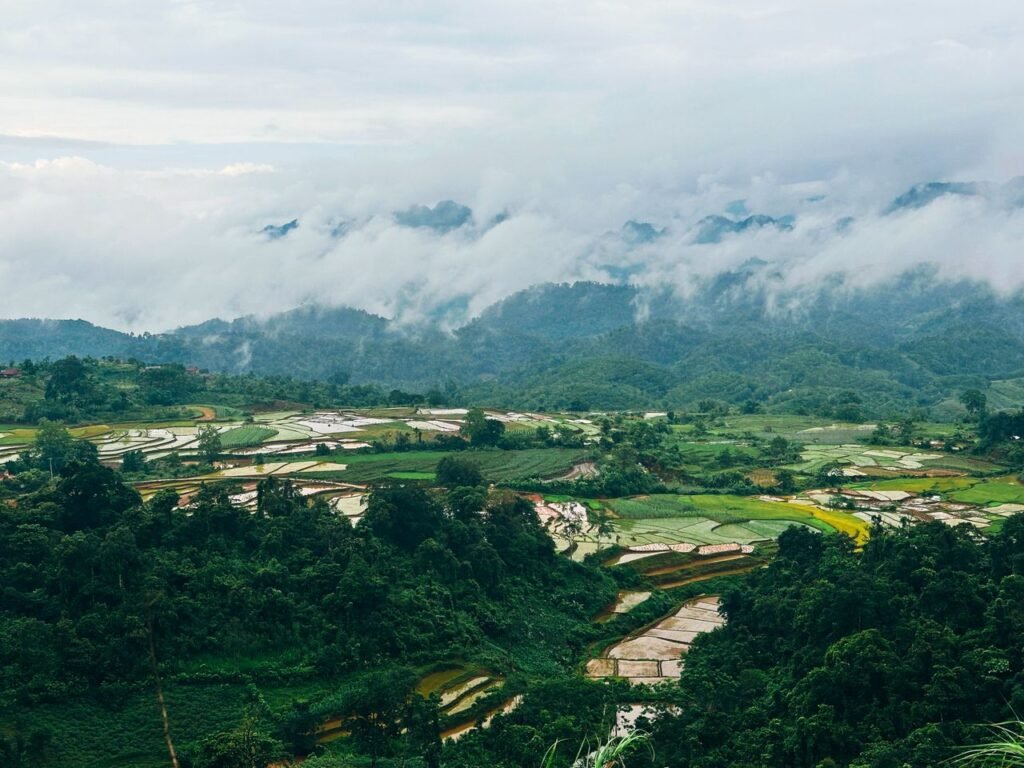
One of the best things about going north to south is that the food changes with you. Vietnamese cooking is regional, and the same dish can taste completely different 1,000 km apart.
- North (Hanoi): Subtle, savoury and herb-heavy. Try pho bo (beef noodle soup), bun cha, cha ca (turmeric fish with dill), banh cuon (steamed rice rolls) and egg coffee.
- Centre (Hoi An, Da Nang): Bolder and spicier. Look for cao lau, mi quang (turmeric noodles with pork or shrimp), white rose dumplings, banh xeo and com ga.
- South (Saigon, Mekong): Sweeter and more generous with herbs and coconut. Order com tam, hu tieu, banh xeo (the southern version is bigger and crispier), fresh spring rolls and Mekong fruit like rambutan, mangosteen and dragon fruit in season.
How to eat street food safely: pick busy stalls with high turnover, choose food that is cooked in front of you and served hot, and skip anything that has been sitting out. Carry hand sanitiser, and don’t drink tap water. If you have dietary needs, learn a few key phrases or save them in your phone, since English isn’t always spoken at local stalls.
Staying Safe and Healthy in Vietnam
Vietnam is generally a safe country for tourists, and violent crime against visitors is uncommon. The everyday risks are more practical.
- Petty theft: Bag and phone snatching from passing motorbikes does happen in big cities. Carry your phone on the side away from the road and use a cross-body bag.
- Taxi and ride scams: Use Grab or a reputable taxi company (Vinasun and Mai Linh are commonly recommended). Insist on the meter if you take a regular taxi.
- Traffic: This is the biggest real danger. Be alert on pavements too, since motorbikes sometimes use them.
- Heat and humidity: Drink plenty of water, wear sunscreen, and plan outdoor sightseeing early or late in the day.
- Health: Check with a travel clinic or your doctor about recommended vaccinations and medications well before you travel.
Also make sure you know your country’s latest travel advisory before you go, and keep digital copies of your passport, visa and insurance.
What Does 10 Days in Vietnam Cost?
Vietnam is good value, but costs vary a lot depending on how you travel. These are estimated per-person costs for 9 nights, based on two people sharing a room, and they exclude international flights.
| Category | Budget | Mid-range | Comfort |
|---|---|---|---|
| Accommodation (9 nights) | $120–200 | $400–550 | $1,000–1,500 |
| Food & drink | $120–180 | $250–350 | $500–700 |
| Domestic flights (2) | $60–120 | $100–160 | $150–250 |
| Local transport & transfers | $60–100 | $100–180 | $250–400 |
| Ha Long / Lan Ha cruise | $100–150 | $170–300 | $350–600 |
| Tours & entry tickets | $60–100 | $120–220 | $300–500 |
| Visa, SIM & insurance | $60–100 | $70–110 | $100–150 |
| Estimated total | $580–950 | $1,210–1,870 | $2,650–4,100 |
What Things Actually Cost
- Bowl of pho or bun cha: roughly $1.50–3.
- Coffee at a local cafe: around $1–2.
- Short Grab bike ride: about $1–3.
- Beer at a local bar: about $1–2.
- Dorm bed: $6–10. Private budget room: $15–30. Mid-range hotel: $40–90.
Hidden Costs People Forget
- Extra baggage fees on budget domestic flights.
- Cruise upgrades and drinks (they are rarely included).
- Airport transfers, especially late at night.
- Tourist site tickets, which add up quickly.
- ATM fees and foreign card fees.
Pros and Cons of the North-to-South Route
| Pros | Cons |
|---|---|
| You experience all three regions and their distinct food, culture and scenery | It’s a fast pace: you’ll change hotels five times |
| Two short flights save days of travel | Flights can be delayed or cancelled, especially in typhoon season |
| Starting in the north and ending in Saigon means a big, easy international departure hub | Weather will rarely be perfect everywhere at once |
| Great mix of culture, nature, beaches and city life | Popular stops like Ha Long and Hoi An can feel crowded |
| Works for first-timers and returning travellers | No time for Sapa, Hue, Dalat, Phu Quoc or the far north |
What about south to north? The reverse route works just as well. Choose it if flights into Ho Chi Minh City are cheaper for you, or if you’d rather end your trip in cool, misty Hanoi. Just check the weather at each end first.
Common Mistakes to Avoid

- Packing in too much. Ten days is tight. Cut a stop rather than rush every one. If you feel overwhelmed, drop Ninh Binh or shorten your Hoi An time.
- Ignoring typhoon season. If you’re travelling from September to November, expect possible disruptions in the centre. Book refundable rooms and flexible flights.
- Booking a cruise on price alone. A $40 cruise is not the same as a $150 one. Read recent reviews and check exactly what’s included.
- Booking tight flight connections. Cruise transfers run late, and traffic in Hanoi is heavy. Book your evening flight, not an afternoon one.
- Renting a motorbike without a valid licence. Vietnam requires the correct licence or a recognised international driving permit, and many travel insurance policies won’t cover you without one. Check the current rules for your country. Traffic is hectic, and accidents are common.
- Accepting the first price at markets. Bargain politely in markets. In restaurants and shops with price tags, don’t.
- Drinking tap water. Stick to bottled or filtered water. Ice in restaurants is generally fine.
Pro Travel Tips

- Get an eSIM or local SIM. Data is cheap. Viettel, Vinaphone and Mobifone are the main local networks, and an eSIM avoids queuing at the airport.
- Download Grab before you land. It works for cars, bikes and food delivery.
- Cross the road slowly and steadily. Don’t run or stop suddenly. Motorbikes will flow around you. It feels scary the first time, but it works.
- Bring a universal adapter. Vietnam uses 220V power and a mix of plug types.
- Dress modestly at temples and pagodas. Cover your shoulders and knees.
- Book cruises and the busiest hotels ahead, especially around holidays. Leave the rest flexible.
- Keep small notes handy. Vendors often can’t change large bills.
- Ask before photographing people. A smile and a gesture go a long way.
- Buy travel insurance. Look for cover that includes medical costs, trip disruption and weather delays.
Who Should Choose What?
This route is a great fit if you want a taste of everything and you’re comfortable moving every one to two days. It’s not the right fit for everyone.
- Choose the full north-to-south route (10 days) if it’s your first time in Vietnam, you want variety, and you don’t mind a quick pace.
- Choose two regions only (for example, Hanoi + Ninh Binh + Ha Long, or Hoi An + Saigon + Mekong) if you like slower travel and hate packing every few days.
- Choose 14 days if you want to add Sapa, Hue, Dalat or the islands without rushing.
- Choose a beach-focused trip (Da Nang/Hoi An + Phu Quoc) if you’re mostly here to relax.
If time gets tight, cut in this order: Mekong or Cu Chi first, then Ninh Binh, then the Ha Long cruise. Keep Hanoi, Hoi An and Saigon.
Frequently Asked Questions
Is 10 days enough to see Vietnam from north to south?
Yes, 10 days is enough to see the main highlights: Hanoi, Ninh Binh, Ha Long Bay, Hoi An and Ho Chi Minh City. You'll need two domestic flights and a fast pace. For places like Sapa, Hue or the Mekong Delta, add extra days.
What is the best way to travel from Hanoi to Ho Chi Minh City?
Flying is the fastest option, at roughly two hours direct. The Reunification Express train takes about 30 hours, so most travellers on a 10-day trip fly at least one leg and skip the long train ride.
How much does a 10-day trip to Vietnam cost?
Excluding international flights, a budget trip costs roughly $580–950 per person, mid-range about $1,200–1,900, and a comfort trip about $2,650–4,100. Costs depend on hotels, your cruise choice and how much you eat out.
What is the best month to travel Vietnam from north to south?
March and April are the best all-round months, with mild weather in the north, dry conditions in the centre and manageable heat in the south. Autumn is also popular, but central Vietnam has typhoon and flood risk from September to November.
Do I need a visa for Vietnam?
It depends on your nationality. Some travellers can enter visa-free for a set number of days, while others need an e-visa applied for on the official government portal. Always check the current rules before booking.
Should I go north to south or south to north in Vietnam?
Both directions work. Choose based on flight prices, the season, and whether you'd prefer to start with Hanoi's culture or Saigon's energy. Check the weather at each end before you decide.
Can I skip Ha Long Bay on a short trip?
Yes. If you're short on time or the weather is bad, Ninh Binh or Lan Ha Bay can replace a traditional Ha Long cruise. Lan Ha is usually quieter, and Ninh Binh is easier to fit into a tight schedule.