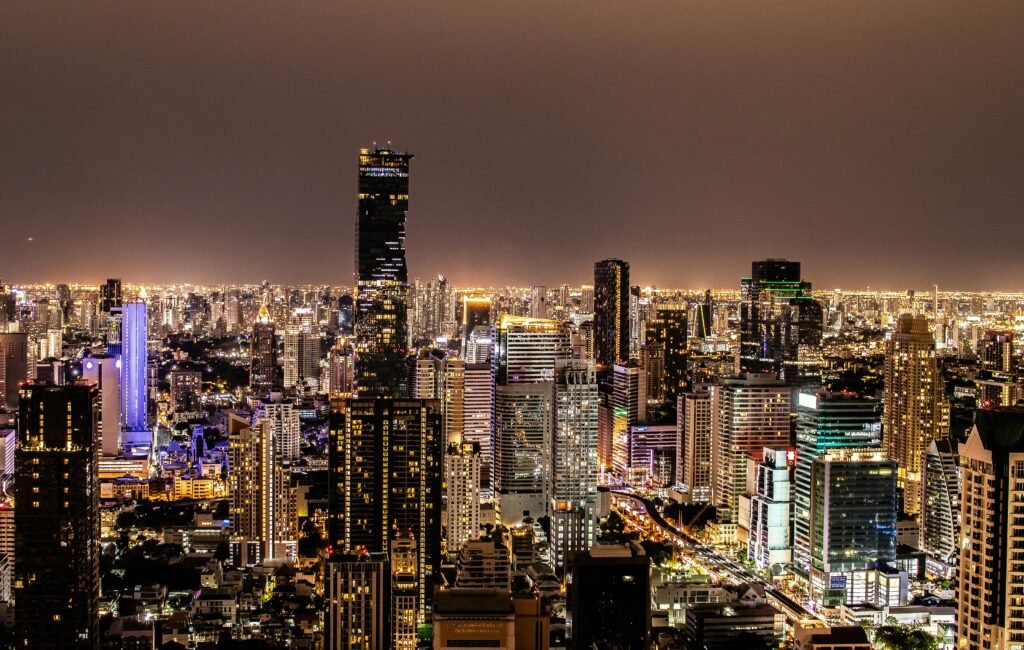
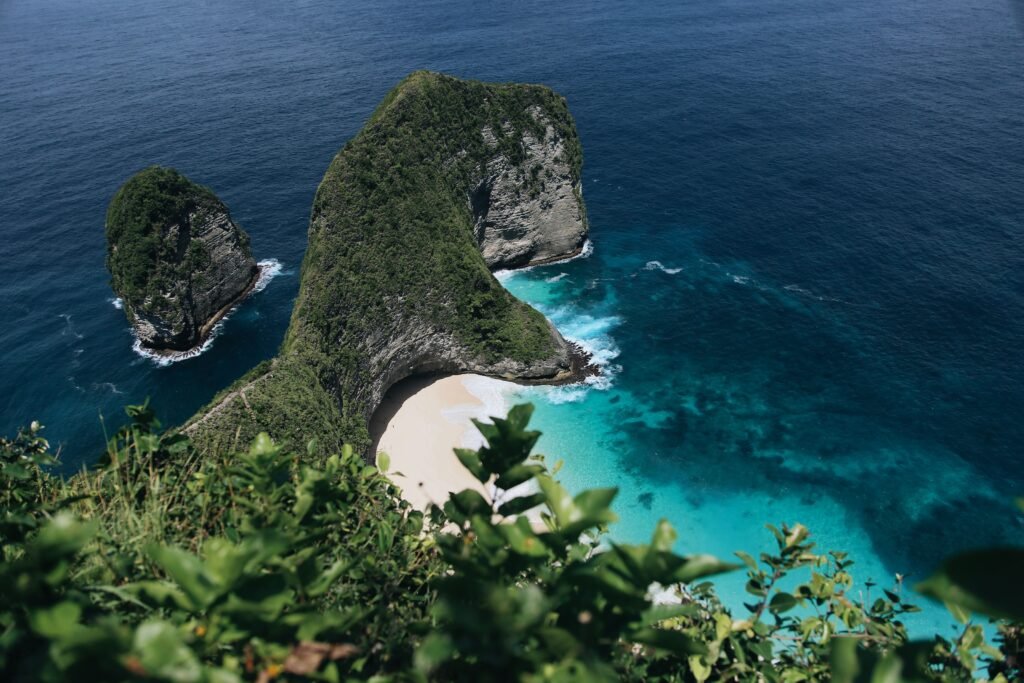
Bali looks compact on the map, and that is exactly the trap. You picture Ubud, Uluwatu, Seminyak and a few waterfalls all sitting close together, and then the traffic quietly eats half your trip. Two hours to cover 40 kilometres is normal here, not a bad day.
So this 5-day Bali itinerary is built around one idea: fewer hotel changes, shorter drives, and enough slack to actually enjoy each place. You will spend two nights in Ubud, two nights in Uluwatu, and finish with a relaxed morning in Seminyak before your flight.
A quick note on how I count. “5 days” here means four nights: you land on Day 1 and fly out on Day 5. If you have five full nights, I have added a note at the end of Day 5 on where the extra night works best.
Everything below is meant to be practical: entry rules, costs, opening times, real drive times, what to skip. Where prices or rules change often, I have said so and told you where to double-check.
The best 5-day Bali itinerary uses two bases. Spend two nights in Ubud for temples, rice terraces and waterfalls, then two nights in Uluwatu for cliffs, beaches and sunset, and finish with a morning in Seminyak before departure. It keeps you to a single big transfer and leaves room for slow mornings.
Table of Contents
ToggleBali in 5 Days at a Glance

| Day | Sleep in | Main plan | Rough drive times |
|---|---|---|---|
| Day 1 | Ubud | Arrive, check in, Campuhan Ridge Walk, dinner | Airport to Ubud: about 1 to 1.5 hours |
| Day 2 | Ubud | Tegallalang rice terraces, Tirta Empul water temple, waterfall or Monkey Forest, evening dance | 30 to 45 minutes between stops |
| Day 3 | Uluwatu | Transfer south, beach afternoon, cliff sunset | Ubud to Uluwatu: about 1.5 to 2.5 hours |
| Day 4 | Uluwatu | Beach morning, Uluwatu Temple, Kecak dance, Jimbaran seafood dinner | 15 to 40 minutes between stops |
| Day 5 | Fly home | Seminyak or Canggu morning, airport | Uluwatu to Seminyak: about 1 to 1.5 hours; Seminyak to airport: 30 to 60 minutes |
Drive times are ranges because Bali traffic is unpredictable. Always add a buffer, especially on Day 3 and Day 5.
Before You Go: Visa, Bali Tourist Levy and Arrival Card
Three separate things catch people out at the airport, and each is paid or filled in on its own. Sort all three before you fly.
1. Visa on Arrival or e-VOA
Most nationalities need a Visa on Arrival (VOA) to enter Indonesia as a tourist. It is valid for 30 days and can be extended once for another 30. Citizens of ASEAN countries do not need one. You can buy the VOA at the airport by card or cash, or apply online before you travel for an e-VOA through Indonesia’s official immigration portal and skip the counter queue. You also need a passport valid for at least six months and proof of onward or return travel.
Fee check before you fly: The VOA and e-VOA currently cost IDR 500,000 (roughly US$28 to 30). In August 2026, Indonesia’s Director General of Immigration presented a proposal to raise the fee to IDR 750,000 for an e-VOA bought online in advance and IDR 1,000,000 for a VOA bought on arrival. At the time of writing, the official portal still showed IDR 500,000. Check the immigration website right before you travel. If the new fees take effect, applying online in advance will be the cheaper route
If you hold an Indian passport, I have covered the details in Is Bali Visa Free for Indians?. To compare visa costs across the region, see Visa Costs Compared: 8 Asian Countries.
2. The Bali tourist levy (IDR 150,000)
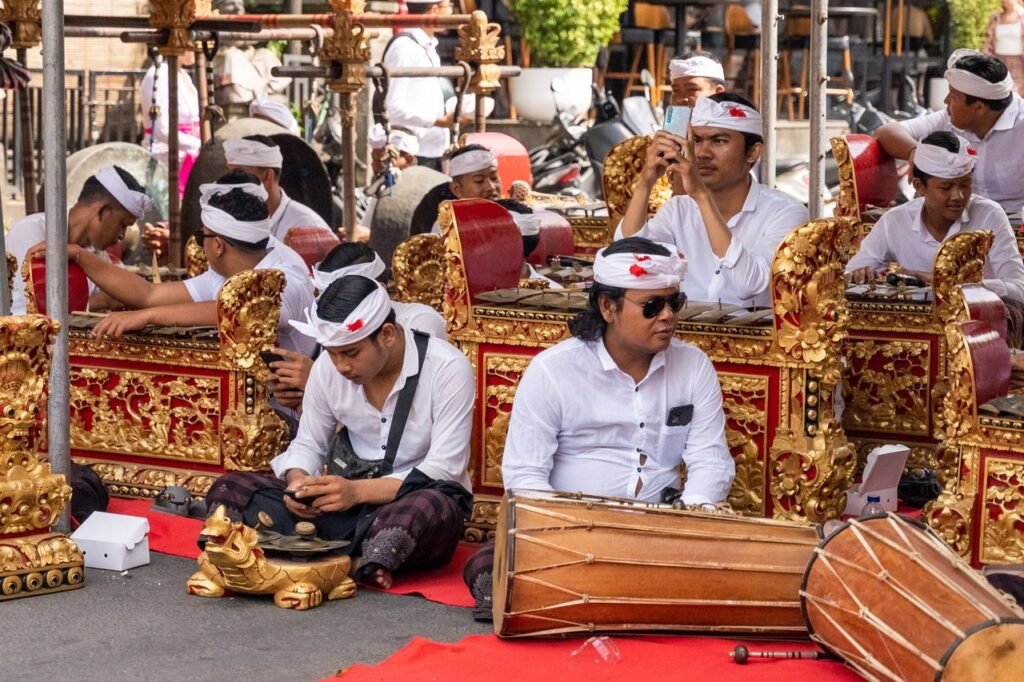
Since 14 February 2024, every foreign visitor entering Bali pays a one-time tourist levy of IDR 150,000, about US$10. It applies per person, children included, and it is completely separate from your visa. One payment covers Bali and the nearby islands such as Nusa Penida and Nusa Lembongan until you leave Indonesia. The money goes to cultural preservation and environmental work run by the Bali provincial government.
Pay it online through the official Love Bali portal before you fly and save the QR voucher. Screenshot it, because airport wifi is not something to rely on. Cashless payment counters also exist at Bali’s airport and seaport, but the whole point is to avoid another queue.
Scam warning: Lookalike websites copy the official portal and charge far more than IDR 150,000, and some send fake QR codes. Type the official address yourself rather than clicking an ad; the genuine Bali government address ends in .baliprov.go.id. Also be wary of drivers or “facilitators” who offer to pay the levy for you. The official amount is IDR 150,000, and nobody should be charging you more.
3. The All Indonesia Arrival Card
Before you land at an international entry point, you also complete the All Indonesia Arrival Card online. It is free and is best submitted within about three days before arrival. You receive a confirmation and QR code to show at checkpoints. This is a customs and immigration form, not a payment, so ignore any site that tries to charge you for it. If you are travelling on a US passport, I answered this in Do US Citizens Need an Arrival Card for Indonesia?.
Quick pre-flight checklist:
- Passport valid for 6+ months, with blank pages
- e-VOA approved (or cash and card ready for the airport VOA)
- Love Bali levy paid, QR voucher saved offline
- All Indonesia Arrival Card submitted, QR saved
- Onward or return ticket on hand
- Some rupiah in cash for the first day
How to Structure 5 Days: Where to Base Yourself
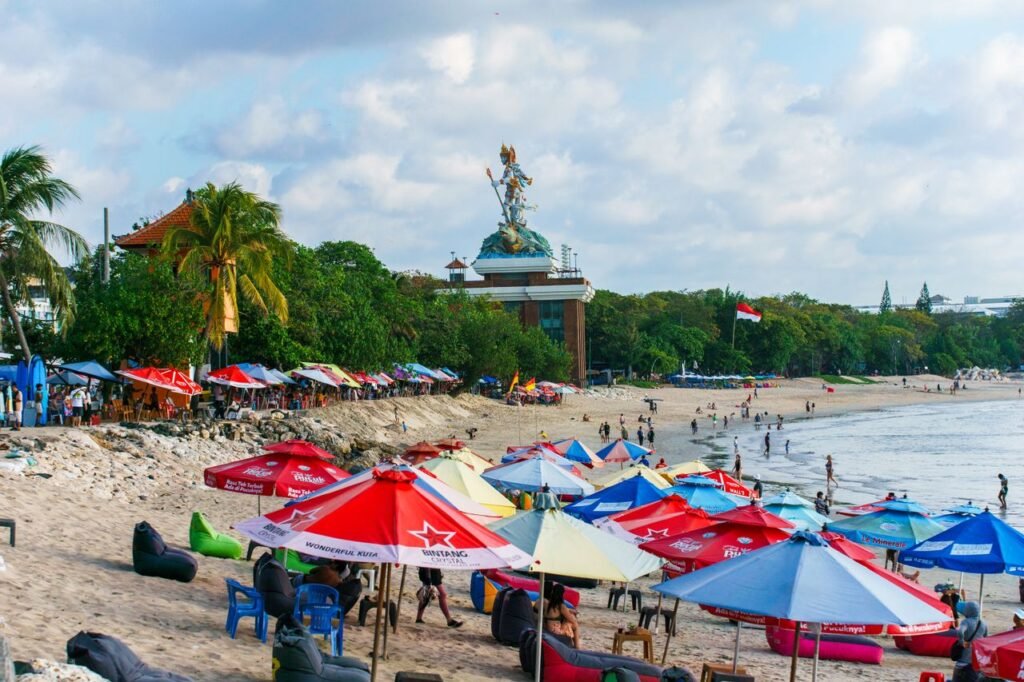
This is where most itineraries go wrong. Every hotel change costs you the better part of a morning: packing, checking out, a long drive, checking in. Do that three or four times in five days and you have spent a full day in a car.
Bali’s three big tourist hubs feel like three different holidays:
| Area | Vibe | Best for | Downside |
|---|---|---|---|
| Ubud | Green, cultural, slow | Temples, rice terraces, waterfalls, cafés, dance | Not near the beach; busy central streets |
| Uluwatu | Cliffs, surf, sunsets | Beaches, views, Kecak dance | Spread out, you need a driver or scooter, steep beach stairs |
| Seminyak / Canggu | Beach clubs, shops, restaurants | Shopping, dining, easy airport access | Heavy traffic, more commercial |
Ubud and Uluwatu sit at opposite ends of what Bali offers, one all culture and greenery, the other all ocean and cliffs. Two nights in each gives you both without rushing, and Seminyak works as a final-morning stop because it is close to the airport.
Where I stayed
My rule for choosing: pick the hotel by location first and by pool second. In Ubud, staying within a short ride of the centre saves you a lot of evening transfers. In Uluwatu, the peninsula is spread out, so choose somewhere close to the beaches or temple you care about most.
Day 1: Arrive and Ease Into Ubud

Do not plan much for today. Between the flight, the visa queue and the drive, you will be tired, and Bali rewards a slow start.
Getting from the airport to Ubud
Ubud is roughly 35 to 40 kilometres from Ngurah Rai airport, and the trip usually takes 1 to 1.5 hours, longer at rush hour. The easiest option is a driver pre-booked through your hotel at a fixed price, so there is no haggling after a long flight. Ride-hailing apps such as Grab and Gojek also work, but airport pickup points are designated, and some areas restrict app pickups.
Late afternoon: Campuhan Ridge Walk
Once you have dropped your bags, head to the Campuhan Ridge Walk. It is free, mostly flat, and takes about an hour round trip. Go in the late afternoon when the light is softer and the heat has eased. It is a gentle first taste of Ubud’s green valleys without demanding much energy.
If you still have energy afterwards, stroll past Ubud Palace (free to walk by) and the Ubud Art Market, which is good for a first look at sarongs, textiles and souvenirs. Do not buy much yet. I cover fair prices and what is worth taking home in What to Buy in Bali.
Dinner
Try a proper Balinese meal tonight. Nasi campur (rice with small portions of meat, vegetables and sambal) is the easy classic. Babi guling (spit-roast pork) and bebek betutu (slow-cooked spiced duck, which some places ask you to order ahead) are the famous specials. Local warungs are the cheapest and often the best.
Day 2: Ubud Culture, a Water Temple and a Waterfall

Lorem ipsum dolor sit amet, consectetur adipiscing elit. Ut elit tellus, luctus nec ullamcorper mattis, pulvinar dapibus leo.
Morning: Tegallalang Rice Terraces
Aim to arrive by about 8 a.m. Entry is typically IDR 25,000 to 50,000, and the famous swings and “nest” photo spots charge extra on top. Walk down the terraces rather than just taking a photo at the top, because the views change as you descend. Bring small cash for entry and for any of the small warungs along the path. Expect steps, and expect to climb back up, so wear proper shoes rather than flip-flops.
Mid-morning: Tirta Empul
From Tegallalang, it is roughly a 20 to 25 minute drive to Tirta Empul, a holy spring temple in Tampaksiring that has been in use for roughly a thousand years. Entry is around IDR 75,000 for adult foreign visitors, and a sarong is required. [CITE: official/temple page or Gianyar listing for the current fee]
The temple is famous for its purification pools, where locals and visitors queue to wash under a row of spouts in a ritual called melukat. If you want to take part:
- Bring a change of clothes and a small dry bag.
- Follow the order of the spouts and watch what others do before you step in.
- Treat it as a religious site first and a photo spot second.
- If you would rather not get in the water, walking the grounds and watching is completely fine.
Afternoon: pick one waterfall or the Monkey Forest
You will have energy for one more stop. Choose based on what you like:
- Tegenungan Waterfall (about IDR 30,000): easy to reach, very popular, so best earlier in the day.
- Tibumana Waterfall (about IDR 25,000): usually quieter, good if you want a calmer setting.
- Sacred Monkey Forest Sanctuary (about IDR 100,000 on weekdays, IDR 120,000 on weekends): a shaded forest with temples and hundreds of macaques. Keep your bag closed and hold nothing you cannot afford to lose, because the monkeys will grab sunglasses, snacks and water bottles.
If it were me, I would pick a waterfall on a hot day and the Monkey Forest on a rainy one, because the forest canopy gives some cover.
Evening: Legong dance or a cooking class
End the day with one cultural evening. Legong dance performances at Ubud Palace cost about IDR 100,000 and are a graceful, traditional introduction to Balinese dance. Alternatively, a half-day Balinese cooking class that includes a market visit can be a fun way to learn the flavours you have been eating. Only do one. You do not need both.
What I would skip on this day
You do not need to visit every waterfall or every swing in Ubud. Trying to cram in four or five stops is the fastest way to turn a lovely day into a blur of car rides. Do fewer things properly.
Day 3: Ubud to Uluwatu and Your First Cliff Sunset

Today is the one big transfer of the trip, so treat it as a half-day and do not overpack the schedule.
The drive south
Uluwatu is about 40 kilometres from Ubud, but the drive typically takes 1.5 to 2.5 hours depending on traffic. Leave by about 9 or 10 a.m. to avoid the worst of the afternoon congestion. A private transfer arranged through your hotel is the most comfortable choice for a day with luggage. Break the journey with lunch somewhere along the way, such as around Jimbaran or Pecatu, so you arrive hungry for beach time rather than cranky from hours in the car. [ADD: the time you left Ubud, the time you arrived in Uluwatu, and what the traffic was like]
Afternoon: one beach, not three
After checking in, choose a single beach. Uluwatu’s beaches are tucked below the cliffs and usually need a walk down steps, so do not try to hop between several in one afternoon.
- Padang Padang: small, scenic, and popular, reached by a short walk down.
- Bingin: cliffside cafés and a dramatic surf break, with a steep staircase down.
- Melasti: a broader beach carved into the cliffs, with easier access than some of the others.
A safety note: many of these beaches have strong currents and surf over shallow reef. Be careful about swimming, check the tide, and watch the local surfers to understand where it is safe.
Sunset on the cliffs
End the day at a clifftop bar or café with an ocean view. Uluwatu is one of the best spots on the island to watch the sun drop into the Indian Ocean. Book ahead in peak season, since the best views get taken.
Day 4: Uluwatu Temple, Kecak Dance and Jimbaran Seafood
Morning: a slow start
After yesterday’s drive, give yourself a slow morning. Have a proper breakfast, swim in your hotel pool, or spend a few hours at a beach you skipped yesterday, such as Nyang Nyang, which is long and quiet but has a very steep staircase.
Afternoon: Uluwatu Temple
Uluwatu Temple sits on a limestone cliff high above the ocean. The complex is open roughly 7 a.m. to 7 p.m. daily. Entry is around IDR 50,000 for foreign adults, and a sarong is included or available at the gate.
Allow one to two hours. A paved path loops along the cliff edge, and the viewpoints are spectacular. The inner sanctum is closed to visitors, so you will be looking from the outside. Guard your belongings. The long-tailed macaques here are notorious for snatching sunglasses, hats, phones and jewellery. Take off anything loose, or keep it in a zipped bag.
Sunset: Kecak fire dance
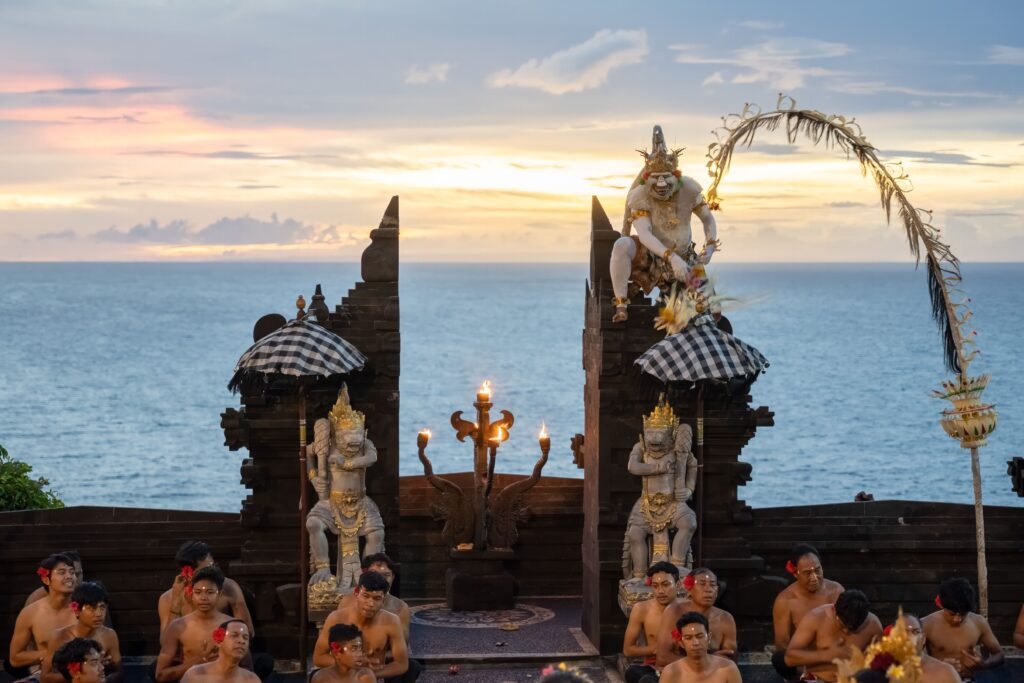
The Kecak dance is performed in an amphitheatre at the temple around sunset, usually starting near 6 p.m., although times shift a little with the season. It is a hypnotic performance in which a circle of men chant in rhythm while dancers act out a scene from the Ramayana epic. It lasts about an hour.
- Tickets are sold separately from temple entry, typically IDR 100,000 to 150,000.
- Buy them early, since the best seats go first. Aim to be there by about 4:30 to 5 p.m.
- Bring cash, because card payment is not always available.
- Check the sunset time for your date so you can plan around it.
Dinner: Jimbaran Bay seafood
Once the show ends, head to Jimbaran Bay, which is roughly 30 to 40 minutes from Uluwatu. Tables sit right on the sand and you choose your fish, prawns, squid or crab, which are grilled over coconut husks. Two tips: ask the price per kilo before you order, and watch it being weighed. Then check the bill carefully, since service charge and tax are often added on top.
Swap option: a Nusa Penida day trip
If you want island scenery instead of Uluwatu’s temple and dance, you can swap Day 4 for a Nusa Penida day trip. Fast boats leave from Sanur, take roughly 30 to 45 minutes each way, and the island’s west coast has dramatic viewpoints such as Kelingking Beach, Angel’s Billabong and Broken Beach. Be honest with yourself about the trade-offs:
- It takes up the entire day, with an early start and a late return.
- Roads on the island are rough and slow.
- Rough seas can delay or cancel boats, so avoid making this your final day before a flight.
If you do the swap, move Uluwatu Temple and the Kecak dance to the evening of Day 3 so you do not lose them.
Day 5: Seminyak Morning and Departure
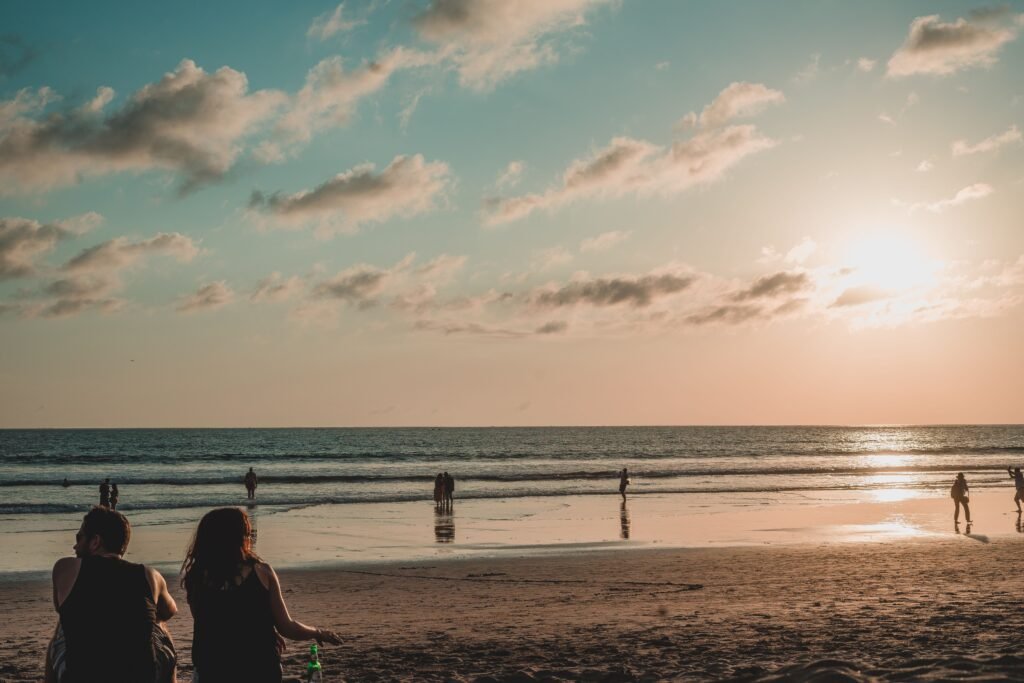
Your last day depends entirely on your flight time. Work backwards from it, and give yourself more buffer than you think you need.
If you have a late flight (evening or later)
Check out of Uluwatu at a comfortable hour, and head north to Seminyak (about 1 to 1.5 hours). Spend the morning browsing boutiques, having a long brunch at one of the many cafés, and visiting the seaside Petitenget Temple. If you still have time and energy, you can push on to Canggu for a beach stroll before heading to the airport. The airport is 30 to 60 minutes from Seminyak depending on traffic. For international flights, plan to be at the airport about three hours before departure.
If you have a morning or early-afternoon flight
Skip Seminyak entirely. Consider sleeping closer to the airport on Night 4, in Jimbaran or Kuta, so you are not fighting a long morning drive. It is far better to sleep near the airport and relax than to risk a missed flight.
If you have five nights instead of four
Add the extra night in Ubud. Day 2 is the most packed day of the trip, and a third night lets you split it into two easier days, or add a second cultural experience such as a cooking class or a quieter waterfall.
Getting Around Bali Without Losing Half Your Trip
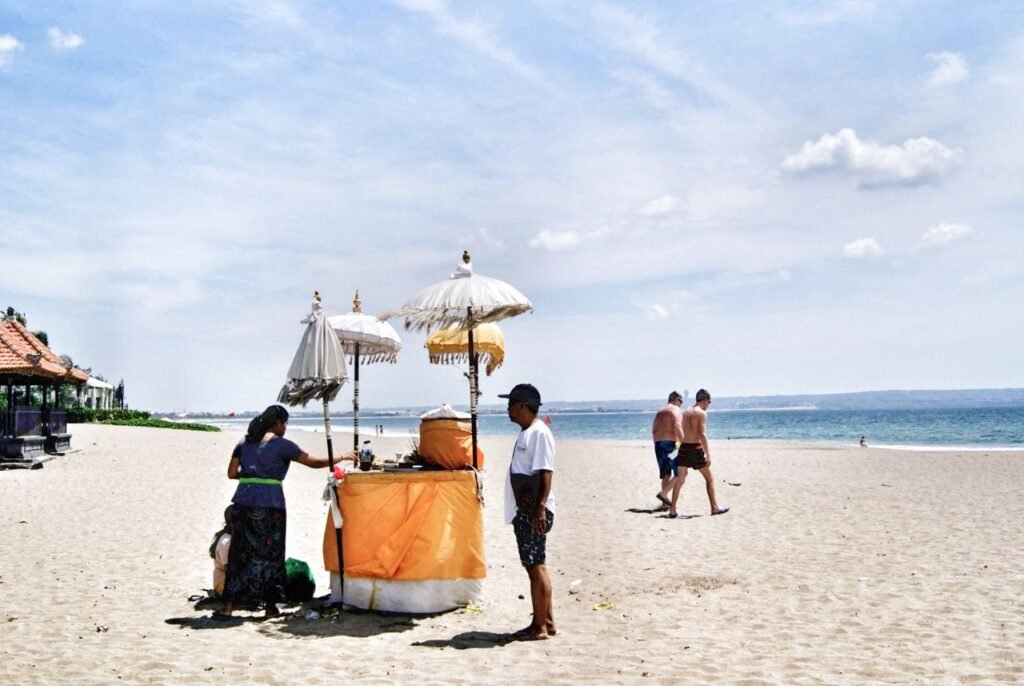
Transport is the biggest factor in whether this itinerary feels relaxed or exhausting. Bali has no metro and no useful public transport for tourists, so you choose between three options.
| Option | Typical cost | Best for | Watch out for |
|---|---|---|---|
| Private driver (full day) | About IDR 650,000 to 900,000 for 8 to 10 hours | Day 2 and transfer days | Ask what is included: fuel and parking usually are, entry fees are not |
| Grab / Gojek | Around IDR 80,000 to 120,000 for a Kuta to Uluwatu ride | Short hops in the south | Some villages restrict app pickups, and return rides from remote spots can be hard to find |
| Scooter | About IDR 70,000 to 100,000 per day | Experienced riders only | Chaotic traffic; you need a valid licence and insurance that covers motorbikes |
For this itinerary, I would hire a driver for Day 2 (when you visit several spread-out sites) and for the Day 3 transfer, then rely on ride-hailing apps or your hotel’s driver for Uluwatu and Seminyak. If you rent a scooter, make sure your licence and travel insurance genuinely cover it.
5-Day Bali Budget: What It Actually Costs
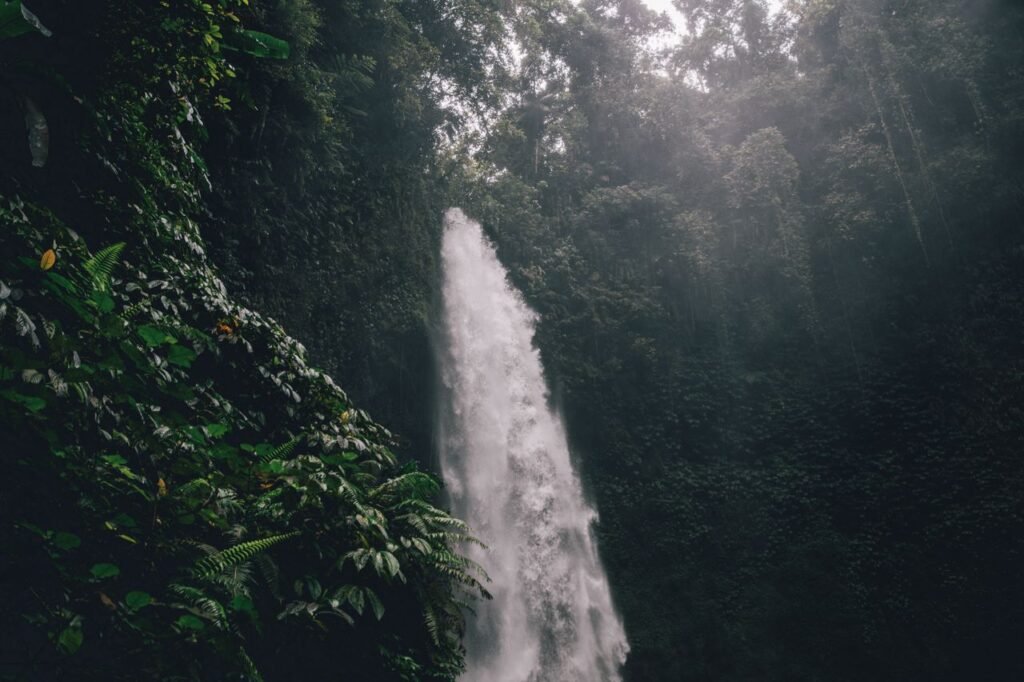
Bali is cheaper than most of Europe, Australia or the US, but it is no longer the ultra-cheap backpacker island people remember. Prices in hotspots like Canggu and Uluwatu have crept up, and there is now a tourist levy on top. Your total depends mostly on where you sleep and how you get around.
The figures below exclude international flights. Ranges vary by source and season, so treat them as a planning guide and check current prices before you book.
Total cost for 5 days by travel style (per person)
| Travel style | Per day (USD) | 5-day total (approx.) | What it covers |
|---|---|---|---|
| Budget | $35 to 55 | $175 to 275 (about IDR 2.9 to 4.5 million) | Hostels or basic guesthouses, warung meals, scooter or Grab, mostly free sights |
| Mid-range | $110 to 160 | $550 to 800 (about IDR 9 to 13 million) | Boutique hotel with AC and pool, mix of local and café meals, private driver on key days |
| Comfort / luxury | $300+ | $1,500+ (about IDR 25 million+) | Private pool villas or resorts, fine dining, a driver every day, beach clubs |
Add roughly US$40 per person for entry costs that everyone pays: about IDR 500,000 for the visa (currently) and IDR 150,000 for the tourist levy. The exchange rate has hovered around IDR 16,000 to 17,000 per US dollar in 2026, so check the live rate before you convert. For readers paying in rupees, published 2026 conversions put the visa at roughly ₹2,700 and the levy at about ₹800, though rates move daily.
Common prices you will actually pay
| Item | Typical price |
|---|---|
| Warung (local eatery) meal | IDR 25,000 to 50,000 |
| Mid-range restaurant meal | About US$6 to 15 |
| Hotel, budget / mid-range / luxury (per night) | US$10 to 25 / US$30 to 80 / US$100 to 300+ |
| Private driver, full day | IDR 650,000 to 900,000 |
| Grab, Kuta to Uluwatu | IDR 80,000 to 120,000 |
| Scooter rental (per day) | IDR 70,000 to 100,000 |
| Tegallalang rice terraces | IDR 25,000 to 50,000 |
| Tirta Empul | About IDR 75,000 |
| Ubud Monkey Forest | IDR 100,000 (weekday), IDR 120,000 (weekend) |
| Uluwatu Temple / Kecak dance | IDR 50,000 / IDR 100,000 to 150,000 |
| Legong dance at Ubud Palace | About IDR 100,000 |
| Tegenungan / Tibumana waterfalls | About IDR 30,000 / IDR 25,000 |
Hidden costs people forget
- Tourist levy and visa, paid before or on arrival.
- Service charge and tax on restaurant bills. Look for “++” on menus, since these can add roughly 20 percent.
- Temple donations and sarong rental, which are small but add up.
- ATM fees from your home bank and the local ATM.
- Airport transfers at both ends.
- Tips. Not compulsory, but drivers and guides appreciate them.
Money tips that save real cash
- Withdraw from ATMs located inside banks or malls, and cover the keypad as you type your PIN.
- Use authorised money changers and count your notes yourself before leaving the counter.
- Carry small notes for entry fees, warungs and parking. Big notes are hard to break.
- Use a card at hotels and larger restaurants, cash almost everywhere else.
Best Time to Visit Bali
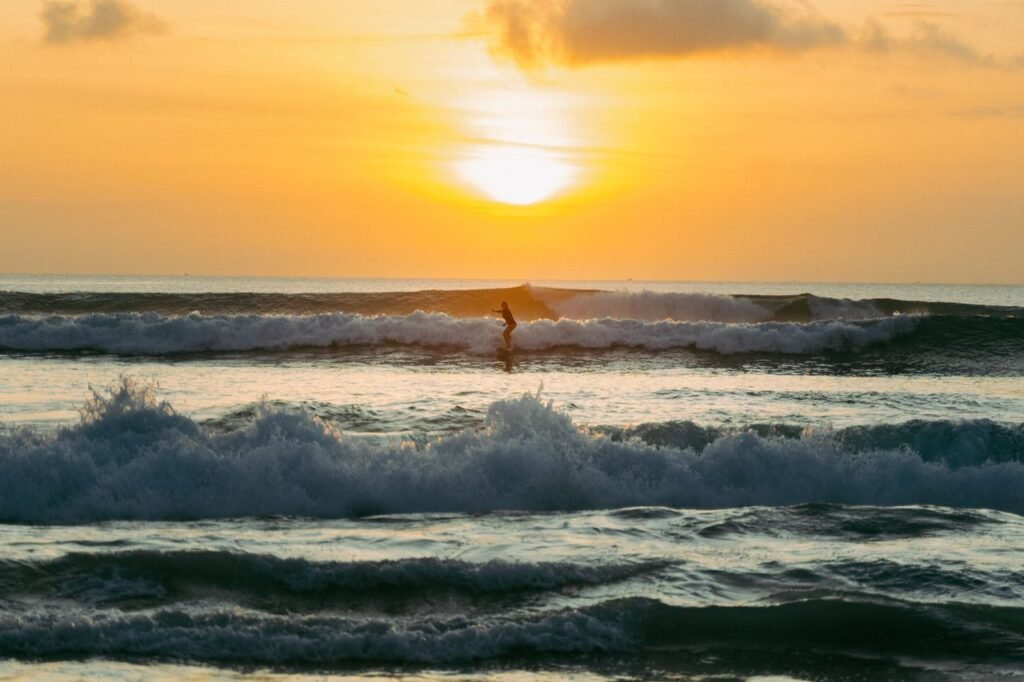
Bali has two seasons rather than four, and your timing affects prices, crowds and how many of these plans survive the weather.
| Months | Season | What to expect |
|---|---|---|
| April to June | Start of dry season | Good weather, fewer crowds. May and June are the sweet spot. |
| July to August | Peak dry season | Best weather but the busiest and priciest time, with heavy traffic. |
| September to October | Late dry season | Still dry, crowds ease. Rain starts creeping in late October. |
| November to March | Wet season | Humid, with afternoon downpours and rougher seas. Cheaper, especially January and February. Christmas and New Year are expensive holiday peaks. |
In short, April to October is the dry season and the best window, and May, June and September give you the best mix of good weather and manageable crowds. The wet season is not a write-off, since rain often arrives in short bursts, but it can cancel boat trips such as Nusa Penida and make rice-terrace walks muddy.
Two things that can wreck your plans
- Nyepi (Day of Silence). This Balinese New Year usually falls in March or April, and the date changes every year. For about 24 hours the island effectively shuts down: the airport closes, roads are empty, and visitors stay in their hotels. Check the date for the year you are travelling.
- Volcanic activity. Mount Agung has disrupted flights in the past. It is worth checking the official monitoring updates before you travel.
Pros and Cons of Spending 5 Days in Bali
| Pros | Cons |
|---|---|
| Covers culture and coast in one trip | Traffic makes distances feel much longer than they look |
| Beginner-friendly, with easy drivers and apps | Popular spots are crowded, especially midday and in peak season |
| Two hotel bases keep the trip relaxed | Nusa Penida, north and east Bali do not fit without cutting something |
| Wide range of budgets | Prices in hotspots have risen, plus levy and visa costs |
| Great food at every price level | Beaches at Uluwatu need stairs and careful swimming |
Common Mistakes to Avoid

- Booking too many bases. Three or four hotels in five days means you spend a day in cars. Stick to two.
- Underestimating traffic. A 40 km drive can take 2+ hours. Build in buffers, especially for Day 3 and your flight day.
- Paying the levy on an unofficial site. Use the official Love Bali portal only, and ignore anyone offering to do it for you.
- Renting a scooter without the right licence or insurance. A crash without cover can turn into a very expensive problem.
- Arriving at popular sites late. Tegallalang and Tirta Empul are far better early, before the tour buses.
- Over-scheduling Day 1. You will be tired. Keep it light.
- Booking a Nusa Penida trip the day before your flight. Rough seas can cancel boats. Leave a weather buffer.
Pro Travel Tips

- Get an eSIM before you land. You will use maps and ride apps constantly.
- Carry a sarong and small cash. Many temples supply sarongs, but having your own is easier.
- Drink bottled or filtered water and avoid tap water, including for brushing teeth if you have a sensitive stomach.
- Dress modestly at temples: shoulders and knees covered.
- Book in advance for drivers, Kecak seating and popular sunset spots in July, August and the holiday period.
- Ask your hotel about local rules on app pickups before relying on Grab or Gojek.
- Check the sunset time before planning Uluwatu evenings.
- Leave one slot free for something spontaneous. The best moments are rarely on the schedule.
Who Should Choose What
This route works for most first-timers, but a few small tweaks suit different travellers:
| If you are… | Do this |
|---|---|
| A culture and food lover | Spend three nights in Ubud and two in Uluwatu, or skip the beach and add a cooking class. |
| A beach and surf traveller | Cut Ubud to one night and add Canggu for an extra beach day. |
| An adventure seeker | Use the Nusa Penida swap on Day 4. |
| A couple | Keep the two-base plan, and book a cliffside sunset dinner in Uluwatu. |
| Travelling with kids | Skip steep beaches, add the Monkey Forest and shorter days. |
| On a tight budget | Use warungs, skip paid activities, share a driver on Day 2 and Day 3. |
If I had to give one bit of advice, it would be this: do less, but do it well. Five days in Bali is enough for a genuinely good first trip, provided you resist the urge to see everything.
FAQ: 5 Days in Bali
Is 5 days enough for Bali?
Yes, for a first trip. Five days is enough to cover two or three areas such as Ubud and the Uluwatu coast at a comfortable pace. It is not enough to also add Nusa Penida, north Bali and east Bali without rushing.
How much does 5 days in Bali cost?
Excluding flights, roughly US$175 to 275 per person on a budget, US$550 to 800 mid-range, and US$1,500+ for luxury, plus about US$40 for the visa and tourist levy. Your real cost depends on where you stay and how you get around.
Where should I stay for 5 days in Bali?
Two bases work best: Ubud for two nights and Uluwatu for two nights. It limits transfers and lets you experience both Bali's culture and its coast.
Do I need a visa for Bali?
Most nationalities need a Visa on Arrival or e-VOA, valid for 30 days and extendable once, plus the IDR 150,000 Bali tourist levy. ASEAN nationals are visa-free. Fees may change, so check the official immigration portal before you fly.
What is the best time to visit Bali?
April to October is the dry season. May, June and September usually give the best balance of good weather and smaller crowds.
Can I visit Nusa Penida during a 5-day Bali trip?
Yes, as a full-day trip by fast boat from Sanur. It replaces one activity day, so most travellers swap it for Day 4 and avoid scheduling it right before a flight.
What is the best way to get around Bali?
A private driver is best for long days and transfers, while Grab or Gojek suit short hops in the south. Ask your hotel about local restrictions on app pickups, and only rent a scooter if you are experienced and properly licensed and insured.