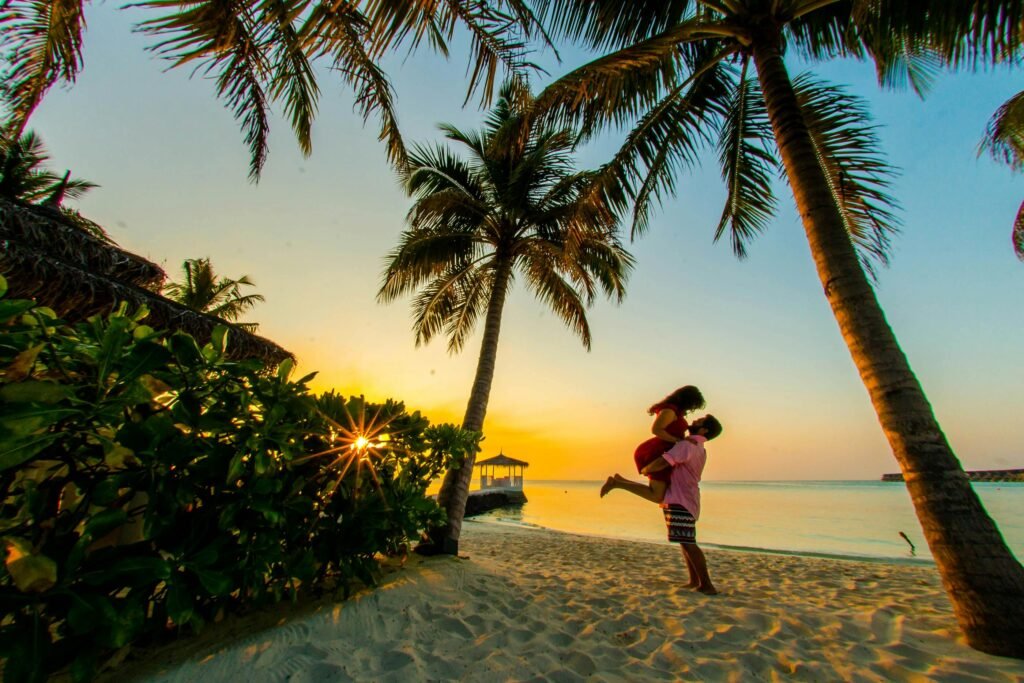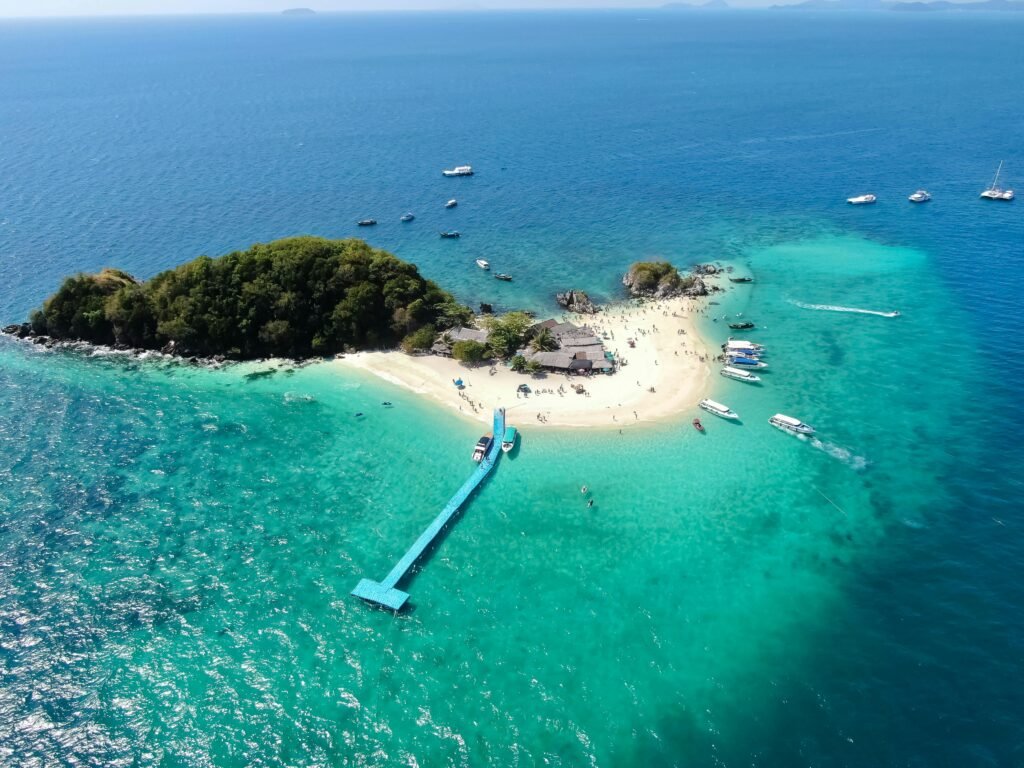
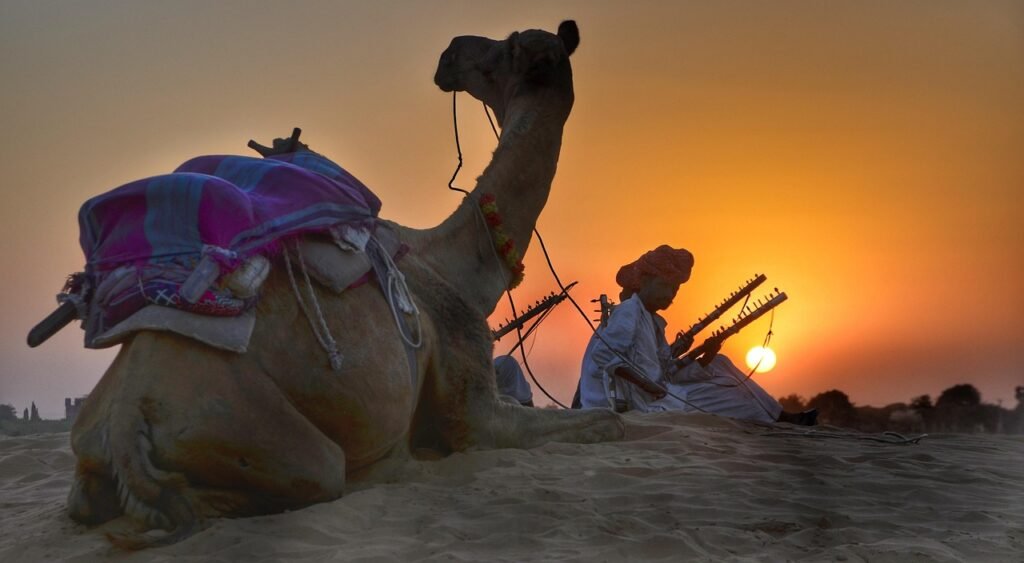
Ask ten travelers which part of Rajasthan is the most beautiful and you’ll get ten different answers. One will swear by the lakes of Udaipur. Another will go quiet and then describe sunset on the dunes near Jaisalmer. Someone else will tell you Jodhpur’s blue rooftops beat everything.
They’re all right. That’s what makes planning this state so frustrating.
So let’s skip the “it depends” and give you a real answer first.
Udaipur is the most beautiful city in Rajasthan for most travelers, thanks to its lakes, palaces and Aravalli hills. Jaisalmer is the most beautiful for desert scenery, and Jodhpur is the best for sweeping fort-and-skyline views.
The rest of this guide explains why, who each place suits, what it costs, when to go, and where each one disappoints. Rajasthan is a big state, and a badly planned route can mean long hours on the road for very little payoff. I want you to avoid that.
Planning the wider trip? Our India travel guidelines cover entry rules, and our top 10 tourist places in India shows where Rajasthan fits in the bigger picture.
Table of Contents
ToggleRajasthan's Most Beautiful Regions at a Glance
If you only have a minute, this table does most of the work. Details for each place follow below.
| Place | Known for | Best for | Ideal stay | Best season | Type of beauty |
|---|---|---|---|---|---|
| Udaipur | Lakes, palaces, Aravalli hills | Couples, first-timers, slow travel | 2–3 days | Oct–Mar (lakes look fullest after the monsoon) | Lake and hill scenery |
| Jaisalmer | Golden fort, Thar Desert dunes | Desert lovers, photographers | 2–3 days | Nov–Feb | Desert and fort |
| Jodhpur | Mehrangarh Fort, blue old town | Skyline views, culture | 2 days | Oct–Mar | Fort and city views |
| Jaipur | Amber Fort, palaces, bazaars | First-timers, short trips | 2–3 days | Oct–Mar | Architecture and history |
| Bundi | Stepwells, hillside palace | Offbeat travelers | 1–2 days | Oct–Mar | Old-world charm |
| Pushkar | Sacred lake, ghats | Slow, spiritual travel | 1–2 days | Oct–Mar | Lakeside atmosphere |
How I Judged "Beautiful" (Because It Isn't Obvious)
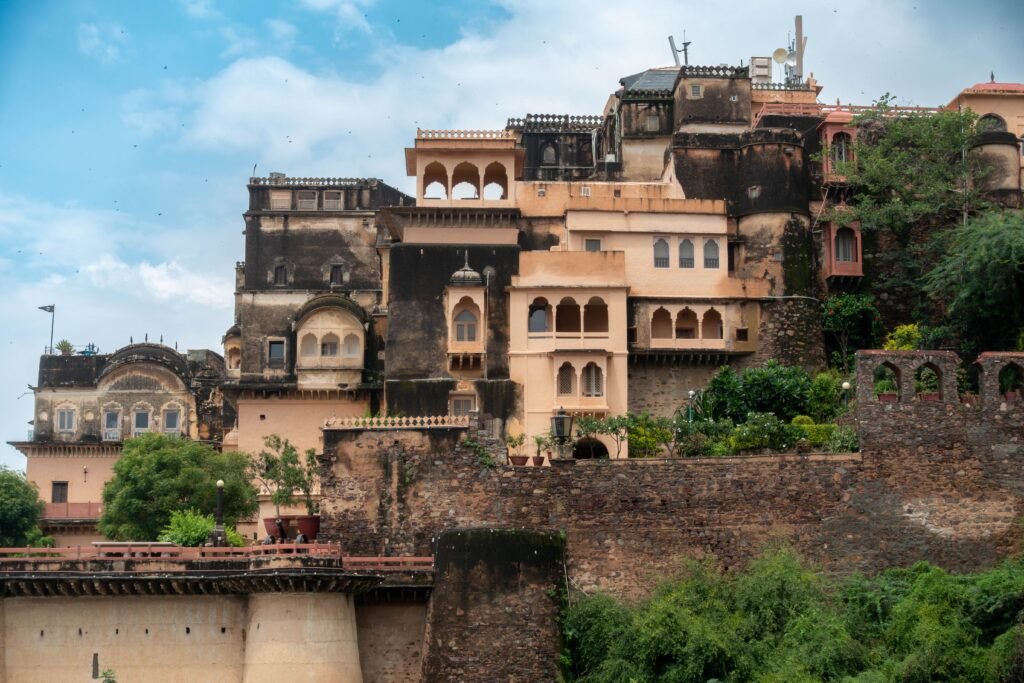
“Beautiful” means different things to different people. A photographer, a honeymooning couple and a history nerd will not rank these places the same way. So I used five simple criteria:
- Natural scenery: lakes, hills, desert, open landscape.
- Architecture and heritage: forts, palaces, havelis, how well they’ve survived.
- Light and photography: sunrise and sunset views, and how easy they are to reach.
- Atmosphere: crowds, noise, cleanliness, how pleasant it is to simply walk around.
- Wow factor per day spent: is the beauty worth the travel time to get there?
For an objective anchor, I also looked at what UNESCO has recognised. The Hill Forts of Rajasthan (listed in 2013) include Chittorgarh, Kumbhalgarh, Ranthambore, Gagron, Amber and Jaisalmer, and the walled city of Jaipur was added in 2019. That list is a good sign of which places are historically exceptional, though a UNESCO tag doesn’t always mean the most pleasant visit.
Two honest caveats. Beauty is personal, so treat this as a well-informed opinion and not a law. And the state is large, so the “best” place for you also depends on how much time you want to spend in trains and cars.
Udaipur: Rajasthan's Most Beautiful City
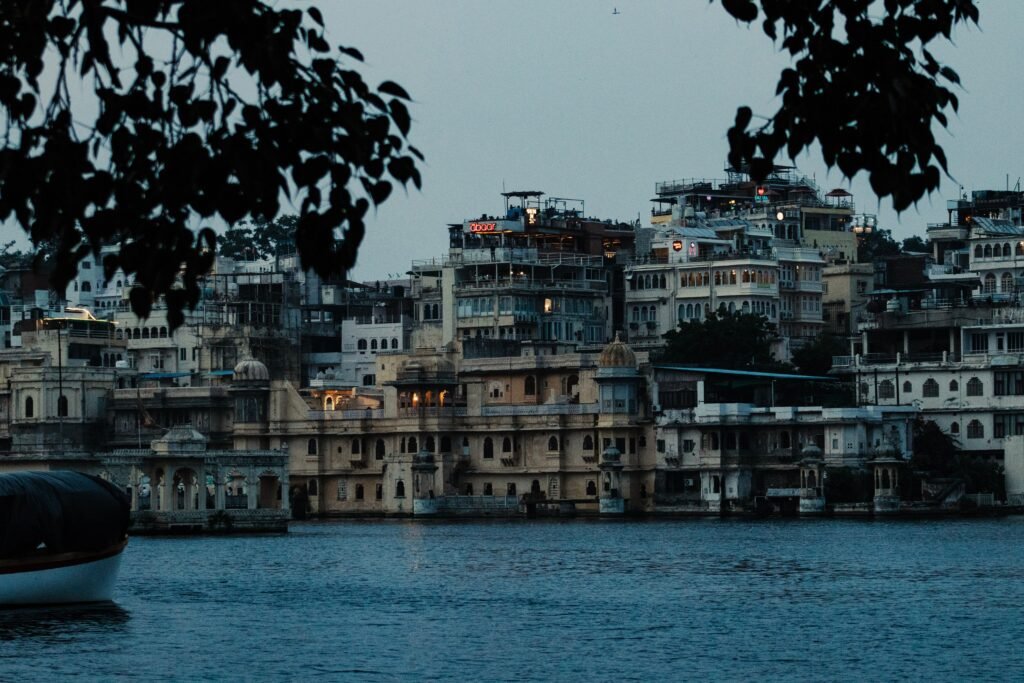
If I had to pick one place to show someone who has never seen Rajasthan, it would be Udaipur. Most of the state is dry, golden and dramatic. Udaipur is the surprise: water, green hills and white palaces all in one frame.
Why Udaipur wins on scenery
The city sits around a chain of lakes with the Aravalli hills behind it. Lake Pichola is the star, with the City Palace rising along its eastern bank and the Jag Mandir island palace floating in the water. The Taj Lake Palace sits in the middle of the lake like a white ship, and it’s one of the most photographed buildings in India.
Founded in the 16th century as the Mewar capital, the city has a calm, almost cinematic feel. Old havelis, narrow lanes, temples and rooftop cafes all face the water. Unlike Jaipur or Jodhpur, you don’t need a big sightseeing list here. Just walking the ghats at golden hour is enough.
The best viewpoints and sunset spots
- Ambrai Ghat: a popular spot for the City Palace and Lake Pichola glowing at sunset, especially from the ghat’s edge or a nearby cafe.
- Gangaur Ghat and Bagore Ki Haveli: great for evening light and a quieter lakeside walk.
- Fateh Sagar Lake: a bigger, more open lake that locals love in the evening. Good for a relaxed walk and street snacks.
- Sajjangarh (Monsoon Palace): a hilltop palace with wide views over the city and lakes. Plan it for late afternoon.
- Saheliyon Ki Bari: landscaped gardens with fountains. A calm break from the lakefront crowds.
- Jagdish Temple: a busy, atmospheric temple in the old city, worth a short stop.
Day trips from Udaipur
- Kumbhalgarh Fort (about 85 km): a UNESCO-listed hill fort known for its very long defensive wall. The setting among the hills is what makes it special.
- Ranakpur Jain Temples (about 90 km): intricately carved marble temples in a forested valley.
- Haldighati: a historic battlefield site tied to the Mewar story. Good for history lovers.
Kumbhalgarh and Ranakpur combine well into one full day. Start early so you’re not rushing back in the dark.
Where Udaipur disappoints
- Crowds in peak season: December and January can feel packed around the main ghats and the City Palace.
- Boat ride queues: if you want a sunset ride on Lake Pichola, expect waits at busy times.
- Pricey rooftop cafes: the view is good, but the food and prices don’t always match. Pay for the view, not the meal.
- Water levels: after a weak monsoon or in the dry months, the lakes can look noticeably lower and less photogenic.
Who should choose Udaipur: couples, first-timers, anyone who prefers water and hills to desert, and travelers who want a relaxed pace.
Jaisalmer: The Best Place for Desert Scenery
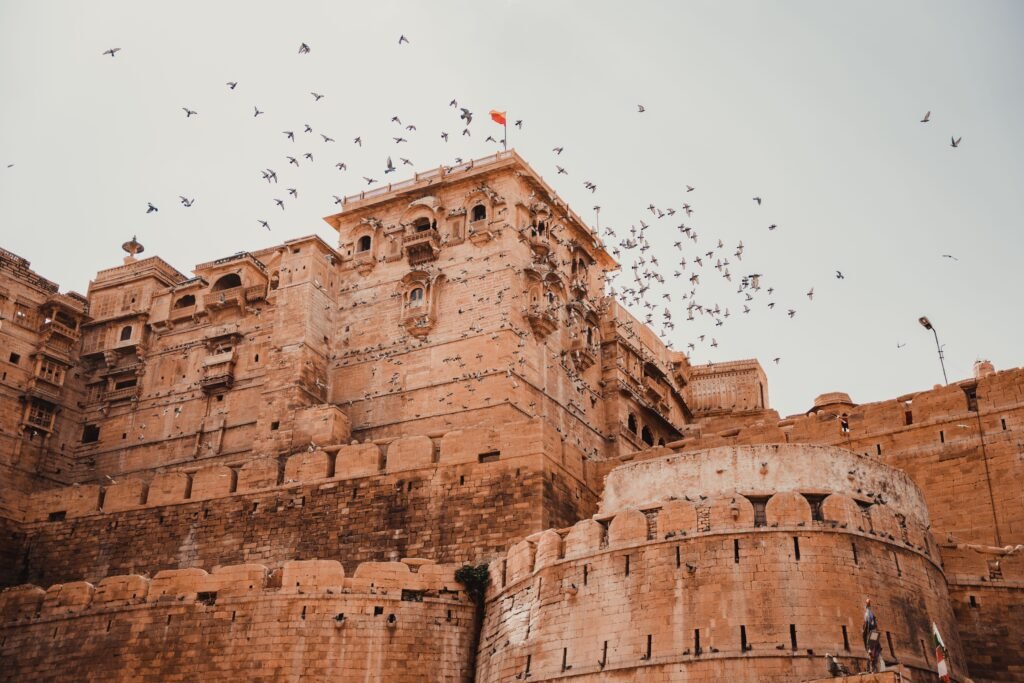
Jaisalmer is the opposite of Udaipur, and that’s the point. It sits close to the Thar Desert, and the whole town is built in honey-colored sandstone that glows gold in the evening. Nothing else in Rajasthan feels this far from the modern world.
The fort and the golden-city glow
Jaisalmer Fort, often called Sonar Qila (the Golden Fort), is one of the few “living forts” in India. People still live and run shops and guesthouses inside its walls. It was founded in the 12th century, and the yellow sandstone shifts from pale gold at midday to deep amber near sunset.
Walk the lanes inside the fort, then look out from the ramparts over the town. Outside the walls, the havelis, such as Patwon Ki Haveli, Nathmal Ki Haveli and Salim Singh Ki Haveli, show how detailed the carved sandstone work could be. Gadisar Lake is a calm early-morning stop, and Bada Bagh, with its royal cenotaphs, is a popular sunset spot.
The dunes: Sam vs Khuri
Most visitors head into the desert for a camel ride, a dune sunset and a night in a camp. The two main areas are:
- Sam Sand Dunes (roughly 40 km from town): the larger, better-known dune field. It’s easy to reach and has plenty of camps, but it can get very busy and commercial at sunset.
- Khuri: a smaller village area with quieter dunes. It feels more relaxed and less crowded, though the dunes are smaller.
If you want the classic wide-open dune photo, Sam delivers. If you’d rather have a calmer evening with fewer jeeps and fewer people, Khuri or a camp away from the main strip is usually better.
Is a desert safari worth it?
Usually yes, if you choose carefully. A desert evening, with a camel ride, sunset, folk music and a night sky with little light pollution, is a highlight for many travelers. But camps vary a lot. Some are simple tents, while others are proper luxury setups. Before booking, check:
- The camp’s exact location (is it truly in the dunes, or beside a road?).
- Whether the price includes dinner, show, transfers and breakfast.
- Recent reviews from other travelers, especially on cleanliness and bathrooms.
- The season: winter nights get properly cold, so ask about blankets or heating.
Reality check: what to know before you go
- It’s far. Jaisalmer is roughly 280–300 km from Jodhpur, and the road trip usually takes about 5–6 hours. Plan around that.
- It’s hot in summer and cold on winter nights. Nov–Feb is the sweet spot.
- The fort is under strain. Conservationists have raised concerns about water use and wear on the old structure from tourism and living inside it. Choose your stay mindfully, and consider a guesthouse outside the walls.
- Tout pressure. Expect some persistent drivers and agents. Book camps and tours through places you’ve checked yourself.
- Kuldhara, the abandoned village near town, is an interesting short stop, but don’t expect it to be the highlight of your trip.
Who should choose Jaisalmer: desert lovers, photographers, adventurous couples, and anyone who wants something that feels dramatically different from the rest of India.
Jodhpur: The Blue City and Its Skyline
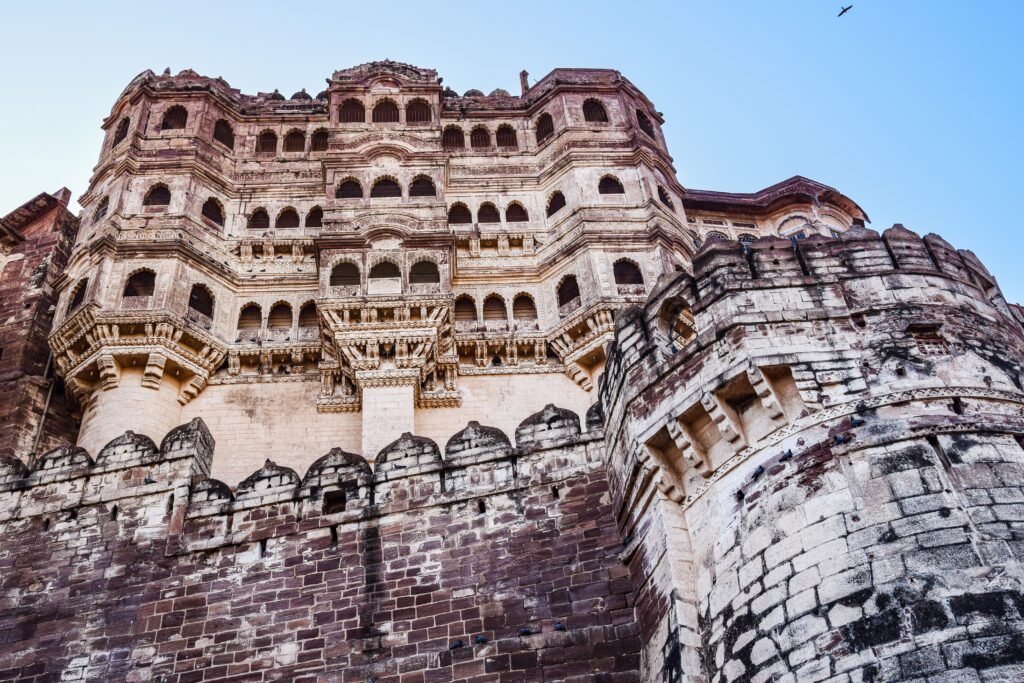
Jodhpur is a city you look down on, and that’s what makes it special. The best views in Rajasthan’s blue city come from above, and the thing you’re looking down from is a fort that’s hard to forget.
Mehrangarh Fort and the view over the blue houses
Mehrangarh Fort sits on a high rock above the old town and dominates the skyline. It was founded in the 15th century, and from its ramparts you look out across a sea of blue-washed houses. The fort is large, well kept and has a very good museum with palace rooms, courtyards, weapons and royal artifacts. An audio guide is widely recommended here, since the history is easier to follow with context.
Popular explanations for the blue paint vary. It’s often linked to Brahmin households, and some say it helps keep houses cooler or discourages insects. Whatever the real reason, the effect from above is striking.
Where to get the best views
- Mehrangarh ramparts: the classic viewpoint over the old city.
- Jaswant Thada: a white marble memorial close to the fort, lovely in soft morning light.
- Rooftop cafes in the old town: several look straight up at the fort, especially nice at sunset when the lights come on.
- Brahmpuri area: wander the blue lanes for close-up photos. Be respectful, since people live here.
- Clock Tower and Sardar Market: busy, colorful and full of spices, textiles and snacks. Look for the famous makhaniya lassi nearby.
- Umaid Bhawan Palace: a grand 20th-century palace, part museum and part luxury hotel.
- Mandore Gardens and Toorji Ka Jhalra stepwell: quieter stops if you have extra time.
Downsides to expect
- Traffic and noise in the old town can feel intense.
- Touts and commission agents are common near the clock tower and the fort approaches.
- Heat: summer is hard work, and the fort involves a fair amount of walking.
Who should choose Jodhpur: travelers who love big, dramatic views and fort history, and anyone building a route between Jaipur, Udaipur and Jaisalmer, since Jodhpur sits neatly in the middle.
Jaipur: Beautiful, but Beautiful in a Different Way
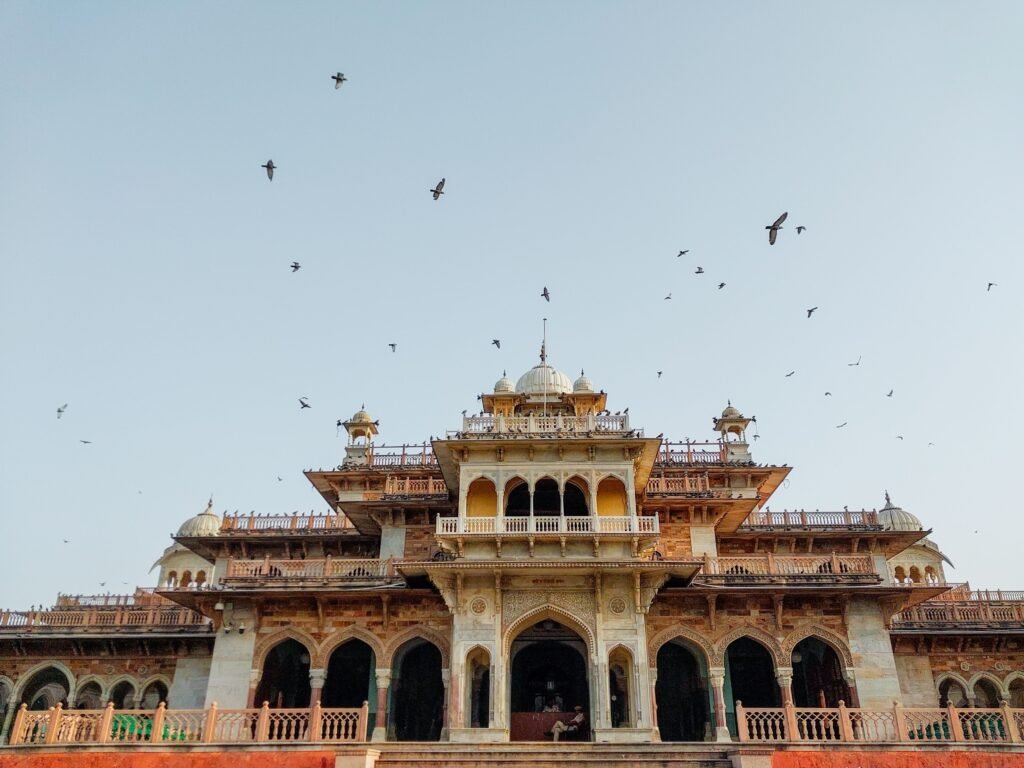
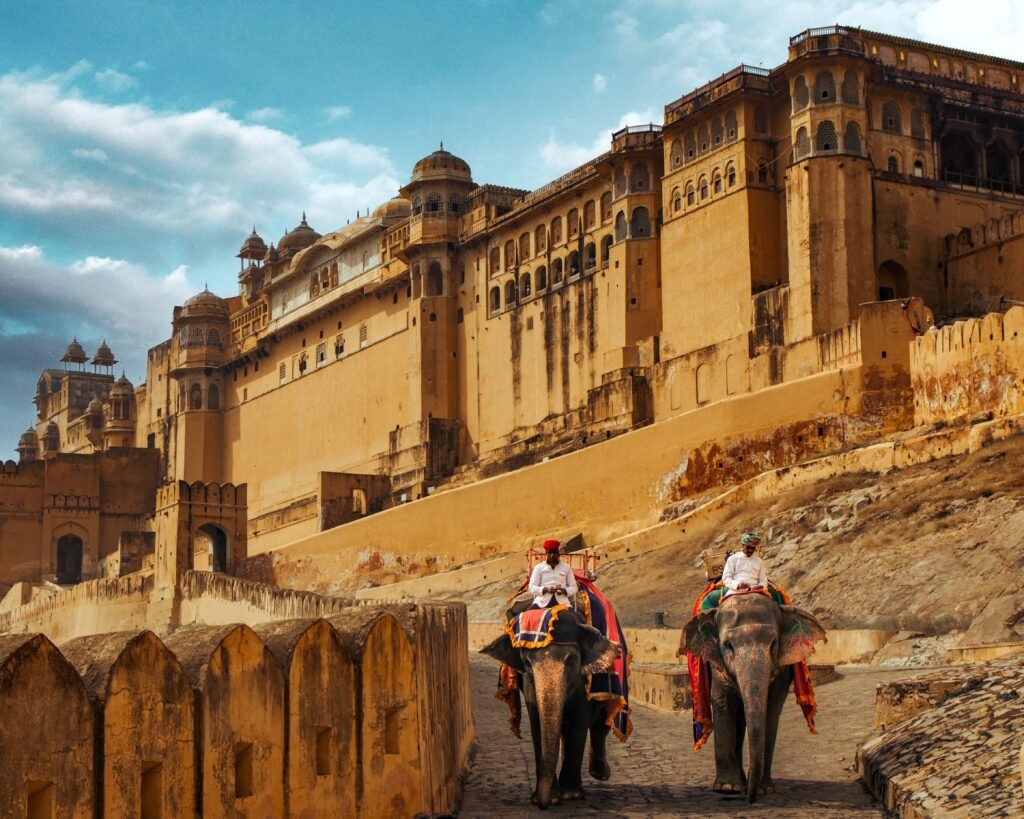
Here’s where I’ll be honest, because most guides won’t. Jaipur is spectacular, but it’s not “scenic” in the way Udaipur or Jaisalmer is. Its beauty is in its architecture and history, and it comes with traffic, crowds and a lot of hustle.
What's actually worth your time
- Amber (Amer) Fort: the highlight. Its mirrored halls, courtyards and hillside setting are genuinely impressive. It’s part of the UNESCO Hill Forts of Rajasthan listing.
- City Palace: still partly a royal residence, with museums and detailed courtyards.
- Hawa Mahal: famous, but best admired from the street or a cafe opposite. You don’t need long inside.
- Jantar Mantar: an 18th-century astronomical observatory, also UNESCO-listed.
- Nahargarh and Jaigarh Forts: good for sunset views over the city.
- Jal Mahal: a palace in a lake, best as a quick photo stop.
The “Pink City” nickname goes back to when the old city was painted pink, often linked to a royal visit in the 19th century. The walled city was planned in the 1700s, which is why it feels more organised than other old Indian cities.
The honest downsides
- It’s busy and noisy, with heavy traffic and plenty of hawkers.
- Scams such as gem, carpet and “special price” shop detours are well known. Agree on prices first and don’t be rushed.
- Some sights, like Hawa Mahal, are more impressive from the outside than the inside.
- Entry costs can add up, though a composite ticket for several Jaipur monuments exists. Check the current price and validity before you go.
Who should choose Jaipur: first-time visitors, short trips, and travelers arriving by train from Delhi. It’s the easiest city to reach and a good starting point for Rajasthan.
Underrated and Beautiful: Places Most Guides Skip
The famous four get most of the attention. These quieter places are where Rajasthan feels more personal.
Bundi: old-world charm without the crowds
Bundi is a small town with a hillside palace, an old fort (Taragarh), a lake and beautiful stepwells such as Raniji Ki Baori. The Bundi Palace has old wall paintings that many visitors consider among the best in the region. It’s quiet, affordable and photogenic, and it’s a good alternative if you find Udaipur too busy.
Pushkar: lake, ghats and a spiritual atmosphere
Pushkar surrounds a sacred lake with bathing ghats and temples, including one of the few Brahma temples in India. It has a relaxed, bohemian feel. Note that Pushkar is a holy town, so it’s strictly vegetarian, and alcohol is restricted. The Pushkar Camel Fair takes place around the full moon in the Hindu month of Kartik (usually late October to November).
Chittorgarh and Kumbhalgarh: fort scenery
Chittorgarh is one of India’s largest forts, with towers, palaces and temples spread over a hill, and it’s central to Rajput history. Kumbhalgarh is more about setting, with its long wall winding across the Aravalli hills. Both are UNESCO-listed.
Ranthambore: fort landscape and tigers
Ranthambore is best known for tiger safaris, but the national park also includes a dramatic old fort. Safaris must be booked in advance, and the park typically closes during the monsoon, so check dates before planning.
Mount Abu: Rajasthan's only hill station
Mount Abu is a cool retreat in the Aravallis with Nakki Lake, sunset points and the famous Dilwara Jain temples. It’s a welcome break from the heat, especially in summer, though it gets crowded on weekends and holidays.
Bikaner and Shekhawati: for a second trip
Bikaner has the impressive Junagarh Fort, and the Shekhawati region (towns like Mandawa and Nawalgarh) is known for havelis covered in painted murals. They’re worth knowing about if you have time beyond the classic route.
Best Time to Visit Each Part of Rajasthan

Timing changes how beautiful Rajasthan looks and feels, so this matters more than most people expect.
Winter (October to March): best overall
This is peak season for good reason. Days are pleasantly warm and nights are cool, which makes sightseeing comfortable. Jaisalmer’s desert nights can get properly cold in December and January, so pack layers. Expect higher prices and bigger crowds at Udaipur, Jaipur and Jodhpur, especially around Christmas and New Year.
Monsoon (July to September): green and quiet
Rajasthan receives far less rain than much of India, but the Aravallis around Udaipur and Mount Abu green up beautifully, and lakes fill. It can be humid, and heavy rain can disrupt sightseeing. Jaisalmer is quiet but much less rewarding in this season. Ranthambore’s park is generally closed.
Summer (April to June): only if you must
Temperatures in many parts of the state can climb very high. Visits are possible, but outdoor sightseeing is tough in the middle of the day. On the plus side, hotels are cheaper and the big sights are less crowded. Mount Abu is the better choice for a cooler break.
Festival windows
- Pushkar Camel Fair: around Kartik Purnima (late October or November).
- Jaisalmer Desert Festival: usually in February, around the full moon.
- Udaipur’s festival season and the Holi and Diwali periods bring extra color but also higher prices.
Rajasthan Budget and Cost Guide
Rajasthan can suit almost any budget, from basic guesthouses to palace hotels. The biggest cost swings come from where you sleep and how you travel between cities.
Rough daily budget per person (ballpark only)
| Style | Stay | Food and transport | Ballpark per day |
|---|---|---|---|
| Budget | Hostels, simple guesthouses | Local food, buses, trains, autos | about ₹2,000–3,500 |
| Mid-range | Boutique hotels, heritage haveli stays | Cafes, some private drivers | about ₹5,000–9,000 |
| Heritage / luxury | Palace hotels, luxury desert camps | Private car and driver, fine dining | ₹15,000+ and much higher for lakeside palaces |
Prices rise in peak winter, especially around Christmas, New Year and festivals, and fall sharply in the hot months.
What things usually cost extra
- Monument entry: foreign visitors typically pay noticeably more than Indian visitors at ASI and state-run sites. Camera or video fees may also apply. Always check the current rates on the official ASI website or Rajasthan Tourism.
- Boat rides on Lake Pichola in Udaipur.
- Camel safaris and desert camps around Jaisalmer. Basic camps are far cheaper than luxury tents, so compare what’s included.
- Audio guides at forts like Mehrangarh.
- Tiger safaris at Ranthambore, which need advance booking.
Getting between cities
Distances are big, so plan your transfers carefully. These are approximate road figures and times, which can change with traffic and conditions:
- Jaipur to Jodhpur: roughly 330–350 km, about 5–6 hours.
- Jodhpur to Udaipur: roughly 250–260 km, about 5–6 hours.
- Jodhpur to Jaisalmer: roughly 280–300 km, about 5–6 hours.
- Jaipur to Udaipur: roughly 400 km, about 6–7 hours.
Trains are cheaper and comfortable on many routes, but check schedules and book early in peak season. A private car with a driver gives flexibility and lets you stop at places like Ranakpur or Kumbhalgarh.
Where to save and where to splurge
- Save on food by eating where locals eat, and on transport by taking trains for longer legs.
- Splurge on one special stay, ideally a lake-view room in Udaipur or a good desert camp in Jaisalmer. These are the places where beauty and accommodation are tied together.
Pros and Cons: Which Region Wins?
| Place | Pros | Cons | Best for |
|---|---|---|---|
| Udaipur | Lakes, palaces, hills, romantic and relaxed | Crowded in peak season, pricey views | Couples, first-timers |
| Jaisalmer | Golden fort, real desert, night skies | Far from other cities, cold nights, tout pressure | Desert lovers, photographers |
| Jodhpur | Dramatic fort, blue-city views, central location | Traffic, noise, heat | Skyline fans, route planners |
| Jaipur | Easy access, great forts and palaces | Busy, scams, less “scenic” | Short trips, first visits |
| Bundi / Pushkar | Quiet, affordable, charming | Fewer services, smaller sights | Offbeat, slow travelers |
Common Mistakes to Avoid

- Trying to cover everything in too few days. Rajasthan is huge. Five days is enough for two or three places, not six. Hours in a car aren’t “seeing Rajasthan.”
- Going in peak summer. Midday sightseeing in the hot months can be exhausting, and some outdoor sights are miserable then.
- Booking a desert camp without checking the location. Some “desert camps” are near roads, villages or loud music. Look at recent photos and reviews.
- Ignoring transfer times. Jaisalmer especially. A “short hop” on a map can be a full day.
- Trusting touts and unofficial guides. Agree on prices before you go, and book through hotels or sources you’ve verified.
- Skipping a sunrise and sunset plan. The light is half the beauty. Decide in advance which viewpoint you’ll use each evening.
- Underdressing for desert nights. Winter evenings near Jaisalmer can get properly cold.
Pro Travel Tips

- Chase the light. Do forts in the early morning, cafes at midday, and lakes or dunes at sunset.
- Choose one base per city and avoid constant hotel changes.
- Use heritage hotel rooftops for views. Many are cheaper and better than paid viewpoints.
- Carry small change for tips, entry fees and tuk-tuks.
- Dress modestly at temples and in smaller towns. Pushkar and Mount Abu especially.
- Try the food: dal baati churma, laal maas, ker sangri, Jodhpur’s mirchi bada, and sweets like ghewar in Jaipur.
Sample Routes for Different Trip Lengths
- 5 days: Jaipur (2) → Jodhpur (1) → Udaipur (2).
- 7 days: Jaipur (2) → Jodhpur (2) → Udaipur (3). Add Pushkar or Bundi if you’d like a slower pace.
- 10 days: Jaipur (2) → Jodhpur (2) → Jaisalmer (2) → Udaipur (3) → a day trip to Kumbhalgarh and Ranakpur.
These are starting points, not rules. If a place calls to you, stay longer and skip something else.
Who Should Choose What
After comparing everything, here’s where I land:
- Most beautiful overall: Udaipur. Lakes, palaces and hills in one place make it the easiest to love.
- Best for desert and photography: Jaisalmer. Nothing else in the state feels this dramatic.
- Best for fort views: Jodhpur. The skyline from Mehrangarh is hard to beat.
- Best for first-timers on a short trip: Jaipur plus Jodhpur. Easier logistics, strong sights.
- Best for couples: Udaipur.
- Best for offbeat travelers: Bundi and Pushkar.
If you can only pick one, choose Udaipur. If you can add one more, add Jaisalmer, because the two give you Rajasthan’s two completely different faces, water and desert.
Frequently Asked Questions
Which is the most beautiful city in Rajasthan?
Udaipur is widely considered the most beautiful city in Rajasthan. Its lakes, white palaces and Aravalli hill backdrop give it a scenic, romantic feel that most other Rajasthan cities don't match.
Which is better, Udaipur or Jaisalmer?
It depends on what you want. Udaipur is best for lakes, palaces and a relaxed pace, while Jaisalmer is best for desert dunes and a golden fort. Many travelers visit both for contrast.
What is the prettiest place in Rajasthan for photography?
Jodhpur's blue old town from Mehrangarh Fort, Jaisalmer's dunes at sunset, and Udaipur's lakes at sunrise are the top photography spots. Each offers a very different look, so many photographers visit all three.
Which part of Rajasthan is best for a first-time visit?
The Jaipur, Jodhpur and Udaipur loop is the easiest and most rewarding for first-timers. Add Jaisalmer if you have a week or more, since it needs extra travel time.
What is the best month to see Rajasthan at its most beautiful?
October to March offers the most comfortable weather for sightseeing. Udaipur's lakes often look their best after a good monsoon, while Jaisalmer is best from November to February.
How many days do you need to see Rajasthan's best places?
About 7 to 10 days covers the main highlights without rushing. With five days, stick to two or three destinations, such as Jaipur, Jodhpur and Udaipur.
Is Rajasthan beautiful during the monsoon?
Yes, especially Udaipur and the Aravalli hills, which turn green and fill the lakes. However, rain can disrupt sightseeing, humidity rises, and Jaisalmer's desert is much less appealing in this season.