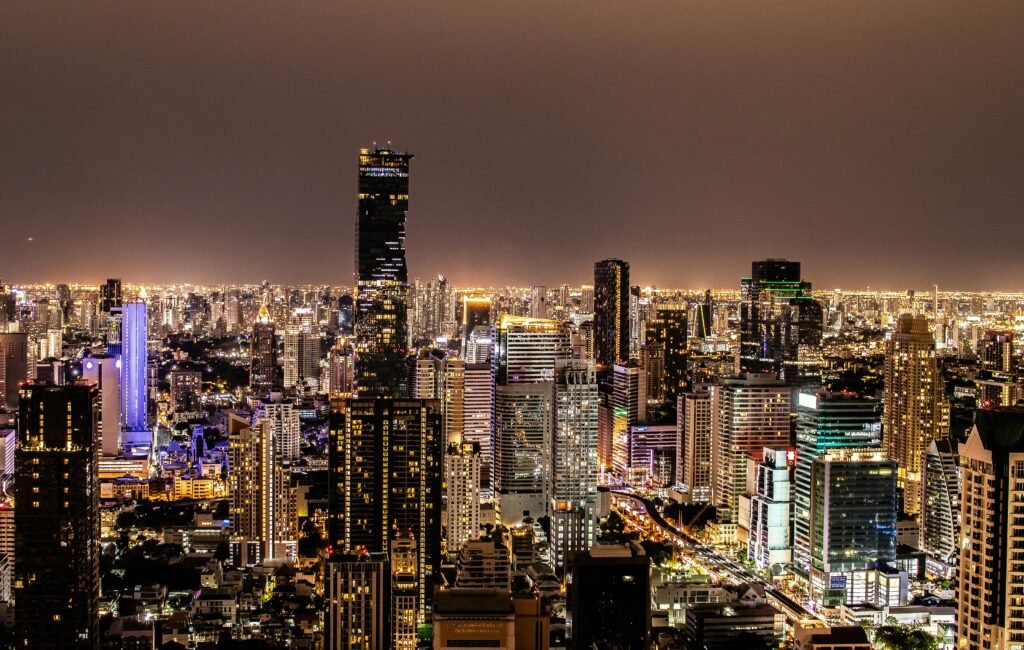
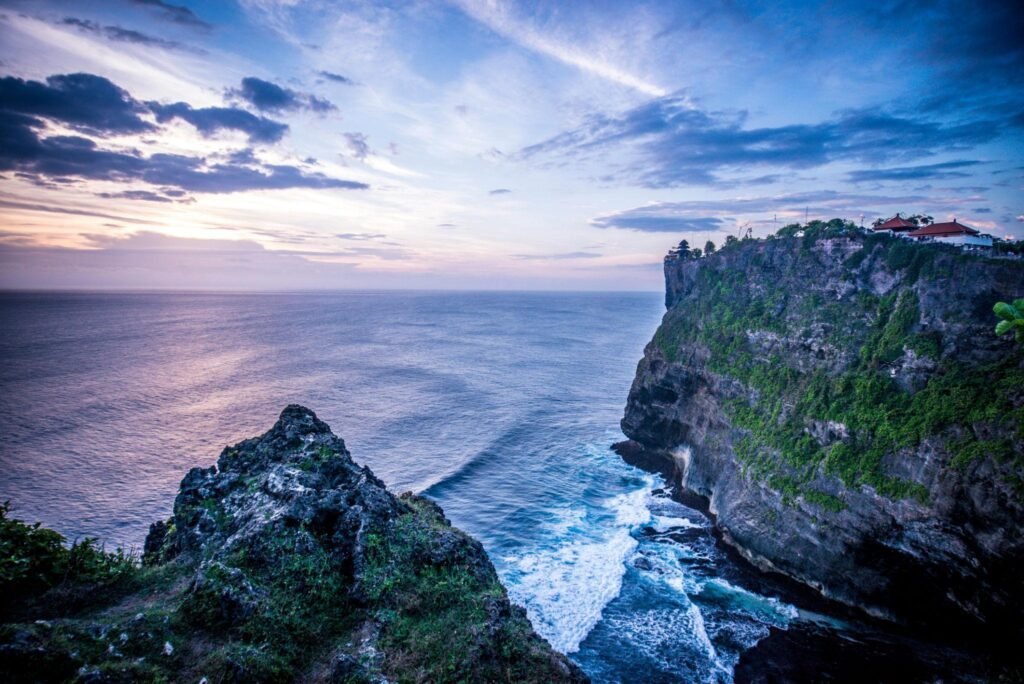
This guide breaks down exactly what Indonesia is known for, region by region, plus the practical details — real costs, best travel months, and mistakes to avoid — that most “top things Indonesia is famous for” articles skip entirely.
Indonesia is an incredibly diverse country with thousands of islands, each offering unique landscapes, cultures, and experiences. If you’re still in the early stages of planning your trip, our comprehensive Indonesia Travel Guide covers everything from the best destinations and transportation to budgeting, visas, and practical travel tips to help you plan with confidence.
Table of Contents
ToggleWhat Indonesia Is Known For
- Geography: The world’s largest archipelago, spanning over 17,000 islands
- Wildlife: Komodo dragons, orangutans, and the Coral Triangle’s marine biodiversity
- Volcanoes: One of the most volcanically active countries on Earth, part of the Pacific Ring of Fire
- Culture: Batik textiles, gamelan music, and the world’s largest Muslim-majority population
- History: Borobudur and Prambanan, among the largest ancient temple complexes in the world
- Food: Nasi goreng, satay, and rendang, widely regarded as one of the world’s best dishes
- Tourism: Bali’s beaches and rice terraces, plus emerging diving and surf destinations like Raja Ampat and the Mentawai Islands
The World's Largest Archipelago: Geography & Islands
How Many Islands Does Indonesia Actually Have?
You’ll see “17,000 islands” repeated across almost every article on this topic, but few bother to source it. According to, Indonesia is made up of approximately 17,000–18,000 islands, of which only around 6,000 are inhabited. That scale is genuinely hard to grasp — it’s roughly the width of the continental United States, stretched across two oceans.
Java, Sumatra, Bali, Kalimantan, Sulawesi: What Each Island Is Known For
Indonesia isn’t one destination — it’s dozens. A quick breakdown of what each major island is actually known for:
- Java — the political and cultural core, home to Jakarta, Yogyakarta, and the temples of Borobudur and Prambanan
- Sumatra — dense rainforest, wild orangutans, and Lake Toba, the world’s largest volcanic lake
- Bali — Indonesia’s most visited island, known for beaches, rice terraces, and temples.
- Kalimantan — Indonesia’s portion of Borneo, home to more orangutans and remote rainforest trekking
- Sulawesi — unique K-shaped island known for traditional Toraja funeral rites and world-class diving off Bunaken
Nature & Wildlife Indonesia Is Famous For
Komodo Dragons
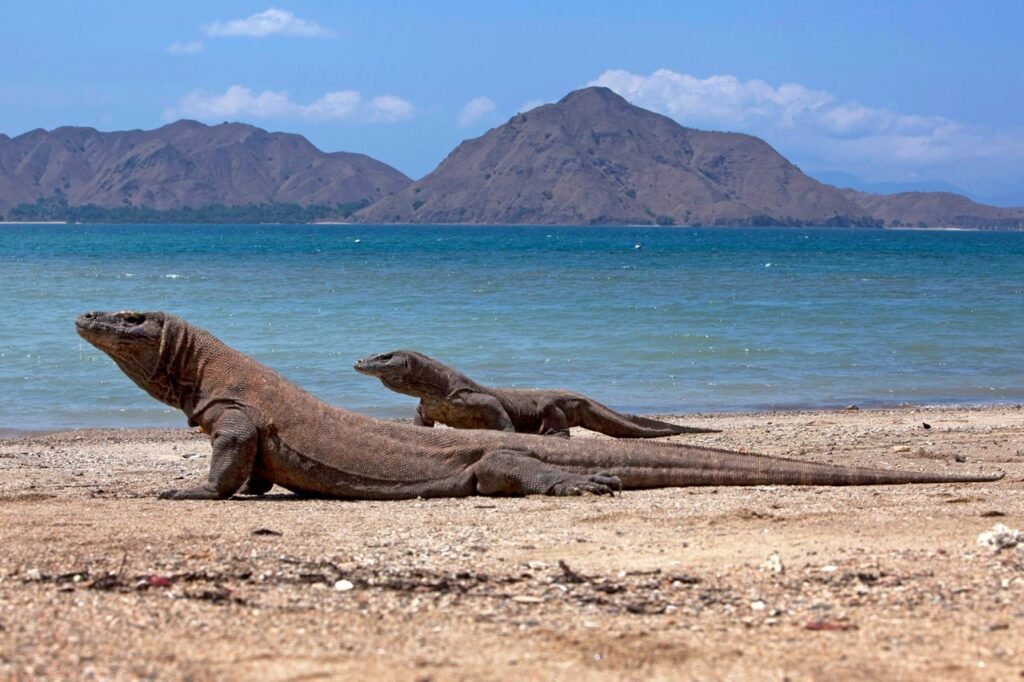
Found only on a handful of islands in eastern Indonesia — primarily Komodo and Rinca within Komodo National Park — these are the largest living lizards on Earth, growing up to roughly 3 meters long.
Volcanoes and the Ring of Fire
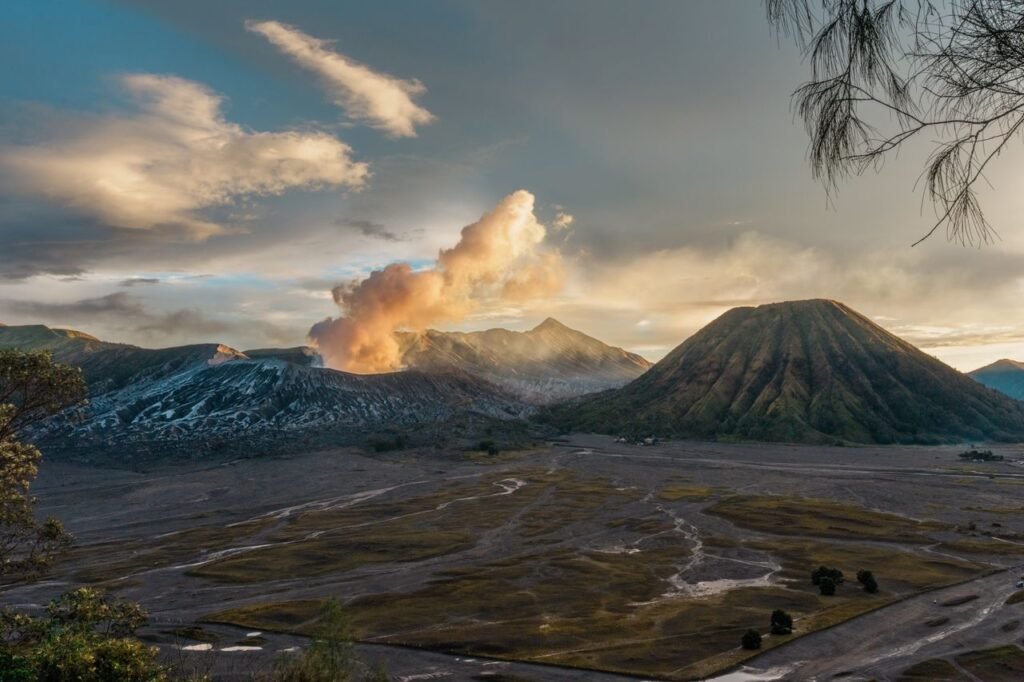
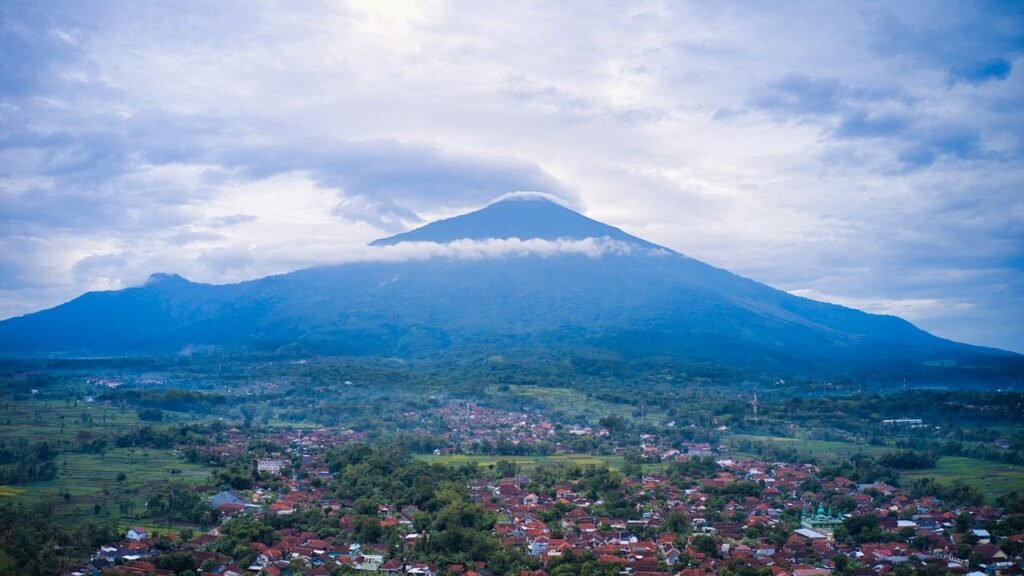
Indonesia sits directly on the Pacific Ring of Fire and is home to well over 100 active volcanoes — more than almost any other country on Earth. Mount Bromo, Mount Rinjani, and Mount Agung are among the most climbed by travelers, each offering sunrise trekking routes that rank among Southeast Asia’s best.
Orangutans, Rainforests & the Coral Triangle
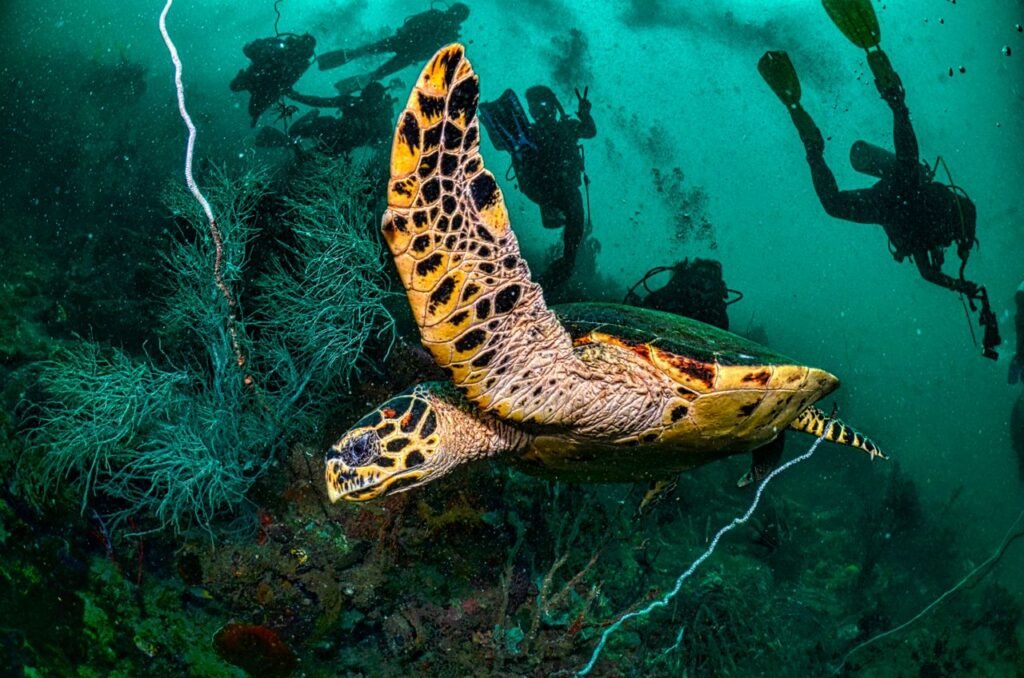
Sumatra and Kalimantan hold two of the last wild orangutan populations on Earth, while Indonesia’s surrounding waters sit inside the Coral Triangle — the most biodiverse marine region on the planet. Raja Ampat, in eastern Indonesia, is frequently cited by dive operators as having the highest coral and fish diversity of any diving destination worldwide.
Culture, Religion & Traditions
Religion in Indonesia
Indonesia is home to the largest Muslim population of any country in the world, with the majority of its roughly 280 million citizens identifying as Muslim. That said, Bali remains majority Hindu, and pockets of Christianity, Buddhism, and traditional animist belief exist across the eastern islands — religious diversity is itself part of what defines the country.
Batik, Gamelan Music & Traditional Arts
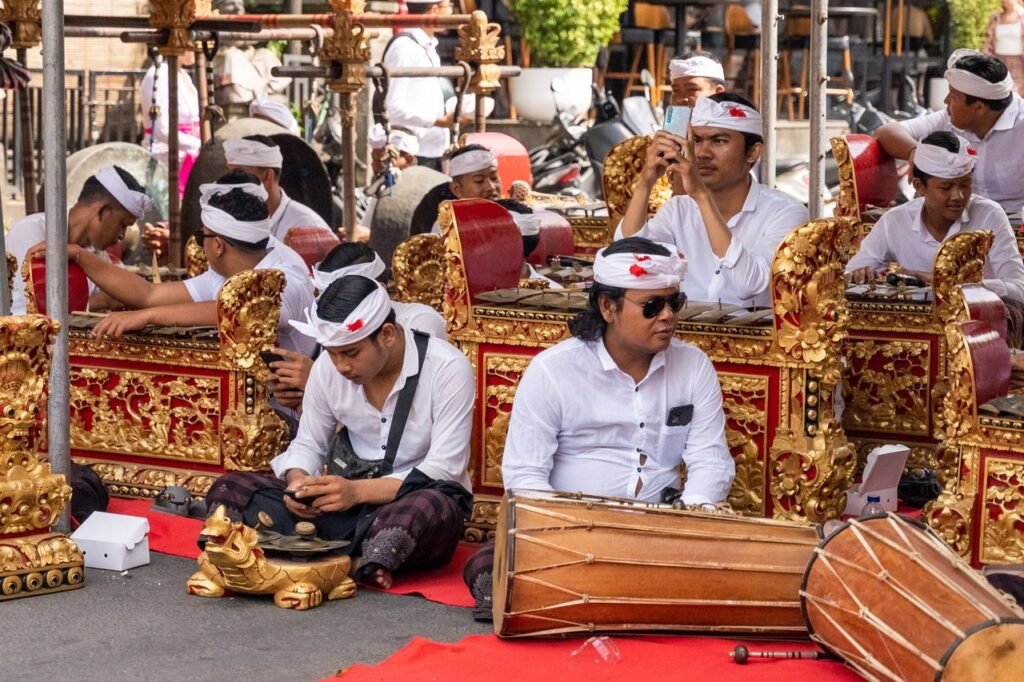
Batik — a wax-resist dyeing technique used to create intricate fabric patterns — is recognized by UNESCO as an Intangible Cultural Heritage of Indonesia. Gamelan orchestras, built around bronze percussion instruments, remain central to ceremonies across Java and Bali.
Borobudur & Prambanan: Indonesia's Ancient Temples
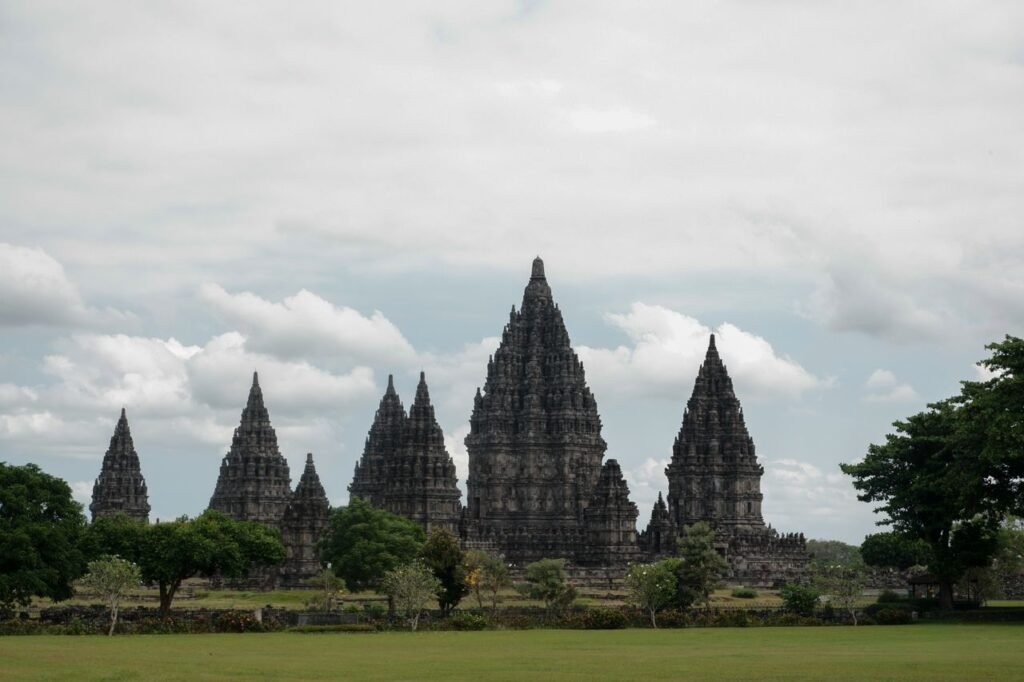
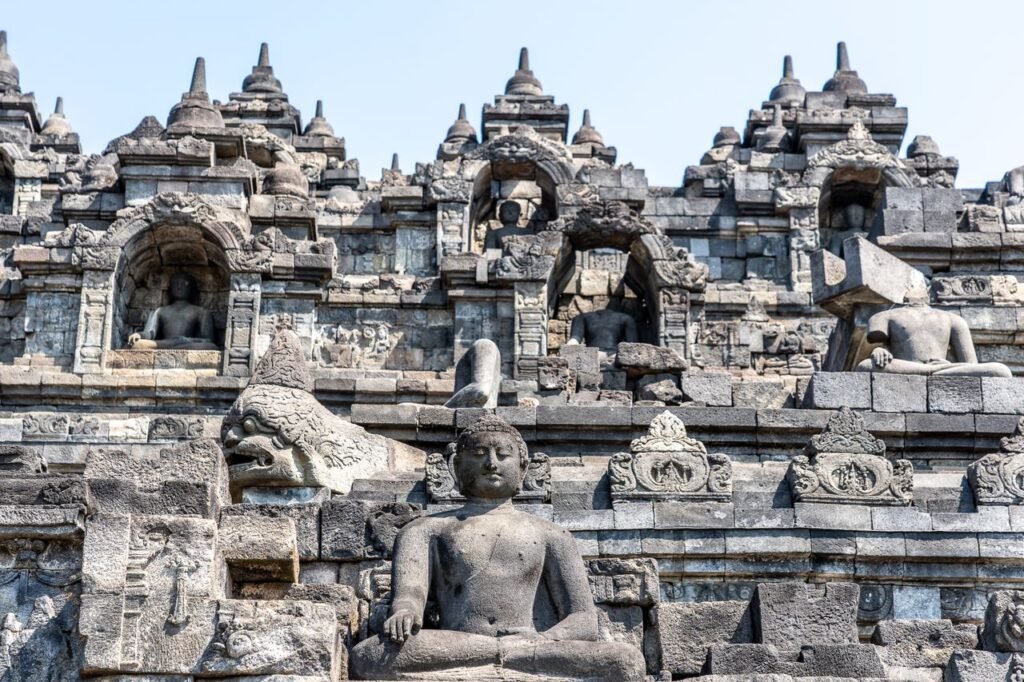
Borobudur, near Yogyakarta on Java, is the largest Buddhist temple in the world, built in the 9th century. A short drive away, Prambanan is Indonesia’s largest Hindu temple complex. Together they’re some of the most significant ancient religious sites in Southeast Asia — and a major reason Java, not just Bali, belongs on a first-time Indonesia itinerary.
Food Indonesia Is Known For
Indonesian cuisine varies enormously by region, but a handful of dishes define it nationally:
- Nasi goreng — Indonesia’s fried rice, typically made with sweet soy sauce (kecap manis), often considered the unofficial national dish
- Satay (sate) — grilled skewered meat served with peanut sauce
- Rendang — a slow-cooked spiced beef dish from West Sumatra, frequently ranked among the world’s best foods in international polls
- Gado-gado — a vegetable salad with peanut sauce dressing
Beaches, Bali & Tourism
For most international travelers, Bali is the reason Indonesia is on the map at all — and it’s easy to see why. Beaches at Uluwatu and Nusa Dua, rice terraces at Tegalalang, and a well-developed tourism infrastructure make it the easiest entry point into the country. But treating Bali as synonymous with Indonesia means missing almost everything above.
What Does a Trip to Indonesia Cost?
Costs vary sharply between Bali’s tourist zones and the outer islands. Rough daily estimates, per person:
| Travel Style | Accommodation | Food | Local Transport | Daily Total (approx.) |
|---|---|---|---|---|
| Backpacker | $8–15 (hostel/guesthouse) | $5–10 (warungs, street food) | $3–8 (scooter rental/local transport) | $20–35 |
| Mid-range | $25–60 (private room/boutique stay) | $10–20 | $10–20 (private driver/taxi) | $50–100 |
| Luxury | $100+ (resort/villa) | $25+ | $30+ (private car/driver) | $180+ |
These estimates provide a quick overview, but your actual budget depends on your travel style, destinations, and the season you visit. For a complete breakdown of accommodation, food, transport, and activity expenses, see our detailed guide to Indonesia trip costs.
Best Time to Visit Indonesia
Dry Season vs Wet Season by Region
Indonesia’s climate varies by region, but broadly:
- Dry season (roughly April–October): the most popular window for Bali, Java, and Lombok — best for beaches, hiking, and island-hopping
- Wet season (roughly November–March): heavier rainfall, especially in western Indonesia, though prices drop and crowds thin
Knowing what Indonesia is famous for is only part of planning a great trip—the timing of your visit can make just as much difference. Our guide to the best time to visit Indonesia explains the weather, seasons, regional climate differences, and the ideal months for beaches, volcano trekking, wildlife experiences, and diving.
Best Months for Diving, Trekking & Island-Hopping
Raja Ampat’s diving conditions are generally best from October to April, while Rinjani’s trekking trail typically closes during the wettest months for safety. Always check current trail and park conditions before booking, since these dates shift year to year.
Pros & Cons of Visiting Indonesia
| Pros | Cons |
|---|---|
| Extraordinary geographic and cultural diversity in one country | Distances between islands are often underestimated — this isn’t a “hop over for a day trip” kind of country |
| Generally affordable outside of Bali’s tourist zones | Infrastructure and English fluency vary sharply by region |
| World-class nature: volcanoes, wildlife, diving | Wet season can disrupt travel plans in western Indonesia |
| Deep, varied food culture | Visa and entry requirements differ by nationality and can be confusing |
Common Mistakes to Avoid When Visiting Indonesia
- Treating Bali as “all of Indonesia.” Booking a two-week trip entirely around Bali means missing the temples of Java, the wildlife of Sumatra, or the diving of Raja Ampat.
- Underestimating inter-island travel time. A flight or ferry between islands can eat half a travel day — build buffer time into any multi-island itinerary.
- Skipping visa research. Entry requirements vary by nationality. If you’re checking specifically for Bali entry rules.
- Ignoring wet-season timing for trekking. Trails like Rinjani close seasonally — check current conditions before locking in dates.
Avoiding a few common mistakes can make a huge difference to your trip, especially if it’s your first time visiting Indonesia. Read our guide to Indonesia travel mistakes to avoid for practical advice on transportation, budgeting, cultural etiquette, island-hopping, and trip planning.
Pro Travel Tips for Visiting Indonesia
- Download a local ride-hailing app (like Gojek or Grab) before you land — it’s the easiest way to get around Bali and Java cheaply
- Pack a sarong or light scarf for temple visits, where shoulders and knees typically need to be covered
- Carry small denomination rupiah for warungs and local transport — many small vendors can’t break large bills
- Book inter-island flights early during peak dry-season months, as routes fill up fast
Who Should Visit Indonesia (and Where)
- Beach-first travelers → Bali or the Gili Islands
- Wildlife and adventure travelers → Sumatra or Komodo National Park
- Culture and history travelers → Java, for Borobudur, Prambanan, and Yogyakarta
- Divers → Raja Ampat or Bunaken, Sulawesi
Whichever region draws you in, the honest answer to “what is Indonesia known for” is: far more than any single island can show you.
Frequently Asked Questions
What is Indonesia most famous for?
Indonesia is best known for being the world's largest archipelago, home to Komodo dragons, active volcanoes, Bali's beaches, and the ancient temple complex of Borobudur.
Is Bali the same as Indonesia?
No. Bali is one island within Indonesia's more than 17,000 islands — it's the country's most visited destination, but far from the only one worth seeing.
What is the national animal of Indonesia?
The Komodo dragon, found only in eastern Indonesia's Komodo National Park, is widely regarded as the country's most iconic animal.
What religion is Indonesia known for?
Indonesia has the largest Muslim population of any country in the world, though religious practice varies by region, including a Hindu-majority Bali.
What food is Indonesia famous for?
Nasi goreng, satay, and rendang are the dishes most associated with Indonesian cuisine internationally.
Is Indonesia expensive to visit?
Indonesia is generally affordable outside Bali's tourist areas, with backpacker daily budgets around $20–35 and mid-range budgets around $50–100. See the Budget Breakdown section above for a full cost table.
What is the best time of year to visit Indonesia?
The dry season, roughly April through October, is generally the most reliable window for beaches, hiking, and island-hopping across most of the country.
How many islands does Indonesia have?
Indonesia has an estimated 17,000–18,000 islands, of which only around 6,000 are inhabited.