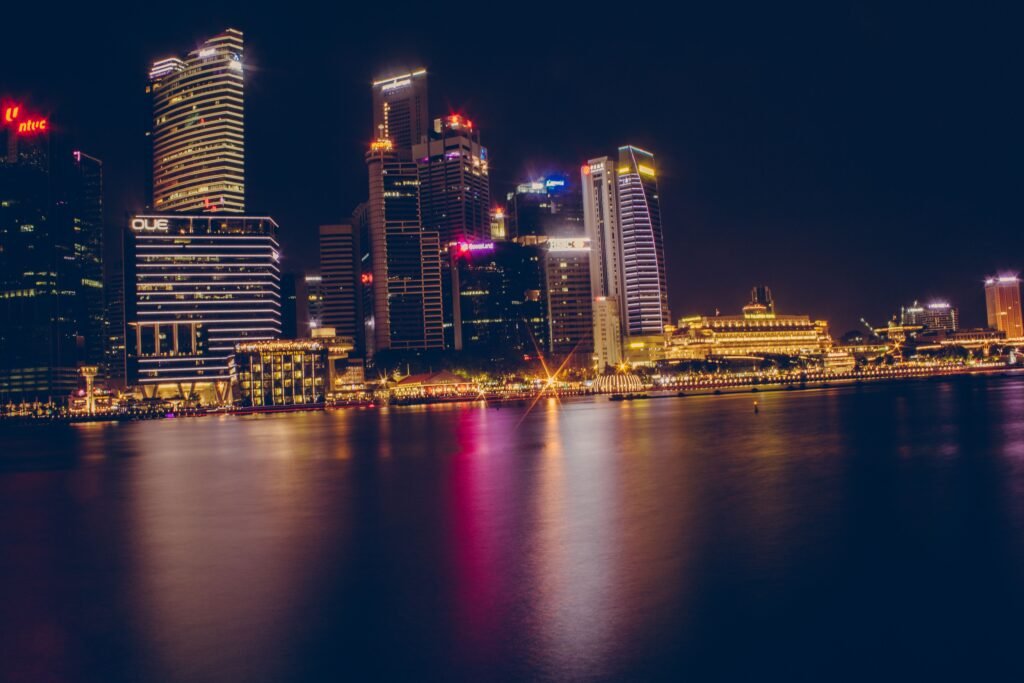
Four days is the sweet spot for Singapore. It’s long enough to see the skyline, eat well, and spend a full day on Sentosa without sprinting. It’s short enough that you won’t run out of things to do or burn through your budget.
Singapore is small. You can cross the whole island in under an hour by MRT, so you’d think planning would be easy. It isn’t. Most itineraries online either cram eight stops into one day or zigzag you across the island and back. That means a lot of time on trains and not much time actually seeing anything.
This plan fixes that by grouping each day by neighborhood. You’ll get a time-by-time route, what to eat and what it costs, a rainy-day backup for each day, a realistic budget in Singapore dollars, and the mistakes I’d help you avoid.
Table of Contents
ToggleHow to spend 4 days in Singapore

- Day 1: Marina Bay, Gardens by the Bay and the evening light shows
- Day 2: Chinatown, Little India and Kampong Glam, with hawker food all day
- Day 3: Sentosa Island (theme park OR beaches and attractions, not both)
- Day 4: Singapore Botanic Gardens, Orchard Road, and a flexible evening (Night Safari or Jewel Changi)
- Budget: roughly S$360-520 per person on a tight budget, S$800-1,200 mid-range, excluding flights
4 Days in Singapore at a Glance
| Day | Area | Main stops | Pace |
|---|---|---|---|
| 1 | Marina Bay | Merlion, Marina Bay Sands, Gardens by the Bay, light shows | Easy, walkable |
| 2 | Heritage districts | Chinatown, Little India, Kampong Glam, hawker centres | Moderate, lots of walking and eating |
| 3 | Sentosa | Universal Studios OR beaches, aquarium and luge | Full day, early start |
| 4 | Gardens and Orchard | Botanic Gardens, Orchard Road, Night Safari or Jewel Changi | Flexible, depends on your flight |
Before You Go: Planning Basics

Entry Requirements and the SG Arrival Card
Every visitor needs to complete the SG Arrival Card, a free digital form, within three days before arriving. You submit it on the official Immigration & Checkpoints Authority (ICA) website or app. Be careful with look-alike sites that charge a fee. The real card is free.
Citizens of many countries, including the US, UK and most of the EU, can enter visa-free for short stays. Indian passport holders and several other nationalities need a visa in advance. Your passport also needs to be valid for at least six months. For the details, see how to get a Singapore tourist visa, whether the SG Arrival Card is still required, and visa rules if you’re traveling from the UK. Always confirm current rules on the ICA site before you fly.
Money and Payments
Singapore uses the Singapore dollar (SGD or S$). At the time of writing, S$1 is roughly US$0.75, but check the current rate. Cards are accepted almost everywhere, from malls to taxis. Many hawker stalls now take PayNow or cards, but some are still cash-only, so carry about S$50 in small notes.
Getting Around: MRT, Buses and Grab
The MRT is clean, air-conditioned and covers nearly everything in this itinerary. Most rides cost between S$1 and S$2.50. You can tap in with a contactless bank card at the gates or use an EZ-Link card. The Land Transport Authority (LTA) publishes the current fares and the Singapore Tourist Pass options.
The Tourist Pass gives unlimited rides for one to three days. With four days and about four to six rides a day, pay-as-you-go ends up close in price, so run your own numbers. Use Grab for late nights, heavy rain, or the airport if you have lots of luggage.
From Changi Airport to the city center, the MRT takes about 30 to 40 minutes. A taxi or Grab usually costs S$25-40 depending on the time of day and surcharges.
Where to Stay for 4 Days
Pick a base near an MRT line and you’ll save time every single day. These three areas work well for first-timers:
- Marina Bay / City Hall: closest to Day 1 sights and the most expensive. Best if you want views and don’t mind paying for them.
- Chinatown / Tanjong Pagar: great food on your doorstep, many boutique hotels, and easy MRT connections. A good all-round choice.
- Bugis / Kampong Glam: lively, more affordable, and close to cafes and bars. Good for budget and mid-range travelers.
As a rough guide, dorm beds start around S$30-50 per night, mid-range hotels run S$130-250, and top-end hotels start around S$350 and climb quickly. Prices jump during events like the Formula 1 weekend, so book early for those dates.
Best Time to Visit Singapore

Singapore sits almost on the equator, so it’s hot and humid all year. Daytime temperatures usually sit between 25 and 32°C. The real decision isn’t hot versus cold. It’s rain versus crowds versus events.
What is the best month to visit Singapore? February is usually the driest month, and the months around it are generally pleasant for sightseeing. November to January is the wettest period. Because the weather is similar year-round, many travelers choose their dates around events and prices instead.
| Period | What to expect |
|---|---|
| Nov – Jan | Wettest stretch (northeast monsoon). Frequent afternoon downpours, cooler feeling on rainy days. Christmas lights on Orchard Road. |
| Feb – Mar | Usually the driest and sunniest window. Chinese New Year decorations in Chinatown (dates vary by year). |
| Apr – May | Often the hottest and most humid, with sudden thunderstorms. |
| Jun – Aug | Warm with occasional early-morning storms. School holidays bring more families. |
| Sep – Oct | Possible haze from regional fires in some years. Formula 1 Singapore Grand Prix usually falls around this period. |
Haze and Monsoon Notes
Haze caused by regional forest fires can affect air quality in some years, mostly between August and October. Check the Pollutant Standards Index on the National Environment Agency (NEA) site before and during your trip. For rainfall patterns and daily forecasts, use the Meteorological Service Singapore. Rain is usually short and heavy, not all-day, so keep a compact umbrella in your bag.
Events That Change Prices
Chinese New Year, the Formula 1 weekend, Deepavali lights in Little India (usually October or November), and the Christmas light-up all push hotel prices up. If you’re flexible, skip those weeks. If you want the atmosphere, book rooms several months ahead.
Day 1: Marina Bay, Gardens by the Bay and the Lights
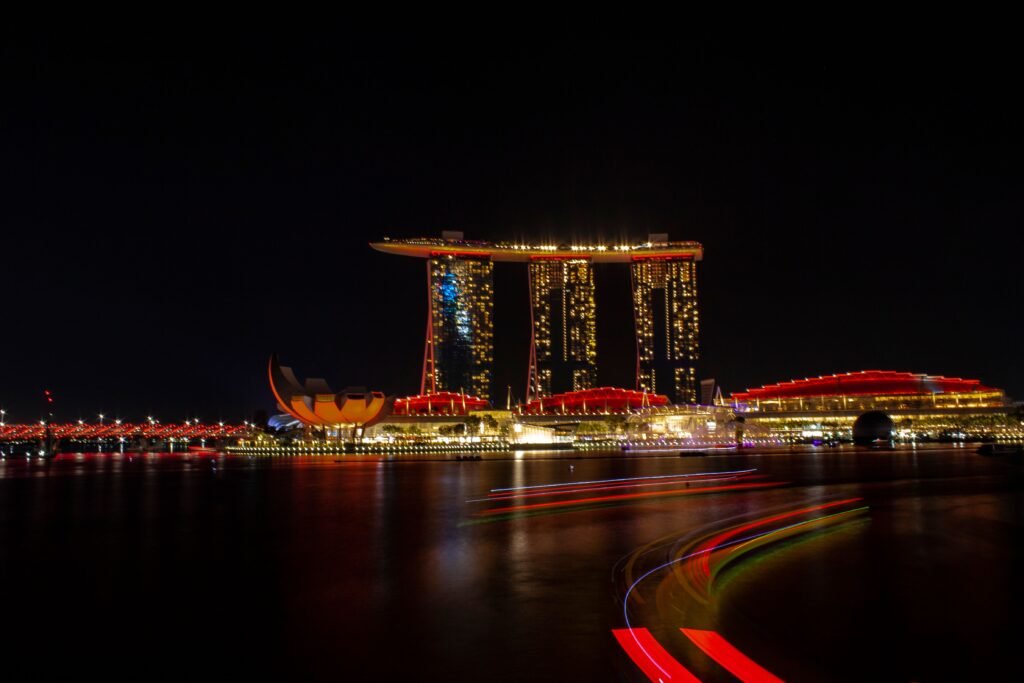
Start with the postcard. Marina Bay is where Singapore shows off, and everything is within about two kilometers, so it works well on an arrival day when you’re a bit tired.
The Plan
- Morning / early afternoon: Land, check in or drop your bags. If you arrive early, grab a first hawker meal near your hotel.
- 3:30 pm – Merlion Park: The Merlion is smaller than most people expect, so this is a 10 to 15 minute stop. Take your photo with Marina Bay Sands in the background. It’s free.
- 4:15 pm – Waterfront walk: Stroll past the Esplanade and cross the Helix Bridge, which looks like a double helix. About 20 minutes, mostly flat and shaded in parts.
- 5:15 pm – Marina Bay Sands: If you want the view, visit the SkyPark Observation Deck (roughly S$30-35, check current price). You don’t need to wait for sunset. Golden hour light is great and you’ll be gone before the evening crowd builds. Prefer to save money? Walk through the Shoppes and along the promenade for free.
- 6:30 pm – Dinner: Walk about 10 minutes across the Dragonfly Bridge to Gardens by the Bay and eat at Satay by the Bay, a hawker-style food court with bay views. Expect S$6-10 per dish.
- 7:45 pm – Garden Rhapsody light show: The Supertree Grove lights up to music in a free show that runs for around 15 minutes. Arrive 15 to 20 minutes early and lie back on the ground. That’s the best viewing angle.
- 9:00 pm – Spectra (optional): A free light-and-water show at the Marina Bay Sands Event Plaza. Check the schedule, since times can change.
Is Gardens by the Bay Worth Paying For?
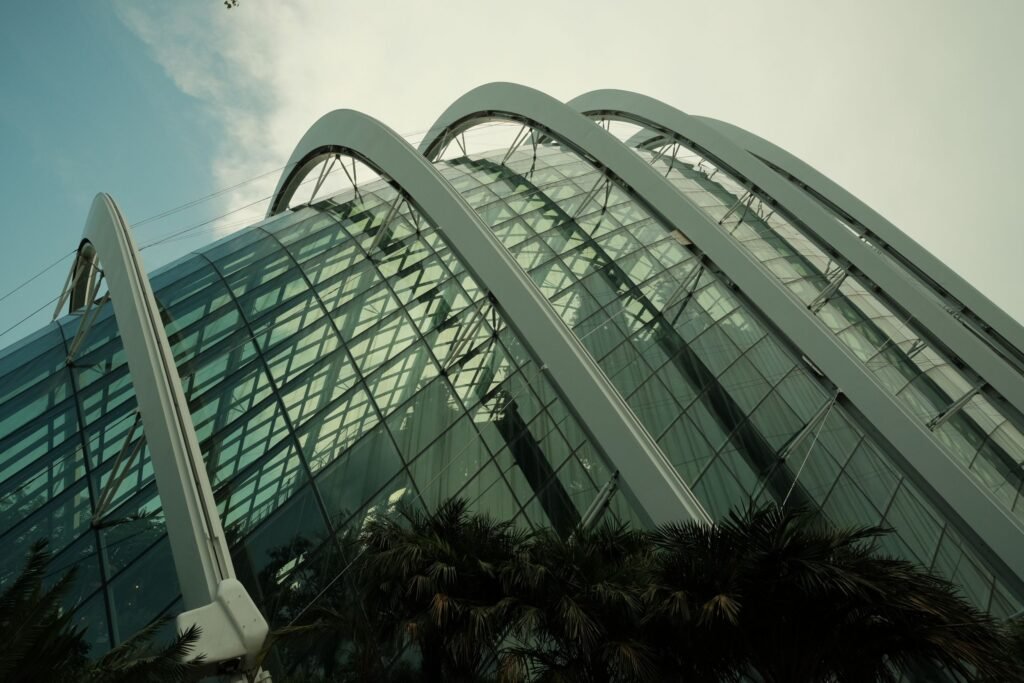
The outdoor gardens and the Supertree Grove at ground level are free. The paid parts are the Flower Dome and Cloud Forest conservatories (a combined ticket usually costs around S$50-60), the OCBC Skyway walk between the Supertrees, and the Floral Fantasy. If you only pay for one, make it the Cloud Forest. It’s a 35-meter indoor mountain with a waterfall, and it’s a great way to get out of the heat. Check prices and opening hours on the official Gardens by the Bay website.
Rainy-Day Swap for Day 1
Spend the afternoon indoors at the ArtScience Museum (check what’s showing), the Shoppes at Marina Bay Sands, or the Cloud Forest dome. Move the Merlion photo to a break in the rain. Singapore storms often pass within an hour.
Day 2: Chinatown, Little India and Kampong Glam
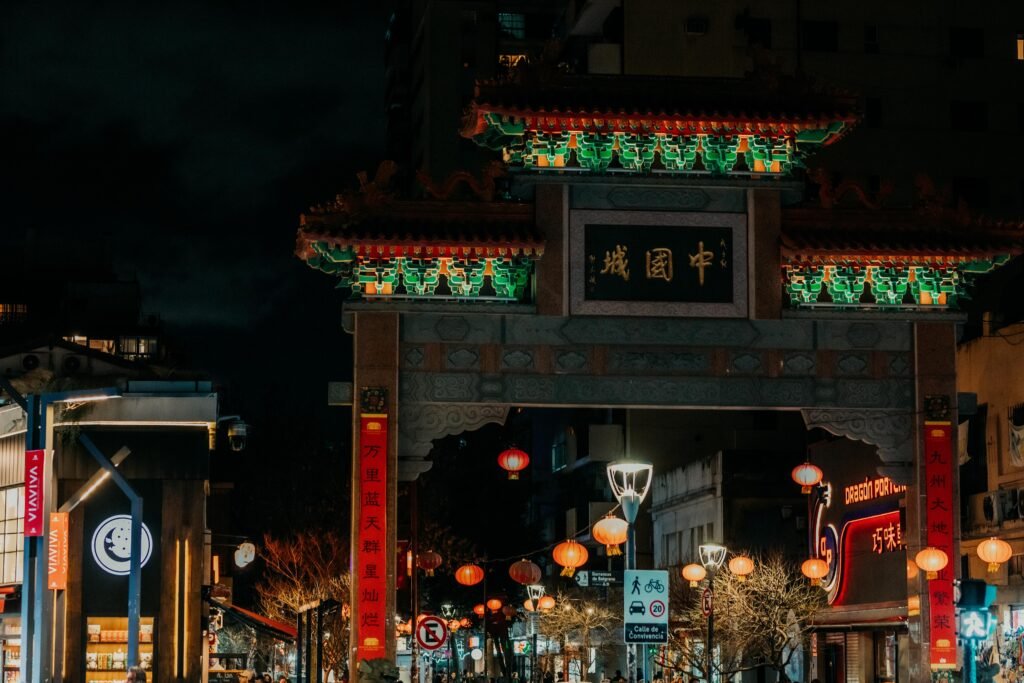
Day 2 is the cultural day, and it’s where you’ll eat the most. Singapore blends Chinese, Malay, Indian and Eurasian cultures, and you can walk through three of those worlds in a single afternoon. Wear comfortable shoes and light clothes that cover your shoulders and knees, because you’ll enter temples and a mosque.
The Plan
- 8:30 am – Breakfast in Chinatown: Try kaya toast with soft-boiled eggs and kopi (Singapore-style coffee). Quick vocabulary: kopi is coffee with condensed milk, kopi-o is black with sugar, kopi-c uses evaporated milk, and kosong means no sugar. A set usually costs around S$5-7.
- 9:30 am – Sri Mariamman Temple: Singapore’s oldest Hindu temple, founded in 1827. Remove your shoes before entering. The colorful gateway tower is worth a look even from the street.
- 10:15 am – Buddha Tooth Relic Temple: A grand, free temple with a quiet rooftop garden. Shoulders and knees must be covered, though they usually provide wraps if you forget.
- 11:00 am – Wander Pagoda Street and Smith Street: Souvenir shops, old shophouses and street art. Skip anything with prices that aren’t posted, and compare a few stalls before buying.
- 12:00 pm – Lunch at Maxwell Food Centre or Chinatown Complex: Hainanese chicken rice is the classic order, usually S$4-6 at a hawker stall. The most famous stall can have a 30 to 45 minute queue at peak lunch, so go slightly before noon or after 1:30 pm.
- 1:30 pm – MRT to Little India: About 10 minutes. Visit the Sri Veeramakaliamman Temple, walk through Little India Arcade, and have a snack at Tekka Centre. Banana-leaf rice, roti prata and biryani are all good bets. Mustafa Centre is a huge shop open 24 hours, handy for spices, sweets and souvenirs.
- 4:30 pm – Kampong Glam: Walk to the Sultan Mosque (outside visits are easy, and covered clothing is required to enter), then Arab Street and the colorful Haji Lane for cafes and independent shops.
- 6:30 pm – Dinner: Try murtabak (a stuffed savory pancake) at one of the long-running restaurants on North Bridge Road. Then end the night with a drink on the lively Haji Lane or a quiet cafe.
Hawker Centre 101
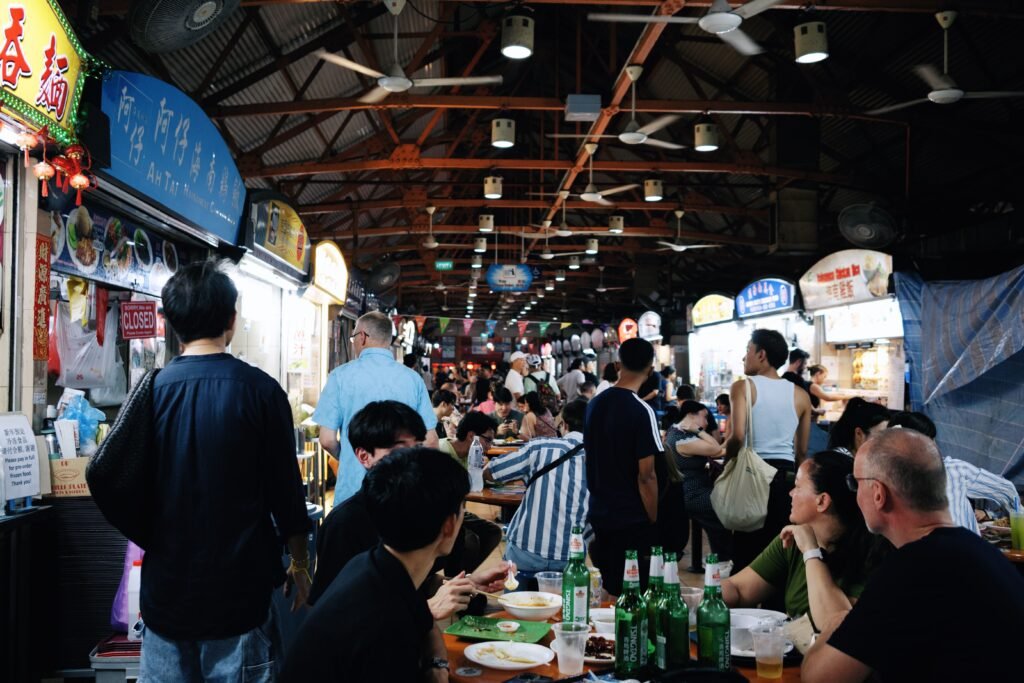
Hawker centres are Singapore’s open-air food courts, and in 2020 UNESCO recognized hawker culture as part of humanity’s intangible cultural heritage. They are also where you’ll get the best food for the lowest price. Here’s how they work:
- Chope your table: Locals reserve seats by leaving a packet of tissues on the table. Do this first, then go order.
- Order and pay at each stall: Most stalls take cash. More are accepting PayNow or cards now. Some give you a buzzer, and others bring the food to your table.
- Return your tray: Tray return is expected and now enforced in many places. Put your tray and dishes on the return racks.
- Don’t be shy about queues: A long line is usually a good sign. Popular stalls can sell out by early afternoon.
What to Eat on This Route
Hainanese chicken rice: Poached chicken with fragrant rice and chili sauce. Laksa: Spicy coconut noodle soup. Char kway teow: Wok-fried flat noodles. Roti prata: Crispy flatbread with curry. Kaya toast: Toast with coconut jam and butter. Try as many as you can, in small portions.
Temple and Mosque Etiquette
Cover your shoulders and knees, take off your shoes where signs ask you to, and keep your voice low. Ask before photographing people who are praying. Check opening hours, because some places close for prayer times or midday breaks. The Singapore Tourism Board (STB) lists current details.
Rainy-Day Swap for Day 2
Much of this route is covered or indoors. In heavy rain, spend longer at the food centres, visit the Chinatown Heritage Centre, or shop at Mustafa Centre. Save the outdoor streets for when the sky clears.
Day 3: Sentosa Island
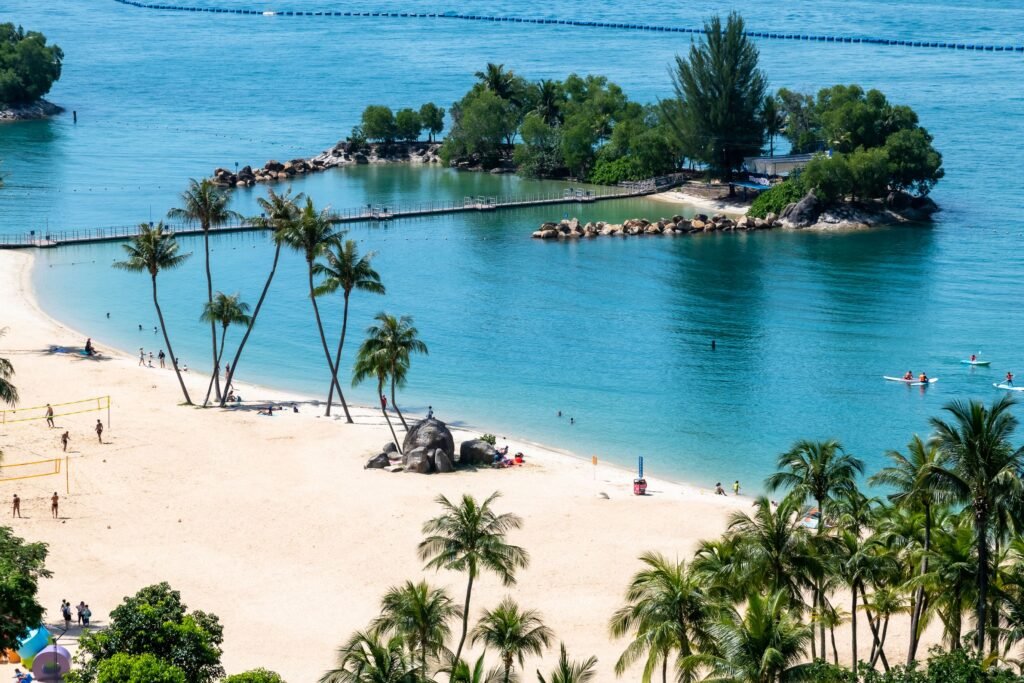
Sentosa is Singapore’s resort island, about 15 minutes from the city. Here’s the honest advice: don’t try to do everything. Pick one theme for the day and enjoy it.
How to Get to Sentosa
Take the MRT to HarbourFront, then walk through VivoCity mall to the Sentosa Express monorail, or walk across the Sentosa Boardwalk (about 15 minutes, free). The monorail ticket has historically included the island entry fee, around S$4. Check Sentosa’s official site for current transport and entry details.
Pick Your Day
Option A: Universal Studios Singapore | Option B: Beaches and attractions | |
| Best for | Families, thrill-seekers, movie fans | Couples, relaxed travelers, those who dislike queues |
| Time needed | Full day (opening to close) | Flexible, half to full day |
| Rough cost | Around S$80-100 per adult, varies by date | Mix and match: aquarium, luge, beach clubs |
| Downside | Queues on weekends and school holidays | Less to do if it rains all afternoon |
Option A: Universal Studios Singapore
Arrive at opening to hit the biggest rides before queues build. Popular rides include the roller coasters in Sci-Fi City and the family rides in Minion Land. Buy tickets online ahead of time, since gate prices can be higher. Pack sunscreen, a small towel for water rides, and a refillable bottle.
Option B: Beaches, Aquarium and Luge
- 10:00 am – S.E.A. Aquarium: One of the largest aquariums in the world. Go early to avoid the school groups. Tickets are usually around S$45 for adults.
- 12:30 pm – Lunch: Eat at VivoCity or one of Sentosa’s cafes. Beachfront restaurants are more expensive but nice if you want the setting.
- 2:00 pm – Skyline Luge: A downhill cart ride on a track through the trees. Fun and cheap compared with other attractions.
- 3:30 pm – Siloso and Palawan Beaches: Swim, rent a lounger, or just walk. The suspension bridge at Palawan Beach leads to a small islet billed as the southernmost point of continental Asia. That title actually belongs to Tanjung Piai in Malaysia, but the views are still pretty.
- Evening: If you want a show, check the schedule for Wings of Time, a night show on the beach. Otherwise head back to HarbourFront for dinner.
Want a free, quieter sunset instead? The Singapore Cable Car from HarbourFront to Mount Faber is a nice option, though not cheap. Check prices first.
Rainy-Day Swap for Day 3
Universal Studios has a number of indoor rides and shows, and the aquarium is fully indoors, so rain doesn’t ruin this day. Just carry a poncho and wait out the heaviest downpour with a snack.
Day 4: Botanic Gardens, Orchard Road and a Flexible Evening
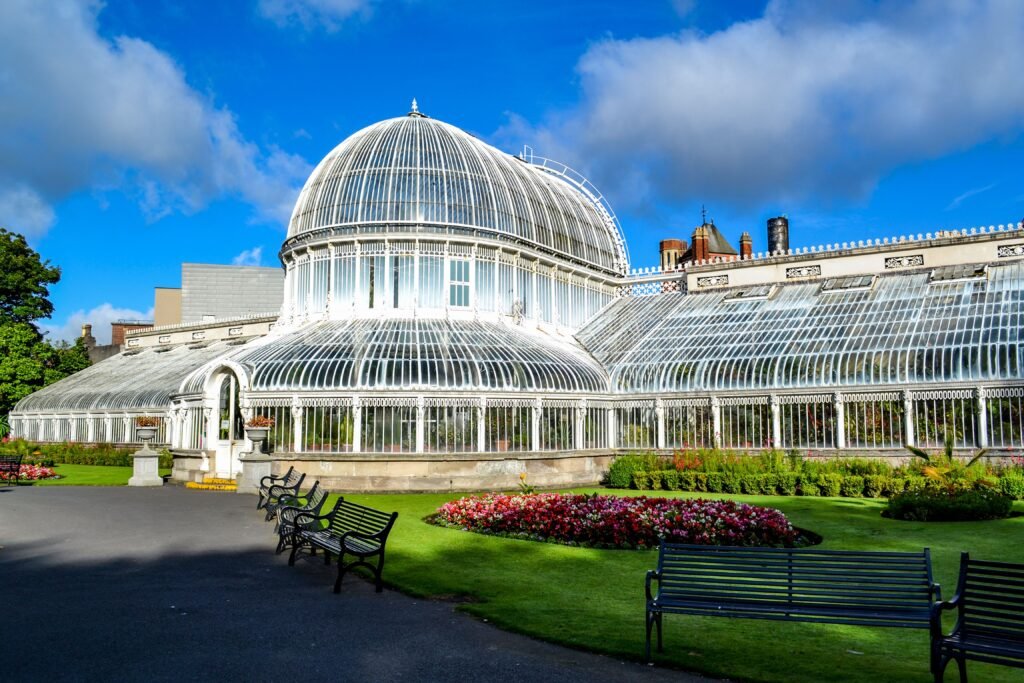
The last day is built to flex around your flight. Start early while it’s cool, then pick the evening that fits your schedule.
The Plan
- 8:00 am – Singapore Botanic Gardens: The gardens are free and are a UNESCO World Heritage Site, recognized in 2015. Walk around Swan Lake and the Ginger Garden, and look for the old heritage trees. The paid National Orchid Garden (roughly S$15 for foreign visitors, verify before you go) has thousands of orchids and is worth it if you like flowers. Check the National Parks Board (NParks) site for hours and prices.
- 11:00 am – Orchard Road: The shopping belt stretches about two kilometers. Even if you’re not shopping, the malls are a cool, air-conditioned break. Wander ION Orchard, Ngee Ann City and Orchard Central.
- 12:30 pm – Lunch: Try the food courts in the mall basements for cheaper meals, or head to Newton Food Centre for a lively atmosphere. Be careful with seafood there. Chilli crab is priced by weight, so ask for the total before you order.
- 2:00 pm – Souvenirs: Good picks are kaya jam, bak kwa (sweet grilled meat), pineapple tarts and local tea. If you spend at least S$100 at a single participating shop, you may be able to claim a GST refund at the airport. Check the Inland Revenue Authority of Singapore (IRAS) rules first, since fees reduce what you get back.
Evening Option A: Night Safari (flight after midnight, or next day)
The Night Safari opens in the evening and lets you see nocturnal animals after dark. It’s in the north of the island, so allow around 60 to 75 minutes of travel from Orchard. Read our full Singapore Night Safari guide for tickets and tips.
Evening Option B: Jewel Changi (flight tonight)
If you’re flying out this evening, spend your last hours at Jewel Changi, connected to Terminal 1. The Rain Vortex is a huge indoor waterfall that lights up in the evening. Viewing it is free. The Canopy Park attractions above cost extra. Some airlines offer early check-in at Jewel, so ask your airline. Check the official Jewel site for show times.
Leave for the airport at least three hours before an international flight. If you have a very early or late flight, check the first and last MRT times, and consider booking a Grab instead.
Rainy-Day Swap for Day 4
If it’s pouring, skip the Botanic Gardens in the morning, do Orchard Road and its malls first, and visit the gardens later if the weather clears. Jewel Changi is a good indoor option too.
4 Days in Singapore: Budget Breakdown
Singapore is more expensive than most of Southeast Asia, but it’s not as costly as its reputation. The big costs are accommodation and alcohol. Food and transport are very manageable. All figures below are per person per day, assuming two people share a room, and exclude flights. They’re estimates, so verify current prices.
| Category | Budget | Mid-range | Comfort |
|---|---|---|---|
| Accommodation | S$30-50 (dorm) | S$65-125 (shared hotel room) | S$200+ (4-5 star) |
| Food | S$20-30 | S$45-70 | S$100+ |
| Transport | S$6-10 | S$10-18 | S$25+ (more Grab) |
| Attractions | S$10-25 | S$30-60 | S$60+ |
| Per day | S$90-130 | S$200-300 | S$450-700 |
| 4-day total | S$360-520 | S$800-1,200 | S$1,800-2,800 |
How much does 4 days in Singapore cost? Roughly S$360-520 (about US$270-390) per person on a budget, S$800-1,200 (about US$600-900) mid-range, and S$1,800-2,800 or more for a comfortable trip. This excludes flights. Hotels are the biggest cost, so where you sleep changes the total more than anything else.
Where to Save, Where Not to Skimp
- Save: Eat at hawker centres, drink tap water (it’s safe), take the MRT, and use free attractions like the Supertree show, the Botanic Gardens and Sultan Mosque’s exterior.
- Don’t skimp: A hotel near an MRT station, good walking shoes, and sunscreen. A cheap room far from the train costs you time and money in the end.
- Watch out: Alcohol is heavily taxed, so a beer in a bar can cost S$12-18. Seafood priced by weight can also surprise you.
Pros and Cons of 4 Days in Singapore
| Pros | Cons |
|---|---|
| Very safe, clean and easy to navigate | Hotels and alcohol are expensive |
| Excellent public transport | Hot, humid weather all year |
| World-class food at low hawker prices | Strict rules and fines can catch visitors off guard |
| English widely spoken | Some attractions are crowded on weekends |
| Compact, so little time is wasted traveling | Four days can feel long if you skip Sentosa |
Is 4 days too long or too short? For most first-time visitors it’s just right. With three days, you’d drop one district or a Sentosa activity. With five or more, you can add Pulau Ubin, the Southern Ridges walk or the Mandai wildlife parks.
Common Mistakes to Avoid

- Planning outdoor stops from noon to 3 pm. The heat peaks then. Schedule malls, museums and long lunches for that window.
- Skipping a rain plan. Sudden storms are normal. Know your indoor backup for every day.
- Booking a hotel far from the MRT. Cheap rooms lose their charm after a long walk in the humidity.
- Trying to do both Sentosa options. Universal Studios alone fills a day. Pick one.
- Ignoring local rules. Fines apply for littering, jaywalking, and eating or drinking on the MRT. E-cigarettes are illegal, and chewing gum is restricted. Read what’s not allowed for tourists before you pack.
- Dressing wrong for temples. Carry a light scarf or shawl so you can cover up quickly.
- Not carrying any cash. Some hawker stalls only accept cash.
- Ordering seafood without asking the price. Always confirm the total before the plate arrives.
Pro Travel Tips

- Carry a refillable water bottle. Tap water is safe, and you’ll drink a lot in the heat.
- Go early. Morning is cooler and quieter at almost every attraction.
- Dress light, but bring a thin layer. Malls and trains are strongly air-conditioned.
- Use a contactless card on the MRT. It saves you from buying and topping up a separate card.
- Get an eSIM or tourist SIM. Maps and Grab make everything easier. Airport booths and eSIM apps both work.
- Download offline maps. Signal is strong, but it helps in underground malls.
- Learn a little Singlish. Locals often end sentences with “lah.” It’s friendly, and you’ll hear it everywhere.
- Book big attractions in advance. Universal Studios and observation decks are cheaper and quicker when ticketed online.
- Keep your arrival card confirmation handy. Screenshot it in case airport Wi-Fi is slow.
- Take it easy. The heat is tiring. A midday rest is part of a good plan, not a waste of time.
Singapore is among the safest big cities in the world, but normal precautions still apply. Keep your phone and wallet secure in crowded places.
Who Should Choose What
- First-timers: Follow this plan as written. It hits the highlights without rushing.
- Families with kids: Choose Universal Studios on Day 3, add the S.E.A. Aquarium or Cloud Forest, and keep Day 2 shorter.
- Food lovers: Spend extra time at hawker centres on Days 2 and 4, and skip the SkyPark deck to spend the money on dinner.
- Budget travelers: Stay in a hostel near the MRT, eat at hawker stalls, and focus on the free sights like the Supertree show and the Botanic Gardens.
My honest take: Singapore rewards slow travelers. Don’t chase every attraction. Leave room for an extra bowl of noodles.
Frequently Asked Questions
Is 4 days enough for Singapore?
Yes. Four days covers Marina Bay, the heritage districts, Sentosa and the Botanic Gardens at a relaxed pace. With three days, drop one Sentosa activity or a district. With five, add Pulau Ubin, the Southern Ridges or the Mandai wildlife parks.
How much does a 4-day trip to Singapore cost?
Expect about S$360-520 per person on a budget, S$800-1,200 mid-range, and S$1,800-2,800 or more for comfort, excluding flights. Hotels are the largest cost. Hawker meals and MRT rides keep daily spending low.
What is the best month to visit Singapore?
February is usually the driest month, while November to January is the wettest. Temperatures stay around 25-32°C all year, so many travelers choose by rain, prices and events like Chinese New Year or the Formula 1 weekend.
Is Singapore expensive for tourists?
Accommodation and alcohol drive the costs. Hawker meals cost around S$4-8 and MRT rides about S$1-2.50, so food and transport are affordable. Hotels in the central area cost more than in most Southeast Asian cities.
Do I need a visa for Singapore?
Many nationalities, including US, UK and EU passport holders, can visit visa-free for short stays, but everyone must submit the free SG Arrival Card within three days before arrival. Indian and some other passports need a visa. Confirm on the ICA website.
Is Sentosa worth visiting?
Yes if you enjoy theme parks or beaches. If you mainly care about food and culture, skip it and use the day for the Southern Ridges or Pulau Ubin. Pick either Universal Studios or the beaches and attractions, not both.
Is public transport easy for tourists in Singapore?
Yes. The MRT is clean, air-conditioned and covers most attractions. Tap a contactless card at the gate, and use Google Maps for accurate timings. Choose Grab for late nights or heavy rain.