
Ask ten people when to visit India and you’ll get ten different answers. Every one of them can be right, because India isn’t one climate. It’s a country where Ladakh is freezing while Kerala is sweating, where the monsoon ruins a trip to Mumbai but makes Kerala’s Ayurveda season, and where the “perfect” month for Delhi can land you in a cloud of smog.
So here’s the honest answer. There is no single best month to visit India. There is a best month for each region. This guide gives you that answer for every major part of the country, along with the traps most guides skip: Delhi’s air quality, Himalayan road closures, the second monsoon that hits the south-east, and the price spikes around Christmas and Diwali.
October to March is the best window for most of India, and November to February is the sweet spot for the plains and the south. But go to Ladakh in June to September, the Andamans in November to April, and Kerala anytime from September to March. Avoid the plains in April to June and the western coast in July and August.
Table of Contents
ToggleHow India's Seasons Actually Work

Before the regional advice makes sense, you need to know what’s driving it. India’s weather is run by the monsoon, and there are actually two of them.
The four seasons, in plain English
The India Meteorological Department (IMD) splits the year like this: winter (January to February), pre-monsoon or summer (March to May), the southwest monsoon (June to September), and post-monsoon (October to December). Travelers usually think about it more simply:
- Winter (roughly November to February): Dry, sunny, and comfortable across most of the plains and the south. Cold in the north, freezing in the mountains. This is peak tourist season.
- Summer (March to early June): Hot. Plains cities regularly go past 40°C in April, May and June. Hill stations are at their best now.
- Monsoon (June to September): Heavy rain arrives from the southwest. It reaches Kerala around the start of June and covers most of the country by early to mid July. Landscapes turn green, prices drop, and travel gets harder in some regions.
- Post-monsoon (October to November): The rains withdraw, skies clear, and everything is green and fresh. This is arguably the best time for Rajasthan, but it comes with a catch in Delhi (more on that below).
The second monsoon most guides forget
Here’s the detail that trips people up. The southwest monsoon drenches the west coast and most of the country from June to September. But Tamil Nadu, Chennai, parts of Andhra Pradesh and southern Kerala get a second rainy season from October to December, called the northeast monsoon. So if you read “October is great for India” and book Chennai, you can land in the wettest weeks of the year.
Another wrinkle: Ladakh sits behind the Himalayas in a “rain shadow,” so it stays dry while the monsoon soaks Himachal Pradesh and Uttarakhand just south of it. That’s why Ladakh is a summer destination and Kerala is not the only place that works in July.
Best Time to Visit India at a Glance
| Region | Best months | Okay | Avoid |
|---|---|---|---|
| Delhi, Agra, Jaipur (Golden Triangle) | Feb to Mar, Nov to Jan | Oct (check air quality) | Apr to Sep |
| Rajasthan desert (Jaisalmer, Jodhpur) | Nov to Feb | Oct, Mar | Apr to Sep |
| Ladakh and Spiti | Jun to mid-Sep | May, late Sep | Nov to Apr (roads closed) |
| Kashmir | Apr (tulips), Oct (autumn), Dec to Feb (snow) | May to Sep | Check advisories anytime |
| Himachal and Uttarakhand | Mar to Jun, Sep to Nov | Dec to Feb (snow) | Jul to Aug (landslides) |
| Sikkim and Darjeeling | Mar to May, Oct to Nov | Dec to Feb | Jun to Sep |
| Goa and Konkan coast | Nov to Feb | Oct, Mar | Jun to Aug |
| Mumbai | Nov to Feb | Oct, Mar | Jun to Sep (flooding) |
| Kerala | Sep to Mar | Jun to Aug (Ayurveda, budget) | Apr to May (hot, humid) |
| Tamil Nadu and Chennai | Jan to Mar | Nov to Dec | Oct to Dec rains, Apr to Jun heat |
| Karnataka and Hampi | Oct to Feb | Mar | Apr to May |
| Kolkata and Odisha | Oct to Feb | Mar | Apr to Sep |
| Northeast (Assam, Meghalaya) | Oct to Apr | May | Jun to Sep (very heavy rain) |
| Andaman Islands | Nov to Apr | Oct, May | Jun to Sep (rough seas) |
Month-by-month snapshot
| Month | Go to | Skip |
|---|---|---|
| January | Rajasthan, Goa, Kerala, the south. Ladakh only for winter specials (frozen rivers, snow leopards) | Delhi mornings (fog, cold) |
| February | Almost everywhere: Rajasthan, Goa, Kerala, Hampi, Varanasi | High Himalayas (snowed in) |
| March | Kerala, Goa, Kashmir tulips (late March), Holi in the north | Central plains as heat builds |
| April | Sikkim, Darjeeling, Kashmir, Himachal | Plains, Kerala coast |
| May | Himachal, Uttarakhand, Sikkim, early Ladakh | Delhi, Rajasthan, central India |
| June | Ladakh, Spiti, Kerala (monsoon starts) | Plains, Mumbai |
| July | Ladakh, Valley of Flowers, Kerala Ayurveda retreats | Mumbai, Himachal, Northeast |
| August | Ladakh, Kerala (Onam season) | Himachal and Uttarakhand roads |
| September | Ladakh, Rajasthan (green after rain), Kerala | Northeast, Andaman |
| October | Rajasthan, Kolkata, Sikkim, Andaman, Kashmir autumn | Delhi smog risk, Chennai rain |
| November | Rajasthan, Varanasi, Goa, Kerala, Andaman | Delhi (worst air), Chennai rain |
| December | Goa, Kerala, Rajasthan, Andaman, Northeast | Delhi fog, anywhere you haven’t pre-booked |
Best Time to Visit North India and Rajasthan
Delhi, Agra and Jaipur (the Golden Triangle)
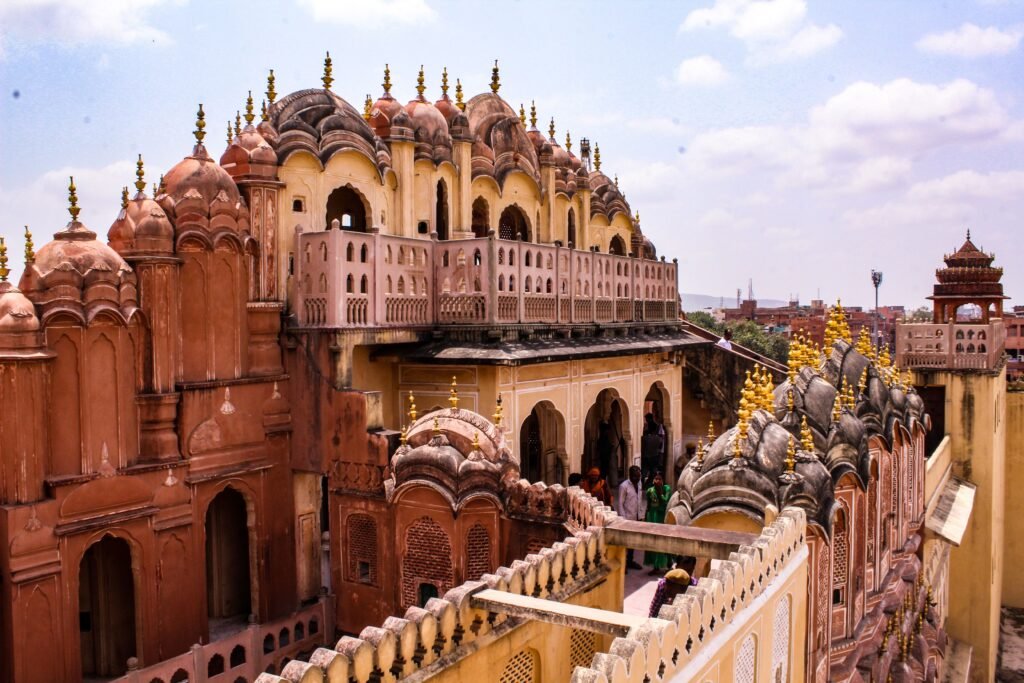
The classic first-timer route works best from October to March, but the months inside that window are not equal.
February and March are the sweet spot. Days are warm and clear, evenings are pleasant, and the air is at its best. December and January are cold, especially early in the morning, and dense fog is common. Fog can delay trains and flights, and it can wipe out the Taj Mahal sunrise view you woke up early for. Pack layers and don’t schedule tight connections.
The Delhi air quality problem
This is the piece almost nobody warns you about. From late October through November, Delhi’s air quality often drops to unhealthy levels. Crop burning in neighboring states, colder air that traps pollution close to the ground, and Diwali fireworks all stack up. If you have asthma, young kids, or you simply don’t want a scratchy throat for a week, check the live Air Quality Index before you book, and consider swapping Delhi for a shorter stay or a different month. Rajasthan, further south-west, is usually clearer.
Practical notes for the Taj Mahal
- The Taj Mahal is closed to regular visitors on Fridays.
- Sunrise is the best light, but fog in December and January can hide the monument entirely. February and March are the safest bets for a clear view.
- Summer heat makes midday visits punishing. If you’re there in April or May, go at opening time and leave by late morning.
Rajasthan's desert cities: Jaisalmer, Jodhpur, Udaipur, Pushkar
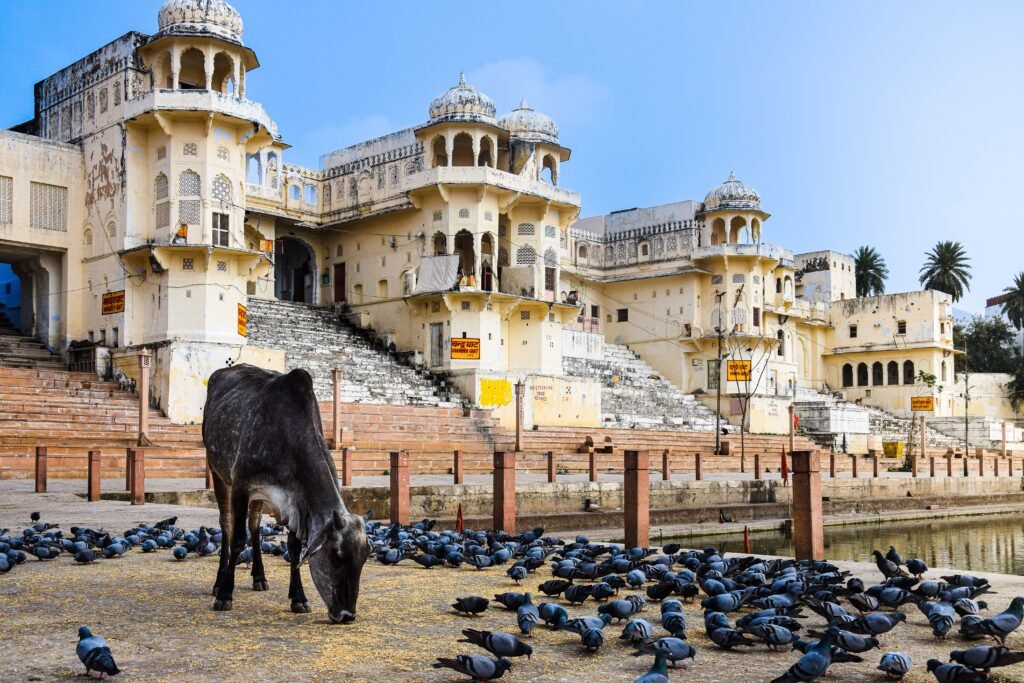
Rajasthan is a winter state. November to February gives you sunny days in the low to mid 20s°C and cool evenings. Desert nights in Jaisalmer can get properly cold in December and January, so those “romantic desert camp” photos come with a warm jacket you don’t see in the frame.
From April to June, temperatures in the desert climb well past 40°C, and sightseeing becomes an exercise in surviving. The monsoon (July to September) is milder here than on the coast, and it does something nice: it fills the lakes. Udaipur is arguably at its prettiest in September and October, right after the rains, when the lakes are full and the hills are green.
Festivals worth planning around
- Pushkar Camel Fair: Held around the full moon in October or November, and dates change every year. Hotels fill up months ahead, so book early.
- Jaisalmer Desert Festival: Usually in February, with folk music, turban competitions and camel events.
- Jaipur Literature Festival: Usually in January. A great reason to visit, and a reason to book early.
- Holi: The festival of colors, usually in March. Wonderful and messy. Wear clothes you’re happy to throw away.
Festival dates move each year because they follow the lunar calendar, so check the current year’s dates before you lock in flights.
Varanasi and the Gangetic plains
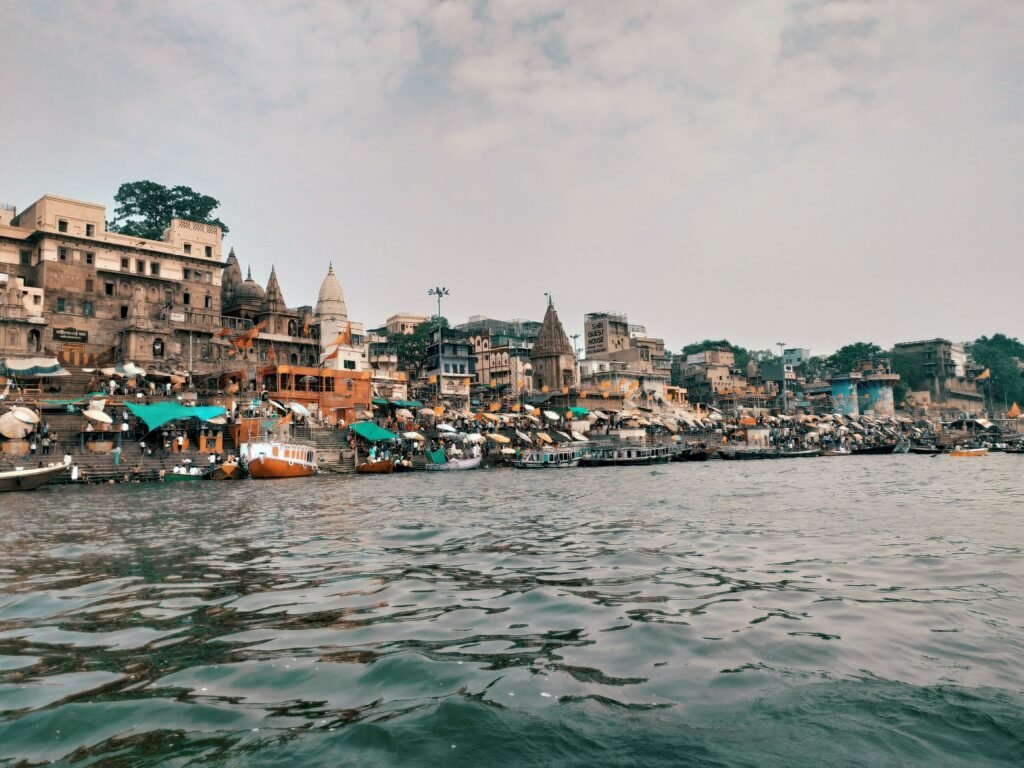
Varanasi is best from October to March. The morning boat rides on the Ganges and the evening aarti are far more enjoyable when you aren’t melting. In the monsoon, the river rises and can cover many of the ghats, which changes the whole experience. In November, Dev Deepawali lights the ghats with thousands of lamps, and it’s spectacular but crowded.
Best Time to Visit the Himalayas
Here’s the rule for the mountains: roads decide everything. Weather matters, but what really shapes your trip is which passes are open.
Ladakh and Spiti: June to mid-September
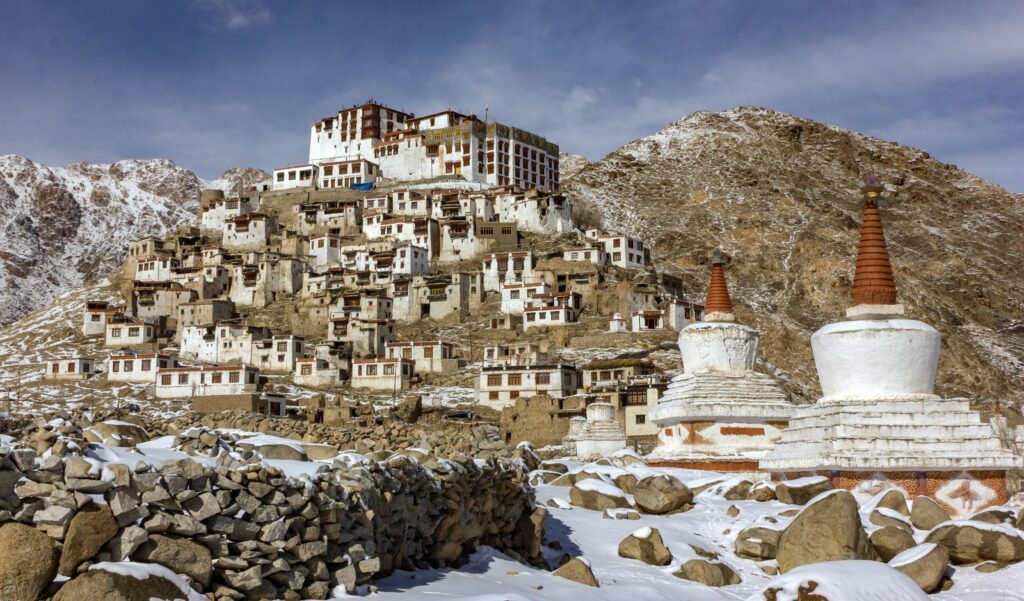
Ladakh is a high-altitude desert, and its tourist season is short. The two road routes in are the Manali–Leh highway and the Srinagar–Leh highway. The Srinagar route usually opens earlier, around April or May. The Manali route typically opens around June and closes again in autumn once snow returns. Dates shift every year depending on snowfall and clearing work, so always check the current year’s status with local operators or official announcements rather than trusting a blog (including this one).
You can also fly into Leh year-round, which is the safest and easiest way to get there.
- June to mid-September: Best window. Roads open, passes clear, monasteries and lakes are accessible, and this is the time for biking trips and treks. Ladakh is dry even when the rest of the Himalayas are drowning.
- May and late September: Fewer crowds, colder nights, and a chance some routes are still closed or newly closing.
- October to April: Roads shut, temperatures plunge, and tourism narrows to flights into Leh. Winter specialists come for the frozen Zanskar river trek (usually January and February) and for snow leopard tracking in the Hemis area.
Altitude is the real danger
Leh sits at around 3,500 meters. Even fit people can get altitude sickness if they rush. The safe approach is to rest the whole first day (often the first 24 to 48 hours), drink water, avoid alcohol, and only then go higher to places like Nubra Valley or Pangong Lake. Don’t schedule a big day on arrival, and treat a bad headache or nausea as a signal to descend or rest, not push on.
Kashmir: spring tulips, autumn color, winter snow
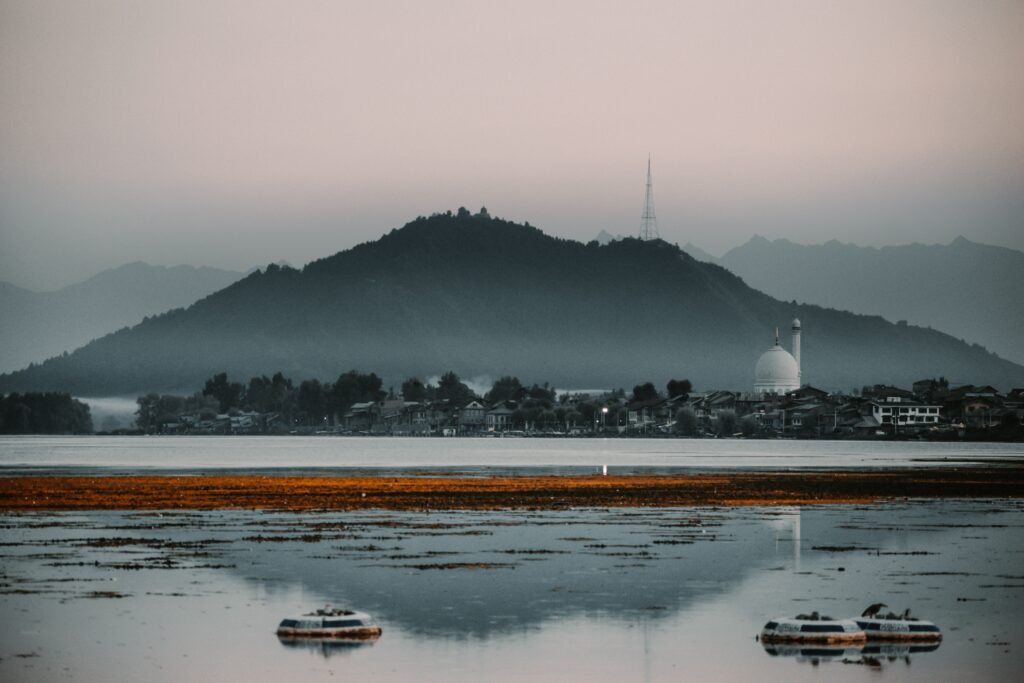
Kashmir changes character with each season, and each one is worth planning around.
- Late March to April: Srinagar’s tulip garden blooms for a few weeks. It’s one of the most photographed sights in the country.
- May to September: Warm, green, and good for houseboats on Dal Lake and trips to Pahalgam and Sonamarg.
- October to November: Autumn. Chinar leaves turn red and gold. It’s stunning and less crowded than summer.
- December to March: Snow. Gulmarg is the main ski destination, and the gondola gives you views over the Himalayas.
Because conditions and travel advisories in the region can change, check your government’s current travel advice and local news before booking, no matter which month you pick.
Himachal Pradesh and Uttarakhand
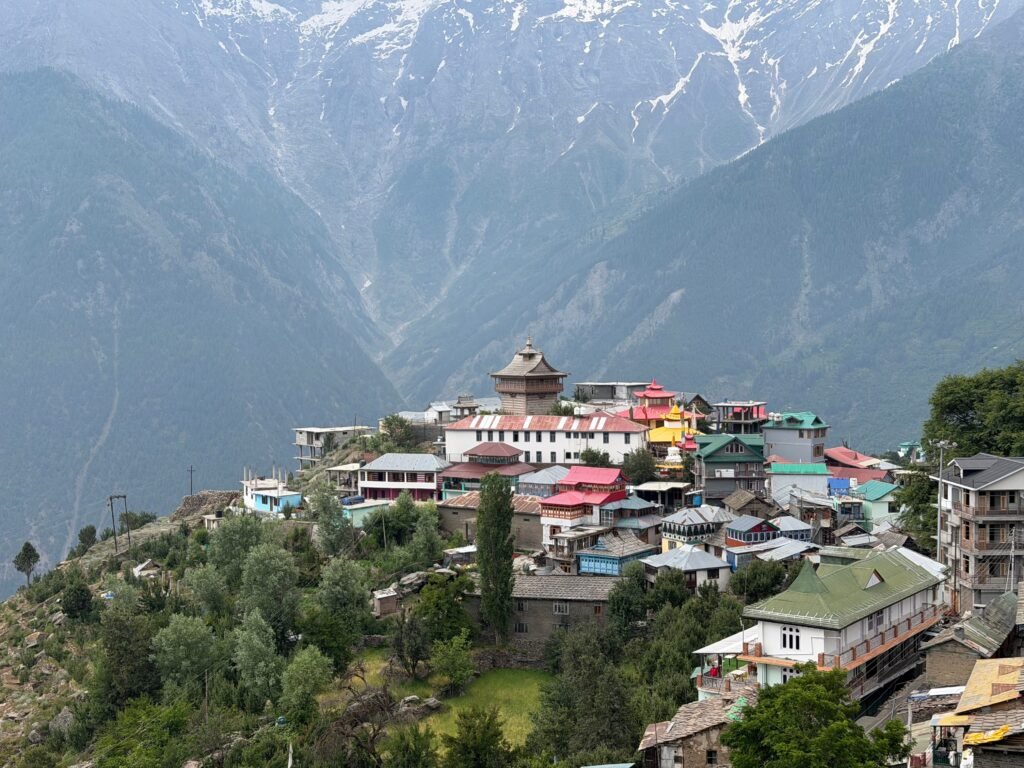
These two states are the classic hill-station getaways: Shimla, Manali, Dharamshala, Mussoorie, Nainital, Rishikesh.
- March to June: Pleasant weather and the escape from plains heat. This is peak season for hill stations.
- July and August: Heavy monsoon. Landslides, road closures and delays have been a serious problem in recent monsoons. Unless you have flexible plans, this is the riskiest window for these states.
- September to November: Clearer skies, green hills and better road conditions. Underrated and often the best value.
- December to February: Snow in higher places like Manali, Auli and Kufri. Beautiful, cold, and sometimes hard to reach.
A couple of specifics worth knowing. The Valley of Flowers in Uttarakhand blooms best around July to September, which is monsoon, so it’s a trek that rewards flexibility. Rishikesh’s white-water rafting is usually restricted during the monsoon and runs mainly from autumn through early summer.
Sikkim and Darjeeling
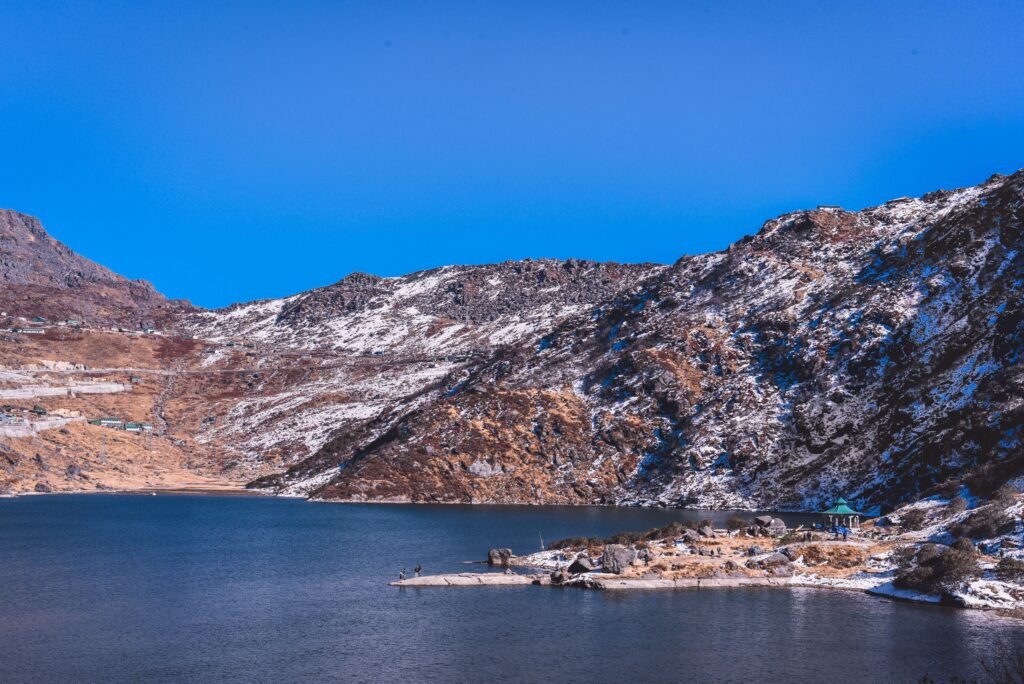
Two windows shine here. March to May brings rhododendrons blooming on the hillsides. October and November give the clearest mountain views, including Kanchenjunga on a good morning. Summer monsoon means landslides and cloud that hides the peaks. Winter is cold but bright, with lower crowds.
Best Time to Visit Goa and the West Coast
Goa: November to February (with a twist)
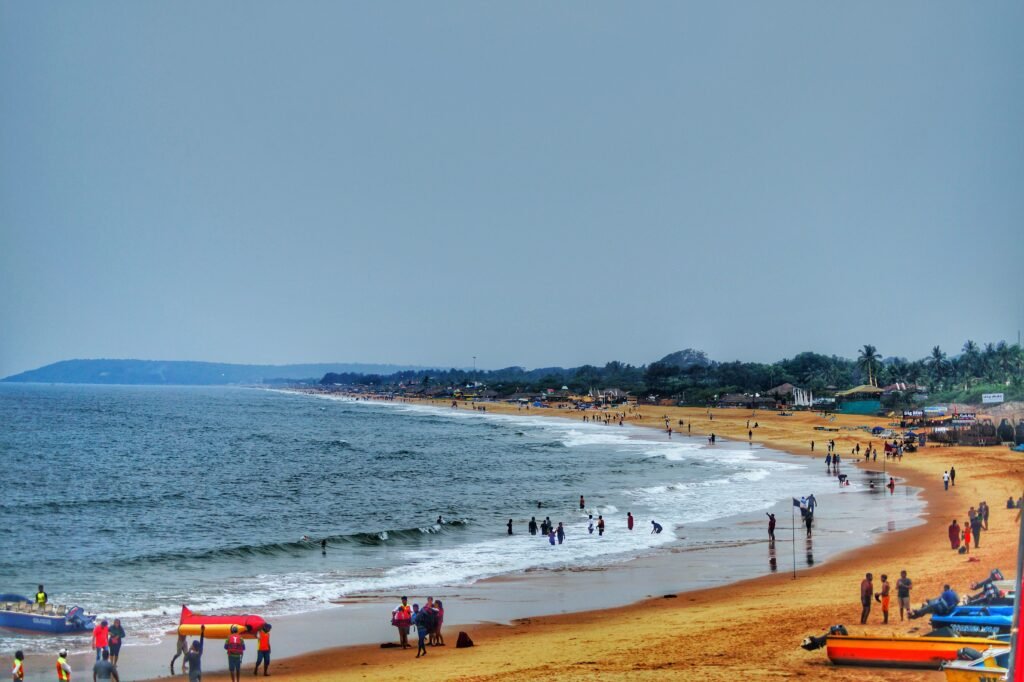
The beach shacks, the nightlife, the water sports and the sunshine all line up from November to February. That’s when Goa is at its best, and that’s exactly when it’s most crowded.
Here’s the nuance. Late December to early January is peak of the peak. Christmas and New Year’s Eve push hotel prices to their highest, beaches are packed, and big music events draw large crowds. If you want the good weather without paying triple, aim for early to mid-November or February. March gets hot and humid but is still quiet and cheaper.
Goa in the monsoon
From June to August, Goa is a different place. Heavy rain, rough seas, and many beach shacks (which are temporary structures) are taken down. Water sports stop. Swimming in the sea is often unsafe. But the green landscape is lovely, the crowds vanish, and prices drop hard. It suits people who want quiet, slow days and don’t mind wet weather. It does not suit someone expecting a classic beach holiday.
Mumbai and the Konkan coast
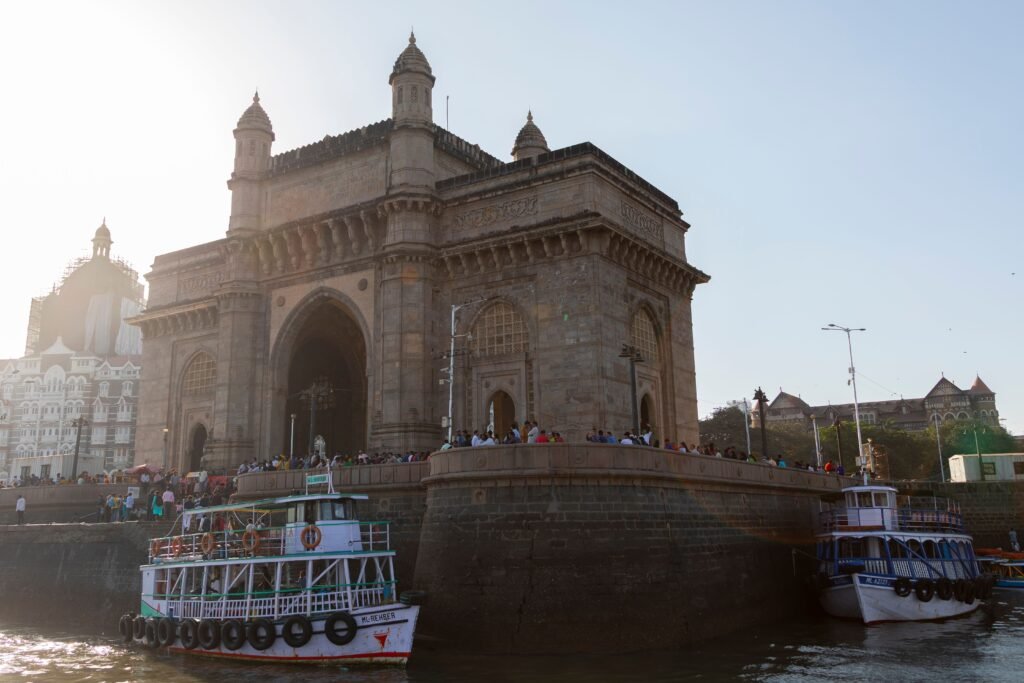
Mumbai is comfortable from November to February. The monsoon (June to September) brings heavy downpours and sometimes flooding, and the city can slow to a crawl. Ganesh Chaturthi, usually in August or September, is a huge festival and worth seeing if you can handle the crowds. The Konkan coast south of Mumbai follows the same pattern as Goa: great in winter, mostly shut and soggy in the rains.
Best Time to Visit Kerala and South India
Kerala: September to March, plus the monsoon case
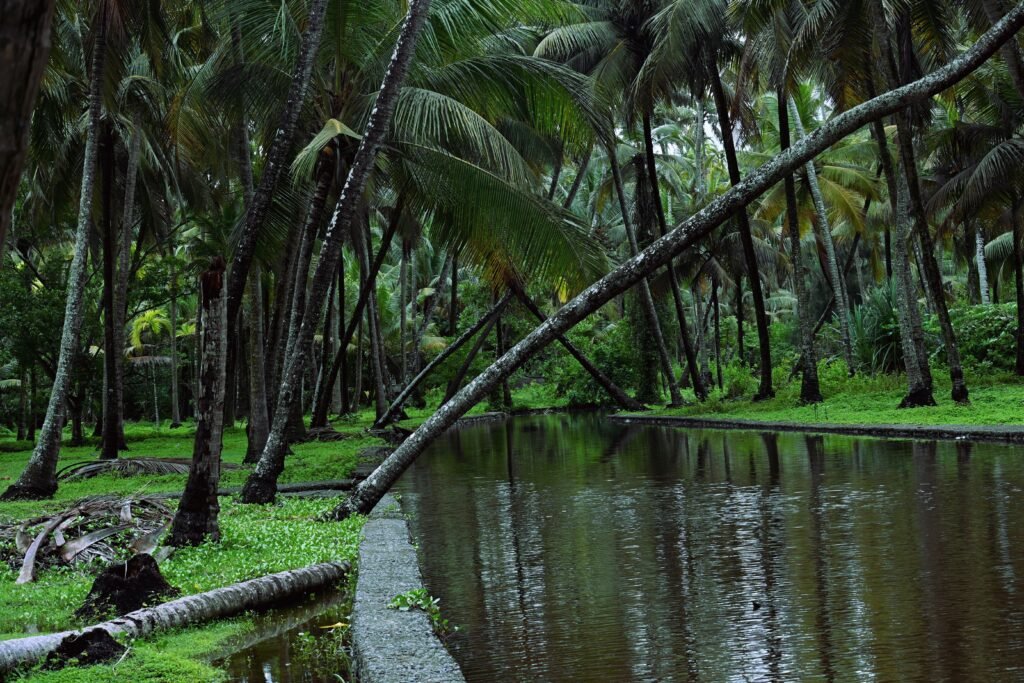
Kerala is warm and humid all year, so “best” is about rain and crowds.
- September to March: Best overall. Rain has eased, backwaters are calm, and the hills around Munnar and Wayanad are green and cool. December and January are peak season for foreigners and prices rise.
- April and May: Hot, humid, and sticky. Unless you’re heading straight to the hills, it’s not the most comfortable time.
- June to August (monsoon): Heavy rain arrives around the start of June. It’s also the traditional season for Ayurvedic treatments, since the cooler, moist air is considered ideal for them. Resorts offer big discounts, and the landscape is lush. Downsides: some activities are limited, and heavy rain days can be disruptive.
One festival is worth knowing about: Onam, in August or September, is Kerala’s biggest celebration, with feasts, flower carpets and the famous snake boat races on the backwaters.
Tamil Nadu and Chennai: mind the northeast monsoon
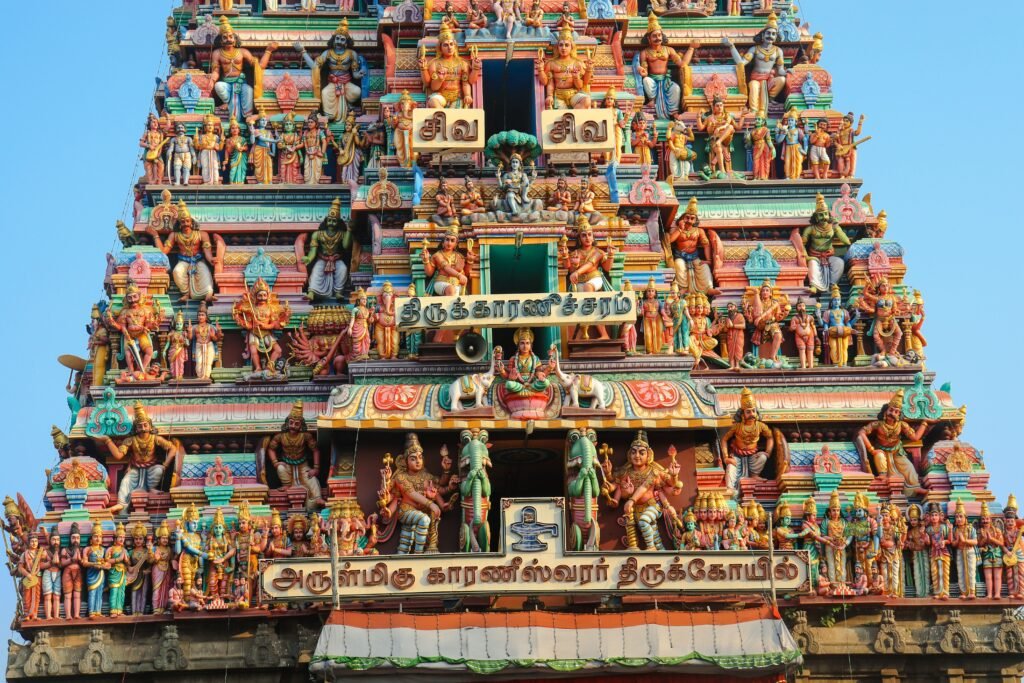
Remember that second monsoon. Chennai and much of Tamil Nadu get their heaviest rain from October to December, and flooding can happen. The better window is January to March, when it’s dry and pleasant. Temple towns like Madurai and Thanjavur are most comfortable from November to February, but keep a flexible plan in case of rain early in that window. In January, the harvest festival Pongal is a lovely time to see local traditions.
Karnataka, Hampi, Mysore and Coorg
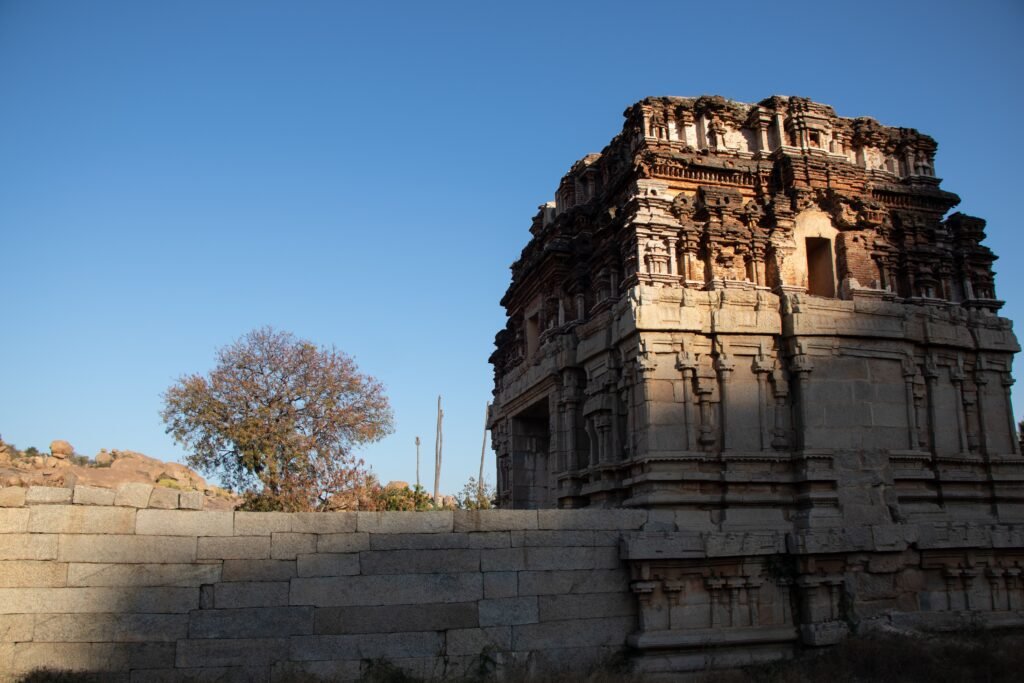
Hampi’s boulder-strewn ruins are best from October to February, when days are warm rather than scorching. Mysore’s Dasara festival, in September or October, is grand and worth timing your trip around. Coorg’s coffee country is green and misty after the monsoon, from October onward.
Best Time to Visit Eastern India, the Northeast and the Andamans
The Andaman Islands: November to April
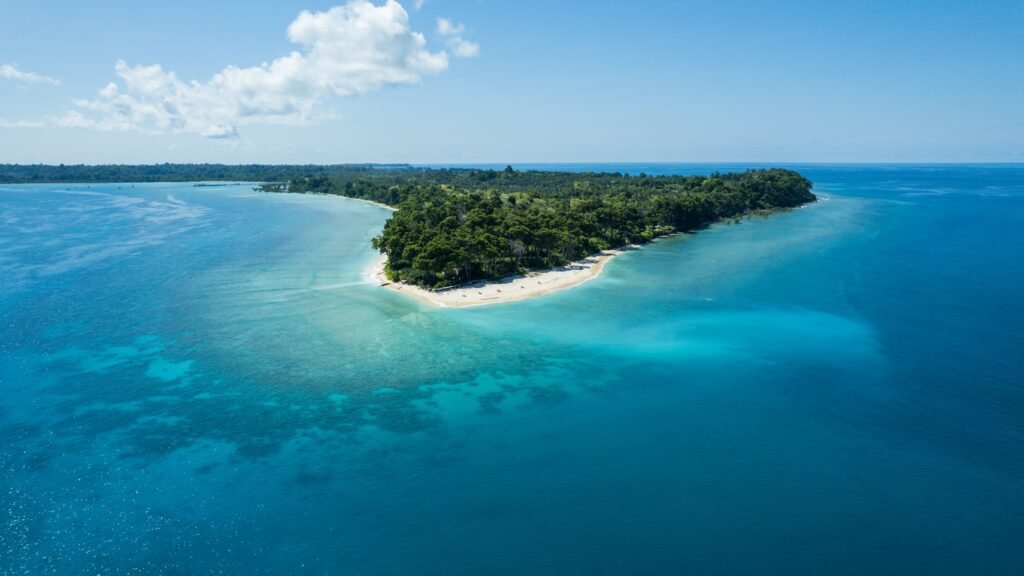
The Andamans are one of India’s best beach and dive destinations, and the season is clear. November to April brings calm seas, blue water and easy ferry travel. Diving visibility is usually best from December to April. From roughly May to September, rough seas can cancel ferries and limit activities. Cyclones occasionally form in the Bay of Bengal around April to May and October to December, so keep some flexibility.
If you’re heading to Havelock, book ferries and stays early during peak months. Radhanagar Beach is famous for a reason, and it’s best in the dry season.
Kolkata and Odisha
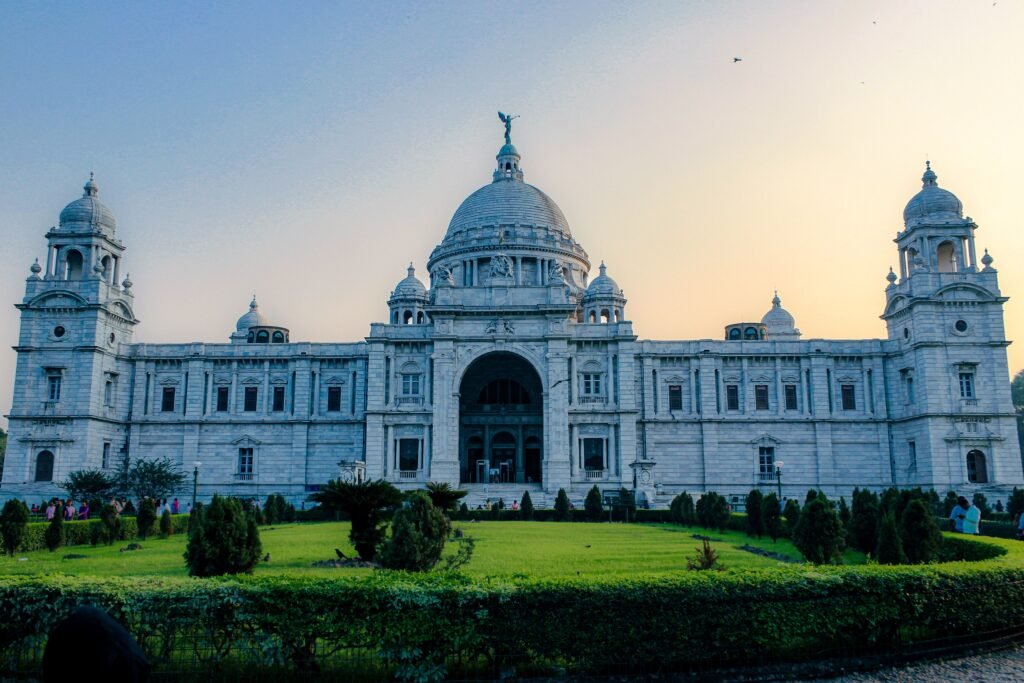
Kolkata is at its best from October to February. Durga Puja, held in September or October, is the city’s biggest festival, with elaborate temporary structures across the city. It’s incredible, but the city is packed and accommodation fills quickly. In Odisha, the Rath Yatra in Puri (usually June or July) draws enormous crowds, and December brings the Konark Dance Festival.
Assam, Meghalaya and the Northeast
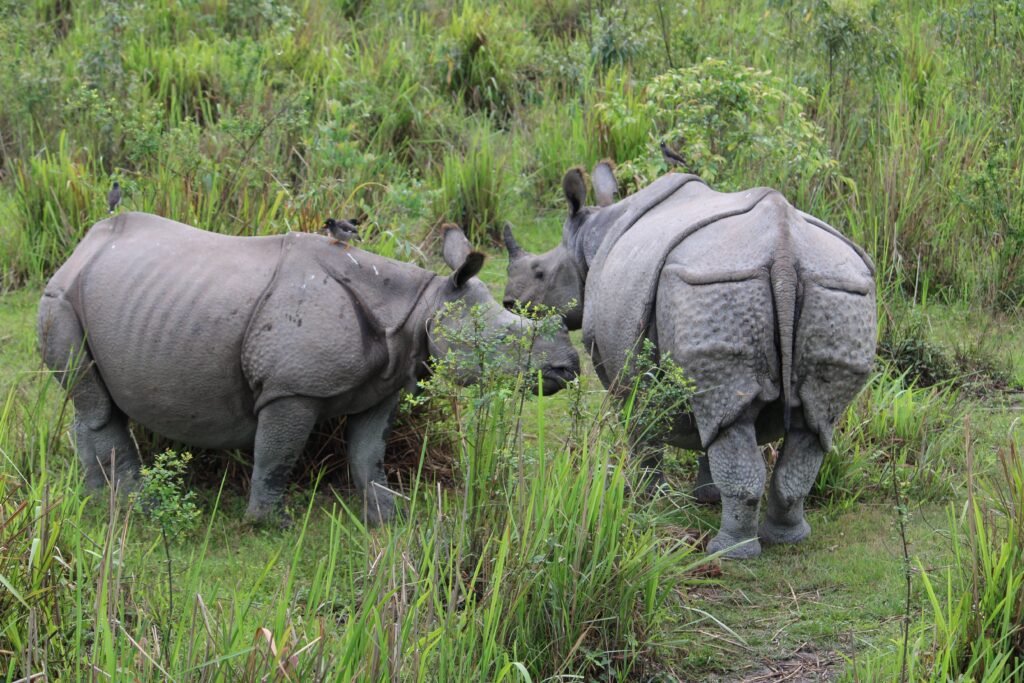
The Northeast is lush because it gets extremely heavy rain. October to April is the comfortable window. Kaziranga National Park in Assam is generally open only in the dry season, roughly November to April, and closes during the monsoon floods. Meghalaya is one of the wettest places on earth, and while waterfalls thunder in the monsoon, travel is harder and roads can be disrupted. In early December, Nagaland’s Hornbill Festival brings tribal cultures together in one place.
Some Northeast states require special permits for foreign visitors, and rules change. Check current requirements before you go.
Tigers and Safari Season
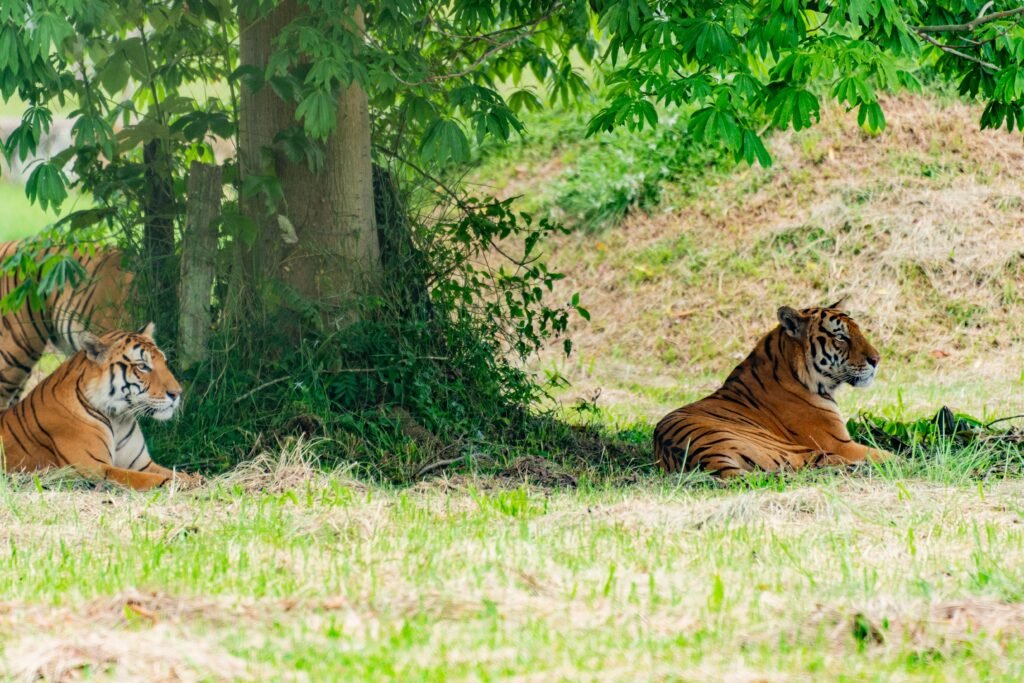
If wildlife is your goal, timing works differently. Most national parks close during the monsoon: many central and northern parks such as Ranthambore, Kanha, Bandhavgarh and Corbett shut for the rainy months and reopen around October. Cooler months (November to February) are comfortable for safaris, but tiger sightings can actually improve in the hotter months of March to June, when animals come to the remaining water sources. It’s a trade-off between comfort and odds. Note that tigers are wild animals, and sightings are never guaranteed in any month.
How to Combine Regions in One Trip
India is huge, so most travelers pick two or three regions. Here are combinations that actually work in the same month.
| When you’re traveling | Good combination |
|---|---|
| November to February | Rajasthan + Goa or Kerala (the classic winter loop) |
| February to March | Delhi/Agra + Rajasthan + Kerala |
| April to May | Himachal or Sikkim + Darjeeling |
| June to September | Ladakh + Kerala Ayurveda retreat |
| October to November | Rajasthan + Varanasi + Andaman |
What to avoid: pairing the Golden Triangle with Kerala in May (you’ll be miserable in both), or trying to squeeze Ladakh and Goa into one July trip when Goa is shut for the rains.
What Each Season Costs

Season is the single biggest lever on your India budget, more than your travel style. Here’s how it plays out.
Peak, shoulder and off-season prices
- Peak season (December to January, plus festival weeks): Hotels, especially in Goa, Kerala, Rajasthan and the Taj Mahal area, cost the most. Domestic flights and trains sell out early. Christmas to New Year is the most expensive stretch in the country.
- Shoulder season (October to November, February to March): Good weather with noticeably lower prices and thinner crowds. This is where the value is.
- Off-season (monsoon and summer): Big discounts at beach resorts, hill hotels and Kerala’s Ayurvedic centers. Hotels in Goa and Kerala can cost a fraction of December prices. The trade-off is weather.
Rough daily budget (per person)
| Travel style | Approx. per day | What it covers |
|---|---|---|
| Budget | About $30 to $50 | Hostels or simple guesthouses, local food, trains and buses |
| Mid-range | About $80 to $150 | Comfortable hotels, restaurants, taxis, some guided tours |
| Luxury | $250 and up | Heritage hotels, private drivers, guided experiences |
These are rough orientation figures and prices vary a lot by city and season. In peak months, add a sizable premium in tourist hot spots.
Ways to save money by timing
- Book peak-season hotels and domestic flights 2 to 3 months ahead. Trains can sell out even earlier.
- Shift by a few weeks: early November or late February gives you peak-season weather at shoulder-season prices.
- Consider the monsoon for Kerala, Ladakh and Rajasthan’s lake cities if you can handle some rain.
- Avoid Indian school holiday periods and major festivals if you want lower prices.
Pros and Cons: Peak, Shoulder and Monsoon
| Season | Pros | Cons |
|---|---|---|
| Peak (Nov to Feb) | Best weather in most regions, everything open, festivals, great for first-timers | Highest prices, big crowds, booking pressure, Delhi fog and smog |
| Shoulder (Oct, Mar, parts of Feb) | Good weather, fewer people, lower prices, flexible bookings | Some heat creeping in, second monsoon in the south-east, festival crowds |
| Summer (Apr to Jun) | Best for hill stations and early Ladakh, low plains crowds | Extreme heat in the plains, tiring sightseeing |
| Monsoon (Jun to Sep) | Cheapest, green landscapes, Ayurveda in Kerala, Ladakh is dry | Flooding, landslides, cancelled activities, humidity |
Common Mistakes When Timing Your India Trip

- Booking Delhi in November without checking air quality. Look at the AQI history for that month and have a backup plan.
- Treating “India” as one climate. A trip that starts in Ladakh and ends in Kerala needs completely different clothes and dates.
- Forgetting the second monsoon. October to December is wet in Chennai and parts of Tamil Nadu.
- Arriving in Ladakh before the roads open. Always check road status, or fly in, and rest on arrival for altitude.
- Booking Goa or Kerala for New Year’s at the last minute. Prices double and rooms disappear. Reserve months ahead.
- Ignoring festival dates. Pushkar, Diwali, Durga Puja and Holi can either be a highlight or a logistics headache. Check dates before you book.
- Underestimating April to June heat. Forty-plus degrees makes sightseeing exhausting. Skip the plains, or plan mornings only.
- Packing tight travel connections in December and January. Fog delays trains and flights in the north. Leave buffer time.
Pro Travel Tips

Check live conditions right before you go
Weather, air quality and road status change. Look at the IMD forecast, a live AQI app, and local road bulletins for mountain routes in the week you leave.
Book trains and popular hotels early
Indian trains open bookings well in advance and popular routes sell out. In peak months, book as soon as your dates are set.
Build in flexibility for mountain and monsoon trips
If you’re traveling to the Himalayas or anywhere in the monsoon, leave a spare day or two. Landslides and weather delays are normal, not exceptional.
Pack for the season, and for the region
- Winter north: Warm layers, a scarf and a jacket for mornings and desert nights.
- Summer plains: Light cotton, a hat, sunscreen, and a refillable bottle.
- Monsoon: A light rain jacket, quick-dry clothes and waterproof bags for electronics.
- Mountains: Layers, sun protection (it’s stronger at altitude), and any medication you might need.
Look after your stomach and your health
Heat, humidity and rich food are a tough mix for new visitors. Drink bottled or filtered water, be careful with street food early in your trip, and carry basic medicines. Also check entry requirements, including the e-Arrival card and visa rules, before you fly.
[INTERNAL LINKS TO ADD: your India travel guidelines 2026 pillar, the e-Arrival card article, “How to Avoid Getting Sick in India”, your packing guide.]
Use shoulder seasons on purpose
If you have flexibility, plan around the edges of peak season. Early November, late February and early March often deliver the best combination of weather, price and space.
Who Should Go When
- First-timers: Go in February or March for Delhi, Agra and Rajasthan, and add Kerala or Goa. The weather is reliable and the route is easy.
- Budget travelers: Aim for shoulder months (October, early November, February, March), or use the monsoon for Kerala and Ladakh.
- Photographers: Late September and October for Udaipur’s full lakes, October and November for Kashmir autumn and Sikkim mountain views, and February for clean light in Rajasthan.
- Beach lovers: November to February for Goa, November to April for the Andamans.
- Trekkers and bikers: Ladakh from June to mid-September, and Himachal and Uttarakhand in spring or autumn.
- Families: Winter (December to February) is the most comfortable for kids in most regions, but book early. Avoid the plains in summer.
- Culture and festival fans: Match the trip to the calendar: Holi in March, Pushkar in October or November, Durga Puja in Kolkata, Onam in Kerala, Hornbill in Nagaland in December.
If you can only pick one month for a first trip to India: go in February. Most of the country works, the weather is kind, and you avoid the peak-price December rush.
Frequently Asked Questions
What is the best time to visit India overall?
October to March is the best time to visit India for most regions, with November to February offering the most comfortable weather across the plains and the south. The right month still depends on the region you choose.
When is the cheapest time to visit India?
The monsoon, from June to September, is generally the cheapest time to visit India, with lower hotel rates and fewer crowds. Heavy rain limits travel in some regions, so choose destinations like Kerala or Ladakh that handle the season well.
Is the monsoon a bad time to visit India?
Not everywhere. Kerala and Ladakh work well in the monsoon, while Mumbai, Goa's beaches, and the Himalayan states of Himachal Pradesh and Uttarakhand are more affected by flooding and landslides.
What is the best time to visit the Golden Triangle?
October to March is the best time to visit the Golden Triangle of Delhi, Agra and Jaipur, and February and March are ideal. Check Delhi's air quality in late October and November, and expect fog in December and January.
What is the best time to visit Goa?
November to February is the best time to visit Goa for beaches, open shacks and nightlife. December and early January are the most expensive, so early November or February offers better value.
When is Ladakh open to tourists?
Ladakh is generally best from June to mid-September, when the main mountain roads are open. Flights to Leh run year-round, but always check current road and weather conditions before booking.
What is the hottest month in India?
May is typically the hottest month across much of the plains, when temperatures in north and central India often exceed 40°C. Hill stations and the Himalayas are the better choice at that time.