
The best time to visit Bali is between April and June, or in September. You get mostly dry weather, warm seas, and crowds that are still manageable. July and August are the busiest and most expensive months, while November to March is the rainy season, which is cheaper and greener but wetter.
That is the tidy answer. The honest answer is a bit more useful: “rainy season” in Bali rarely means it rains all day, and “dry season” doesn’t guarantee sunshine. The best month for you depends on what you care about most, whether that is surf, beaches, temples, budget, or simply not being stuck in traffic behind a tour bus.
So I’ve broken this down month by month, with what the weather is like, how busy it gets, what things cost, and who each month suits. If you’re still working out the basics, my guides to whether 3 days is enough in Bali and the 5-day Bali itinerary pair well with this one.
Table of Contents
ToggleBali's Seasons at a Glance
Bali sits just south of the equator, so there are no winters or summers. There are two seasons: dry and wet. Temperatures barely change through the year, hovering in the high 20s to low 30s °C (roughly 80s °F) along the coast. What changes is the rain, the humidity, and the number of people around you.
| Season | Months | Weather | Crowds | Prices |
|---|---|---|---|---|
| Dry season | April to October | Sunny, lower humidity, cooler nights inland | Moderate to very high | Mid to high |
| Wet season | November to March | Hot, humid, heavy showers, often in the afternoon or evening | Low to moderate (except Christmas and New Year) | Low to mid |
| Shoulder months | April to May, September to October | Mostly dry, a few showers | Moderate | Best value |
The shoulder months are where I’d point most first-time visitors. You get dry-season weather without the peak-season price tag.
Bali Weather by Month: What Each Month Is Really Like
Every month below follows the same quick format so you can compare. Weather patterns can shift from year to year, so treat these as a guide rather than a guarantee.
Bali in January
Weather: This is the heart of the wet season. Expect hot, sticky days with heavy rain, often arriving in the afternoon or overnight. Some days are grey from morning to night.
Crowds and prices: The first days of January are expensive and busy thanks to New Year travelers. After that, things quiet down and rates drop.
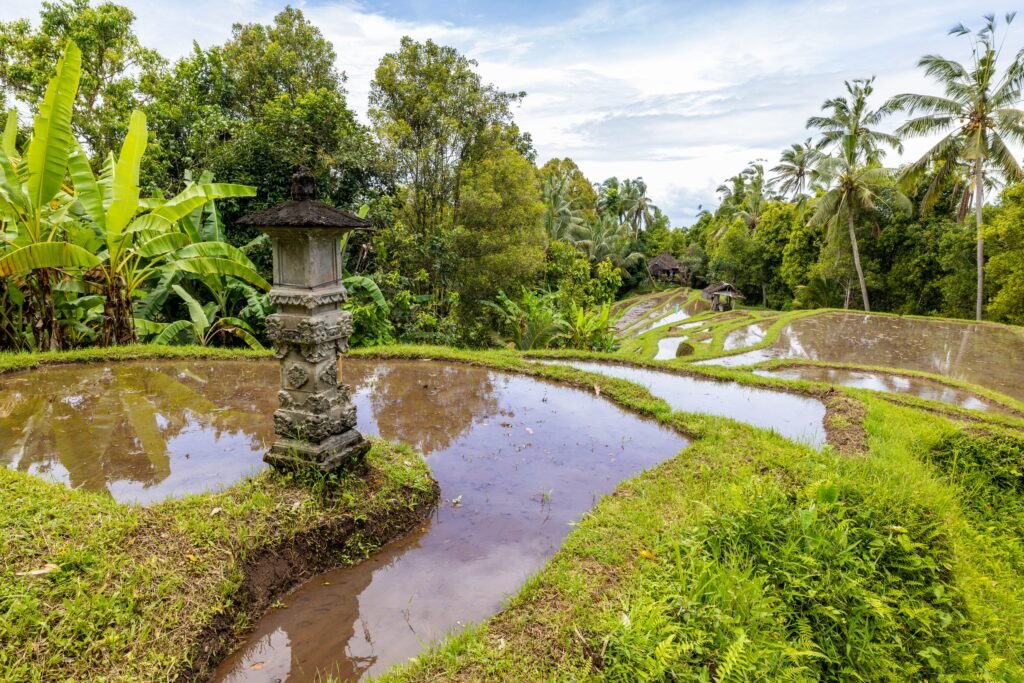
Best for: Budget travelers, cafe-hoppers, spa lovers, and anyone who prefers lush green rice terraces over sunbathing.
Watch out for: Rough seas, muddy trails, and occasional flooding on low-lying roads. Beach days are hit and miss.
Bali in February
Weather: Along with January, February is usually among the wettest months. Rain can be heavy, but you’ll typically still get some dry windows each day.
Crowds and prices: Some of the lowest visitor numbers and best accommodation deals of the year.
Best for: Travelers who want a quiet Bali and have flexible plans.
Watch out for: Waterfall hikes can be slippery, and boat trips to nearby islands may be canceled if the sea is rough. Keep a backup plan for every outdoor day.
Bali in March
Weather: The rain starts easing toward the end of the month, though showers are still common.
Crowds and prices: Still relatively quiet and affordable.
Best for: People who want low prices with slightly better odds of sunshine.
Watch out for: Nyepi, the Balinese Day of Silence, usually falls in March or thereabouts. For 24 hours the island shuts down: the airport closes, roads are empty, and everyone stays indoors with lights kept low. It’s a remarkable thing to experience, but you need to plan around it. Check the exact date for your year on an official source.
Bali in April
Weather: The transition month. Rain becomes less frequent and skies clear up, though a few afternoon showers can still appear.
Crowds and prices: Shoulder-season pricing and thinner crowds, especially outside Easter and school breaks.
Best for: First-timers, couples, and travelers who want good value with decent weather.
Watch out for: Weather can be inconsistent early in the month.
Bali in May

Weather: Mostly dry and sunny, with comfortable humidity and warm evenings.
Crowds and prices: Moderate. Prices stay reasonable before the summer surge.
Best for: Almost everyone. If someone asks me for one safe month, May is a strong answer.
Watch out for: Long weekends and public holidays in Indonesia can briefly fill popular spots.
Bali in June
Weather: Dry, sunny, and pleasant. Evenings, especially inland, feel a touch cooler.
Crowds and prices: Visitors start building, and prices creep upward as the month goes on.
Best for: Beach days, surfing, and general sightseeing.
Watch out for: Early June is still a bargain. By the end of the month, you may notice higher rates and busier restaurants.
Bali in July
Weather: Dry season at its best: bright days, low rain, and cooler nights.
Crowds and prices: Peak season begins. Flights and hotels cost more, and popular places like Canggu, Ubud, and Uluwatu get crowded.
Best for: Surfers, families on school holidays, and anyone who wants reliably dry weather and doesn’t mind paying for it.
Watch out for: Traffic. Short distances can take a long time, especially around Canggu and Ubud. Book accommodation and popular activities well in advance.
Bali in August
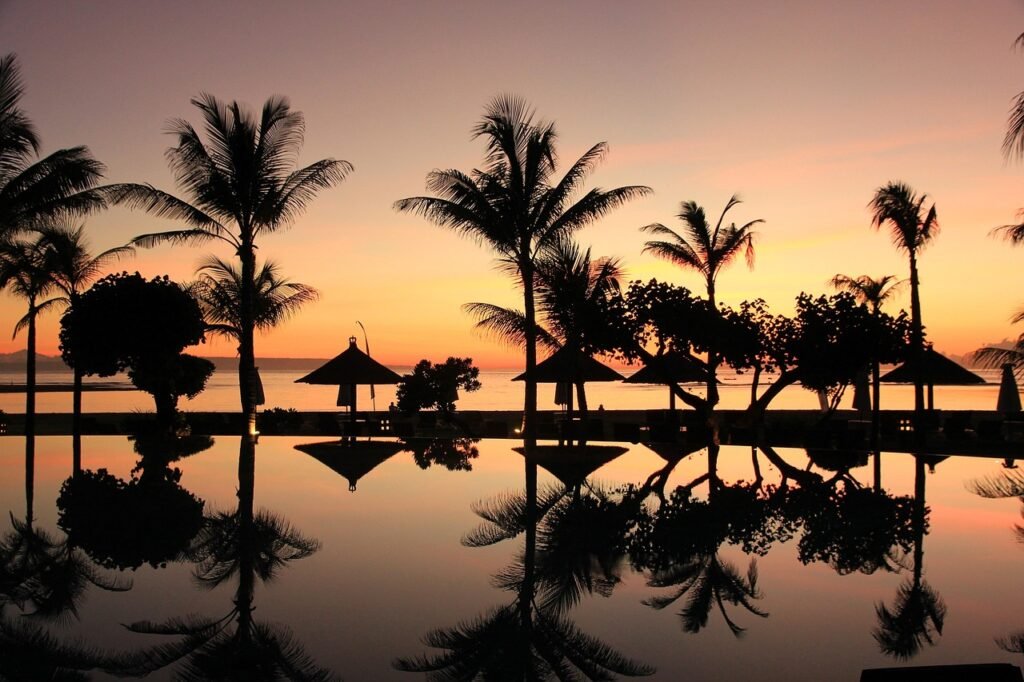
Weather: Similar to July: dry, clear, and slightly breezy.
Crowds and prices: Usually the busiest and most expensive month of the year. Indonesian Independence Day on 17 August adds local celebrations and extra domestic travel.
Best for: People who are locked into school-holiday dates.
Watch out for: Sold-out rooms, packed beach clubs, and higher prices everywhere. If you can move your dates by a few weeks, you’ll save money and stress.
Bali in September
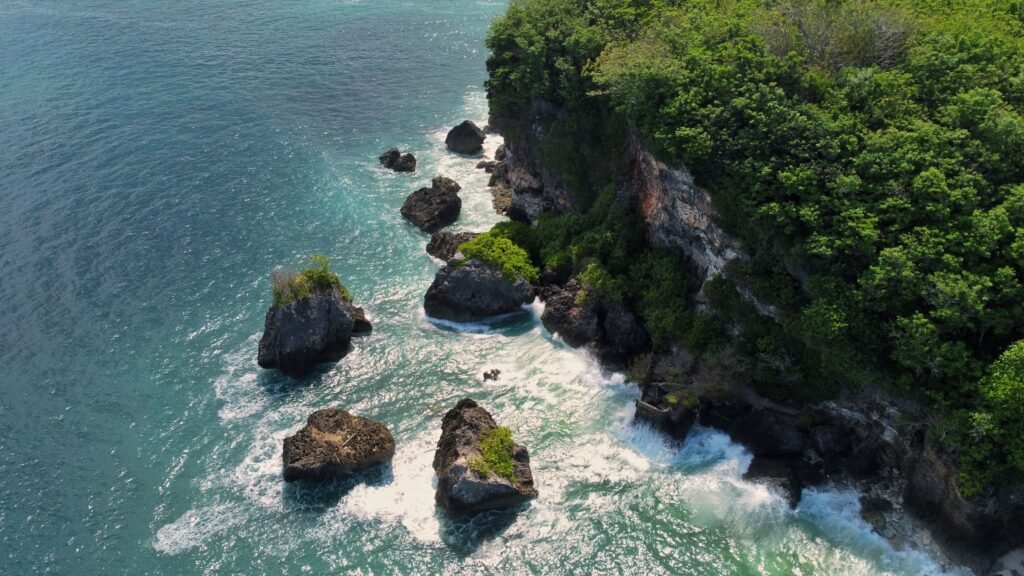
Weather: Still dry, sunny, and warm, with the sea often at its calmest and clearest.
Crowds and prices: Crowds thin out noticeably after August, and prices ease.
Best for: Almost everything. September is my favorite alternative to May because you get dry-season weather without the peak-season crush.
Watch out for: Not much. Book ahead if you’re going in the first week, when late-summer travelers are still around.
Bali in October
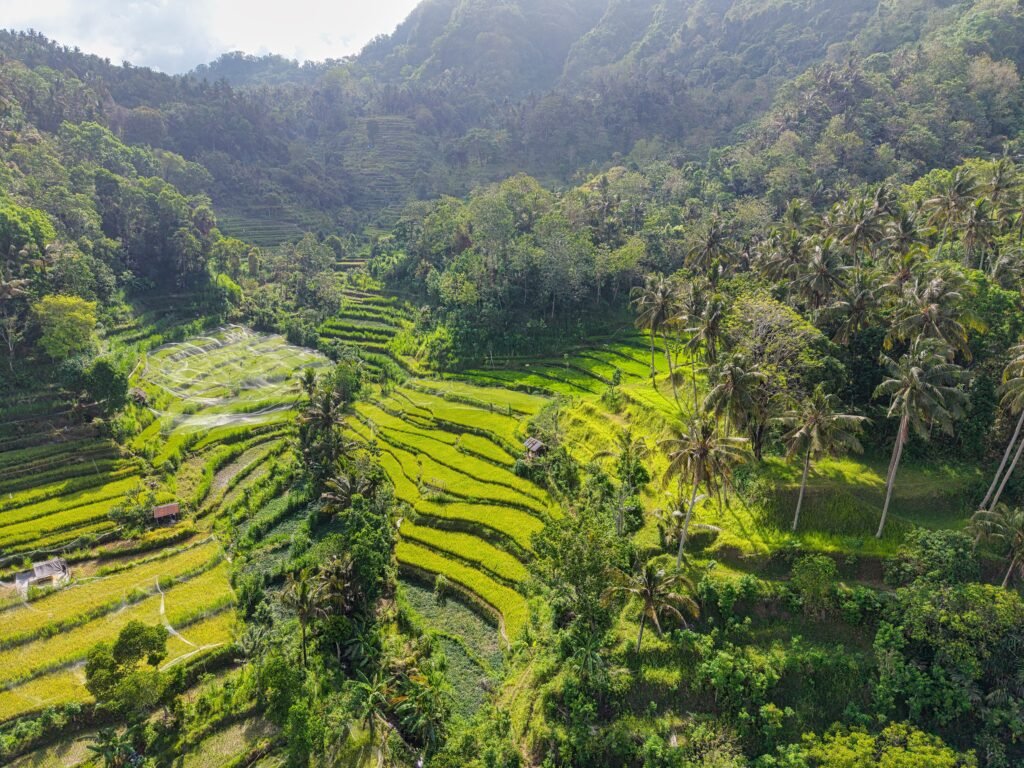
Weather: Mostly dry early on. Late in the month, humidity rises and the first showers of the coming wet season appear.
Crowds and prices: Quieter and cheaper than the summer peak.
Best for: Travelers who want good weather at a lower price and don’t mind an occasional shower.
Watch out for: Forecasts get less predictable toward the end of the month.
Bali in November

Weather: The wet season is settling in. Expect warm, humid days with regular downpours, though you’ll often get long dry stretches too.
Crowds and prices: Some of the best accommodation deals of the year, with few crowds.
Best for: Budget travelers and slow travelers who value space and low prices.
Watch out for: Plan indoor alternatives such as cooking classes, spas, and museums.
Bali in December
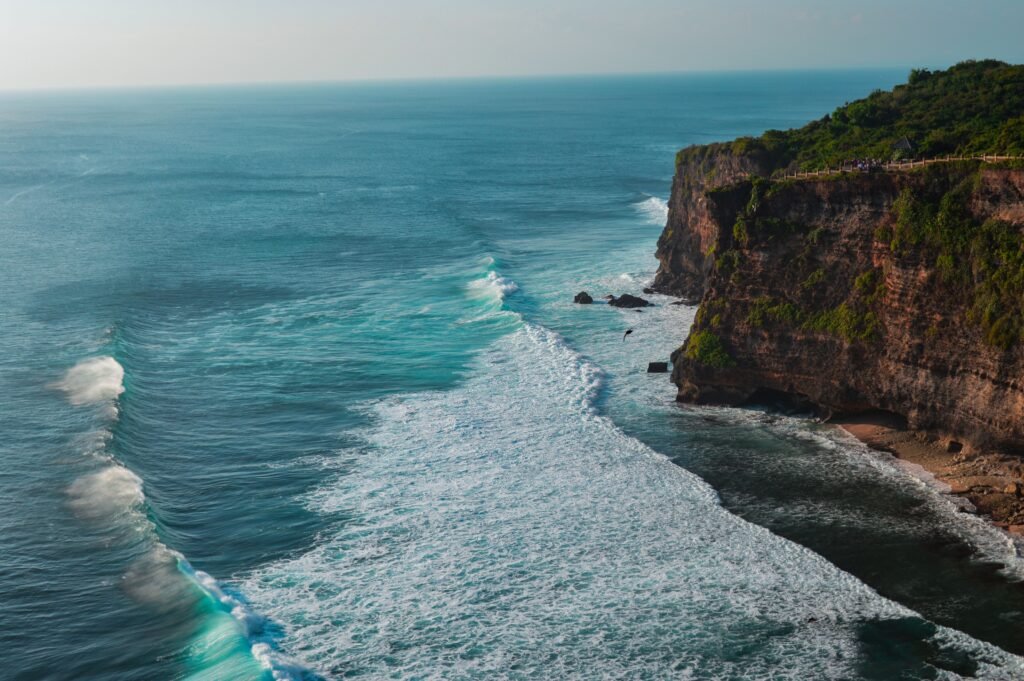
Weather: Wet and humid, with frequent showers.
Crowds and prices: Despite the rain, Christmas and New Year send prices and crowds soaring. Many people want a holiday in the sun, and Bali is a popular choice.
Best for: Festive trips, if you accept that the weather is unpredictable.
Watch out for: Book early. Last-minute rooms during the holidays can be limited and pricey.
Bali's Dry Season vs. Wet Season: Pros and Cons
Dry season (Apr to Oct) | Wet season (Nov to Mar) | |
| Pros | Sunny weather, calmer seas, easy sightseeing, ideal for beaches and hikes | Lower prices, fewer tourists, lush green landscapes, better photos of rice terraces and waterfalls |
| Cons | Higher prices, more crowds, heavy traffic in July and August | Rain can disrupt plans, rough seas, muddy trails, high humidity |
| Best for | First-timers, families, surfers, beach lovers | Budget travelers, repeat visitors, spa and wellness trips |
One thing worth saying plainly: a rainy-season trip to Bali isn’t a bad trip. It’s a different one. With flexible plans and a good rain jacket, you can have a great time and spend noticeably less.
Best Time to Visit Bali by Activity

For Beaches and Sunbathing
April to October, and especially May, June, and September. The sea is calmer, the skies are clearer, and beach clubs are in full swing.
For Surfing
Bali has surf all year, but the best breaks depend on the season. In the dry season (roughly May to September), the Bukit Peninsula, including Uluwatu, Padang Padang, and Bingin, gets its best swell. In the wet season, the east-coast breaks near Sanur become the better option. Beginners usually do best at Kuta, Legian, and Canggu’s gentler beach breaks.
For Diving and Snorkeling
Dry season generally gives better visibility. Nusa Penida is popular for manta rays year-round, and the mola mola (sunfish) season is generally reported as running from roughly July to October, when colder water rises. Amed, Menjangan Island, and Tulamben also have good conditions in the dry months.
For Hiking
Sunrise treks up Mount Batur are most reliable in the dry months, when you have a better chance of clear skies and dry trails. In the wet season, cloud cover often hides the view, and paths get slippery.
For Ubud and Rice Terraces
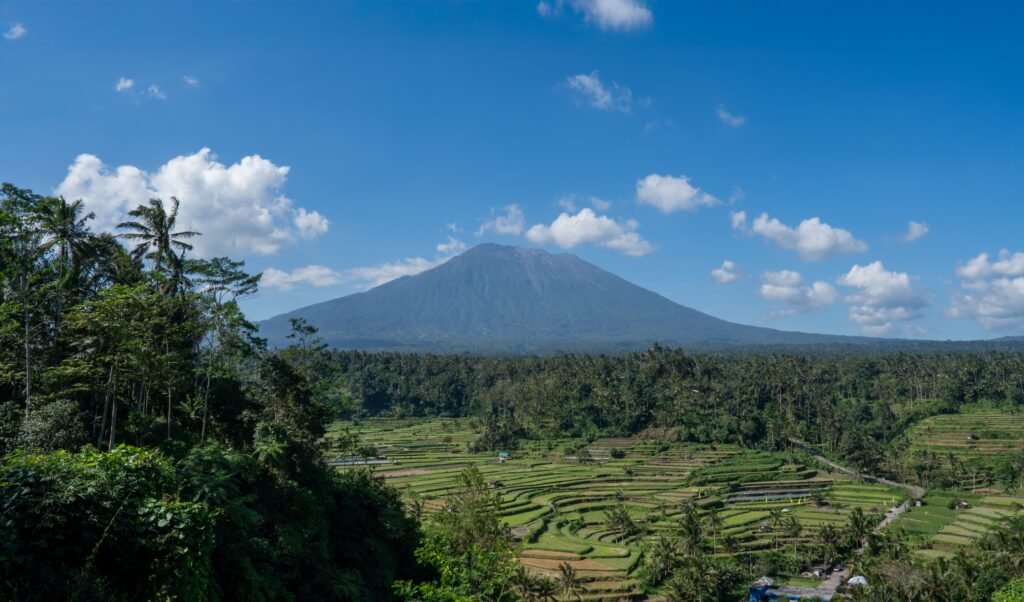
Ubud is good year-round, but different seasons offer different scenes. The wet season turns the rice terraces intensely green. The dry season brings easier walking, more cafe terraces to enjoy, and better conditions for cycling and trekking. Ubud sits slightly higher and inland, so it tends to feel cooler and can get more rain than the south coast.
For Honeymoons and Couples
May and September are hard to beat: good weather, quieter villas, and better rates. If you have your heart set on a private pool villa in peak season, book several months ahead.
For Families
June to July or September work well thanks to reliable weather and calm seas. If you’re limited to school holidays, book early and be ready for higher prices and busier attractions.
Weather Differs Across Bali
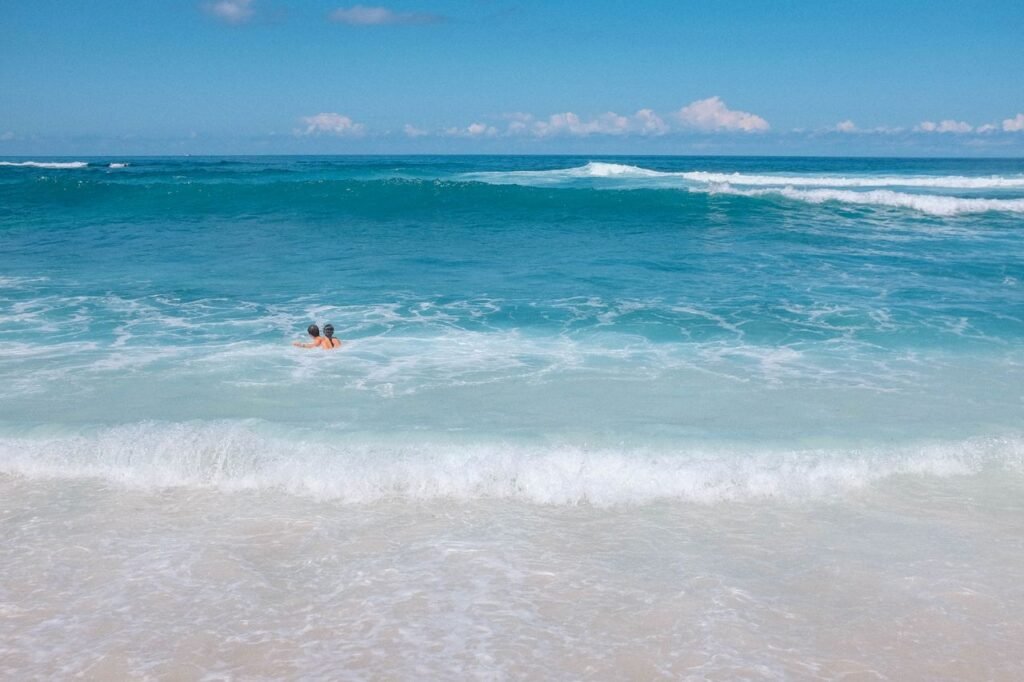
Most guides treat Bali as a single weather zone, but it isn’t. The island is small, yet the mountains create real differences.
- South (Seminyak, Canggu, Kuta, Uluwatu, Nusa Dua): Generally drier and sunnier. This is where most people stay.
- Central highlands (Ubud, Kintamani, Bedugul): Cooler and wetter. Kintamani and Bedugul can be surprisingly chilly in the evenings, so pack a light layer.
- East (Sanur, Amed, Candidasa): Often calmer seas in the wet season and good diving and snorkeling in the dry season.
- North (Lovina, Munduk): Quieter, with a slightly different rain pattern from the south. Great for waterfalls and a slower pace.
The practical takeaway: if it’s pouring in Ubud, it may be drier on the coast, and vice versa.
Festivals and Holidays That Affect Your Trip

Bali’s calendar is packed with ceremonies, and they can shape your trip more than the weather does.
Nyepi (Day of Silence)
The most important one to plan around. For a full day, the entire island observes silence: no flights, no traffic, no lights, and no going outdoors beyond your accommodation. Tourists are expected to follow the rules too. Many travelers find it a highlight, especially the night-before ogoh-ogoh parades, but you should never plan an arrival or departure on Nyepi.
Galungan and Kuningan
Galungan is one of Bali’s most important Hindu holidays, held every 210 days according to the Balinese calendar, so its date shifts each year on the Western calendar. Streets are decorated with tall bamboo poles called penjor, families visit temples, and some local businesses close. It’s a beautiful time to see the culture, but check your dates.
School Holidays and Public Holidays
Australian, European, and Indonesian school breaks all push up demand. Independence Day (17 August) and the Christmas and New Year period are especially busy.
What Each Season Costs
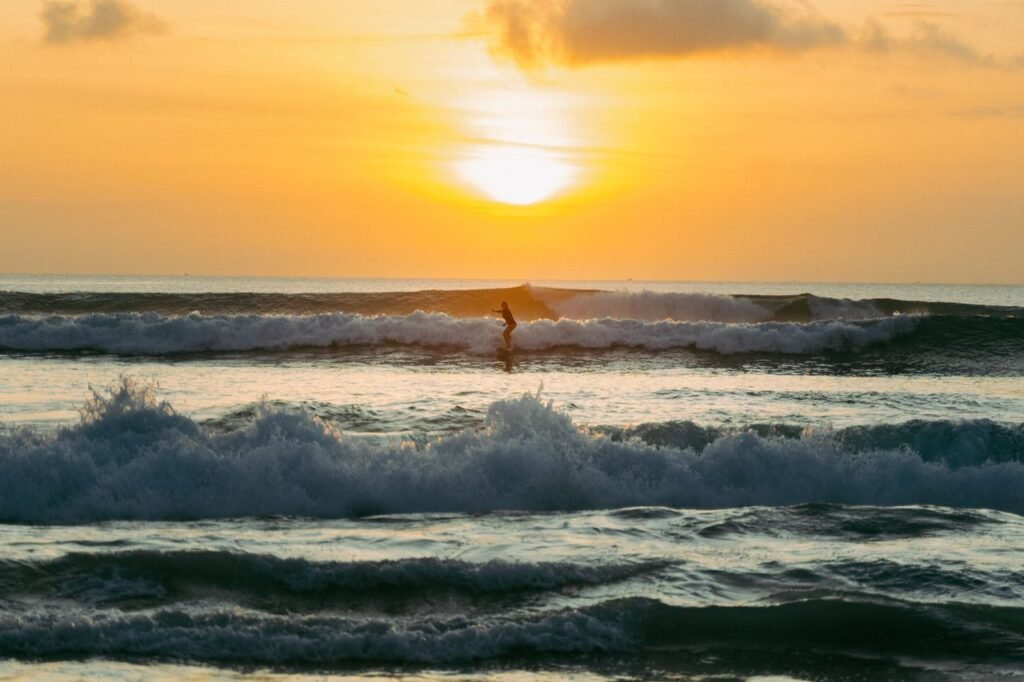
Bali can be as cheap or as expensive as you want it to be. What changes with the season is mainly accommodation and flights. Food, transport, and activities move less.
| Cost item | Low season (Nov to Mar, except holidays) | Shoulder (Apr to Jun, Sep to Oct) | Peak (Jul to Aug, late Dec) |
|---|---|---|---|
| Flights | Lowest | Moderate | Highest |
| Hotels and villas | Best deals, often with discounts | Fair prices | Highest, often sold out |
| Food | Steady | Steady | Slightly higher in tourist areas |
| Scooter or car hire | Negotiable | Standard | Higher, limited availability |
| Tours and activities | Some discounts | Standard | Book early, higher rates |
Sample Daily Budgets
Your real costs will depend on where you stay and how you travel. I’ve left space to add actual figures from your own trips, since real numbers are the most useful thing on a page like this.
- Backpacker: hostel or guesthouse, local warung meals, shared transport.
- Mid-range: private room or small villa, mix of cafes and warungs, scooter rental, a paid activity every day or two.
- Comfort: boutique hotel or private pool villa, restaurants and beach clubs, private driver.
Extra Costs to Remember
- Visa: Many nationalities need a visa on arrival or an e-visa. Rules and fees change, so check the official immigration site.
- Tourist levy: Bali introduced a foreign tourist levy in 2024.
- Travel insurance: Especially worth having in the wet season, in case weather disrupts flights or activities.
How to Save Money on a Bali Trip
- Travel in the shoulder months, especially April to May and September to October.
- Book flights early for July, August, and December.
- Stay slightly outside the busiest hubs. Places like Sidemen, Amed, and parts of Ubud often cost less than Seminyak or Canggu.
- Eat at local warungs for at least some meals.
- Ask for longer-stay discounts if you’re staying a week or more, especially in the low season.
Heat, Humidity, Sea Temperature, and Sun: What to Expect Year-Round
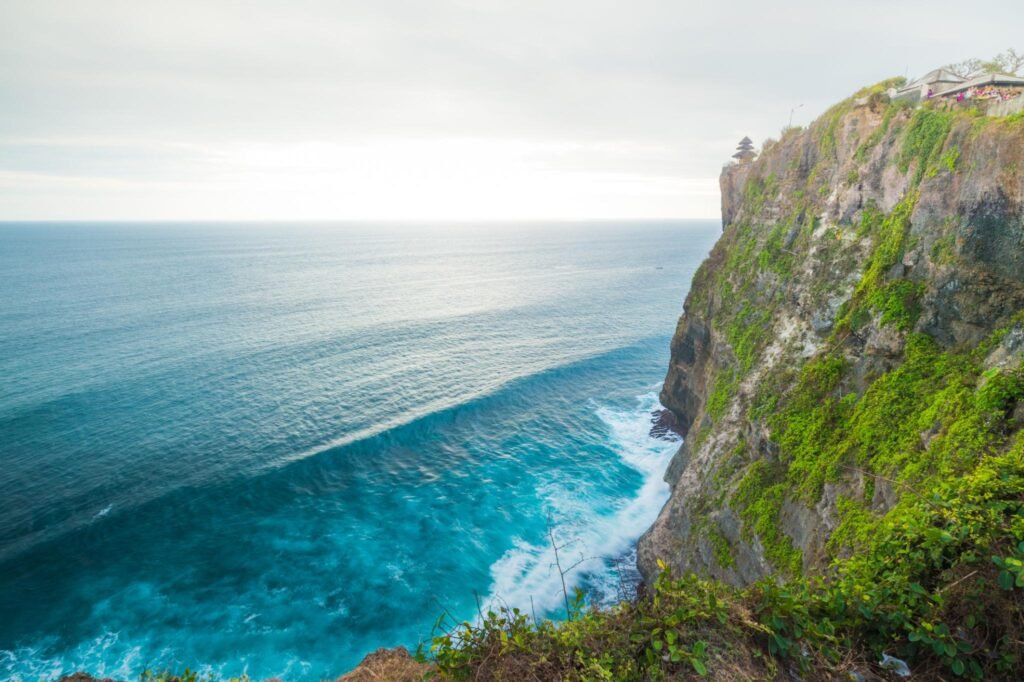
People often ask whether Bali is “too hot” at certain times. The truth is that temperatures barely move across the year, so it’s humidity that changes how the weather feels.
- Heat: Daytime temperatures along the coast sit in the low 30s °C (high 80s °F) most of the year. Ubud and the highlands are a few degrees cooler, and Kintamani and Bedugul can feel properly cool at night.
- Humidity: Noticeably higher in the wet season. Clothes dry slowly, and even a short walk can leave you soaked. In the dry season, the air feels lighter and evenings are far more comfortable.
- Sea temperature: Warm enough to swim in comfortably throughout the year. Some spots, such as around Nusa Penida, can run colder at certain times of year because of upwelling.
- Sun and UV: Strong all year, including on cloudy days. It’s easy to burn in an hour or two, even in the wet season. Bring reef-safe sunscreen, a hat, and sunglasses regardless of when you go.
Bali Month by Month
| Month | Weather | Crowds | Prices | Verdict |
|---|---|---|---|---|
| January | Wet | Low (busy on New Year) | Low to high | Budget, green |
| February | Wet | Low | Low | Quiet, cheap |
| March | Easing | Low | Low | Check Nyepi |
| April | Drying | Moderate | Mid | Good value |
| May | Dry | Moderate | Mid | Top pick |
| June | Dry | Building | Mid to high | Great, book ahead |
| July | Dry | High | High | Reliable but busy |
| August | Dry | Very high | Highest | Only if needed |
| September | Dry | Moderate | Mid | Top pick |
| October | Mostly dry | Low to moderate | Mid to low | Good value |
| November | Wet | Low | Low | Cheap, flexible |
| December | Wet | High at holidays | High at holidays | Book early |
What to Pack for Bali by Season
For the Dry Season
- Lightweight, breathable clothing in cotton or linen
- A thin layer for cool evenings in Ubud or on a Batur sunrise trek
- Reef-safe sunscreen, a hat, and sunglasses
- Comfortable sandals and one pair of proper walking shoes
- A sarong or scarf for temple visits, since shoulders and knees should be covered
For the Wet Season
- A lightweight rain jacket or poncho (an umbrella is awkward on a scooter)
- Quick-dry clothes that won’t stay damp for days
- Sandals with grip, as wet stone steps at temples and waterfalls get slippery
- A dry bag or waterproof cover for your phone, passport, and camera
- Mosquito repellent, since mosquitoes are more active when it’s wet
What to Do in Bali When It Rains
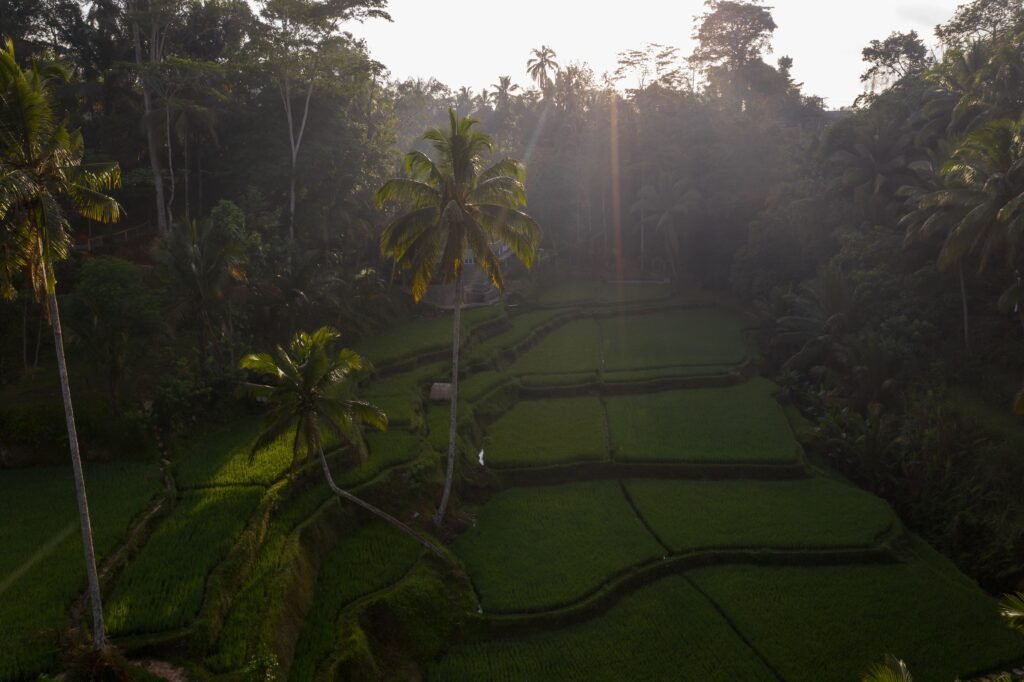
A rainy day in Bali doesn’t have to be a wasted day. Some of my favorite Bali memories are from days when the weather forced a change of plan. Here are ideas that work when the skies open up:
- Take a cooking class. Many include a market visit in the morning and a long, relaxed meal at the end.
- Book a Balinese massage or spa treatment. Prices are generally much lower than in most Western countries, and it’s an easy way to spend a wet afternoon.
- Visit a coffee or cacao plantation. Many have covered areas where you can taste and learn about production.
- Explore Ubud’s museums and galleries. Places like the Museum Puri Lukisan or ARMA showcase Balinese art and culture.
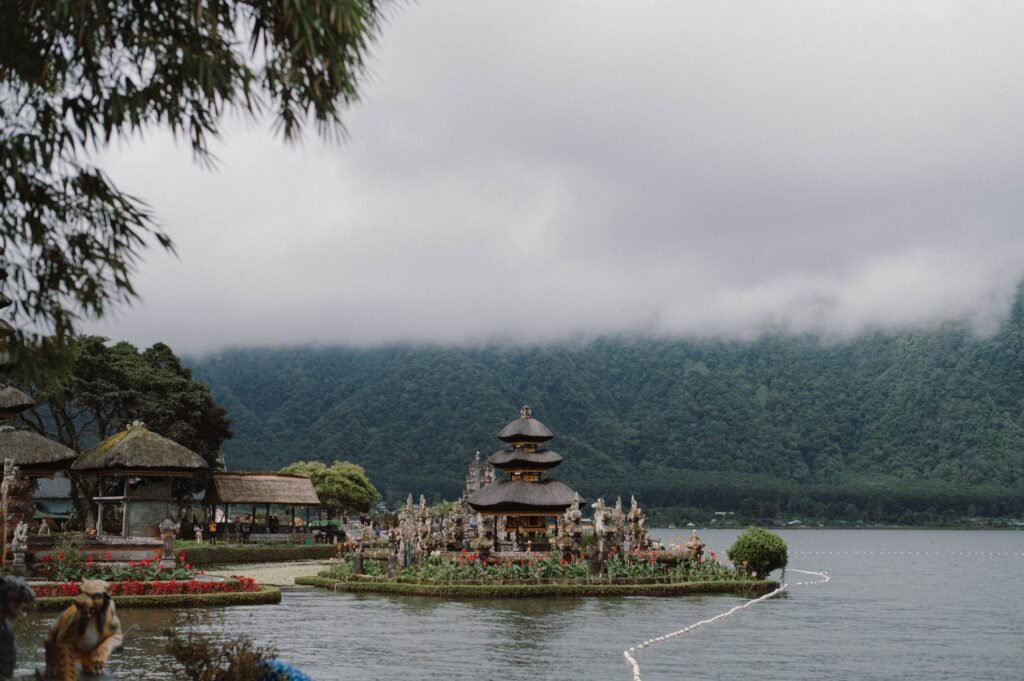
- See temples between showers. Rain often stops for a while, and misty temples can be atmospheric. Just watch your step on wet stone.
- Work from a cafe. If you’re a digital nomad, wet days are ideal for catching up on work with a good coffee.
Flights and Getting to Bali: When Timing Matters

Flights follow the same pattern as hotels: they get more expensive in July, August, and around Christmas and New Year, and cheaper in the low season. If your dates are flexible, look at prices across a few weeks rather than a single day, as small shifts can make a big difference.
Most visitors arrive at Ngurah Rai International Airport (DPS) near Kuta and Denpasar. From there, it’s typically 30 to 60 minutes to Seminyak, Canggu, or Uluwatu in normal traffic, and about 1.5 hours or more to Ubud, sometimes much longer in peak season. Allow extra time on arrival days in July, August, and the holidays.
Entry rules matter too. Requirements depend on your nationality and change periodically, so always check the official Indonesian immigration website close to your travel date. If you’re traveling from India or the US, my guides on visa-free travel for Indians and arrival cards for US citizens cover the basics.
Common Mistakes to Avoid When Choosing Your Bali Dates

1. Believing “rainy season” means it rains all day
In most cases it doesn’t. Rain often arrives as an intense burst for an hour or two, then clears. Planning around it, rather than avoiding the season entirely, gives you cheaper prices and fewer crowds.
2. Booking July, August, or late December at the last minute
These are the busiest periods. Good rooms sell out, and prices climb. Book several months ahead if you can.
3. Ignoring Nyepi
Landing on Nyepi is impossible, since the airport closes, and being stuck in your hotel for a day can throw off a tight itinerary. Check the date before booking anything.
4. Assuming the whole island has the same weather
Ubud, the south coast, and the east can feel quite different on the same day. Stay flexible and check local forecasts.
5. Booking non-refundable rates in the wet season
Weather can disrupt boat trips, flights, and outdoor plans. Flexible bookings and travel insurance are worth the small extra cost.
6. Underestimating traffic in peak season
A 10-kilometer trip can take an hour. Build in extra time, avoid cramming too many places into one day, and consider basing yourself in one area for a few nights.
Pro Tips for Planning Around Bali's Seasons

- Aim for the edges of peak season. Late May, early June, and September give you dry weather without the highest prices.
- Do outdoor things in the morning. Especially in the wet season, mornings are usually clearer than afternoons.
- Have a rainy-day list ready. Cooking classes, spa treatments, temple visits (with a rain jacket), coffee plantations, and cafes all work well when the weather turns.
- Pack for both sun and rain. A light rain jacket, quick-dry clothes, reef-safe sunscreen, and a hat. UV is strong year-round.
- Split your stay. Spend a few nights in Ubud and a few on the coast so you can adapt to the weather.
- Leave a buffer around flights. Especially in the wet season and around Nyepi.
- Check the sea before booking boat trips. Trips to Nusa Penida and the Gili Islands are more likely to be canceled or rough in the wet season.
Who Should Visit When
| If you want… | Go in… |
|---|---|
| The best all-round weather and value | May, June, or September |
| The lowest prices and fewer people | February, March, or November |
| Guaranteed sunshine and don’t mind crowds | July or August |
| Surfing on the Bukit Peninsula | May to September |
| Lush, green rice terraces | January to March |
| A honeymoon | May or September |
| A family holiday | June, July, or September (book early) |
| To see Nyepi or Galungan | Check the calendar for your year and plan around it |
If I had to choose one month for a first trip, I’d pick September. The weather is dry, the sea is calm, and the summer crowds have thinned out. If I had a tight budget, I’d go in November or February with a rain plan and a flexible mindset.
Frequently Asked Questions
What is the best month to visit Bali?
May, June, and September are generally the best months to visit Bali. The weather is mostly dry and sunny, the sea is warm, and crowds and prices are lower than in July and August.
What is the cheapest time to visit Bali?
The cheapest time to visit Bali is usually the wet season, from November to March, excluding Christmas and New Year. Hotels, villas, and flights are generally at their lowest, and there are fewer tourists.
Is Bali worth visiting in the rainy season?
Yes, Bali is worth visiting in the rainy season if you're flexible. Rain often comes in short, heavy bursts, leaving time for sightseeing. You'll find lower prices, fewer crowds, and greener landscapes, though beach days and boat trips are less reliable.
What is the rainiest month in Bali?
January and February are typically the rainiest months in Bali. Showers are frequent and can be heavy, though there are usually dry periods during the day.
When is the best time to visit Bali for surfing?
The best time for surfing in Bali is the dry season, from roughly May to September, when the west-facing breaks around Uluwatu, Canggu, and Kuta get consistent swell. In the wet season, east-coast spots like Sanur work better.
Is August a good time to visit Bali?
August has excellent dry weather but is also the busiest and most expensive month. It's good if you're tied to school holidays and book early, but September offers similar weather with fewer crowds.
What month should I avoid visiting Bali?
Most travelers avoid late December to February because of heavy rain and, around Christmas and New Year, high prices. July and August are best avoided if you dislike crowds and traffic.
How many days do you need in Bali?
Most travelers are comfortable with 5 to 7 days for a first visit, covering the coast and Ubud. Shorter trips are possible but rushed.