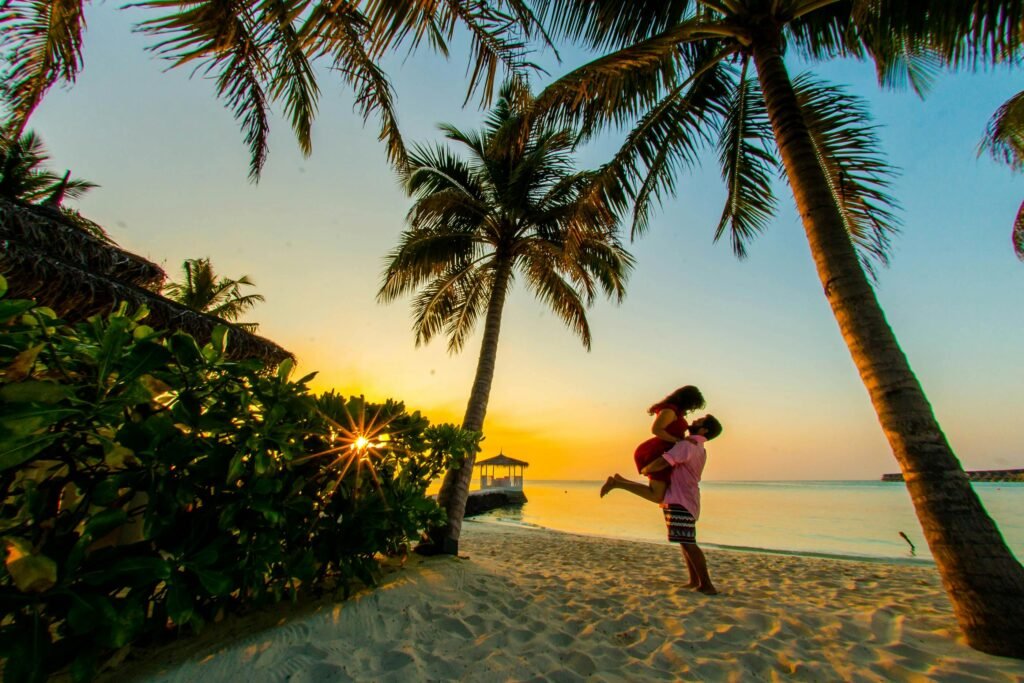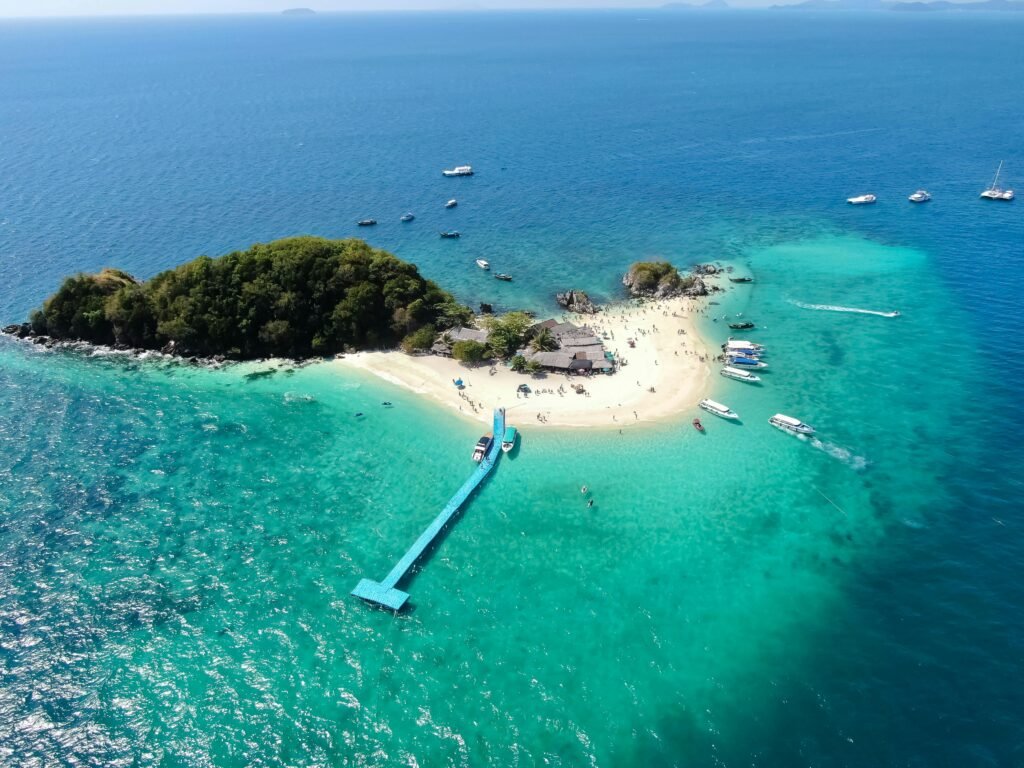
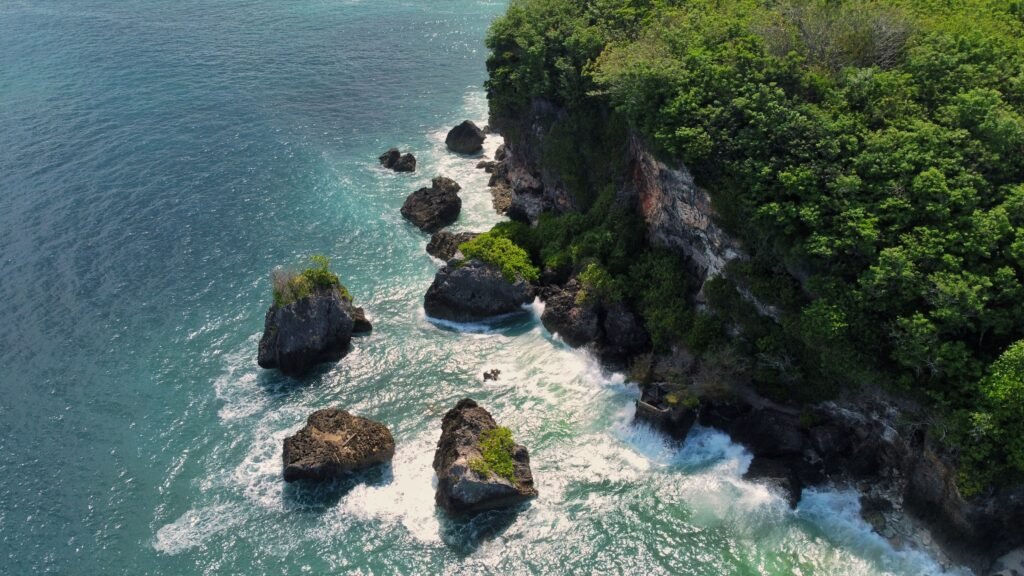
Bali is the easier first trip. It is one compact island with cheap drivers, dependable tourist infrastructure and a clear “where to stay” map. The Philippines is the better pick if island scenery is the whole point of your trip and you can spare 8 to 10 days, because getting between islands takes planning, flights and ferries. If you have a week or less, choose Bali. If you have ten days and want clear water and limestone cliffs, choose the Philippines.
That is the quick version. The rest of this guide explains why, with real numbers, seasons, entry rules and the mistakes first-timers make in each place, so you can decide with confidence instead of guessing.
Table of Contents
ToggleWhy This Comparison Trips People Up

Most “Bali vs. Philippines” posts compare Bali with “the Philippines” as if both were the same size. They are not. Bali is one island, roughly the size of a large county, and you can drive across it in a few hours (traffic permitting). The Philippines is an archipelago of more than 7,000 islands, and the famous beach areas, such as El Nido, Coron, Cebu, Bohol and Siargao, are far apart from each other.
So the fair comparison is not “Bali against a country.” It is one very easy island against a handful of spectacular but spread-out island hubs. Keep that in mind, because it explains almost every difference in cost, time and stress that follows.
Bali vs. Philippines at a Glance
| Factor | Bali (Indonesia) | The Philippines |
|---|---|---|
| Ease for first-timers | Very easy. One island, lots of tourist services | Moderate. Needs planning between islands |
| Best for | Culture, temples, rice terraces, surf, cafes, nightlife | Island hopping, diving, lagoons, remote beaches |
| Beach quality | Good, with surf and cliff scenery; swimming varies | Often clearer water and more remote beaches |
| Getting around | Private drivers, scooters, ride apps; heavy traffic | Domestic flights, ferries, vans, tricycles |
| English | Widely spoken in tourist areas | Widely spoken almost everywhere |
| Ideal trip length | 5 to 7 days | 8 to 10+ days |
| Main weather risk | Wet season rain (roughly Nov to Mar) | Typhoon season (mainly June to Nov, varies by region) |
| Entry paperwork | Visa on arrival, arrival card, Bali levy | Visa-free for many nationalities, plus eTravel |
| Overall cost | Very flexible, often lower on lodging and food | Cheap basics, but tours and flights add up |
How I Compared Them

I judged both destinations the way a first-timer actually experiences a trip: how hard it is to get in, how much a normal day costs, how easy it is to move around, whether the weather cooperates, how safe and comfortable it feels, and what you can realistically do in a week. I kept the same trip style for both: a mid-range traveler who wants clean rooms, good food and a few paid activities, without luxury resorts.
Where I give prices, treat them as ranges to plan with, not promises. Prices, fees and entry rules change often, so I link to the official sources you should check before you book.
Getting There and Entry Requirements
Both destinations are straightforward to enter, but the paperwork is different, and mixing it up is a classic first-timer mistake. Rules change, so confirm everything on the official sites before you fly.
Bali: Three Things to Sort Out Before You Land

For most nationalities, Bali requires three separate items. Missing one can slow you down at Ngurah Rai Airport (DPS).
- Visa on arrival (VOA) or e-VOA: IDR 500,000 (roughly USD 30 to 32) for a 30-day stay, extendable once for another 30 days. You can pay at the airport or apply online in advance through the official Indonesian immigration site. Many unofficial sites charge extra for the same service, so use the official portal only.
- All Indonesia Arrival Card: free, filled in online within about 72 hours before arrival. It replaced the older separate customs and health forms and gives you a QR code to show at immigration.
- Bali tourist levy: IDR 150,000 per person (around USD 10), paid separately through the official Love Bali portal. It is a provincial fee, not part of the visa.
Also carry a passport valid for at least six months and proof of onward travel. If you are from a country that is not eligible for VOA, check whether you need a visa before travel. Read our guide on whether Bali is visa-free for Indians
Philippines: Visa-Free for Many, Plus eTravel

Citizens of many countries, including the US, UK, Canada, Australia and most EU countries, can enter the Philippines visa-free for up to 30 days for tourism. Indian passport holders can enter visa-free for up to 14 days under a special arrangement, or up to 30 days if they hold a qualifying visa or residence permit from certain countries such as the US, UK, Canada, Australia, Japan, Singapore or a Schengen country. Immigration may ask for proof of onward travel, accommodation and funds.
Most arriving travelers also need to complete the free eTravel registration within 72 hours before arrival and keep the QR code ready. Be careful with old articles here: the departure-side eTravel and exit paperwork you sometimes read about mainly concerns Filipino citizens and overseas workers, not foreign tourists.
Which Is Easier to Enter?
On paper, the Philippines has less to pay: no visa fee for eligible nationalities, and the eTravel form is free. Bali costs a little more (visa plus levy) but the process is well-worn and the official portals are clear. For most travelers, both take under 30 minutes of preparation if you do them at home instead of in the arrivals hall.
Sources to check before you go: the Indonesian immigration site (immigration.go.id and molina.imigrasi.go.id), the Love Bali portal (lovebali.baliprov.go.id), the Philippine eTravel site (etravel.gov.ph) and the Philippine Bureau of Immigration.
How Much Do Bali and the Philippines Really Cost?
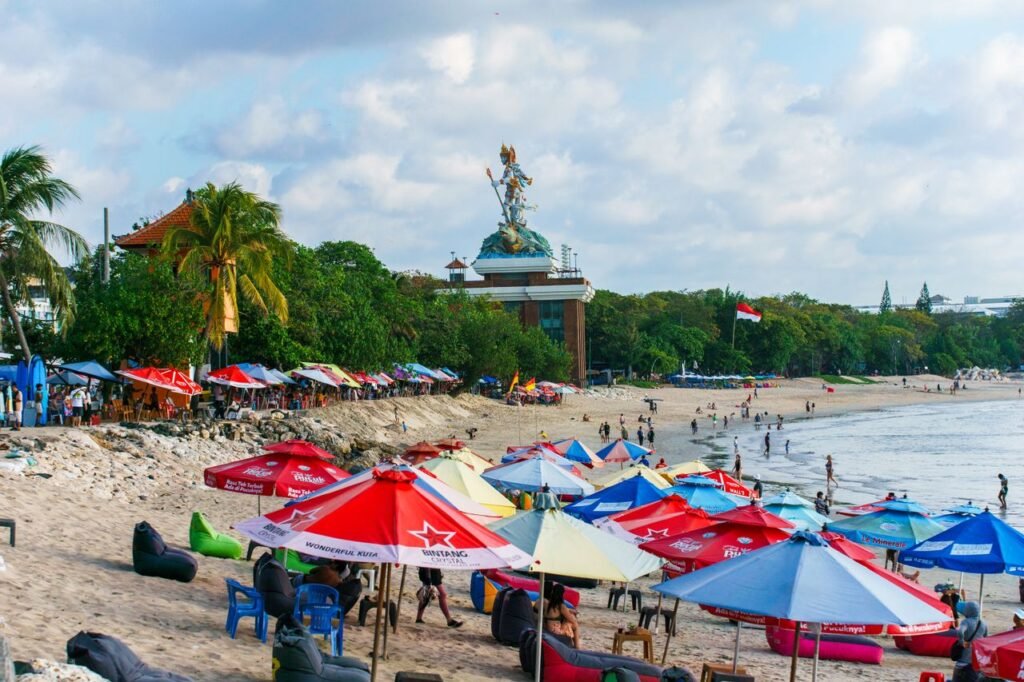
Both are budget-friendly by Western standards, and both can also become expensive fast. Here is how a typical day breaks down. These are planning ranges per person, based on shared double rooms. Update them with current prices before publishing your own numbers.
Estimated Daily Budget (Per Person)
| Travel style | Bali (per day) | Philippines (per day) |
|---|---|---|
| Budget / backpacker | USD 30 to 50 | USD 30 to 45 |
| Mid-range | USD 70 to 120 | USD 60 to 110 |
| Comfort / small luxury | USD 150 to 250+ | USD 150 to 250+ |
Where the Money Goes
Accommodation. Bali has a huge range, from simple guesthouses to private villas with pools that are surprisingly affordable when split between two people. The Philippines is also cheap for basic rooms, but popular island hubs like El Nido and Siargao get pricey in peak months, and good rooms sell out early.
Food. Both countries are excellent value if you eat where locals eat. In Bali, a warung (small family restaurant) meal such as nasi goreng or mie goreng costs a few dollars, while tourist cafes in Canggu and Ubud charge closer to Western prices. In the Philippines, local eateries serving adobo, sinigang or grilled seafood are cheap, and resort restaurants cost much more.
Getting around. This is where the two diverge. In Bali, hiring a private driver for a full day is affordable and usually cheaper than it sounds when split between two or three people. Ride apps work in busy areas, though some tourist zones restrict pickups. In the Philippines, the big costs are domestic flights, ferries and van transfers between islands. A cheap airfare can turn expensive once you add checked baggage on a low-cost carrier.
Activities. Bali entry fees for temples, waterfalls and rice terraces are low, and yoga classes, cooking classes and spa treatments are cheap. In the Philippines, island-hopping tours are the main expense. In places like El Nido and Coron, tours are priced per person and usually add a separate environmental or entrance fee, so ask what is included before you book.
A Sample 7-Day Total (Mid-Range, Per Person, Excluding International Flights)
- Bali: roughly USD 500 to 850 for a week, including lodging, food, drivers and a few paid activities.
- Philippines (two hubs, one domestic flight): roughly USD 450 to 800, but this jumps if you add extra flights or private boats.
Verdict on cost: Neither is clearly cheaper. Bali is usually easier to keep low because you are not paying for inter-island transport. The Philippines can match it, or beat it, if you stay in one hub and skip private tours.
Best Time to Visit Bali vs. the Philippines

Weather is the second big decision after the destination itself, and it works very differently in the two places.
Bali: Dry Season vs. Wet Season
Bali has two main seasons. The dry season runs roughly from April to October, with sunnier skies, lower humidity and the best conditions for beaches, hiking and sunrise treks. July and August are the busiest, so expect higher prices and heavier traffic. The wet season runs roughly from November to March. It does not rain all day, every day, but expect regular afternoon downpours, higher humidity and occasional rough seas. Shoulder months like April, May, June and September are often the sweet spot: good weather and fewer crowds.
The Philippines: Dry Season, Typhoon Season and Regional Differences
The Philippines has a dry season from roughly November to May, with the best beach weather often from about December to April. The wet and typhoon season runs from roughly June to November. Typhoons mostly affect the north and central parts of the country, and their timing and path vary a lot from year to year. Palawan (El Nido and Coron) is generally best from about November to May. Cebu and Bohol are popular from around January to May. Siargao has its own rhythm: surf season peaks roughly from September to November, while other months can be better for general beach weather.
The key point for first-timers: because the Philippines is so spread out, one region can be sunny while another is stormy. Check the forecast for your exact islands, not the country as a whole.
Best Months If You Want Either Destination
- December to April: good for the Philippines. Bali is in wet season but still enjoyable with flexible plans.
- May, June, September: good for Bali. Philippine weather is more mixed.
- July and August: best for Bali dry-season weather, but peak crowds and prices. The Philippines is in typhoon season.
For up-to-date forecasts and warnings, use the official weather agencies: BMKG for Indonesia and PAGASA for the Philippines.
The Biggest Difference for First-Timers

If you take only one thing from this article, take this. Bali is easy to move around because it is one island. The Philippines takes real logistics because it is many islands. This is the difference that decides whether a short trip feels relaxing or rushed.
Bali: One Island, One Road Network
Most visitors fly into Ngurah Rai Airport in the south and base themselves in areas such as Seminyak, Canggu, Uluwatu, Sanur or Ubud. From there you can reach most of the island by car in one to two hours, though traffic is heavy. Your options are:
- Private driver: the easiest choice for first-timers. Hire one by the day to cover temples, waterfalls and rice terraces.
- Ride apps: handy in busy areas, but pickup rules vary by location.
- Scooters: cheap and popular, but not a good idea unless you have experience and the correct license. Traffic accidents are one of the biggest tourist risks in Bali.
The catch is traffic. A 15 km trip can take an hour at busy times, especially around Canggu, Seminyak and the road to Ubud. Group your sightseeing by area to avoid crossing the island several times.
The Philippines: Flights, Ferries and Long Transfers
In the Philippines, the main hubs are Manila, Cebu and Puerto Princesa, and many beach destinations need an extra transfer. Getting to El Nido, for example, usually means a flight to Puerto Princesa followed by a long van ride, or a flight to a smaller airport closer to town. Coron requires a flight to Busuanga. Siargao has its own airport but limited flights. Ferries connect many islands but can be canceled in bad weather.
What that means for planning:
- Leave buffer time between domestic flights and your international flight home. Weather delays are common.
- Check baggage limits on domestic carriers, since many are strict and charge for extra weight.
- Book ferries and popular tours ahead in peak season.
- Expect at least half a day of transit every time you change island hubs.
Where to Stay: Picking the Right Base
Choosing the wrong base is the quickest way to feel disappointed, in either country. Match the area to your trip style before you compare prices.
Bali

- Ubud: best for culture, rice terraces, yoga, cooking classes and a slower pace. There is no beach, but the surroundings are beautiful.
- Canggu: best for surf, cafes, remote workers and a younger crowd. Expect scooters and traffic.
- Seminyak: best for restaurants, shopping and beach clubs, with a more polished feel.
- Uluwatu: best for cliffs, surf and sunsets. It is quieter at night and you need transport to get around.
- Sanur: best for families and calmer water, with a relaxed vibe and a seaside path.
For a first trip of 5 to 7 days, splitting your stay between Ubud and one beach area is the classic setup. Do not change hotels every night. Every move costs half a day.
The Philippines

- El Nido (Palawan): the base for lagoon and island-hopping tours, with a busy town and many small hotels.
- Coron (Palawan): good for lakes, wrecks and dive trips, with a more laid-back town.
- Cebu and Bohol: easier to reach than Palawan, with waterfalls, canyoneering, hills and wildlife, plus dive resorts.
- Siargao: a surf and lagoon island with a relaxed, social scene.
For a first trip, choose one or two hubs. El Nido plus Coron is a common pair, and Cebu plus Bohol is an easier, cheaper combination. Book beach accommodation well ahead if you travel in the dry season.
Beaches, Nature and Things to Do
Bali: Culture, Landscapes and Surf
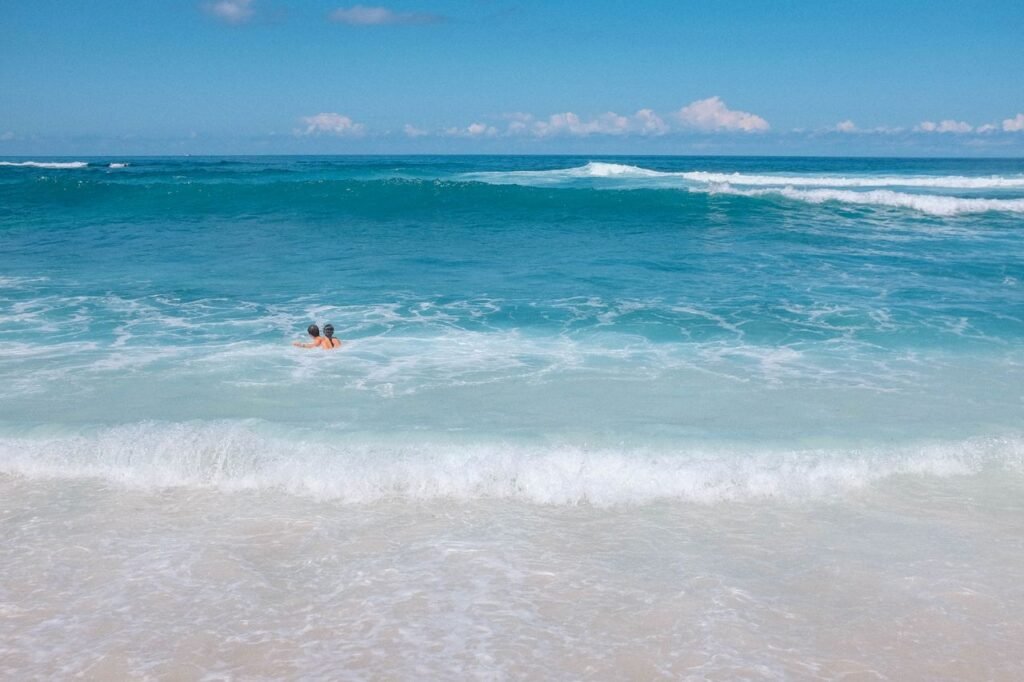
Bali is more than beaches. It offers Hindu temples, terraced rice fields, waterfalls, volcano hikes and a busy cafe and wellness scene. Highlights first-timers usually enjoy:
- Ubud: rice terraces such as Tegallalang, the Sacred Monkey Forest, art markets and yoga studios.
- Uluwatu: cliff-top temple views, surf breaks and sunset Kecak dance performances.
- Mount Batur: a popular sunrise hike.
- Nusa Penida: dramatic cliffs and beaches reached by fast boat, best as a day trip or overnight.
- Canggu and Seminyak: beach clubs, restaurants and nightlife.
Bali’s beaches are good, but many are known for surf and scenery more than crystal-clear swimming. Water clarity and currents vary a lot, so ask locally before swimming.
The Philippines: Island Hopping and Underwater Life
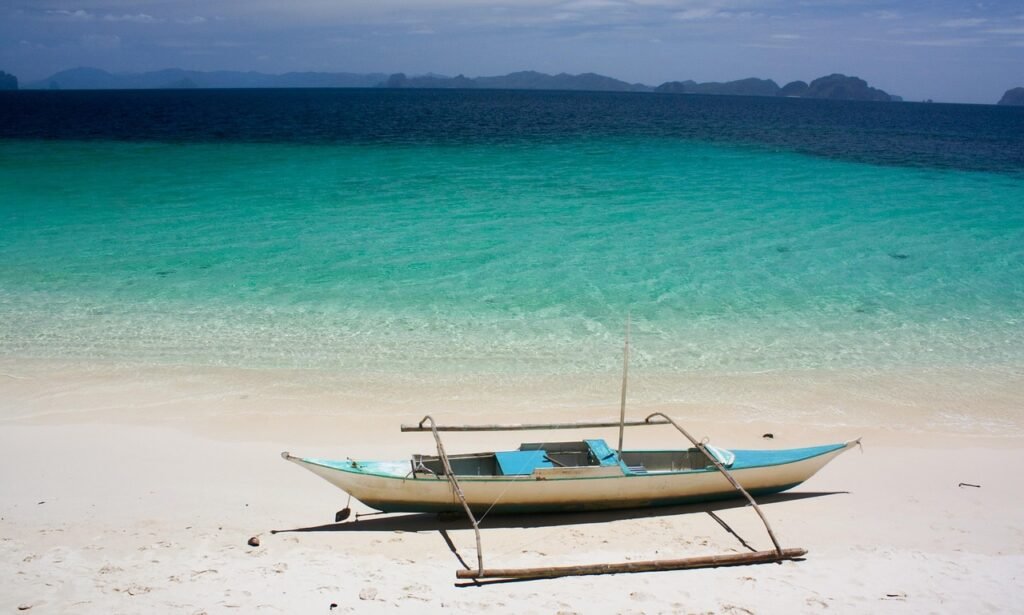
The Philippines is where you go for water. Highlights include:
- El Nido, Palawan: lagoons, limestone cliffs and island-hopping tours.
- Coron, Palawan: Kayangan Lake, Twin Lagoon and wreck diving.
- Cebu and Bohol: Kawasan Falls canyoneering, the Chocolate Hills and tarsier sanctuaries. If you want to swim near whale sharks in Oslob, research the ethical concerns first, since feeding is widely criticized.
- Siargao: surf, palm-lined roads and lagoons.
- Diving and snorkeling: some of the best in Southeast Asia, with wrecks, reefs and marine life.
Head-to-Head
| Category | Winner | Why |
|---|---|---|
| Clear water and remote beaches | Philippines | Island hopping and lagoons are the main draw |
| Culture and temples | Bali | Living Hindu traditions and ceremonies |
| Surfing | Bali (beginner-friendly breaks) | More lessons and infrastructure; Siargao is strong too |
| Diving | Philippines | Wrecks, reefs and marine life |
| Cafes, wellness and nightlife | Bali | Larger and more developed scene |
| Nature variety in a short time | Bali | Everything is within a few hours’ drive |
Sample 7-Day Itineraries for First-Timers

These are outlines to show how each trip feels in practice, not rigid plans. Adjust them to your dates and the season.
7 Days in Bali
- Days 1 to 2 (Uluwatu or Seminyak): arrive, recover from the flight, watch a sunset, try a beach or a cliff-top temple.
- Day 3: Nusa Penida day trip, or a surf lesson if the sea is rough.
- Days 4 to 6 (Ubud): rice terraces, waterfalls, a cooking class, monkey forest and art markets. Add a Mount Batur sunrise trek if you are up for it.
- Day 7: slow morning, last meal and airport transfer with plenty of buffer for traffic.
7 Days in the Philippines
- Day 1: arrive in Manila or Cebu, overnight near the airport.
- Days 2 to 4 (El Nido or Coron): one or two island-hopping tours, a rest day, and a snorkeling or lagoon day.
- Day 5: transfer day, which is usually a full day of travel.
- Days 6 to 7 (Cebu or Bohol): waterfalls, canyoneering or wildlife, then fly out with a safe buffer.
Food, Culture and People

Food in Bali leans on rice, grilled meats, sambal and fresh produce. Try nasi campur (a mixed rice plate), satay, babi guling (roast suckling pig) and fresh coconut. Vegetarians and vegans are well served, especially in Ubud and Canggu.
Food in the Philippines is often sweet, sour and savory at once. Try adobo, sinigang (sour soup), grilled seafood, lechon and halo-halo for dessert. Fresh mangoes are a highlight in season.
Culture. Bali is majority Hindu, so daily offerings, temple ceremonies and dress codes are part of everyday life. Cover your shoulders and knees at temples and wear a sarong when required. The Philippines is majority Catholic and known for warm hospitality, karaoke and island festivals. English is widely spoken, which makes getting help easier than in many other Asian destinations, a real advantage for first-timers.
Safety, Health and Comfort Level

Both are popular with first-time visitors and generally fine with basic precautions, but the risks differ.
- Bali: road accidents (especially on scooters), petty theft, money-changer scams, monkeys grabbing phones and sunglasses at Uluwatu and Ubud, and stomach problems (“Bali belly”). Be careful with unlabeled or cheap alcohol, since methanol poisoning has been reported.
- Philippines: typhoons and weather delays, petty theft in crowded cities, rough sea conditions that can cancel ferries, and limited medical facilities on remote islands. Some regions have government travel advisories, so check before choosing your route.
For both, buy travel insurance that covers medical care and evacuation, drink bottled or filtered water, and check official advice from your government (for example the US State Department or the UK FCDO).
Health, Insurance and Travel Preparation

Vaccines and medical advice. Requirements vary by nationality and by what you plan to do, so speak to a travel clinic or doctor four to eight weeks before you leave. Routine vaccines should be up to date, and your clinic may discuss extras such as hepatitis A and typhoid. Mosquito-borne illness, including dengue, is present in both countries, so bring repellent and cover up around dawn and dusk. If you plan rural trips or animal contact, ask about rabies risk, especially around monkeys in Bali.
Water and food. Do not drink tap water in either country. Choose bottled or filtered water, ice from reputable venues, and busy food stalls where the food is cooked fresh. Pack basic stomach medicine, rehydration salts and any prescriptions in original packaging.
Insurance. This matters more than most first-timers expect. Choose a policy that covers medical treatment, evacuation, trip delays and the activities you plan to do (diving and scooter riding are often excluded unless you add cover). In Bali, good hospitals are found near the main tourist areas. In the Philippines, remote islands may be hours from a major hospital, and weather can delay transport, so evacuation cover is worth the extra cost.
Travel Responsibly in Both Places
Both destinations are under pressure from tourism, and small choices make a difference.
- Bali: respect temple rules and ceremonies, do not climb sacred structures, follow local dress guidance, pay the tourist levy and avoid behavior that would offend residents. Carry a reusable bottle and refuse single-use plastic where you can.
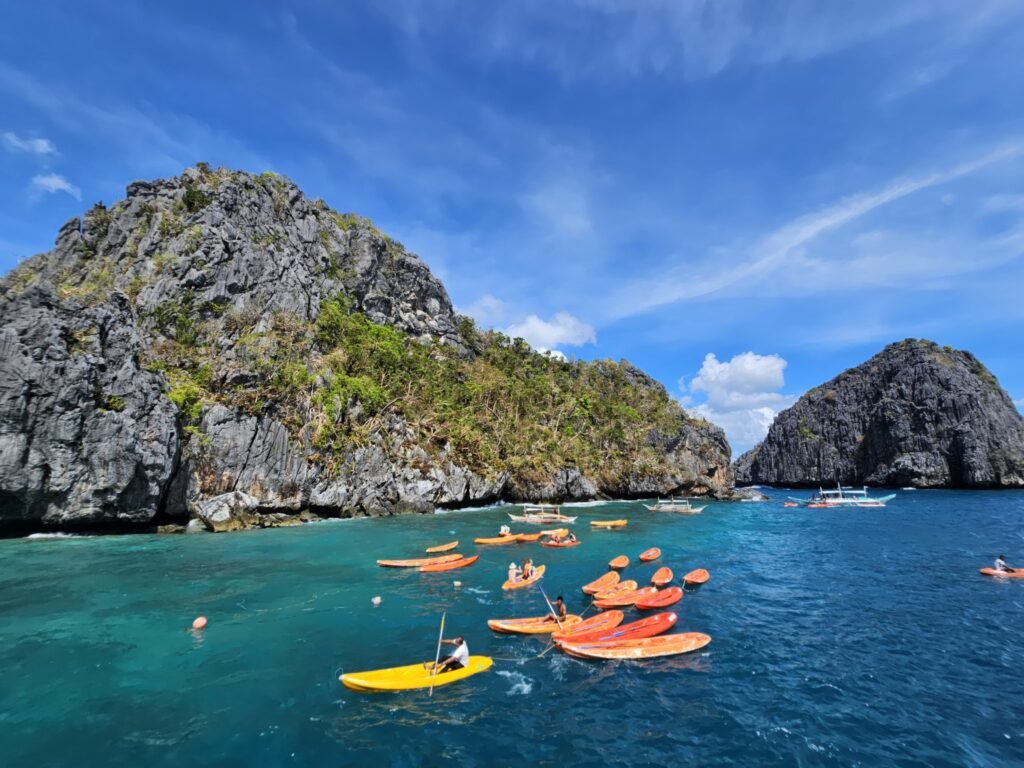
- The Philippines: follow reef rules on tours, never touch or stand on coral, use reef-safe sunscreen, and pick operators who limit group sizes. Be cautious about wildlife attractions that involve feeding or close contact, since these are widely criticized.
- Both: tip fairly, buy from local businesses, bargain politely and remember that a small price difference matters far more to a vendor than to you.
How to Save Money in Bali and the Philippines
- Travel in shoulder season. Prices drop and crowds thin out. For Bali that means roughly April to June and September. For the Philippines it means the edges of dry season, subject to weather.
- Eat local at lunch. Warungs in Bali and local carinderias in the Philippines serve filling meals for a fraction of tourist-cafe prices.
- Split private transport. A Bali driver or a Philippine van costs less per person with two or three travelers.
- Book tours in person for comparison, but only from licensed operators. Compare what is included, such as lunch, gear and environmental fees.
- Fly domestic early. Book Philippine domestic flights as soon as your dates are firm, and add baggage upfront because it is usually cheaper than adding it at the airport.
- Pay the official way. Use the official visa and levy portals so you do not pay inflated fees to third-party sites.
Pros and Cons
Bali
| Pros | Cons |
|---|---|
| Easy to navigate as a first-timer | Heavy traffic in the south |
| Culture, food and nature in one place | Crowds at popular sights, especially July and August |
| Huge range of stays at every budget | Beaches are less clear than the Philippines’ best |
| Great for a short trip of 5 to 7 days | Three separate entry requirements |
The Philippines
| Pros | Cons |
|---|---|
| Spectacular water, lagoons and diving | Logistics between islands take time and money |
| English widely spoken | Typhoon season and weather delays |
| Visa-free for many nationalities | Not ideal for trips under a week |
| Warm, welcoming locals | Domestic flight baggage limits and cancellations |
Common Mistakes First-Timers Make

In Bali
- Staying in the wrong area. Canggu is lively, Ubud is calm and cultural, Uluwatu is for surf and cliffs. Picking by price alone can leave you far from what you came for. Choose the area that matches your trip style.
- Underestimating traffic. Plan one region per day instead of crossing the island.
- Renting a scooter without experience. Take a lesson or hire a driver instead.
- Paying unofficial websites for visas. Use only the official Indonesian immigration portal.
- Skipping temple etiquette. Dress modestly and follow posted rules.
In the Philippines
- Trying to see too many islands. Choose two hubs at most for a first trip.
- Booking tight flight connections. Leave at least a day of buffer before your international departure.
- Ignoring typhoon season. Check the forecast and buy flexible bookings if you travel between June and November.
- Not carrying enough cash. Small islands often have few ATMs and many places do not accept cards.
- Forgetting eTravel. Register within 72 hours before your flight.
Pro Travel Tips

- Pick your trip length first. A week or less points to Bali. Ten days or more opens up the Philippines.
- Do the paperwork at home. Pay the Bali levy and fill in the arrival card, or complete eTravel, before you leave for the airport.
- Book a driver for Bali’s big-sightseeing days and skip driving yourself.
- Add buffer days before your return flight if you are island hopping in the Philippines.
- Carry a mix of cash and card. Keep small bills for warungs, tips, ferries and tricycles.
- Buy travel insurance that covers medical care, evacuation and trip disruption.
Can You Visit Both in One Trip?
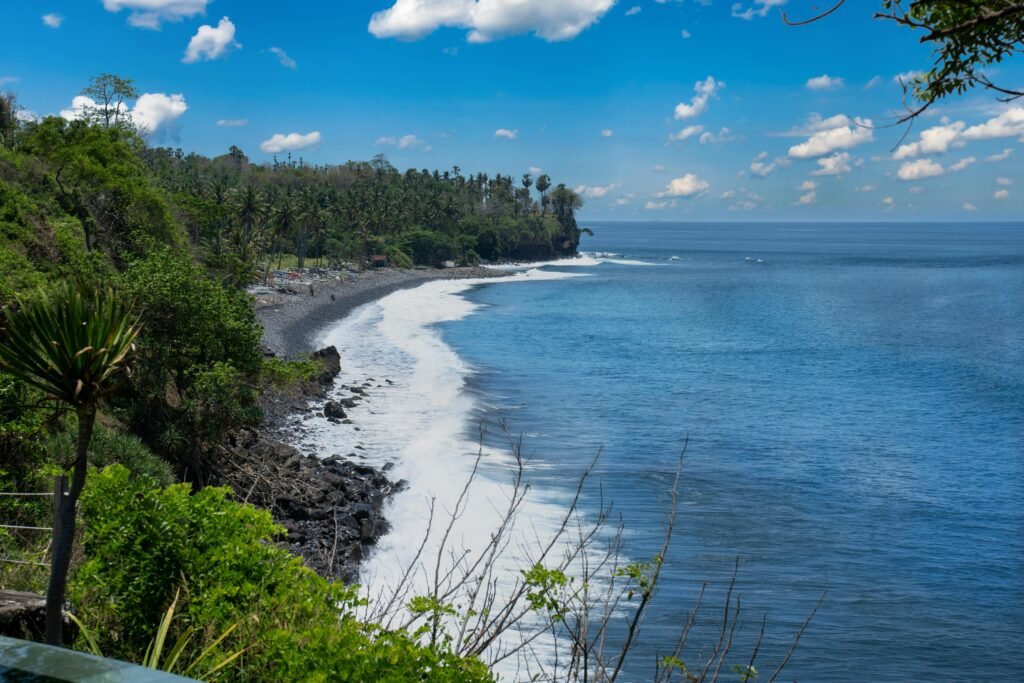
Yes, and it is easier than it sounds if you have at least two weeks. Direct flights between Bali and the Philippines are limited, so you will often connect through hubs such as Manila, Singapore or Kuala Lumpur. Budget an extra travel day and check baggage rules on each leg.
A workable plan is to spend 6 to 7 days in Bali and 7 to 9 days in one or two Philippine hubs. Start with Bali, where it is easy to adjust to the region, then move on to the Philippines for the island portion. If you do combine them, complete the entry steps for both countries before you leave and keep your onward ticket details handy. For travel through the region, our Singapore vs. Kuala Lumpur layover guide can help you choose where to connect.
Money, SIM Cards and Staying Connected

Money. Bali uses the Indonesian rupiah (IDR) and the Philippines uses the Philippine peso (PHP). ATMs are easy to find in Bali’s tourist areas, and cards are accepted in most cafes and hotels, but you still want cash for warungs, markets and temple donations. In the Philippines, cards work in cities and larger resorts, but small islands often rely on cash, and ATMs can run empty in remote areas. Use ATMs inside banks or malls, decline dynamic currency conversion, and only use licensed money changers, ideally ones with clear posted rates.
SIM and data. Both countries have affordable tourist SIMs and eSIMs. Bali has strong coverage in tourist areas. In the Philippines, coverage is good in cities and at main hubs but can drop out on remote islands and boats, so download offline maps before you go.
Packing. Pack light, breathable clothing, a rain jacket, a dry bag, reef-safe sunscreen, mosquito repellent and a universal adapter. For Bali temples, bring a scarf or sarong. For island hopping, bring water shoes and a small waterproof phone pouch.
Who Should Choose What
Here is the direct answer, by traveler type:
| If you are… | Choose | Because |
|---|---|---|
| Taking a first Asia trip | Bali | It is easy, well-supported and forgiving |
| Traveling for less than a week | Bali | Little time is lost in transit |
| Traveling for 10+ days | Philippines | You have time for island hopping |
| A couple or honeymooner | Either | Bali for villas and culture; Philippines for lagoons and privacy |
| A solo traveler | Bali | Easier social scene and transport |
| A diver or snorkeler | Philippines | Better marine life and dive sites |
| A beginner surfer | Bali | More schools and beginner breaks |
| Traveling with family | Bali | Simpler logistics |
| Chasing clear water and quiet beaches | Philippines | That is its strength |
My honest take: for a true first-timer, pick Bali. It lets you learn how Southeast Asia travel works, with less risk of logistics going wrong. Once you are comfortable, the Philippines is a superb second trip. If you can only go once and you have the time, and your dream is boats, lagoons and reefs, go to the Philippines and accept the extra planning.
Frequently Asked Questions
Is Bali or the Philippines better for first-timers?
Bali is better for most first-timers because it is a single island with easy transport, plenty of accommodation and simple logistics. The Philippines suits travelers who want island hopping and have at least a week and a half.
Is the Philippines cheaper than Bali?
They cost about the same overall. Bali often has cheaper lodging and food, while the Philippines can match it if you stay in one hub, but domestic flights and island tours can push costs above Bali.
Which has better beaches, Bali or the Philippines?
The Philippines generally has clearer water and more remote beaches, especially in Palawan. Bali is better for surfing, cliff-top scenery and beach clubs.
How many days do I need in Bali and the Philippines?
Five to seven days is enough for Bali. For the Philippines, plan eight to ten days so transfers between islands do not eat your trip.
What is the best time to visit Bali and the Philippines?
Bali is best from about April to October. The Philippines is generally best from about November to May, but check the forecast for your specific islands because typhoon risk varies by region.
Do I need a visa for Bali or the Philippines?
It depends on your passport. Many nationalities need a visa on arrival for Bali (IDR 500,000), while many can enter the Philippines visa-free for 30 days. Indian citizens can enter the Philippines visa-free for 14 days under a special arrangement. Always check the official immigration sites.
Which is better for couples or honeymoons?
Both work well. Bali offers private villas, spas and dining. The Philippines offers secluded beaches and island resorts, but with more travel time.
Is Bali or the Philippines safer for solo travelers?
Both are generally fine with normal precautions. Bali's main risks are traffic accidents and petty theft. In the Philippines, weather and remote-island logistics matter more. Buy insurance and follow official advisories.