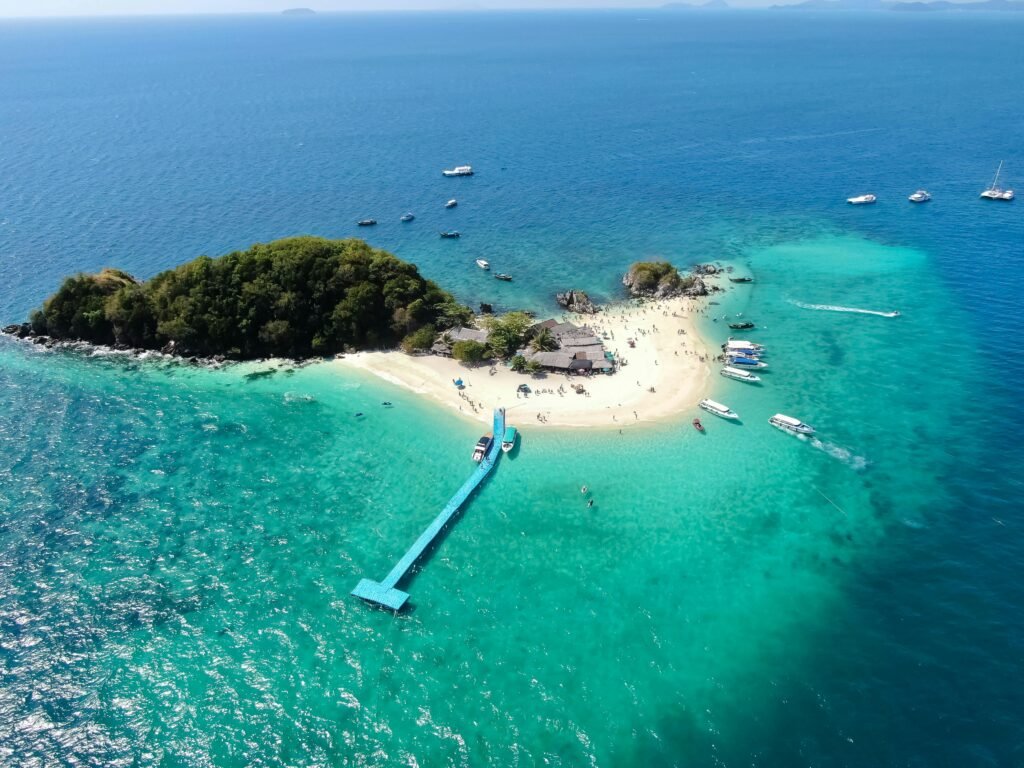

There is no single worst month for the whole region, because Southeast Asia has two monsoons that hit opposite coasts at opposite times. As a rule of thumb, avoid Thailand’s Andaman coast, Cambodia, Laos and most of mainland Vietnam in the peak wet months (roughly June to October), central Vietnam and the Philippines during typhoon peaks (September to November), Bali and Java from December to February, and Malaysia’s east coast islands from November to February. If your dates are fixed, there is almost always a drier coast somewhere nearby.
You’re planning a trip to Southeast Asia, you open a weather chart, and half the year is labeled “rainy season.” So what now? Cancel? Rebook? Go anyway and hope for the best?
Here is what most guides skip: “monsoon season” is not one season. It is two, they arrive at different times, and they hit opposite sides of the same country. While Phuket is getting battered in September, Koh Samui is mostly fine. While Bali is dry and golden in July, Hanoi is hot, sticky and storm-prone. Once you understand that, the question changes from “Should I avoid Southeast Asia in monsoon season?” to “Where should I be in my month?”
This guide walks through the monsoon month by month and country by country. It separates the rain that genuinely ruins trips (typhoons, floods, cancelled ferries) from the rain that barely matters (a 40-minute afternoon downpour), and it shows you where to go instead when your dates collide with the wet season.
Table of Contents
ToggleHow Monsoon Season Actually Works in Southeast Asia

A monsoon is a seasonal reversal of wind direction, and with it, a seasonal shift in rainfall. Two systems matter for travelers.
The southwest monsoon (roughly May to October)
Warm, moist air flows in from the Indian Ocean. This is the wet season for Myanmar, Thailand (especially the Andaman side), Cambodia, Laos, most of Vietnam, the western side of Peninsular Malaysia and, under the local name Habagat, the Philippines. It usually peaks in August, September and October.
The northeast monsoon (roughly November to March)
Winds flow from Asia across the South China Sea, picking up moisture on the way. They drench the Gulf of Thailand coast, the east coast of Peninsular Malaysia, central Vietnam and the eastern Philippines. Further south, the same pattern curves into Indonesia as the wet monsoon that brings Bali, Java and Lombok their rain from roughly December to March.
The in-between months
March to April and October to November are transition periods. Expect heat, humidity and sudden afternoon thunderstorms rather than a steady rainy pattern.
Typhoons are a separate risk
Typhoon season runs roughly June to November in the western Pacific and is most dangerous in the Philippines and Vietnam. It is a different problem from “it rains a lot.” A typhoon can shut airports, cancel ferries and flood entire regions.
Two useful facts here. Places very close to the equator, including Singapore, southern Malaysia and most of Indonesia, almost never get hit by typhoons. And southern Thailand is rarely affected, though not never: Tropical Storm Pabuk reached the Gulf coast in January 2019.
A caution on dates: Climate patterns have been getting less predictable, and El Niño and La Niña years can make a normal season wetter, drier, earlier or later. Treat every date range in this guide as a guide, not a guarantee. Check the official forecast for your destination in the week you travel (links in the Sources section).
Rain That Ruins a Trip vs Rain That Doesn't

This is the most important idea in this article. Not all monsoon rain is equal, and lumping it together is why so many travelers either cancel good trips or walk into bad ones.
| Level | What it looks like | Should you worry? |
|---|---|---|
| Level 1: Light | A heavy afternoon shower for 30 to 90 minutes, then clear skies. Mornings are often sunny. | No. Plan sightseeing in the morning and use the downpour for a long lunch or a massage. |
| Level 2: Annoying | Day-long drizzle, rough seas, muddy trails, high humidity, leeches and mosquitoes, grey photos. | It depends. Fine for cities and culture, disappointing for beaches, diving and trekking. |
| Level 3: Trip-ruining | Typhoons, flash floods, landslides, ferry and flight cancellations, closed roads and national parks. | Yes. This is what you actually avoid, and this is where flexible bookings and travel insurance matter. |
Most “rainy season” days in Southeast Asia are Level 1. The months to genuinely avoid are the ones where Level 3 events become likely, and those differ for every coast.
Southeast Asia Monsoon Calendar: Where and When to Avoid
Use this table to find your destination fast. “Avoid” means high odds of Level 2 or 3 weather. “Risky” means it can go either way. “Best” is the sweet spot for weather.
| Destination | Avoid | Risky | Best |
|---|---|---|---|
| Thailand: Andaman (Phuket, Krabi, Phi Phi, Lanta) | Sep–Oct | May–Aug, Nov | Dec–Mar |
| Thailand: Gulf (Samui, Phangan, Tao) | Oct–Dec | Sep, Jan | Feb–Aug |
| Bangkok and central Thailand | Sep–Oct | May–Aug | Nov–Feb |
| Northern Thailand (Chiang Mai) | Sep–Oct (rain); Feb–Apr (smoke) | Jun–Aug | Nov–Jan |
| Northern Vietnam (Hanoi, Ha Long, Sapa) | Jul–Sep | Jun, Oct | Oct–Dec, Mar–Apr |
| Central Vietnam (Da Nang, Hoi An, Hue) | Oct–Nov | Sep, Dec | Feb–Jul |
| Southern Vietnam (Saigon, Mekong) | Aug–Oct | May–Jul | Dec–Apr |
| Phu Quoc | Jul–Oct | May–Jun | Nov–Apr |
| Cambodia (Siem Reap, Phnom Penh) | Sep–Oct (roads, humidity) | May–Aug | Nov–Feb |
| Laos (Luang Prabang, Vientiane) | Jul–Sep | May–Jun, Oct | Nov–Feb |
| Bali, Lombok, Java | Dec–Feb | Nov, Mar | Apr–Oct |
| Komodo and Flores | Jan–Feb | Dec, Mar | Apr–Dec |
| Philippines: Luzon and Visayas | Aug–Oct (typhoons) | Jun–Jul, Nov | Dec–May |
| Palawan (El Nido, Coron) | Jul–Oct | Jun, Nov | Nov–May |
| Malaysia: west coast (Penang, Langkawi) | Sep–Oct | Apr–Aug | Dec–Feb |
| Malaysia: east coast islands (Perhentians, Redang, Tioman) | Nov–Feb (many resorts close) | Mar, Oct | Mar–Oct |
| Sabah and Sarawak (Borneo) | Nov–Feb | Oct, Mar | Mar–Sep |
| Singapore | Dec–Jan (heaviest rain) | Nov, Feb; Aug–Oct in haze years | Feb–Jul |
Note: these ranges are general patterns compiled from the national weather agencies listed under Sources. Always check the current forecast before booking non-refundable transport.
Month-by-Month: What to Avoid and Where to Go Instead

January
Peak dry season on the mainland and peak rain in Bali, Java and Lombok. Malaysia’s east coast islands are shut down for the season. Avoid: Bali, Komodo, Perhentians, Redang, Sabah. Go: Andaman Thailand, Cambodia, Laos, southern Vietnam, Palawan.
February
Still dry on the mainland and getting hotter. Bali remains wet but is improving. Northern Thailand’s burning season begins and the air gets smoky. Avoid: Bali, Komodo, Chiang Mai (smoke). Go: Gulf of Thailand, Andaman, Mekong, Philippines.
March
Heat builds across the mainland. Bali’s rain eases. The Philippines is dry and hot. Avoid: Chiang Mai (smoke). Go: Gulf and Andaman Thailand, Philippines, Singapore, Hanoi.
April
Very hot almost everywhere on the mainland (Songkran in mid-April is fun but sweltering), and Bali enters its dry season. Afternoon thunderstorms begin in some areas. Avoid: Cambodia and Laos for heat-sensitive travelers. Go: Bali, Philippines, Borneo, central Vietnam.
May
The southwest monsoon starts to show up on the Andaman coast, in Cambodia and in Laos. Bali is in its sweet spot. Many Andaman island resorts begin closing or reducing services. Avoid: Andaman islands for beach and boat trips. Go: Bali, Komodo, Gulf of Thailand, central Vietnam, Perhentians.
June
The wet season is underway on the mainland. The Philippines enters its Habagat period and typhoons become possible. The Gulf of Thailand and Bali are strong choices. Avoid: Andaman Thailand, Cambodia’s coast, Philippines’ western seaboard. Go: Bali, Gulf of Thailand, central Vietnam, Borneo.
July
Bali’s high season, with dry weather and crowds. Northern Vietnam starts getting storms. Avoid: Hanoi and Ha Long Bay in typhoon-prone weeks, Phu Quoc, Laos. Go: Bali, Komodo, Gulf of Thailand, Hoi An, Borneo, Perhentians.
August
Peak wet season across much of the mainland, and the start of typhoon risk’s high season. Bali remains dry. Avoid: Northern Vietnam, Phu Quoc, Philippines, Laos. Go: Bali, Komodo, Gulf of Thailand (Tao, Samui), Borneo.
September
For many places the wettest month. The Andaman, Bangkok, Cambodia, northern Thailand and the Philippines are all at or near their worst. Avoid: Andaman Thailand, Bangkok (flood-prone), Cambodia, the Philippines, northern Vietnam. Go: Bali, Komodo, Sabah, Tioman, southern Gulf islands in a lucky week.
October
Often the rainiest month on the mainland, with floods in central Vietnam and the Philippines still in typhoon territory. The Gulf coast starts getting wet. Avoid: Central Vietnam, Phuket, Bangkok, Gulf of Thailand, the Philippines. Go: Bali, northern Vietnam (Hanoi’s best weather starts), Sabah.
November
The mainland starts drying out, but the Gulf of Thailand is in its wettest stretch and central Vietnam is still flood-prone. Malaysia’s east coast shuts down. Avoid: Koh Samui, Phangan, Tao, central Vietnam, Perhentians. Go: Cambodia, Laos, Bangkok, northern Thailand, Andaman Thailand late in the month, Palawan.
December
The beginning of the best stretch for most of the mainland, but Bali, Java and Lombok enter their wet season. Peak-season prices apply in many places. Avoid: Bali, Gulf of Thailand (early December), Malaysia’s east coast. Go: Andaman Thailand, Cambodia, Laos, southern Vietnam, Philippines.
Country-by-Country: When to Avoid the Monsoon
The calendar above gives you the shape. Here is the detail behind it, including what actually happens on the ground and the “skip it if / go anyway if” call for each place.
Thailand: Two Coasts, Two Different Monsoons
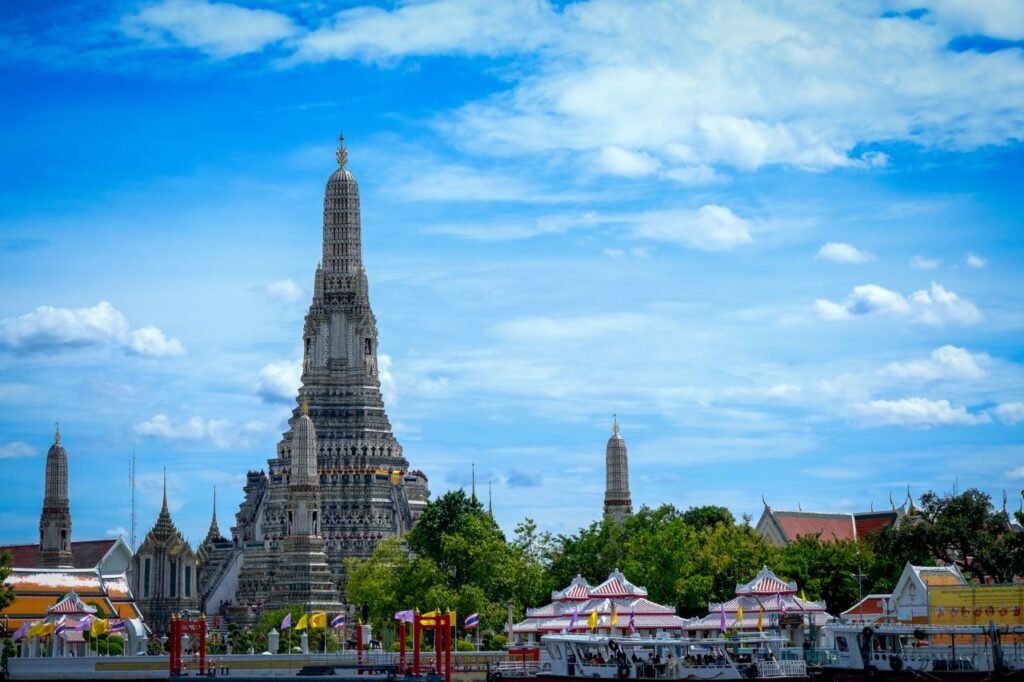
Thailand is the clearest example of why one “rainy season” date range is useless. The Andaman side (Phuket, Krabi, Koh Phi Phi, Koh Lanta, Khao Lak) gets the southwest monsoon from roughly May to October, with September and October usually the heaviest. Seas get rough, red flags go up on beaches, and boat operators cancel or reduce departures. The Similan Islands national park closes for the season, typically from mid-May to mid-October, and several smaller islands scale back services or shut resorts altogether.
The Gulf side (Koh Samui, Koh Phangan, Koh Tao) is on the opposite schedule. It stays comparatively dry through the southwest monsoon and gets its heaviest rain from October to December, with November often the worst. This is why backpackers have traditionally hopped from one coast to the other as the year turns.
Bangkok and the central plains are wet from May to October, and September and October bring the highest flood risk. In the north, Chiang Mai has the opposite problem too: rain from May to October, and then a smoky burning season from roughly February to April, when air quality can be genuinely bad.
Skip it if: you want island hopping or diving on the Andaman side in September or October, or beaches on the Gulf in November.
Go anyway if: you’re happy with city, food and temple days in Bangkok or Chiang Mai, or you choose the Gulf side for June to August.
For a deeper Thailand overview, see our Thailand travel guide.
Vietnam: Three Regions, Three Calendars
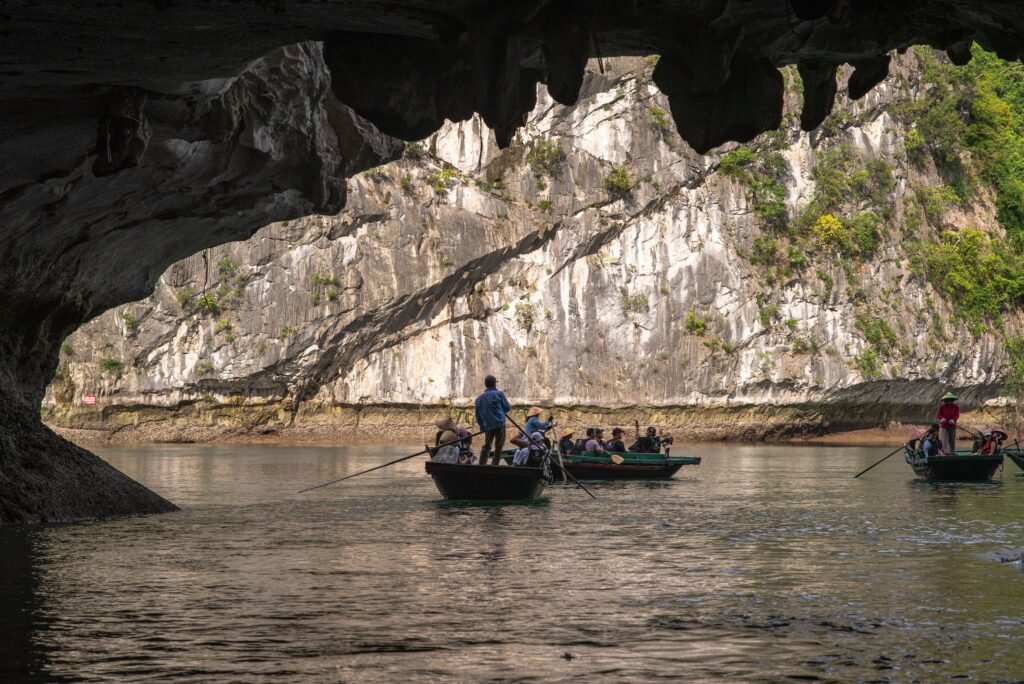
Vietnam is long and narrow, and it behaves like three different countries when it comes to weather.
Northern Vietnam (Hanoi, Ha Long Bay, Sapa) has hot, humid summers and its heaviest rain and typhoon risk from roughly July to September. The best weather arrives in autumn and early winter, from October to December, and again in spring. Ha Long Bay cruises are commonly cancelled when storms approach, so book with a flexible policy in summer.
Central Vietnam (Da Nang, Hoi An, Hue) is the exception that catches people out. It is dry and hot from about February to July, then turns wet from September, with the worst flooding and typhoons usually in October and November. Hoi An’s old town can flood during heavy rain, which is photogenic for locals and miserable for itineraries.
Southern Vietnam (Ho Chi Minh City, the Mekong Delta) has a clear wet season from roughly May to October or November and a long dry season after. Phu Quoc follows a similar pattern, with its best beach weather in the dry months from about November to April.
Skip it if: you’re planning Hoi An or Hue in October or November, or Ha Long Bay in the heart of typhoon season.
Go anyway if: you’re doing southern Vietnam street-food and city days, where rain tends to arrive in short bursts.
If you’re budgeting for Vietnam, our post on how much a trip to Vietnam costs and the Vietnam travel mistakes guide pair well with this section.
Cambodia and Laos: Green Season, With Caveats
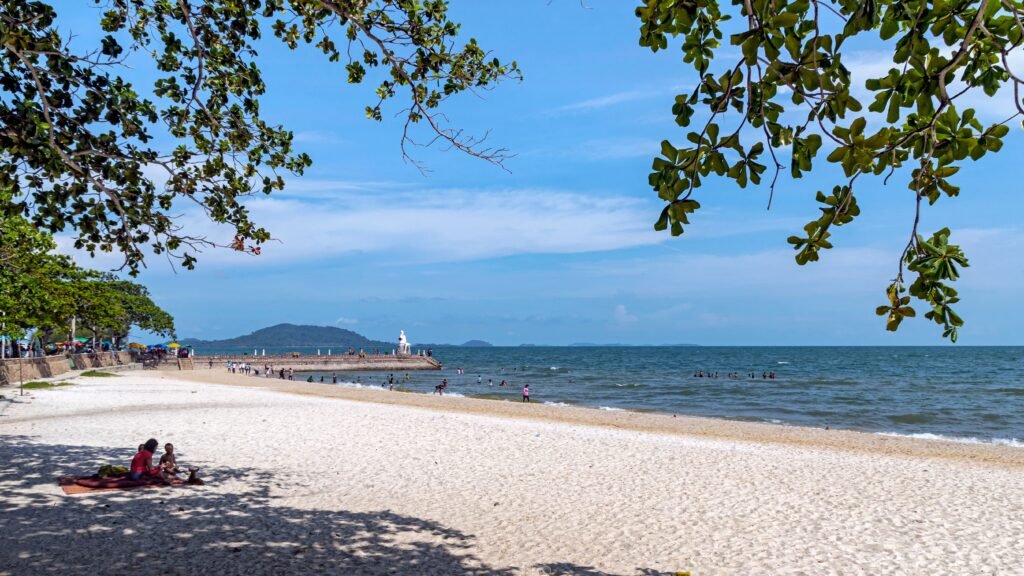
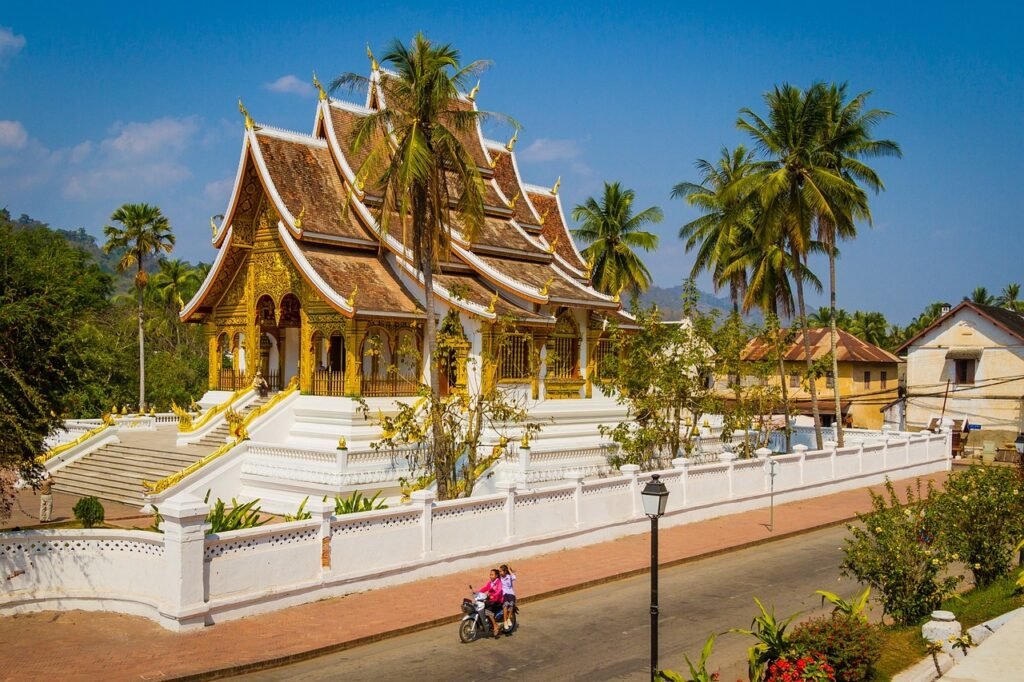
Cambodia and Laos share a similar pattern: dry and relatively cool from about November to February, hot in March to May, and wet from roughly May to October. The “green season” label is genuinely fair. The rice fields are vivid, waterfalls are at full volume, and the temples around Siem Reap are far quieter than in peak season.
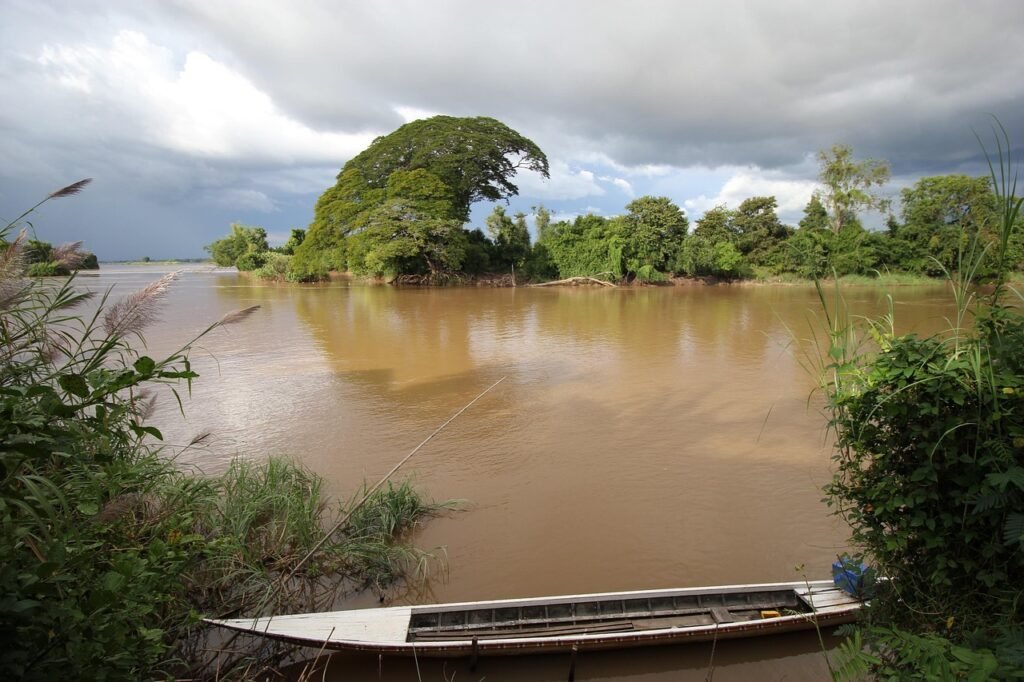
The real downsides are practical. Dirt roads turn to mud, remote areas become hard to reach, river levels rise and fall unpredictably, and September and October bring the heaviest rain. In Laos, landslides can disrupt northern mountain roads, and boat schedules on the Mekong can change with water levels. In the far south of Laos, the Si Phan Don (4000 Islands) is at its most dramatic when the river runs high, but low-lying guesthouses and walkways can be affected.
Skip it if: you plan to trek, ride motorbikes through remote areas, or visit the Cambodian coast for beach time (Sihanoukville and Koh Rong see rough seas in the wet months).
Go anyway if: your focus is Angkor, city culture or budget travel and you’re flexible on timing within each day.
Related reading:Kampot and Kep guide, 4000 Islands guide.
Bali and Indonesia: The Monsoon That Runs Opposite
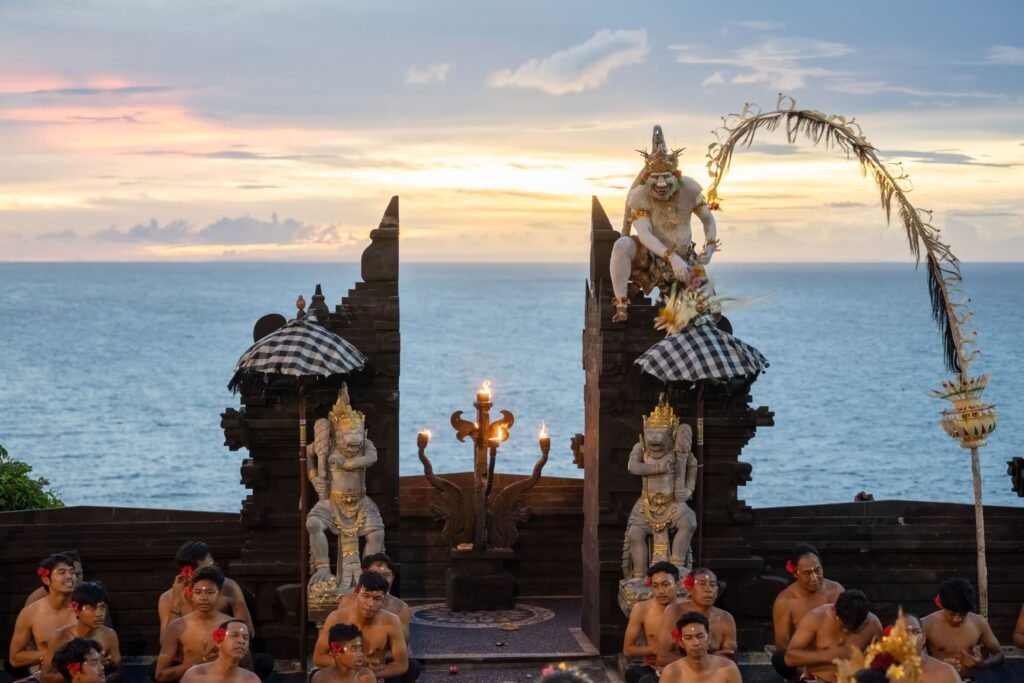
Bali flips the pattern. While most of mainland Southeast Asia is wet in the middle of the year, Bali enjoys its dry season from roughly April to October, with July and August the busiest and most expensive months. The wet season runs from about November to March, with December through February the wettest.
In the rainy months, expect heavy showers that often arrive in the afternoon or evening, humidity, cloudy days, occasional flooding on low-lying roads and swells that make some beaches less pleasant. It is not a washout every day, and many travelers find the island greener, cheaper and calmer. But for surfers heading to Uluwatu and for anyone who wants guaranteed beach days, the dry season is far more reliable.
Further east, Komodo and Flores follow a similar logic, with the best conditions from about April to December and the heaviest rain around January and February. Sumatra and Kalimantan have more complicated, wetter patterns, so check those separately.
Skip it if: your priority is beaches, snorkeling or diving in Bali, Nusa islands or Komodo between December and February.
Go anyway if: you’re after Ubud, rice terraces, cooking classes and spa days at a lower price.
For a full month-by-month breakdown, see our best time to visit Bali by month.
The Philippines: Where Typhoons Matter Most
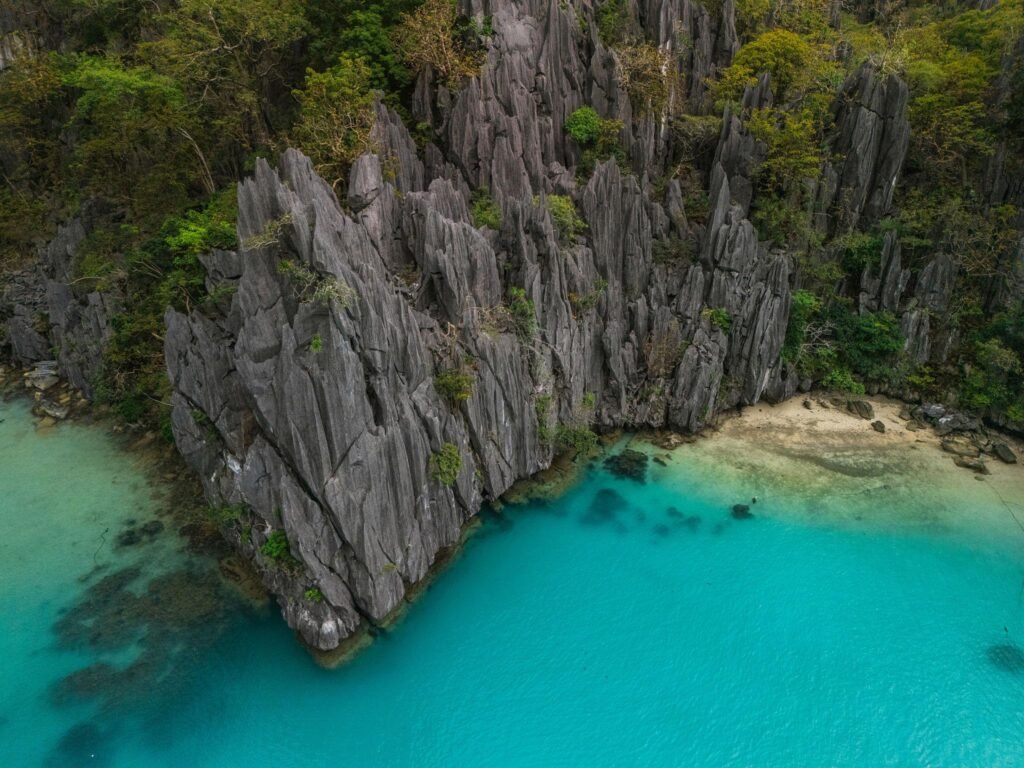
The Philippines has two broad seasons: the dry, breezy Amihan from roughly November to May, and the wet Habagat from June to October. Typhoon season runs roughly June to November, and the peak is typically August to October. Because the country is a chain of islands, storms can disrupt flights and ferries for days, and in the worst cases cause serious flooding and damage.
The location matters. Luzon and the Visayas (Cebu, Bohol, Boracay, Siargao) sit in the main typhoon corridor. Southern Palawan and parts of Mindanao see fewer direct hits, though rough seas and heavy rain still affect island-hopping from June to October. One interesting exception: Siargao’s famous surf season is roughly August to November, so rain can be a trade-off surfers accept.
Whatever the season, build in buffer days and keep an eye on the Philippine weather agency (PAGASA) for storm updates. Book flights with flexibility and avoid tight same-day connections to international departures.
Skip it if: you’re planning island hopping in the Visayas or Luzon in August to October.
Go anyway if: you’re comfortable with a flexible itinerary and want fewer crowds and lower prices.
See also: 7 days in the Philippines
Malaysia and Singapore: Know Which Coast You're On
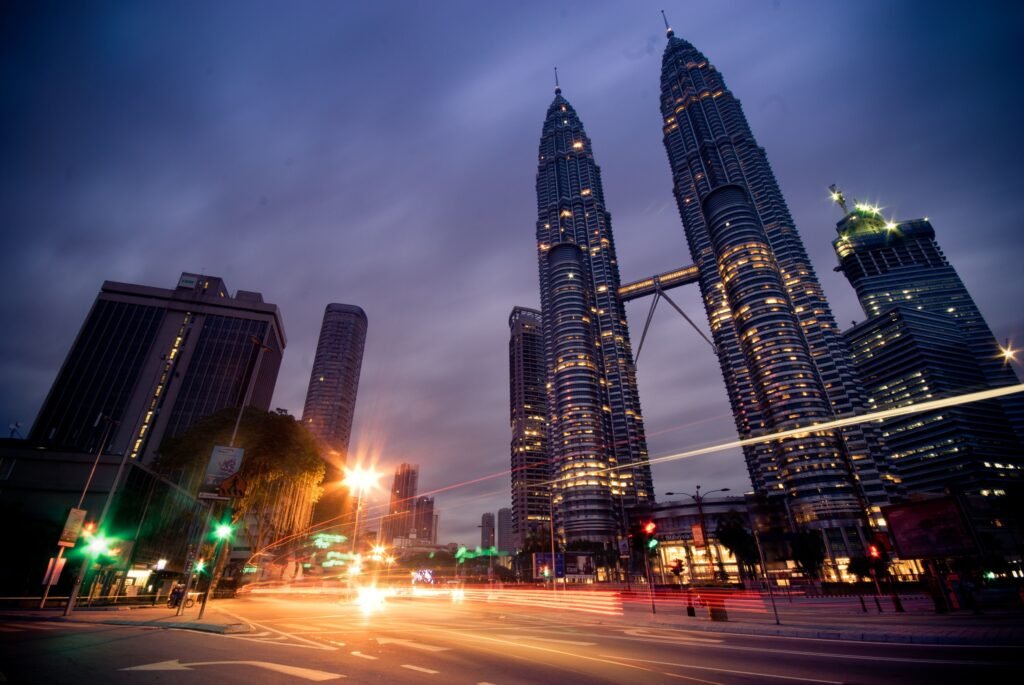
Peninsular Malaysia splits in two. The west coast (Penang, Langkawi, Kuala Lumpur, Melaka) sees its heaviest rain around September and October, with daily afternoon thunderstorms common in the transition periods. The east coast (Perhentian Islands, Redang, Tioman, Kuala Terengganu) takes the northeast monsoon from roughly November to February. During this time seas are rough, boat services are limited and many island resorts close completely. In Borneo, Sabah and Sarawak are wettest from about November to February.
Singapore is the easy one. It rains year-round, mostly in short, intense thunderstorms. The wetter spell runs from roughly December to January, and from about June to September, early-morning squalls can blow in from Sumatra. In some years, smoke haze from regional fires affects air quality between August and October.
Skip it if: you want the Perhentians or Redang between November and February, or Penang and Langkawi in September and October.
Go anyway if: you’re headed to Kuala Lumpur or Singapore, where rain is part of the daily rhythm and there is plenty to do indoors.
Planning a stopover? Our guide to Singapore vs Kuala Lumpur for a layover covers how the two cities compare.
A Quick Note on Myanmar

Myanmar’s wet season runs roughly May to October, and the dry, cooler months from November to February are the main travel window. Check current government travel advisories before planning any trip, because entry conditions and safety guidance there can change quickly and independently of the weather.
Monsoon Season Pros and Cons
Rainy season is not a punishment. For some trips it is actually a smart choice. Here is an honest comparison.
| Pros | Cons |
|---|---|
| Lower prices on hotels, resorts and many tours | Typhoons, floods and landslides can cancel plans entirely |
| Far fewer crowds at major sights | Ferries, speedboats and flights get delayed or cancelled |
| Lush, green scenery and full waterfalls | Rough seas, poor snorkel and dive visibility, closed marine parks |
| Cooler temperatures after a downpour | High humidity, mosquitoes and muddy trails |
| Easier to book popular restaurants and rooms | Some island resorts, restaurants and boat services close for the season |
| Dramatic skies and moody photography | Grey days can mean less impressive beach and sunset photos |
Best Time to Visit Instead: Where to Go Each Month
| If you’re traveling in… | Head to | Think twice about |
|---|---|---|
| Jan–Feb | Andaman Thailand, Cambodia, Laos, southern Vietnam, Palawan | Bali, Komodo, Malaysia’s east coast |
| Mar–Apr | Gulf and Andaman Thailand, Philippines, Singapore, Hanoi, Bali (April) | Chiang Mai (smoke) |
| May–Jun | Bali, Komodo, Gulf of Thailand, central Vietnam, Perhentians | Andaman islands, Cambodian coast |
| Jul–Aug | Bali, Komodo, Gulf of Thailand, Hoi An, Borneo, Tioman | Northern Vietnam, Phu Quoc, Laos, Philippines |
| Sep–Oct | Bali, Komodo, Sabah, Hanoi (October) | Phuket, Bangkok, Cambodia, central Vietnam, Philippines |
| Nov–Dec | Cambodia, Laos, northern Thailand, Bangkok, Andaman Thailand, southern Vietnam | Gulf of Thailand (November), central Vietnam (November), Bali (December) |
What Monsoon Travel Really Costs
Rainy-season travel is cheaper, but not always by as much as people assume, and some costs go up. Here is how the major categories typically shift.
| Category | What usually happens in the wet season |
|---|---|
| Accommodation | The biggest saving. Beach resorts and island hotels discount heavily, and many mid-range hotels offer better rooms for the same price. |
| Flights | International fares are often lower outside school holidays, but holiday weekends and popular routes can stay expensive. |
| Tours and activities | Operators often discount or add free upgrades, though some trips (island hopping, diving) run less often. |
| Ferries and transport | Roughly similar prices, but fewer departures and more cancellations. Plan for flexibility. |
| Food | No meaningful change. Street food and local restaurants cost the same. |
| Extras | Budget a little for a rain jacket or poncho, a dry bag and quick-dry clothes. You may spend more on taxis and indoor activities on wet days. |
Hidden costs to plan for
- Flexible bookings. Refundable rooms and rebookable transport often cost slightly more, but they are what save you when a typhoon hits.
- Travel insurance. Look for a policy that covers trip delay and weather-related cancellation. Read the exclusions carefully, because “named storms” are handled differently by different insurers.
- Buffer nights. An extra night near an airport before an international flight is cheap insurance against a cancelled ferry.
Common Mistakes to Avoid

- Treating a country as one climate. Booking “Thailand in October” without choosing a coast is the classic error. Pick your coast first, then your dates.
- Booking non-refundable everything. If you’re traveling in typhoon season, a rigid itinerary is a risk. Choose free-cancellation rooms and flexible ferry tickets where you can.
- Cutting international connections too fine. A cancelled domestic flight or ferry the day you need to fly home can cost far more than a hotel night. Arrive at your gateway city a day early.
- Ignoring official storm alerts. Local agencies and your embassy’s travel alerts are more reliable than social media. Check them daily when a storm is forming.
- Packing for sunshine only. Cotton jeans and canvas shoes will not dry. Bring quick-dry layers, a light rain jacket and sandals you can wear in puddles.
- Assuming rain means no beach. Some wet-season mornings are lovely. Overreacting by cancelling a whole trip is as much a mistake as ignoring the risk.
- Planning outdoor-only itineraries. Always keep a Plan B: museums, cooking classes, markets, spas, cafés and temples under cover.
- Skipping insurance. If you travel in the wet season, a decent policy is not optional.
Pro Travel Tips for Monsoon Season

- Do outdoor activities in the morning. In many places, rain arrives in the afternoon. Start early and finish by lunch.
- Sleep on the sheltered side. On islands, the leeward side of the island is calmer when the sea is rough.
- Use a dry bag. Phones, passports and cameras need to survive sudden downpours and boat rides.
- Download offline maps and weather apps. Signal can drop during storms.
- Book accommodation with a decent indoor space. A room with a balcony and a view is lovely until it rains for three days. A comfortable common area helps.
- Build one flexible day per week. Leave one open day for weather delays.
- Ask locals. Hotel staff and boat captains know when the weather is about to turn. Their advice beats any app.
- Stay away from swollen rivers and waterfalls. Flash floods can arrive quickly and with little warning. Respect closure signs.
- Protect your electronics. Use waterproof cases or sealable bags and pack silica gel packets for humid rooms.
- Keep your documents backed up. Store digital copies of your passport, insurance and bookings in cloud storage.
Should You Avoid Monsoon Season?
Avoid monsoon season if you are…
- A first-time visitor who wants the classic “island paradise” experience.
- Planning a honeymoon or a once-in-a-lifetime beach trip.
- Traveling mainly to dive, snorkel or island-hop.
- On a tight, fixed itinerary with no buffer days.
- Traveling with young children or anyone who struggles with heat and humidity.
Monsoon season can be a smart choice if you are…
- A budget traveler who wants lower prices and quieter sights.
- Focused on cities, food, temples and culture rather than beaches.
- Flexible with your schedule and comfortable adjusting plans.
- A photographer or someone who enjoys green landscapes and dramatic skies.
- Choosing the “dry” coast for your month (Gulf of Thailand in summer, Bali in July).
My honest take: the best answer is rarely “avoid Southeast Asia.” It’s “pick the right coast for your month.” Do that, and the monsoon becomes a manageable detail rather than a trip-breaker.
Sources and Further Reading
Weather patterns in this guide are based on information from the national meteorological agencies below. Always check them for the live forecast before you travel.
- Thai Meteorological Department: tmd.go.th
- PAGASA (Philippines): pagasa.dost.gov.ph
- BMKG (Indonesia): bmkg.go.id
- Vietnam National Center for Hydro-Meteorological Forecasting: nchmf.gov.vn
- Malaysian Meteorological Department: met.gov.my
- Meteorological Service Singapore: weather.gov.sg
- Joint Typhoon Warning Center: metoc.navy.mil/jtwc
Frequently Asked Questions
What is the worst month to visit Southeast Asia?
September and October are the toughest overall, when the southwest monsoon and the typhoon season overlap across mainland Southeast Asia and the Philippines. But Bali and parts of Borneo are often at their best then, so the worst month depends on where you're going.
Is it safe to travel to Southeast Asia during monsoon season?
Generally yes, outside storms and floods. Most rain comes in short bursts and daily life continues normally. Check official forecasts, follow local advice, keep your plans flexible and get insurance that covers weather-related delays.
When is monsoon season in Thailand?
On the Andaman side (Phuket, Krabi) it runs from roughly May to October, peaking in September. On the Gulf side (Koh Samui, Koh Phangan) the heaviest rain falls between October and December. Bangkok is wettest from May to October.
When is typhoon season in the Philippines and Vietnam?
Typhoons mainly occur between June and November, with the highest risk from August to October. In Vietnam, central regions often see the worst storms and flooding in October and November.
Is Southeast Asia cheaper during the rainy season?
Often, yes. Hotels, resorts and tours commonly discount in the wet season, especially on islands. Flights may not fall as much on popular routes or holiday weekends, so compare before booking.
Can I still go to the beach during monsoon season?
Sometimes. Beaches on the sheltered coast can be lovely, but rough seas, red flags and limited boat services affect many wet-season beaches. Choose the dry-side coast for your month, like the Gulf of Thailand in June to August.
Which Southeast Asian countries are best during the rainy season?
Bali and eastern Indonesia are driest from April to October, the Gulf of Thailand is comparatively good from June to August, and Borneo and Peninsular Malaysia's east coast are best between March and October.
What is the best time to visit Southeast Asia overall?
For most of the mainland, November to February offers the best balance of cooler, drier weather. Bali and Indonesia are best from April to October, so a split itinerary can give you good weather almost all year.