
For millions of backpackers, digital nomads, and first-time adventurers, Thailand remains one of the easiest countries in Asia to explore alone. But if you’re asking “Is Thailand safe for solo travelers?”, you probably want a realistic answer — not the generic “just use common sense” advice most blogs repeat.
The truth is: Thailand is generally very safe for solo travelers, including solo female travelers, budget backpackers, and remote workers. Violent crime against tourists is relatively rare, tourist infrastructure is excellent, and it’s incredibly easy to meet other travelers across cities like Bangkok, Chiang Mai, Phuket, and Krabi.
But Thailand isn’t risk-free.
The biggest issues travelers face usually involve:
- scooter accidents
- nightlife mistakes
- tourist scams
- overconfident travel decisions
- transportation confusion
- beach party thefts
I learned this quickly during my first late-night walk through Bangkok’s Khao San Road. One traveler was comfortably ordering mango sticky rice at midnight while another argued with a tuk tuk driver over an inflated fare after refusing to use the Grab app. Same city, completely different experiences — and that’s exactly how Thailand works. Your safety often depends more on your decisions than the destination itself.
Whether you’re planning solo female travel in Thailand, backpacking between islands, or searching for the safest places in Thailand for solo travelers, this guide covers:
- real safety risks
- local travel hacks
- transportation strategies
- scam prevention
- nightlife safety
- practical budgeting
- cultural tips most tourists overlook
If you’re still planning your solo adventure, start with our Thailand Trip Planning Guide. It covers everything from choosing the best destinations and planning your itinerary to understanding transportation, budgeting, accommodation, visa requirements, and practical safety tips—giving first-time visitors a solid foundation before exploring Thailand on their own.
- Thailand itinerary guide
- Thailand budget travel breakdown
- visa-free destinations for Indians
- hidden travel costs tourists forget
Table of Contents
ToggleIs Thailand Safe for Solo Travelers?
Yes — Thailand is generally one of the safest countries in Southeast Asia for solo travelers, including backpackers, digital nomads, and first-time international travelers. The country has a well-developed tourism industry, affordable transportation, strong hostel culture, and thousands of travelers moving around popular destinations every day.
That said, Thailand is not completely risk-free.
Most problems tourists face are usually linked to:
- tourist scams
- scooter accidents
- nightlife mistakes
- petty theft
- poor travel decisions
Serious violent crime against tourists is relatively uncommon, especially in major tourist areas like Bangkok, Chiang Mai, Krabi, Phuket, and Koh Samui. In fact, many travelers feel safer walking through Thailand’s busy night markets than in parts of Europe or South America.
But your experience often depends on how you travel.
For example:
- Taking a Grab taxi late at night in Bangkok? Usually safe.
- Riding a scooter in Pai without insurance or experience? Risky.
- Staying in well-rated hostels with lockers? Smart choice.
- Getting heavily intoxicated alone at beach parties? Bad idea.
One thing many first-time travelers underestimate is Thailand’s road safety. Scooter accidents are one of the most common tourist injuries in the country. I once met a traveler in Chiang Mai who rented a scooter within hours of landing and crashed the same evening because he wasn’t used to driving on the left side of the road. Since then, I always recommend using public transportation, Grab app Thailand services, or domestic flights unless you’re already an experienced rider.
For solo female travel in Thailand, the country is generally considered safe compared to many global destinations. Female travelers regularly backpack across Thailand alone, especially in places like Chiang Mai and Krabi. However, nightlife awareness, transportation choices, and hostel security still matter.
If you’re asking:
- “Is Thailand safe for solo female travelers?” → Yes, especially in tourist-friendly areas.
- “Is Bangkok safe at night for tourists?” → Mostly yes in busy tourist districts, but stay alert late at night.
- “How to stay safe while traveling alone in Thailand?” → Use trusted transportation apps, avoid impulsive decisions, and stay aware in nightlife-heavy areas.
Thailand rewards travelers who stay aware without becoming paranoid. Most solo travelers leave the country with incredible memories, new friends, and a much higher confidence level than when they arrived.
Safety Score Breakdown
| Category | Score | Why It Matters |
|---|---|---|
| Transportation | 8/10 | BTS, MRT, Grab, ferries, and domestic flights are reliable, but scooters remain a major tourist risk |
| Solo Female Safety | 8/10 | Thailand is welcoming for women travelers, especially in tourist-focused destinations |
| Nightlife Safety | 6.5/10 | Most tourist issues involve alcohol, beach parties, or late-night scams |
| Scam Risk | 7/10 | Tuk tuk scams, taxi overcharging, and tourist traps exist but are usually avoidable |
| Digital Nomad Friendly | 9/10 | Excellent WiFi, coworking cafés, affordable living, and strong traveler communities |
Thailand also scores highly for Thailand backpacking safety because you’re rarely isolated for long. Popular backpacker hubs like Chiang Mai, Bangkok, Pai, and Koh Tao make it incredibly easy to meet fellow travelers, join tours, or find social hostels within minutes.
And if you’re already comparing destinations, questions like “Which is cheaper, Phuket or Krabi?” or “Is Phuket or Krabi better for couples?” matter more than people think. Phuket offers better nightlife and convenience, while Krabi tends to feel calmer, cheaper, and more relaxed for solo travelers who prefer slower-paced trips.
Why Thailand Is Popular Among Solo Travelers
Thailand has been a backpacker favorite for decades — and once you spend a few days there, it’s easy to understand why. Few countries combine affordability, social travel culture, beautiful scenery, reliable infrastructure, and beginner-friendly travel experiences as well as Thailand does.
For many people, Thailand becomes their first-ever solo international trip because it feels adventurous without being overwhelming. One day you’re eating $2 pad thai at a Bangkok night market, and the next you’re island hopping in Krabi with travelers you met just hours earlier at your hostel.
That mix of comfort, excitement, and accessibility is exactly why solo travel in Thailand continues to attract everyone from budget backpackers to digital nomads and solo female travelers.
Affordable Travel
One of the biggest reasons Thailand is so popular among solo travelers is simple: it offers incredible value for money.
Compared to Europe, Australia, or North America, Thailand allows travelers to experience beautiful beaches, vibrant nightlife, amazing food, and comfortable accommodations without draining their savings.
You can still:
- stay in social hostels for $8–15 per night
- eat delicious street food for under $3
- take budget domestic flights between cities
- book island tours without luxury-level pricing
Even mid-range travel feels affordable here. In places like Chiang Mai, many digital nomads comfortably live on monthly budgets that would barely cover rent in major Western cities.
That affordability also gives solo travelers more flexibility. If you don’t love a destination, you can move on quickly without feeling financially trapped.
A huge money-saving tip many travelers miss? Use local food courts and night markets instead of tourist restaurants near beaches. I once paid almost triple for the same mango sticky rice in Phuket’s tourist zone compared to a local Chiang Mai night market just a week later.
And if you’re planning longer bus, ferry, or train rides, a lightweight neck pillow and portable charger can make overnight travel dramatically more comfortable.
Friendly Backpacker Culture
Thailand is one of the easiest countries in the world to meet people while traveling alone.
Popular destinations like:
- Chiang Mai
- Pai
- Bangkok
- Koh Tao
- Phuket
- Krabi
all have thriving backpacker communities filled with hostels, coworking cafés, walking tours, pub crawls, and island excursions.
Even introverted travelers usually find themselves making friends quickly.
I’ve met travelers in Thailand while:
- waiting for ferries
- sharing hostel breakfasts
- joining cooking classes
- taking snorkeling tours
- sitting in café coworking spaces
That social atmosphere creates a hidden layer of safety. You’re rarely isolated for long, especially in tourist-heavy areas.
For first-time solo travelers, this matters a lot emotionally. Thailand gives people independence without the loneliness many fear before their first trip abroad.
Excellent Tourism Infrastructure
Another reason Thailand ranks highly for Thailand solo travel safety is its well-developed tourism infrastructure.
The country is designed for travelers.
You’ll find:
- tourist-friendly hostels
- English menus
- reliable booking apps
- affordable domestic flights
- organized island transfers
- convenience stores everywhere
- stable mobile internet
Apps like Grab make transportation much easier and safer, especially for travelers arriving late at night or navigating Bangkok for the first time.
Thailand also works exceptionally well for travelers who like flexibility. You don’t need to plan every detail weeks in advance. In many areas, you can book transportation, tours, and accommodations just a day or two ahead.
That flexibility is one reason Thailand became such a hotspot for backpackers and digital nomads.
Easy Transportation
Getting around Thailand is surprisingly simple, even for beginners.
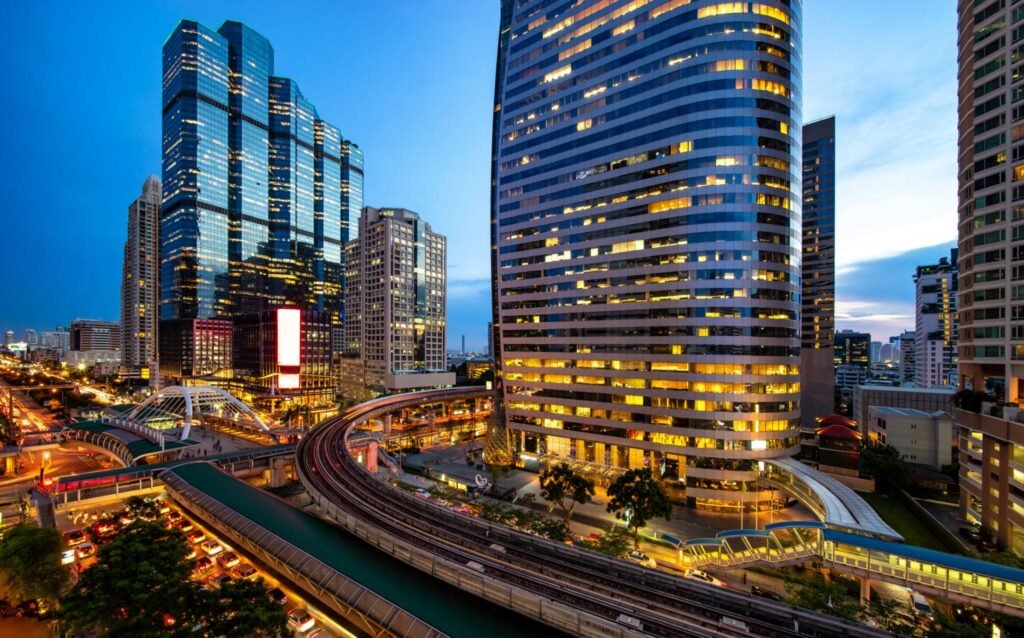
Bangkok’s:
- BTS Skytrain
- MRT subway
- airport rail systems
are modern, cheap, and easy to navigate.
For longer distances, travelers can choose between:
- domestic flights
- sleeper trains
- ferries
- buses
- minivans
Budget airlines like AirAsia and Nok Air often make flying between Bangkok, Phuket, Krabi, and Chiang Mai cheaper than train travel in some countries.
That said, transportation safety still matters.
While public transportation is generally reliable, scooter rentals remain one of the biggest travel risks in Thailand. Many tourists underestimate local traffic conditions, mountain roads in Pai, or wet island roads after rain.
Safest Places in Thailand for Solo Travelers
One of the biggest reasons Thailand remains a global backpacking hotspot is the variety of destinations available for different travel styles. Some places are ideal for nightlife and social hostels, while others are better for slow travel, wellness retreats, or relaxed beach escapes.
If you’re planning solo travel in Thailand, choosing the right destination matters more than most people realize. Safety levels, nightlife intensity, transportation convenience, and tourist infrastructure can vary significantly between cities and islands.
So, what are the safest cities in Thailand for solo travelers?
For most travelers, these destinations consistently rank among the safest and easiest:
- Bangkok for first-time international travelers
- Chiang Mai for digital nomads and café culture
- Krabi for relaxed beach travel
- Koh Samui for comfortable island stays
- Pai for backpackers and slow travel
- Phuket for nightlife and convenience
Here’s what you should realistically expect from each place.
Bangkok
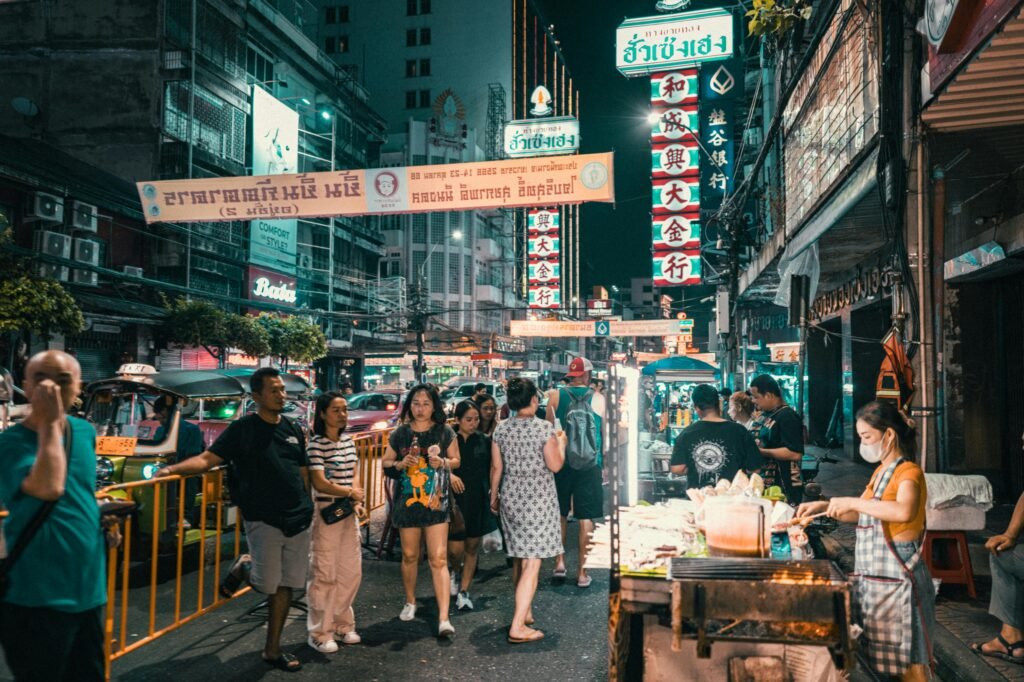
Bangkok surprises many first-time travelers.
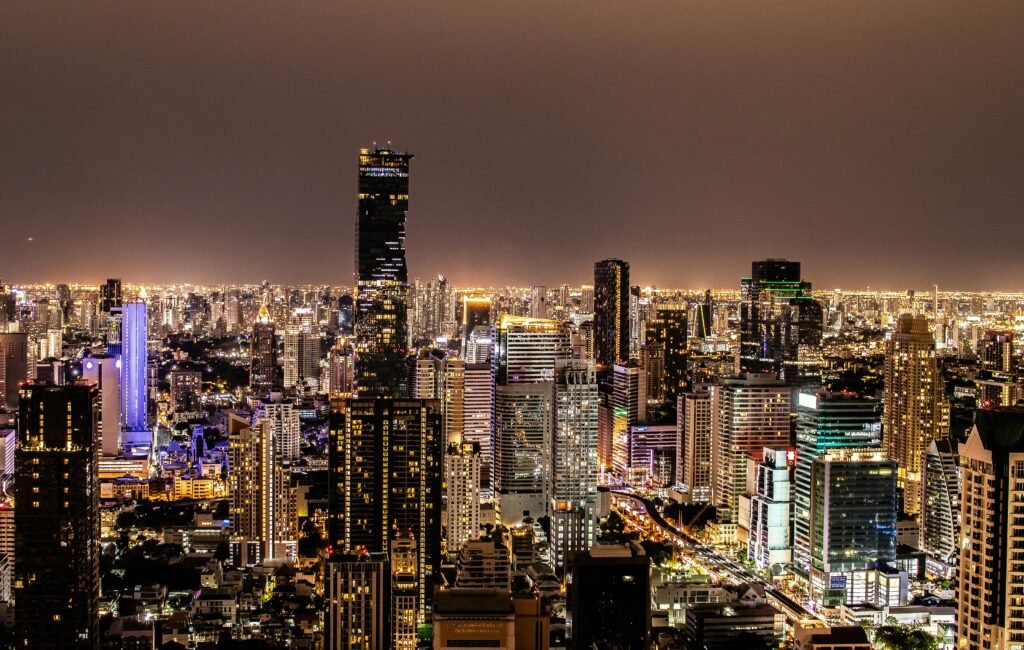
People often expect chaos, scams, and overwhelming crowds — and while parts of the city can feel intense, Bangkok is generally safe for tourists when you stay in the right neighborhoods and use common sense.
The city is packed with:
- modern malls
- reliable public transport
- busy night markets
- international cafés
- coworking spaces
- tourist-friendly hostels
Even late at night, many areas remain active and well-lit because Bangkok rarely truly sleeps.
I’ve personally found Bangkok safer than many major cities worldwide when using the BTS Skytrain and Grab app Thailand services instead of random street taxis.
Safe Areas
The safest and most convenient areas for solo travelers include:
- Sukhumvit
- Silom
- Siam
- Ari
- Riverside Bangkok
These neighborhoods have:
- better transportation access
- strong tourist infrastructure
- excellent hostels and hotels
- busy nightlife with security presence
- easy access to BTS/MRT stations
Sukhumvit is especially popular among digital nomads and solo travelers because everything feels accessible — cafés, malls, nightlife, and transport are all nearby.
Areas to Avoid
Bangkok is rarely dangerous, but some areas require extra awareness late at night.
Use caution around:
- isolated alleyways near nightlife districts
- overly quiet streets after midnight
- certain sections around Khao San Road after heavy partying
Most problems here involve:
- pickpocketing
- overcharging
- drunk tourist incidents
- tuk tuk scams
A good rule? If an area suddenly feels empty or overly aggressive with street vendors and drivers, simply book a Grab and leave.
Chiang Mai

If Bangkok feels too overwhelming, Chiang Mai often becomes the favorite destination for solo travelers.
Located in northern Thailand, Chiang Mai is known for:
- relaxed atmosphere
- mountain scenery
- café culture
- digital nomad community
- affordable living
- safer nightlife
For many travelers, this is the easiest city in Thailand to settle into comfortably.
Solo female travelers especially tend to feel more relaxed here compared to heavier nightlife destinations like Phuket or Pattaya.
The Old Town and Nimman areas are particularly popular because they combine:
- walkability
- coworking spaces
- affordable cafés
- social hostels
- night markets
Chiang Mai is also one of the best places for travelers trying solo travel for the first time because it feels social without being chaotic.
Phuket

Phuket is one of Thailand’s most visited destinations, but safety here depends heavily on where and how you travel.
The island offers:
- luxury resorts
- beach clubs
- nightlife
- island tours
- international hospitals
- excellent tourism services
For convenience, Phuket scores highly.
But nightlife-heavy areas like Patong can feel overwhelming for travelers looking for a calm solo experience.
Phuket is safest when:
- using Grab or hotel transport late at night
- avoiding excessive partying
- staying in well-reviewed accommodations
- keeping valuables secure near beaches
If you’re asking “Is Phuket or Krabi better for couples?”, Phuket usually wins for nightlife and luxury resorts. But for solo travelers seeking calmer beaches and slower travel, Krabi often feels more comfortable.
Krabi
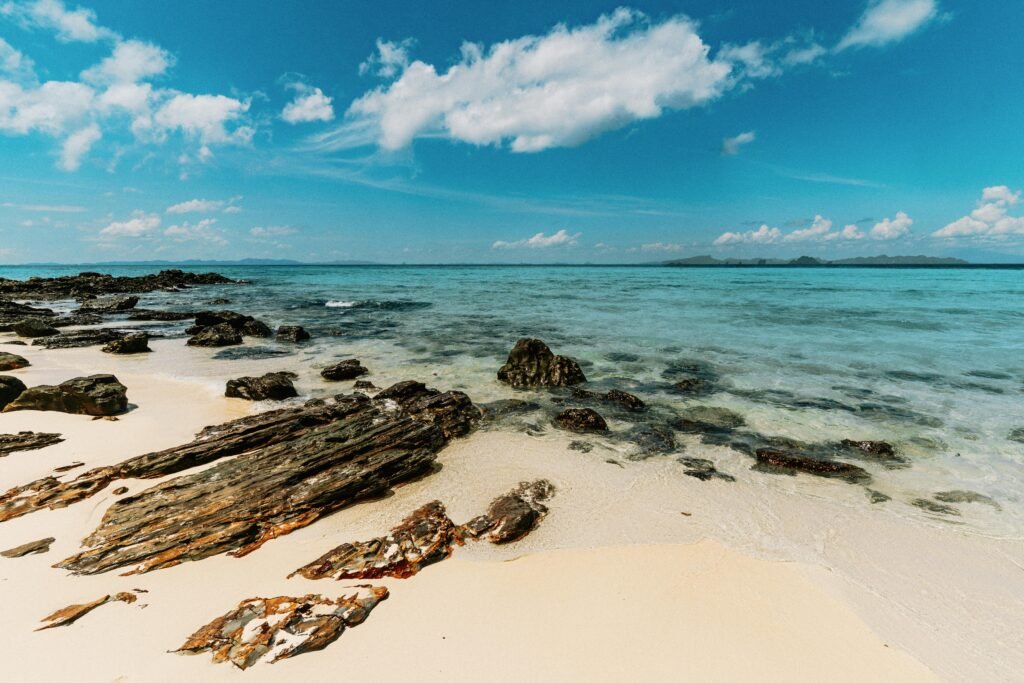
Krabi is one of the best destinations in Thailand for travelers who want beautiful scenery without Phuket’s intensity.
It’s calmer, less crowded, and generally feels more relaxed.
Ao Nang is the main tourist hub and works well for:
- solo travelers
- island hopping
- beach cafés
- wellness travelers
- relaxed nightlife
One reason many travelers feel safer in Krabi is the atmosphere itself. The pace is slower, and the nightlife is less aggressive compared to Phuket.
Questions like “Which is cheaper, Phuket or Krabi?” come up often — and in general, Krabi tends to be slightly cheaper for accommodations, food, and tours.
Koh Samui
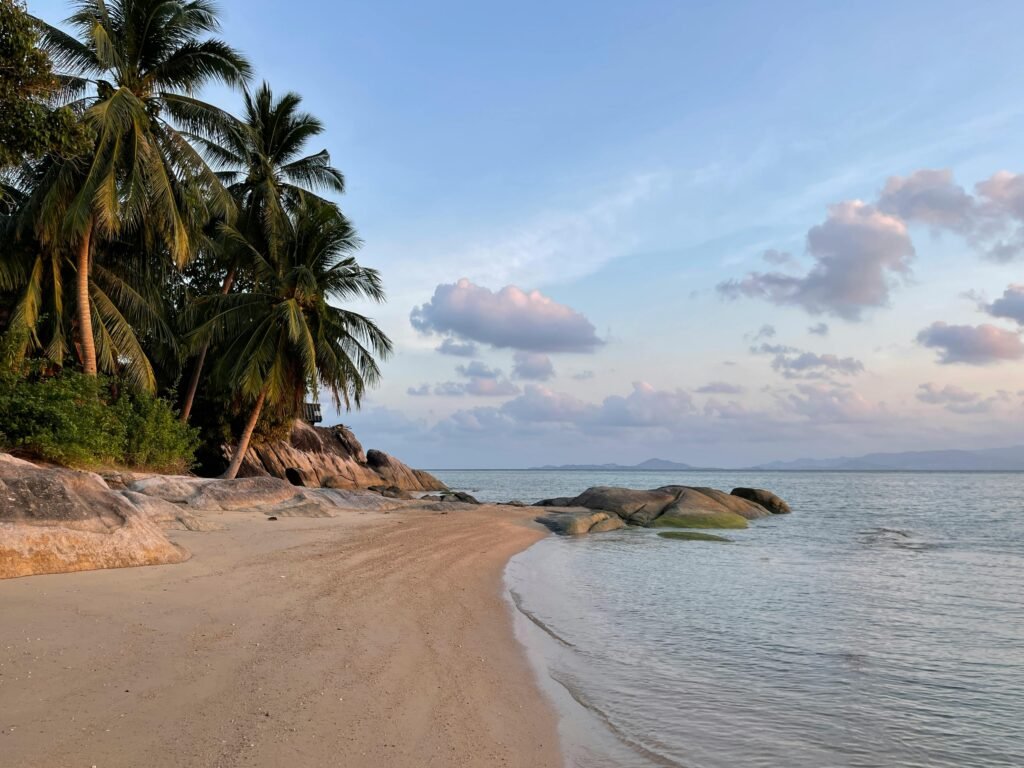
Koh Samui offers a softer introduction to Thai island life.
It’s more developed than some backpacker islands but less hectic than Phuket.
Solo travelers love Koh Samui for:
- beach cafés
- wellness retreats
- safer resort areas
- coworking-friendly accommodations
- easy island tours
Areas like Fisherman’s Village and Lamai are usually quieter and more relaxed than Chaweng’s party scene.
Koh Samui is especially good for:
- solo female travelers
- digital nomads
- slower-paced travel
- first-time island visitors
Pai for Backpackers

Pai feels completely different from southern Thailand.
Surrounded by mountains in northern Thailand, Pai has become a backpacker favorite thanks to:
- relaxed atmosphere
- scenic cafés
- live music bars
- yoga culture
- affordable hostels
It’s one of the easiest places in Thailand to meet other travelers naturally.
That said, Pai’s biggest safety issue is transportation. Many travelers rent scooters to explore waterfalls and mountain roads, but inexperienced riders often underestimate the curves and steep roads.
If you’re not confident riding scooters, consider:
- joining group tours
- hiring local drivers
- sharing rides with hostel travelers
Pai is best for:
- backpackers
- social travelers
- slow travel
- nature lovers
- budget travelers
And despite its small size, it remains one of the friendliest destinations for solo backpacking in Thailand.
Is Thailand Safe for Solo Female Travelers?
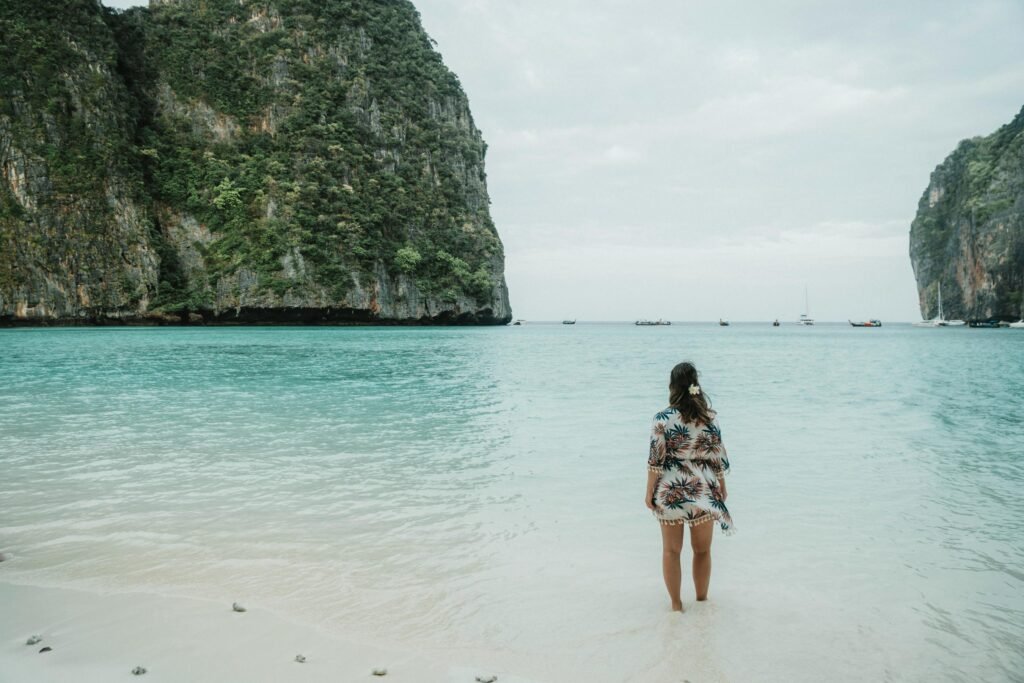
Yes — Thailand is generally safe for solo female travelers, and it remains one of the most popular destinations in Asia for women traveling alone. Every year, thousands of female backpackers, digital nomads, and long-term travelers explore Thailand independently without major issues.
But safe doesn’t mean risk-free.
Like anywhere else in the world, your experience depends on:
- destination choices
- nightlife decisions
- transportation habits
- accommodation quality
- situational awareness
The good news is that Thailand’s tourism infrastructure makes solo female travel much easier than in many other countries. Hostels are social, cafés are welcoming, transportation is affordable, and tourist-heavy areas usually feel active late into the evening.
I’ve spoken with several solo female travelers in Chiang Mai and Koh Samui who described Thailand as one of the first places where they felt comfortable eating alone, exploring night markets independently, and meeting other travelers naturally without feeling judged or unsafe.
That said, there are still realistic risks worth understanding before your trip.
Realistic Risks Women Should Know
Most safety issues female travelers face in Thailand are not violent crimes — they’re usually connected to:
- nightlife situations
- intoxication
- transportation scams
- isolated areas late at night
- poor hostel choices
- overtrusting strangers too quickly
One of the biggest mistakes travelers make is assuming Thailand is “100% safe” simply because it’s tourist-friendly.
For example:
- accepting drinks from strangers at beach parties
- walking alone in isolated nightlife zones after midnight
- riding scooters without experience
- using unofficial taxis late at night
These situations create far more risk than everyday sightseeing.
Chiang Mai, Krabi, and Koh Samui are often considered among the safest places for solo female travel in Thailand because they feel calmer and less nightlife-focused compared to destinations like Patong in Phuket.
A good rule? Thailand is safest when you travel confidently — not carelessly.
Nightlife & Party Areas
Thailand’s nightlife is famous worldwide, especially in:
- Phuket
- Bangkok
- Koh Phangan
- Pattaya
And while most travelers enjoy these destinations safely, alcohol is involved in a large percentage of tourist incidents.
Full Moon Parties and beach nightlife can be incredibly fun, but they also increase risks related to:
- drink spiking
- phone theft
- lost wallets
- transportation confusion
- injuries from intoxication
I met a traveler in Koh Phangan who lost both her phone and passport after leaving her beach bag unattended during a Full Moon Party. Since then, I always recommend carrying only essentials when going out at night.
Practical nightlife safety tips:
- Use Grab instead of random taxis after parties
- Avoid walking alone on isolated beach roads late at night
- Carry a small crossbody anti-theft bag
- Watch your drink being prepared
- Share your live location with someone you trust
If you enjoy nightlife but prefer calmer environments, Krabi and Chiang Mai usually feel more relaxed than Phuket’s Patong Beach scene.
Hostel Safety Tips
Thailand has some of the best backpacker hostels in the world, but not all hostels are equal.
Before booking:
- check recent reviews carefully
- prioritize female dorm options if preferred
- choose hostels with lockers and 24-hour reception
- avoid extremely cheap hostels with poor cleanliness ratings
One underrated travel tip? The cheapest hostel is not always the safest or most social.
A slightly more expensive hostel often provides:
- better security
- safer locations
- cleaner facilities
- stronger traveler communities
For extra security:
- use hostel lockers
- carry a small padlock
- keep passports digitally backed up
- avoid leaving valuables charging unattended in common rooms
Hostel culture in Thailand is usually very social, making it easy for solo travelers to join group tours or meet people for dinners and excursions naturally.
Clothing & Cultural Etiquette
Thailand is relatively relaxed compared to some Asian countries, especially in beach destinations and tourist zones.
But cultural awareness still matters.
In cities and temples:
- cover shoulders and knees when visiting religious sites
- avoid overly revealing clothing in rural areas
- remove shoes before entering temples or some homes
On beaches and islands, dress codes are far more relaxed.
One thing many tourists overlook is that respectful behavior often improves interactions with locals dramatically. Simple politeness, calm communication, and basic Thai phrases can go a long way.
Thailand’s culture values friendliness and respect more than aggressive behavior or loud confrontations.
Dating App Safety
Dating apps like Tinder and Bumble are widely used in Thailand, especially in Bangkok and Chiang Mai.
Many travelers use them safely, but caution is important.
Best practices:
- meet in public places first
- avoid isolated accommodations
- don’t share hotel details immediately
- trust your instincts if something feels off
- avoid excessive drinking on first meetings
Tourist-heavy dating scenes can sometimes attract scams or misleading intentions, especially in nightlife districts.
A safer approach is treating dating apps as a way to meet people casually rather than instantly trusting strangers during your trip.
Common Tourist Scams in Thailand
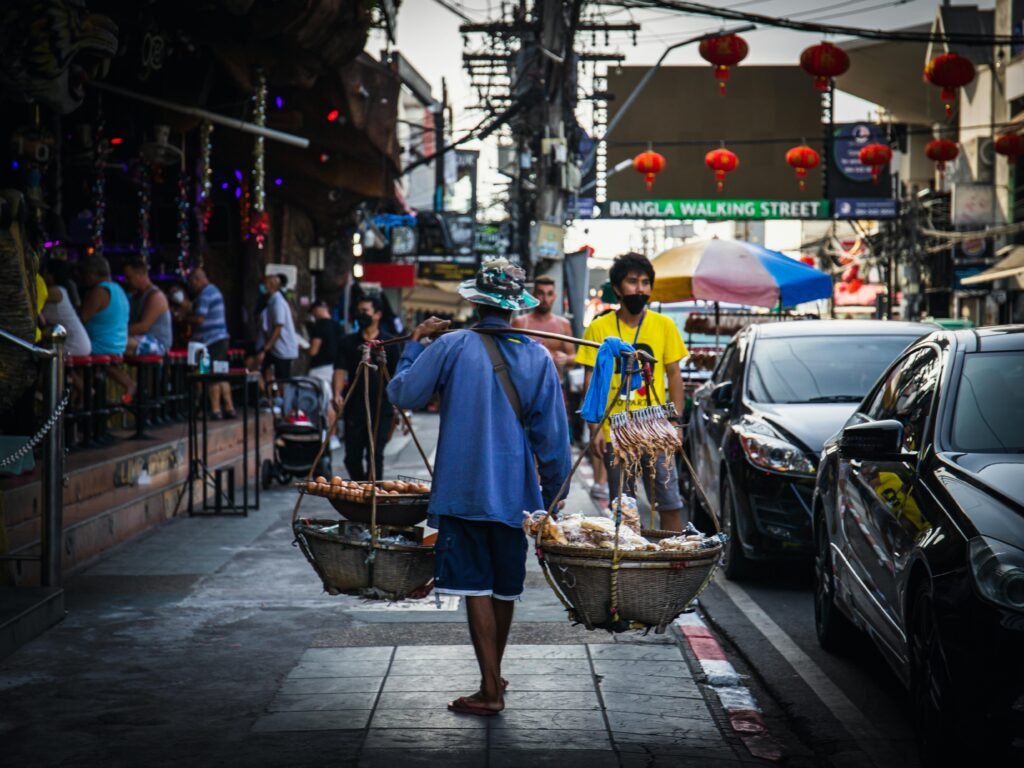
Thailand is generally safe, but scams targeting tourists are extremely common — especially in Bangkok, Phuket, and major beach destinations.
The good news? Most scams are more annoying than dangerous.
Once you know what to expect, they become much easier to avoid.
Most Common Thailand Tourist Scams
- Tuk tuk overcharging
- Fake temple closures
- Jet ski damage scams
- Taxi meter refusal
- ATM skimming
- Fake tour operators
Awareness is your best defense.
Tuk Tuk Scam
The tuk tuk scam is probably Thailand’s most famous tourist trap.
Here’s how it usually works:
A driver offers an unbelievably cheap city tour, then takes travelers to:
- overpriced souvenir stores
- fake gem shops
- commission-based tailor stores
The goal is keeping tourists shopping long enough for the driver to earn commissions.
A simple solution?
Use Grab app Thailand services or negotiate prices clearly before entering.
If a deal sounds unrealistically cheap, there’s usually a reason.
Fake Temple Closures
This scam is especially common near Bangkok tourist attractions.
Someone approaches you saying:
- “The temple is closed today.”
- “There’s a special holiday.”
- “I can take you somewhere better.”
Then they redirect you toward expensive shops or tours.
In reality, the temple is usually open.
If someone tells you a major attraction is suddenly closed, verify directly at the entrance instead of trusting strangers nearby.
Jet Ski Scam
This is one of the most expensive scams tourists face in Thailand.
It often happens in Phuket or Pattaya.
Travelers rent jet skis, return them later, and operators suddenly claim there’s “new damage.” Tourists are then pressured into paying large repair fees.
To protect yourself:
- photograph the jet ski before use
- record videos of existing scratches
- avoid vendors with poor online reviews
- never hand over your passport as collateral
This scam targets tourists who feel rushed or intimidated.
Taxi Meter Refusal
Taxi drivers in Bangkok sometimes refuse to use meters and quote inflated flat prices instead.
This happens most frequently:
- near airports
- nightlife districts
- tourist hotspots
The easiest solution is simply using Grab.
If using regular taxis:
- ask “meter?” before entering
- leave politely if they refuse
Thailand transportation safety improves dramatically when travelers avoid unnecessary street negotiations.
ATM Skimming
ATM skimming is less common than in some countries, but it still happens in tourist-heavy areas.
Safer practices:
- use ATMs inside banks or malls
- avoid isolated street ATMs
- cover your PIN
- monitor your bank notifications regularly
Carrying multiple cards separately is also smart during long trips.
Fake Tour Operators
Cheap island tours and transportation packages can sometimes be misleading or poorly organized.
Warning signs:
- no online reviews
- cash-only pressure
- vague itineraries
- extremely low prices
Booking through:
- reputable hostels
- verified travel apps
- established operators
usually reduces risk significantly.
Sometimes paying slightly more for a trusted company saves both money and stress later.
Transportation Safety in Thailand
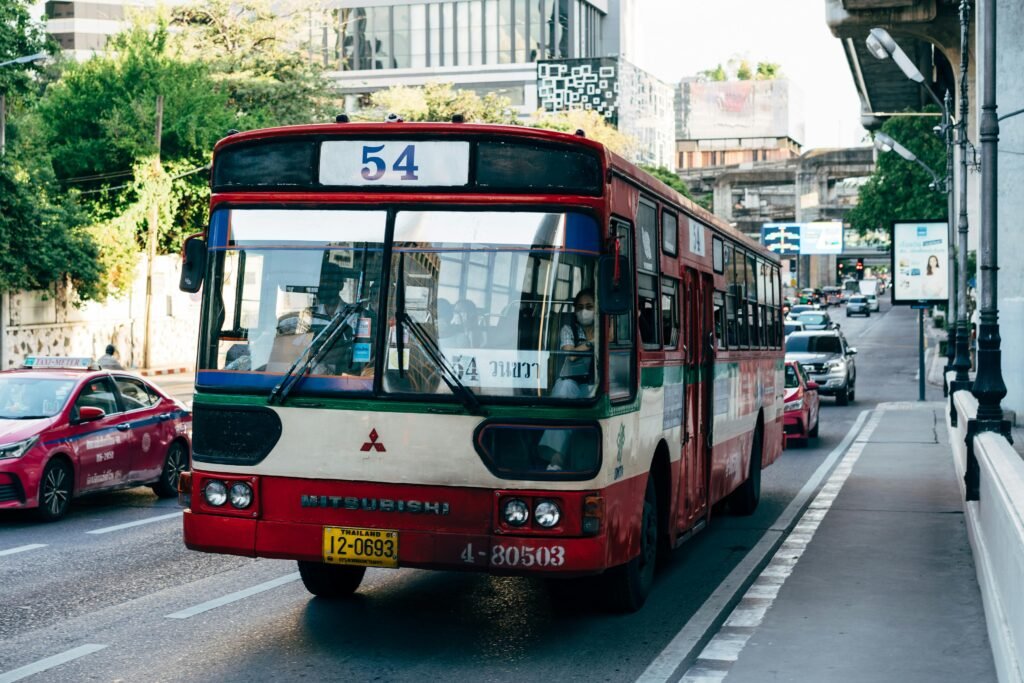
Transportation in Thailand is generally affordable, accessible, and tourist-friendly — which is one of the main reasons solo travel here feels easier than in many other countries. From Bangkok’s modern train systems to cheap domestic flights and island ferries, getting around is usually straightforward even for first-time travelers.
But transportation is also where many tourists make their biggest mistakes.
Most serious travel incidents in Thailand involve:
- scooter accidents
- reckless driving
- unsafe late-night transportation decisions
- rushed ferry bookings
- overconfident travelers unfamiliar with local roads
The good news? Most risks are avoidable with a little planning.
Is Public Transport Safe?
Yes — public transport in Thailand is generally very safe for tourists.
Bangkok’s:
- BTS Skytrain
- MRT subway
- Airport Rail Link
are modern, air-conditioned, inexpensive, and easy to navigate.
In major tourist areas, you’ll also find:
- long-distance buses
- sleeper trains
- ferries
- minivans
- domestic flights
Thailand’s train network is particularly popular among backpackers because overnight trains between Bangkok and Chiang Mai can save both accommodation costs and travel time.
For solo travelers, public transportation often feels safer than negotiating random street taxis, especially late at night.
One thing many travelers appreciate about Thailand is how active public spaces remain even after dark. Busy train stations, night markets, and transport hubs usually feel lively rather than deserted.
That said, always keep:
- valuables zipped
- bags in front of you
- passports digitally backed up
especially during overnight transport.
Using Grab vs Taxis
If there’s one Thailand travel tip I recommend to almost everyone, it’s this:
Use Grab whenever possible.
Grab works similarly to Uber and is one of the safest transportation options for solo travelers in Thailand.
Benefits include:
- fixed pricing
- GPS tracking
- cashless payments
- reduced language barriers
- safer late-night transport
It’s especially useful in Bangkok, Phuket, Chiang Mai, and Pattaya where taxi scams are more common.
I learned this lesson fast after landing in Bangkok years ago. A taxi driver near the airport quoted nearly triple the normal price because I looked exhausted and unfamiliar with local rates. After switching to Grab, transportation instantly became easier and less stressful.
Regular taxis themselves aren’t inherently dangerous, but problems happen when drivers:
- refuse meters
- inflate prices
- take longer routes
- target tired tourists
If you use standard taxis:
- ask “meter?” before entering
- avoid aggressive drivers outside tourist attractions
- keep Google Maps open during rides
For many solo travelers, Grab dramatically improves overall Thailand transportation safety.
Night Buses & Trains
Thailand’s overnight transportation network is popular with backpackers trying to save money.
Night buses and sleeper trains connect:
- Bangkok
- Chiang Mai
- Phuket
- Krabi
- Surat Thani
- island ferry hubs
Sleeper trains are generally safer and more comfortable than overnight buses, especially for solo travelers and solo female travelers.
Trains offer:
- more space
- better security
- smoother travel
- less chaotic driving
Night buses, while cheaper, can sometimes feel less organized.
Practical overnight travel safety tips:
- keep valuables close while sleeping
- use luggage locks
- avoid storing passports in checked bags
- bring a portable charger
- carry a lightweight hoodie because buses get extremely cold
One underrated trick? Sit closer to other travelers rather than isolated sections if the bus is mostly empty late at night.
Scooter Rental Risks
Scooters are one of the biggest reasons tourists end up injured in Thailand.
Places like:
- Pai
- Phuket
- Koh Samui
- Koh Tao
- Chiang Mai
all have heavy scooter rental cultures, and many travelers underestimate how difficult local driving conditions can be.
Thailand drives on the left side of the road, traffic can feel chaotic, and mountain roads become dangerous during rain.
I’ve personally met travelers who:
- crashed on steep Pai roads
- underestimated island curves
- drove without helmets
- rode scooters without insurance
Many accidents happen within the first 24 hours of renting.
If you’re inexperienced, public transport and Grab are usually smarter choices.
If you still rent a scooter:
- wear a helmet every time
- photograph the vehicle before use
- avoid driving after drinking
- never leave passports with rental shops
- confirm your travel insurance Thailand coverage includes scooters
Scooter freedom looks fun on Instagram, but transportation mistakes ruin more Thailand trips than scams do.
Ferry & Island Transport Safety
Island hopping is one of the best parts of traveling in Thailand, but ferry travel can sometimes feel chaotic during peak season.
Routes between:
- Phuket
- Krabi
- Koh Phi Phi
- Koh Samui
- Koh Tao
- Koh Phangan
are generally safe, though weather conditions matter significantly during monsoon season.
Tips for safer ferry travel:
- book through reputable operators
- avoid ultra-cheap unknown companies
- keep electronics in waterproof pouches
- arrive early during busy seasons
- avoid sitting near overloaded luggage areas
One thing many travelers forget? Seasickness can become brutal during rough weather.
A small waterproof day bag, portable charger, and motion sickness tablets become surprisingly valuable during long island transfers.
And if you’re debating islands already:
- Which is cheaper, Phuket or Krabi? → Krabi is usually cheaper overall.
- Is Phuket or Krabi better for couples? → Phuket offers more nightlife and luxury, while Krabi feels calmer and more scenic.
Thailand Solo Travel Budget Breakdown
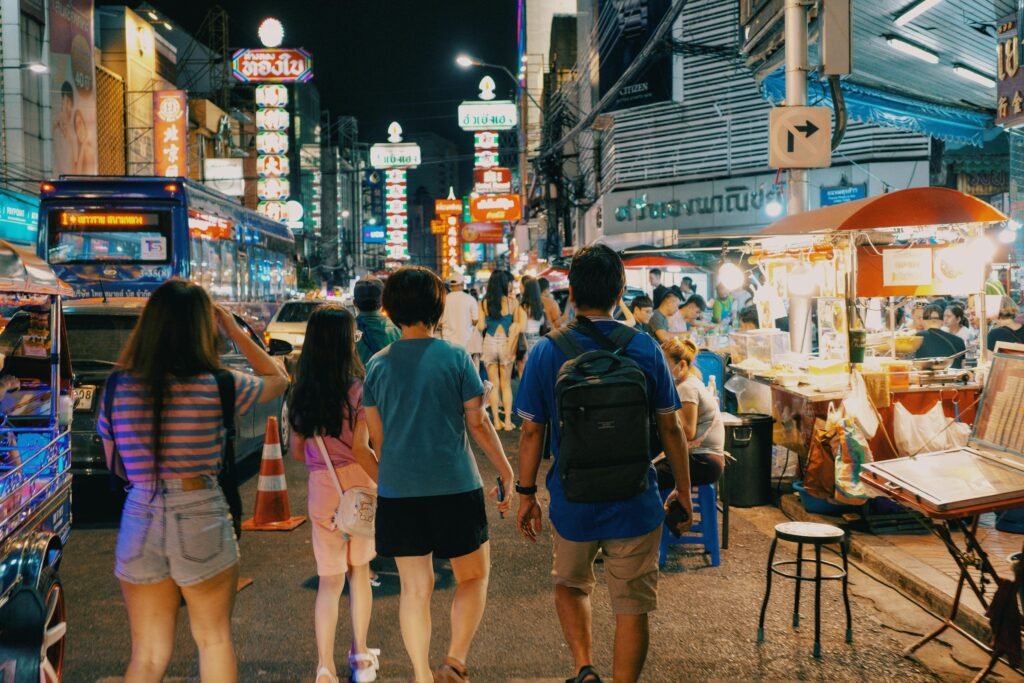
Thailand remains one of the best-value destinations in the world for solo travelers.
Whether you’re backpacking on a tight budget or working remotely from beach cafés, Thailand gives travelers flexibility that many countries simply can’t match.
Your costs will mainly depend on:
- destination choice
- nightlife habits
- accommodation style
- transportation
- island activities
Bangkok and Phuket are generally more expensive, while Chiang Mai and Pai tend to be cheaper for long stays.
Budget Traveler Costs
Backpackers can comfortably travel Thailand on around $30–60 per day, depending on location and activity choices.
| Expense | Daily Budget |
|---|---|
| Hostel | $8–20 |
| Food | $5–15 |
| Transport | $3–10 |
| Activities | $10–30 |
Budget travelers usually save money by:
- staying in hostels
- eating street food
- using public transportation
- limiting nightlife spending
- booking tours locally
Thailand’s street food culture makes budget travel much easier than in many countries. Meals like pad thai, fried rice, mango sticky rice, and noodle soups are often cheaper — and tastier — than restaurant food back home.
One hidden advantage of solo travel in Thailand? Hostel culture makes it easy to split:
- taxis
- ferries
- tours
- island trips
with other travelers.
Mid-Range Budget
Most travelers fall into this category.
A comfortable mid-range Thailand trip usually costs around $70–150 per day, allowing for:
- private hotel rooms
- domestic flights
- nicer restaurants
- guided tours
- coworking cafés
- occasional nightlife
This is the sweet spot for travelers who want comfort without luxury-level pricing.
Destinations like Chiang Mai offer incredible value here. Many digital nomads rent monthly apartments for less than a week of hotel costs in major Western cities.
Luxury Solo Travel Budget
Thailand also works extremely well for luxury travel.
High-end travelers can spend anywhere from $250+ per day on:
- luxury beachfront resorts
- private island tours
- fine dining
- spa retreats
- premium villas
- yacht experiences
Compared to Europe or the Maldives, Thailand’s luxury experiences often feel surprisingly affordable for the quality offered.
Phuket and Koh Samui dominate Thailand’s luxury travel market, especially for wellness retreats and beach resorts.
Hidden Costs Most Travelers Forget
One reason many travelers exceed their Thailand budget isn’t accommodation — it’s the smaller expenses that add up quietly.
Common hidden travel costs include:
- ATM withdrawal fees
- island transfer charges
- baggage fees on budget airlines
- scooter fuel
- nightlife spending
- national park entry fees
- laundry services
- travel insurance
- SIM cards and eSIM packages
Island hopping especially increases costs faster than many travelers expect.
For example, ferries, taxis, longtail boats, and tour packages between islands can quickly turn a “cheap beach vacation” into a much more expensive trip.
One practical tip? Withdraw larger amounts less frequently because Thailand ATM fees can be surprisingly high for international cards.
And if you’re traveling during rainy season, flexible transportation plans matter. Weather delays can sometimes create unexpected hotel nights or rebooking costs.
Best Time to Visit Thailand for Solo Travelers
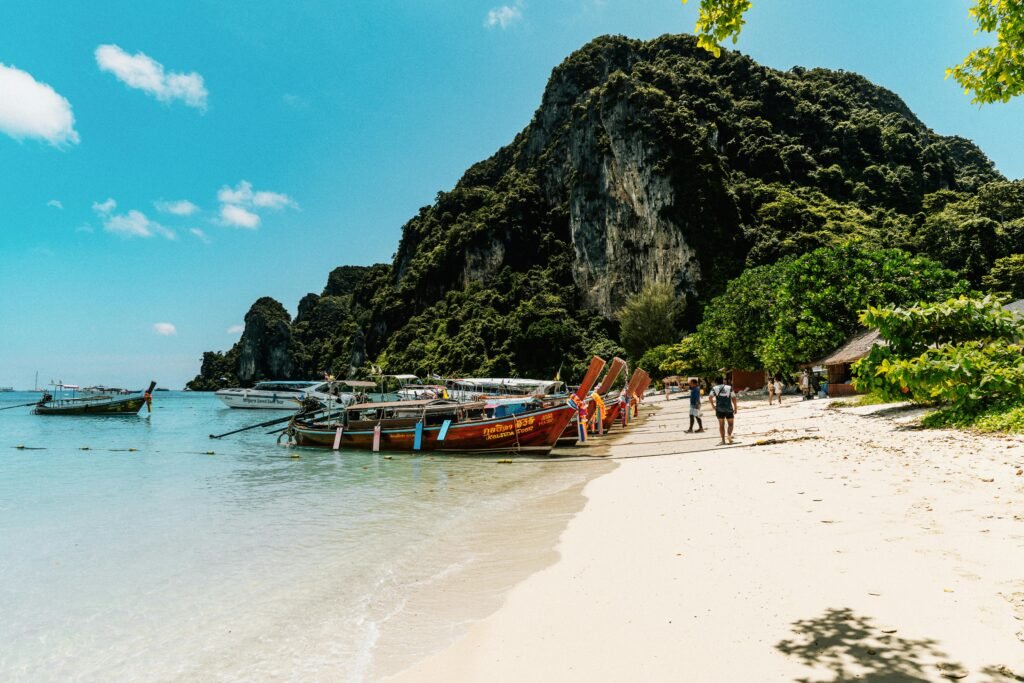
Thailand is a year-round destination, but your experience can feel completely different depending on when you visit. Weather, crowds, prices, island conditions, and even social atmosphere change dramatically throughout the year.
For solo travelers, timing matters more than most people realize.
The “best” time depends on what kind of trip you want:
- cheaper backpacking?
- island hopping?
- festivals?
- digital nomad lifestyle?
- nightlife?
- relaxed beaches without crowds?
I’ve visited Thailand during both peak season and rainy season, and honestly, they feel like two different countries. One offers postcard-perfect beaches and packed hostels, while the other gives quieter cafés, cheaper hotels, and dramatic tropical storms that can completely change your itinerary.
Peak Season
Thailand’s peak tourist season usually runs from November to February.
This is considered the best overall time for:
- comfortable temperatures
- low humidity
- island hopping
- beach travel
- sightseeing
- first-time solo travelers
Places like:
- Phuket
- Krabi
- Koh Samui
- Chiang Mai
- Bangkok
all feel more lively during these months.
Hostels become extremely social, island tours run smoothly, and the weather is generally ideal for exploring.
If you’re a first-time solo traveler, this is often the easiest season to travel because:
- transportation is more reliable
- ferry cancellations are less common
- beaches look their best
- it’s easier to meet travelers
The downside?
Peak season also means:
- higher hotel prices
- crowded beaches
- expensive flights
- busier nightlife
Popular islands like Phuket and Koh Phi Phi can feel overcrowded during Christmas and New Year periods.
One smart strategy is combining major tourist spots with quieter destinations like Pai or Krabi to avoid burnout from crowds.
Rainy Season
Thailand’s rainy season typically runs from May to October, though weather varies by region.
A lot of travelers avoid Thailand during this period — which is honestly a mistake.
Yes, heavy rain happens. But it usually comes in short bursts rather than all-day storms.
Rainy season advantages:
- cheaper hotels
- fewer crowds
- greener landscapes
- calmer tourist areas
- better deals on flights
Chiang Mai during rainy season can feel incredibly peaceful compared to the busy winter months.
That said, island travel becomes less predictable. Ferries may get delayed, ocean conditions can become rough, and some beach days simply won’t happen.
One thing many travelers underestimate is humidity. Bangkok can feel intensely hot and sticky during rainy season, especially for travelers not used to tropical climates.
If you travel during these months:
- carry lightweight waterproof gear
- use waterproof phone pouches
- leave flexibility in island itineraries
- avoid relying on tight ferry schedules
Cheapest Months
If your priority is budget travel, the cheapest months are usually:
- May
- June
- September
- October
These shoulder-season months offer some of the best value in Thailand.
You’ll often find:
- cheaper hotels
- discounted flights
- quieter hostels
- lower tour prices
This is especially helpful for:
- long-term travelers
- digital nomads
- backpackers
- slow travelers
I once stayed in a Chiang Mai boutique hotel during September for nearly half the price quoted in December.
The trade-off?
You may sacrifice:
- perfect beach weather
- crystal-clear island conditions
- social hostel atmosphere in some areas
But for many solo travelers, the lower prices and calmer vibe are worth it.
Best Time for Islands
Thailand’s islands don’t all share the same weather patterns, which confuses many first-time travelers.
For:
- Phuket
- Krabi
- Koh Phi Phi
the best weather is usually between November and April.
Meanwhile:
- Koh Samui
- Koh Phangan
- Koh Tao
often experience better conditions slightly later into the year.
This matters because many travelers assume “Thailand weather” works the same everywhere — it doesn’t.
If island hopping is your main goal:
- December to March is usually safest overall
- seas are calmer
- ferry delays are less frequent
- snorkeling visibility improves dramatically
And if you’re asking:
- “Which is cheaper, Phuket or Krabi?” → Krabi is generally cheaper.
- “Is Phuket or Krabi better for couples?” → Phuket is better for nightlife and resorts, while Krabi feels more peaceful and scenic.
For solo travelers, Krabi often feels less overwhelming and easier for slower travel.
Best Time for Festivals
Thailand’s festivals are one of the biggest reasons travelers fall in love with the country.
Some of the most famous include:
Songkran (April)
Thailand’s massive water festival.
Expect:
- nationwide water fights
- huge street parties
- chaotic fun
Bangkok and Chiang Mai become especially lively during this period.
Loy Krathong & Yi Peng (November)
Thailand’s lantern festivals.
Chiang Mai becomes magical with:
- floating lanterns
- candle-lit ceremonies
- riverside celebrations
This is one of the most photogenic times to visit Thailand.
Full Moon Parties (Monthly)
Held on Koh Phangan.
These attract thousands of backpackers but also increase:
- nightlife risks
- theft
- alcohol-related incidents
If attending:
- carry minimal valuables
- use waterproof pouches
- avoid bringing passports
Festivals can completely change the social atmosphere of a destination, making them excellent for solo travelers wanting to meet people naturally.
Pros & Cons of Solo Travel in Thailand
Thailand is one of the easiest countries in Asia for solo travel, but it’s not perfect.
Here’s the realistic trade-off.

| Pros | Cons |
|---|---|
| Affordable travel | Tourist scams exist |
| Friendly locals | Heavy traffic in cities |
| Great hostel culture | Party areas can feel unsafe late at night |
| Amazing street food | Language barriers outside tourist zones |
| Easy to meet travelers | Island hopping costs add up quickly |
| Strong tourism infrastructure | Scooter accidents are common |
| Beautiful beaches & islands | Overcrowding during peak season |
| Excellent for digital nomads | Humidity can feel exhausting |
For most travelers, the pros outweigh the cons heavily — especially if you travel smart and avoid common tourist mistakes.
Common Mistakes Solo Travelers Make in Thailand
Thailand feels easy to travel — and that’s exactly why some travelers become careless.
Most problems tourists face are avoidable and usually come from overconfidence rather than danger itself.
Here are the mistakes that consistently ruin trips.
Renting Scooters Without Insurance
This is probably the biggest mistake travelers make in Thailand.
Scooters look fun, cheap, and convenient — especially in places like:
- Pai
- Phuket
- Koh Samui
- Koh Tao
But Thailand has one of the highest road accident rates in Southeast Asia.
Many tourists:
- have no riding experience
- don’t wear helmets
- drive after drinking
- ignore mountain road conditions
I’ve met travelers whose entire Thailand budget disappeared after one scooter accident because their insurance didn’t cover motorbike injuries.
Before renting:
- confirm insurance coverage
- wear helmets properly
- avoid night driving
- never ride after drinking
If you’re inexperienced, Grab and public transport are safer choices.
Ignoring Local Etiquette
Thailand is known as the “Land of Smiles,” but respectful behavior matters deeply in Thai culture.
Common mistakes include:
- being aggressive during negotiations
- disrespecting temples
- touching people’s heads
- dressing inappropriately at religious sites
- raising voices publicly
Thai culture values calmness and politeness.
Travelers who stay respectful usually have far better experiences with locals.
One easy tip?
Learn basic Thai phrases like:
- “hello”
- “thank you”
- “sorry”
Small efforts go a long way.
Carrying Too Much Cash
Thailand is affordable, but carrying large amounts of cash is still risky.
Many travelers make the mistake of:
- storing all money together
- carrying passports everywhere
- leaving wallets unattended at beaches or hostels
Instead:
- split your cash
- use RFID wallets
- keep backup cards separately
- store passports securely at accommodations
A hidden money belt or anti-theft sling bag becomes surprisingly useful during busy travel days.
Drinking Too Much at Full Moon Parties
Thailand’s party culture can be incredibly fun — but overdoing it causes many tourist problems.
At Full Moon Parties and nightlife-heavy areas:
- theft increases
- scams become more common
- transportation decisions worsen
- injuries happen more frequently
One common mistake?
Bringing valuables directly onto beaches.
Better approach:
- carry minimal cash
- avoid bringing passports
- use waterproof pouches
- travel with groups when possible
Thailand nightlife is best enjoyed with awareness, not recklessness.
Booking Transport Last Minute
Thailand transportation is generally easy — until peak season arrives.
Many travelers assume:
- ferries will always have space
- buses can always be booked same day
- island transfers run perfectly
Then they end up:
- stranded during holidays
- paying inflated prices
- missing ferry connections
- taking unsafe rushed alternatives
This becomes especially common around:
- Christmas
- New Year
- Songkran
- Full Moon Party dates
Booking transportation even 2–3 days earlier can save money, stress, and bad travel decisions later.
Pro Safety Tips for Solo Travelers in Thailand
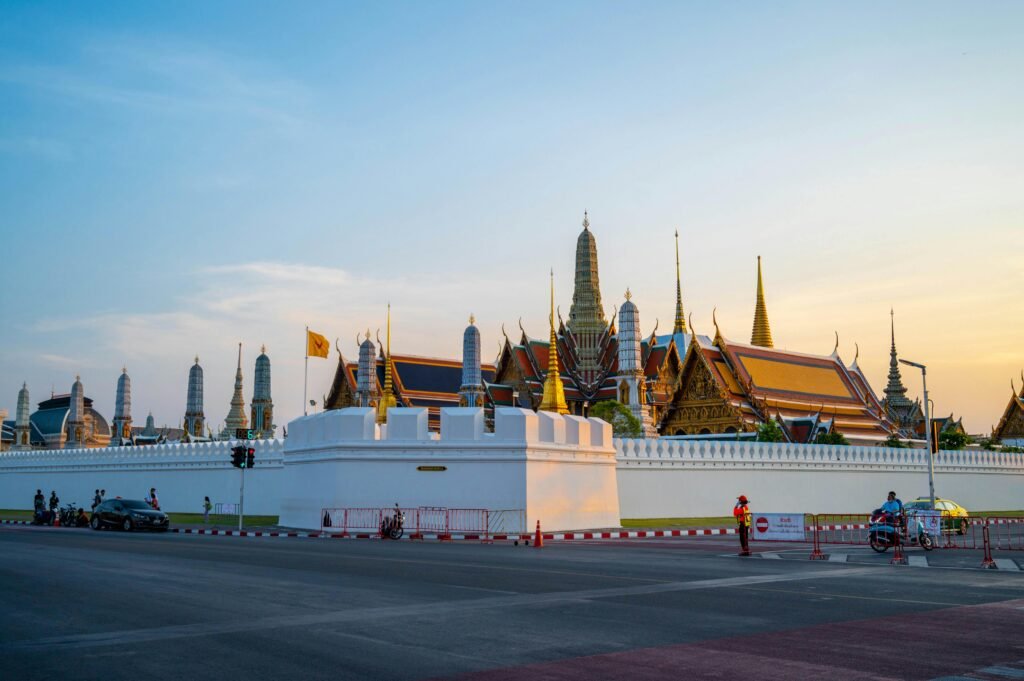
Thailand is one of the easiest countries in Asia for solo travel, but smart preparation still makes a massive difference. The safest travelers aren’t usually the luckiest ones — they’re the people who prepare for small problems before those problems happen.
These practical Thailand travel safety tips are simple, realistic, and based on situations travelers actually face every day.
Use eSIMs & Offline Maps
Staying connected is one of the simplest ways to make solo travel safer in Thailand. Reliable mobile data helps you book Grab rides, navigate unfamiliar streets, contact your accommodation, and access emergency information whenever you need it. If you’re unsure which option offers the best coverage and value, read our Thailand SIM card guide, where we compare AIS, DTAC, TrueMove H, eSIM providers, airport SIMs, and the best prepaid plans for different travel styles.
One of the smartest things you can do before landing in Thailand is setting up mobile data immediately.
Having internet access from the moment you arrive helps with:
- booking Grab taxis
- navigating Bangkok
- translating Thai phrases
- checking ferry schedules
- contacting accommodations
- avoiding tourist scams
Thailand’s airport WiFi works, but it’s not something you should rely on constantly.
Many solo travelers now prefer eSIMs because they eliminate the stress of finding physical SIM cards after long flights. Providers like Airalo and Holafly are especially popular among backpackers and digital nomads.
Offline maps are equally important.
I learned this the hard way after losing signal while trying to navigate smaller roads near Pai during rainy season. Since then, I always download:
- Google Maps offline areas
- hostel locations
- ferry terminals
- backup transportation routes
Offline maps become especially useful during:
- island travel
- rural areas
- weak mountain signals
- ferry delays
A portable charger also becomes incredibly valuable during long travel days between islands or overnight train rides.
Share Live Location
Solo travel doesn’t mean disappearing completely offline.
One habit experienced travelers use constantly is sharing live locations with:
- friends
- family
- trusted travel partners
This becomes especially important during:
- late-night transportation
- island transfers
- first-time scooter rides
- dating app meetups
- long overnight bus journeys
Apps like:
- Google Maps
- Find My iPhone
make live location sharing easy without feeling intrusive.
A traveler I met in Koh Tao once missed her ferry connection after arriving at the wrong pier late at night. Because her location was shared with friends, someone noticed quickly and helped her reroute safely before the last ferry left.
Thailand is generally safe, but small habits like this add an extra layer of security with almost no effort.
Keep Digital Copies of Documents
Losing your passport in Thailand can turn a relaxing trip into a stressful nightmare very quickly.
That’s why keeping digital backups is essential.
Before traveling, save digital copies of:
- passport
- visa documents
- travel insurance
- flight confirmations
- hotel bookings
- emergency contacts
Store them in:
- Google Drive
- Dropbox
- secure email folders
- password-protected cloud storage
Also keep screenshots available offline.
One common mistake travelers make is carrying passports everywhere. In most cases, a passport copy and phone image are enough while exploring cities or beaches.
This is especially important during:
- Full Moon Parties
- island hopping
- nightlife-heavy destinations
- scooter rentals
And never hand over your original passport unnecessarily to rental shops or tour operators.
Use Anti-Theft Bags
Thailand is not known for violent theft, but petty theft and pickpocketing still happen in crowded tourist areas.
Busy places like:
- Bangkok night markets
- Phuket nightlife streets
- ferry terminals
- Full Moon Parties
- weekend markets
can become easy targets for distracted tourists.
An anti-theft crossbody bag or hidden money pouch can help protect:
- passports
- phones
- cards
- cash
- portable chargers
I personally prefer lightweight sling bags with lockable zippers while traveling through crowded cities because they’re practical without feeling bulky.
Another underrated trick?
Never keep:
- passport
- wallet
- phone
- bank cards
all in the same place.
If one item disappears, your entire trip won’t collapse instantly.
For beach destinations, waterproof pouches are also extremely useful during:
- island tours
- ferry rides
- snorkeling trips
- kayaking excursions
Learn Basic Thai Phrases
You do not need to speak fluent Thai to travel safely in Thailand.
But learning a few basic phrases can improve your experience dramatically.
Simple phrases like:
- “hello” (Sawasdee)
- “thank you” (Khob khun)
- “how much?”
- “sorry”
- “no spicy”
go a surprisingly long way.
Thai culture values politeness and respectful communication, and locals usually appreciate even small attempts to speak the language.
Learning basic Thai phrases can also help:
- negotiate politely
- avoid misunderstandings
- navigate local markets
- build trust faster
One thing many travelers notice quickly is that calm, friendly communication works much better in Thailand than aggressive bargaining or frustration.
Buy Travel Insurance
If there’s one thing experienced travelers consistently recommend for Thailand, it’s travel insurance.
Most people assume they won’t need it — until:
- scooters crash
- ferries get canceled
- luggage disappears
- phones get stolen
- food poisoning hits unexpectedly
Thailand’s private hospitals are actually very good, especially in Bangkok and Phuket, but medical treatment without insurance can become expensive quickly.
This becomes even more important if:
- you plan to ride scooters
- island hop frequently
- attend beach parties
- do diving or adventure activities
One critical detail many travelers overlook?
Not all insurance policies cover motorbike accidents automatically.
Always check:
- scooter coverage
- medical evacuation
- theft protection
- activity coverage
- trip cancellation terms
A few dollars per day for travel insurance Thailand coverage can save thousands later.
And honestly, traveling feels far more relaxing when you know one bad moment won’t financially ruin your trip.
Thailand Safety Apps Every Solo Traveler Should Download

One of the reasons Thailand feels beginner-friendly for solo travelers is how much easier modern travel apps make everything. From booking safe transportation to navigating language barriers and tracking budgets, the right apps can genuinely reduce stress, save money, and improve safety throughout your trip.
Before arriving in Thailand, I always recommend downloading a few essential apps while you still have reliable airport WiFi or mobile data. Some of these become lifesavers during:
- late-night transportation
- ferry delays
- language misunderstandings
- ATM budgeting
- island hopping
- emergency situations
Here are the apps every solo traveler in Thailand should seriously consider using.
Grab
If you only download one Thailand travel app, make it Grab.
Grab is Southeast Asia’s version of Uber and is easily one of the best tools for improving Thailand transportation safety.
Instead of negotiating with random taxi drivers, Grab gives you:
- fixed pricing
- GPS-tracked rides
- cashless payments
- driver information
- route visibility
This dramatically reduces:
- taxi scams
- overcharging
- language confusion
- unsafe late-night transportation decisions
Grab is especially useful in:
- Bangkok
- Chiang Mai
- Phuket
- Pattaya
I personally rely on Grab constantly in Bangkok because traffic and taxi negotiations can become exhausting fast after long travel days.
One underrated benefit? Grab also offers food delivery, which becomes surprisingly useful during rainy days, late-night arrivals, or recovery mornings after overnight buses.
Best Use Case
- Airport pickups
- Late-night transportation
- Avoiding taxi scams
- Solo female travel safety
Google Translate
You do not need to speak Thai fluently to travel around Thailand comfortably — but Google Translate makes everyday travel dramatically easier.
The app helps with:
- menus
- transportation signs
- local conversations
- market negotiations
- emergency communication
One feature many travelers overlook is the camera translation tool. Point your phone at Thai menus or signs, and the app translates them instantly.
This becomes incredibly useful in:
- local food markets
- smaller towns
- non-touristy restaurants
- train stations
Even learning a few Thai phrases through Google Translate improves interactions with locals noticeably.
Simple words like:
- hello
- thank you
- sorry
go a long way in Thailand.
Best Use Case
- Ordering food
- Reading signs
- Local market communication
- Rural destinations
Maps.me
Google Maps works well in Thailand, but Maps.me becomes extremely useful when internet connections fail.
The app allows travelers to download full offline maps, which is incredibly helpful during:
- island travel
- ferry rides
- mountain routes near Pai
- weak signal areas
- long road trips
I once lost signal while navigating roads outside Pai during rainy season, and offline maps completely saved the situation.
Maps.me is especially popular among:
- backpackers
- hikers
- motorbike travelers
- island hoppers
Offline navigation reduces stress significantly when traveling solo because you’re not constantly dependent on mobile data.
Best Use Case
- Offline navigation
- Island travel
- Remote destinations
- Mountain roads
XE Currency
Thailand is affordable, but constantly converting Thai baht mentally becomes surprisingly confusing — especially during long trips.
XE Currency helps travelers:
- convert prices instantly
- avoid overpaying
- track spending
- manage budgets
This is particularly useful when:
- bargaining at markets
- comparing tour prices
- checking accommodation costs
- managing backpacker budgets
Many travelers underestimate how quickly small Thailand expenses add up:
- taxis
- ferries
- smoothies
- island tours
- ATM fees
Using a currency converter app helps maintain realistic budget awareness during solo travel.
Best Use Case
- Budget tracking
- Market shopping
- Tour comparisons
- Backpacking expenses
12Go Asia
12Go Asia is one of the best transportation booking platforms for Southeast Asia.
It allows travelers to book:
- trains
- ferries
- buses
- island transfers
- domestic transportation
all in one place.
This becomes especially useful during:
- peak season
- Full Moon Party periods
- island hopping routes
- overnight train bookings
One major mistake travelers make in Thailand is assuming transportation will always be available last minute.
During holidays and busy travel periods, ferries and trains can sell out quickly.
12Go Asia helps solo travelers:
- compare routes
- avoid transport scams
- plan connections more efficiently
- reduce stressful same-day bookings
Best Use Case
- Island hopping
- Sleeper train reservations
- Ferry bookings
- Multi-city Thailand itineraries
Why These Apps Matter for Solo Travel Safety
Thailand is already beginner-friendly, but these apps make independent travel significantly smoother and safer.
Together, they help travelers:
- avoid scams
- navigate confidently
- reduce transportation stress
- stay connected
- manage emergencies
- travel more independently
And honestly, the more smoothly logistics work, the more enjoyable solo travel becomes. Instead of worrying about taxis, language barriers, or getting lost, you can focus on what Thailand does best:
- amazing food
- beautiful islands
- night markets
- social travel experiences
- unforgettable adventures.
Thailand Emergency Information for Tourists
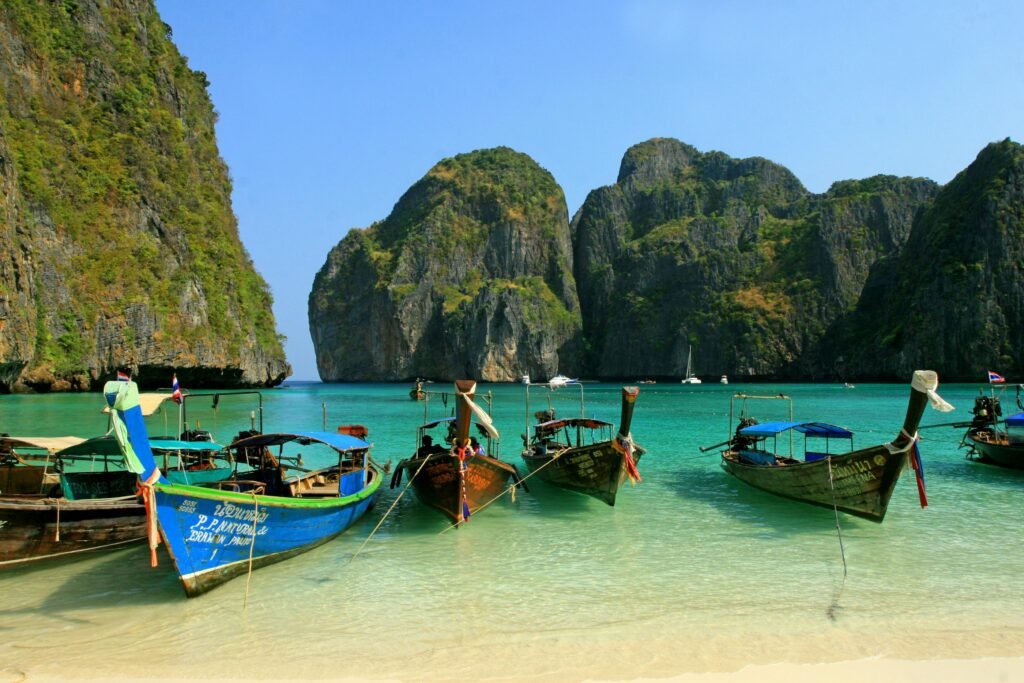
Thailand is generally safe for travelers, but knowing what to do during an emergency can save time, reduce stress, and prevent small problems from turning into major ones.
Most tourists never need emergency assistance in Thailand — but smart solo travelers prepare for situations before they happen.
Whether it’s:
- losing a passport
- getting sick
- dealing with theft
- transportation accidents
- emergency medical help
having quick access to the right information makes a huge difference.
One thing I always recommend before arriving in Thailand?
Save emergency contacts directly into your phone and keep screenshots available offline. Internet connections aren’t always reliable during island travel or long transport days.
Emergency Numbers
Thailand’s emergency services are generally reliable in major tourist areas, especially in Bangkok, Chiang Mai, Phuket, and Koh Samui.
Here are the most important numbers every traveler should save:
| Emergency Service | Number |
|---|---|
| General Emergency | 191 |
| Tourist Police | 1155 |
| Ambulance & Medical Emergency | 1669 |
| Fire Department | 199 |
| Highway Police | 1193 |
The Tourist Police hotline is especially useful because many operators speak English and are trained to assist international travelers.
A smart travel tip?
Save these numbers directly in your contacts before your flight.
Also keep:
- hotel address screenshots
- embassy contact details
- travel insurance information
- passport copies
stored offline on your phone.
Tourist Police
Thailand’s Tourist Police are specifically designed to help international visitors.
They assist with:
- scams
- lost belongings
- transportation disputes
- theft
- emergency translation help
- safety concerns
The Tourist Police are common in:
- Bangkok
- Phuket
- Pattaya
- Chiang Mai
- major beach destinations
And unlike regular emergency systems in some countries, they’re generally approachable for tourists unfamiliar with local procedures.
If you experience:
- taxi scams
- aggressive tourist vendors
- lost passports
- suspicious tour operators
the Tourist Police are often the best first contact.
One thing many travelers don’t realize?
Even the presence of Tourist Police in nightlife areas often helps reduce serious tourist-related incidents.
That said, for smaller disputes like minor overcharging, staying calm and leaving the situation is usually smarter than escalating aggressively.
Thailand responds much better to calm communication than confrontation.
Embassy Information
If you’re traveling internationally, your embassy becomes extremely important during serious emergencies.
Embassies can help with:
- lost or stolen passports
- emergency travel documents
- legal emergencies
- family emergencies
- major medical situations
Before your trip:
- save your embassy address
- screenshot phone numbers
- register travel details if your country offers traveler registration systems
Major embassies are usually located in Bangkok, including:
- United States Embassy
- British Embassy
- Indian Embassy
- Australian Embassy
- Canadian Embassy
If you’re island hopping far from Bangkok, embassy support may still require traveling back to the capital for document replacement.
One practical tip many experienced travelers follow:
Carry a printed photocopy of your passport separately from the original.
This makes embassy replacement processes much smoother if the original disappears.
What to Do if You Lose Your Passport
Losing a passport in Thailand feels stressful — but it happens more often than travelers think, especially during:
- nightlife outings
- island hopping
- beach parties
- overnight transport
- rushed hotel checkouts
The good news?
Thailand’s tourism infrastructure makes replacement processes relatively manageable if you stay calm.
Step 1: File a Police Report
Visit the nearest police station or Tourist Police office immediately.
You’ll usually need:
- passport copy (digital or printed)
- visa information
- accommodation details
The police report becomes essential for embassy replacement procedures.
Step 2: Contact Your Embassy
Your embassy can issue:
- emergency travel documents
- temporary passports
- replacement guidance
Most embassies will ask for:
- passport photos
- identification copies
- police reports
Step 3: Contact Airlines & Hotels
If flights or bookings are approaching, inform airlines and accommodations immediately.
Some travelers lose valuable time assuming replacement documents happen instantly.
Step 4: Protect Your Finances
If your passport was stolen alongside:
- bank cards
- wallets
- phones
freeze cards immediately and update banking security.
One reason anti-theft bags and hidden money pouches are so useful in Thailand is because replacing lost documents during island travel can become extremely expensive and time-consuming.
Pro Emergency Preparation Tips for Solo Travelers
Before traveling around Thailand:
- upload passport scans to cloud storage
- save emergency numbers offline
- carry backup payment methods
- keep digital travel insurance copies
- share itinerary details with someone trusted
- avoid carrying all valuables together
Thailand is incredibly rewarding for solo travel — and with a little preparation, even unexpected situations become much easier to manage.
Final Verdict: Should You Travel Solo in Thailand?
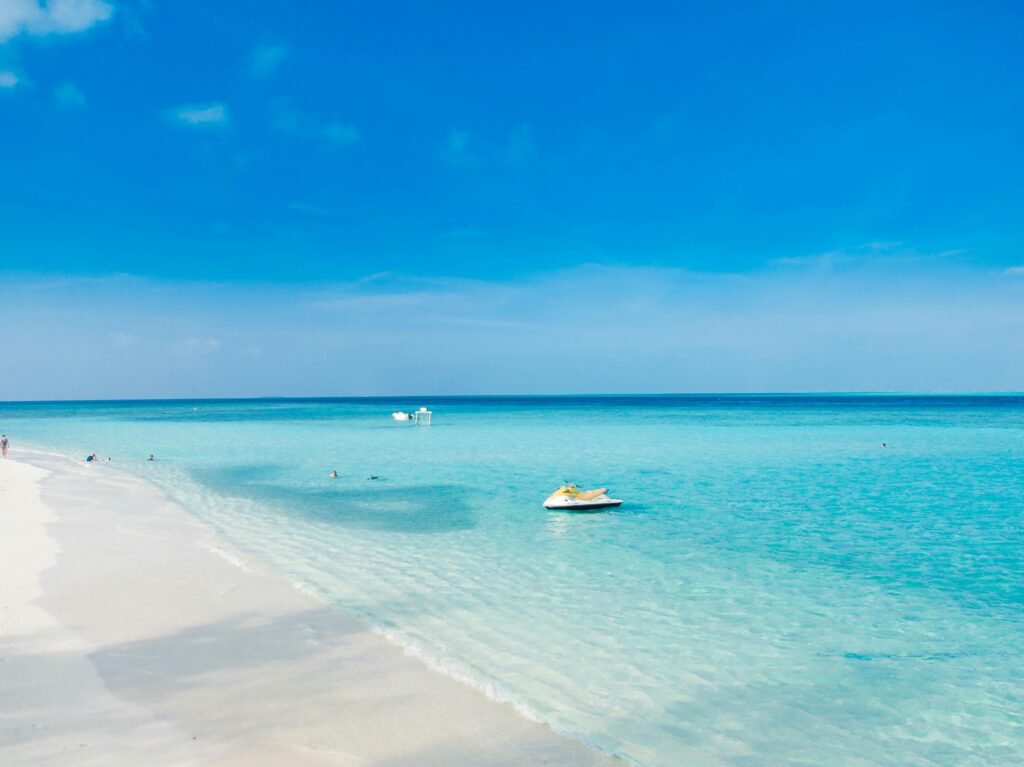
For most travelers, the answer is absolutely yes.
Thailand remains one of the best countries in the world for solo travel because it offers something many destinations struggle to balance: adventure without overwhelming difficulty. You get tropical islands, incredible food, social hostels, vibrant nightlife, mountain towns, and strong tourism infrastructure — all while traveling on a relatively affordable budget.
What makes Thailand especially beginner-friendly is how easy it is to adapt quickly. Even nervous first-time travelers usually settle into the rhythm of Thailand within a few days.
You’ll quickly realize:
- transportation is easier than expected
- meeting travelers happens naturally
- street food is affordable and accessible
- hostels are social
- tourist areas are well-developed
- apps like Grab simplify daily travel
That said, Thailand rewards travelers who stay aware.
The people who struggle most are usually not unlucky — they’re careless.
Most travel problems here come from:
- scooter accidents
- nightlife mistakes
- tourist scams
- poor budgeting
- overconfidence
If you travel smart, Thailand can easily become one of the most enjoyable solo travel experiences you’ll ever have.
I’ve personally met travelers who arrived planning to stay for one week and ended up extending for months because the country simply makes long-term solo travel feel easy.
Best for:
Thailand is especially ideal for:
First-Time Solo Travelers
Thailand is often considered the perfect “starter” destination for people traveling alone internationally for the first time.
Why?
- easy transportation
- affordable travel
- strong backpacker culture
- social hostels
- reliable tourism infrastructure
You’re rarely isolated for long, which helps nervous travelers build confidence quickly.
Digital Nomads
Thailand is one of the world’s top digital nomad destinations.
Cities like:
- Chiang Mai
- Bangkok
- Phuket
- Koh Samui
offer:
- fast WiFi
- coworking cafés
- affordable apartments
- huge remote-work communities
Chiang Mai especially remains popular for long-term travelers balancing work and lifestyle.
Budget Backpackers
Thailand continues to be one of the best-value countries for backpacking.
You can comfortably travel on modest budgets while still enjoying:
- island hopping
- amazing food
- nightlife
- social experiences
- beautiful accommodations
Backpacker culture is deeply built into Thailand’s tourism scene, making it easy to travel cheaply without feeling isolated.
Female Travelers
Thailand is also one of the strongest destinations in Asia for solo female travel.
Places like:
- Chiang Mai
- Krabi
- Koh Samui
are particularly popular because they feel:
- relaxed
- walkable
- tourist-friendly
- socially comfortable
As long as travelers follow normal precautions regarding nightlife and transportation, solo female travel in Thailand is generally very manageable.
Avoid If:
Thailand may not be the best fit if:
You Dislike Nightlife-Heavy Environments
Some tourist destinations — especially:
- Patong Beach
- Khao San Road
- Full Moon Party areas
can feel loud, crowded, and heavily party-focused.
If you prefer extremely quiet travel experiences, you may enjoy:
- northern Thailand
- smaller islands
- wellness-focused destinations
far more than nightlife hubs.
You’re Uncomfortable Negotiating or Scam Awareness
Thailand is safe overall, but small tourist scams are part of the travel experience in some areas.
You’ll occasionally encounter:
- tuk tuk overcharging
- inflated taxi prices
- aggressive tour sellers
- tourist trap pricing
Travelers who feel uncomfortable saying “no” or negotiating politely may initially find these situations frustrating.
The good news?
Once you understand the basics, most scams become easy to avoid.
FAQ Section
Is Thailand safe for solo female travelers?
Yes, Thailand is generally safe for solo female travelers, especially in tourist-friendly areas like Chiang Mai, Bangkok, Krabi, and Koh Samui. Basic precautions such as avoiding isolated areas late at night, using trusted transportation apps like Grab, and choosing well-reviewed accommodations are strongly recommended.
Is Bangkok safe at night for tourists?
Most tourist areas in Bangkok are safe at night, particularly places like Sukhumvit, Siam, and Silom. However, travelers should stay alert in nightlife-heavy districts, avoid excessive drinking, and use Grab instead of unlicensed taxis late at night.
What scams should tourists avoid in Thailand?
The most common Thailand tourist scams include:
- tuk tuk overcharging
- fake temple closure scams
- jet ski damage scams
- taxi meter refusal
- fake tour operators
Always confirm prices beforehand and book transportation or tours through trusted platforms whenever possible.
Is Thailand expensive for solo travelers?
No — Thailand remains one of the most affordable destinations for solo travel. Backpackers can comfortably travel on around $30–50 per day, while mid-range travelers may spend $70–150 daily depending on accommodation style, nightlife, and island activities.
What is the safest city in Thailand for solo travelers?
Chiang Mai is often considered one of the safest cities in Thailand for solo travelers because of its relaxed atmosphere, digital nomad community, walkable neighborhoods, and calmer nightlife scene compared to busier beach destinations.
Is public transportation safe in Thailand?
Yes, public transportation in Thailand is generally safe and tourist-friendly. BTS Skytrain, MRT subway systems, sleeper trains, ferries, and Grab rides are among the safest transportation options in major cities and tourist destinations.
Do solo travelers need travel insurance in Thailand?
Yes. Travel insurance is highly recommended for Thailand, especially for:
- scooter accidents
- medical emergencies
- lost luggage
- trip delays
- island transportation issues
Always check whether your policy includes motorbike or adventure activity coverage before traveling.
Is Phuket or Krabi better for solo travelers?
Both destinations are popular, but they offer very different experiences. Phuket is better for nightlife, luxury resorts, and convenience, while Krabi feels calmer, cheaper, and more relaxed for solo travelers seeking slower-paced travel and scenic beaches.
Which is cheaper, Phuket or Krabi?
Krabi is generally cheaper than Phuket for:
- accommodation
- local food
- transportation
- tours
Phuket tends to have higher prices because of its larger tourism industry and luxury travel focus.
How can solo travelers stay safe in Thailand?
The best Thailand safety tips for solo travelers include:
- using Grab for transportation
- avoiding scooter rentals without experience
- carrying anti-theft bags
- keeping digital passport copies
- using travel insurance
- staying aware during nightlife activities
Most travelers who use basic precautions have extremely positive experiences in Thailand.