
Landing in Thailand without mobile data is one of those travel mistakes you only make once. I learned this the hard way after arriving at Suvarnabhumi Airport in Bangkok at midnight, trying to book a Grab ride with patchy airport Wi-Fi while taxi drivers quoted inflated prices. Since then, getting a Thailand tourist SIM card has become the first thing I do after immigration.
The good news? Staying connected in Thailand is incredibly easy, affordable, and much better in 2026 than it was even a few years ago. Whether you need unlimited TikTok scrolling in Bangkok, reliable Google Maps in Phuket, or fast hotspot speeds for remote work in Chiang Mai, there’s now a Thailand SIM card for tourists that fits every travel style and budget.
If you’re wondering which SIM card is best for tourists in Thailand, the short answer is this:
- AIS → Best overall coverage and speed
- DTAC → Best budget-friendly tourist plans
- TrueMove H → Great for streaming and urban travel
- eSIM Thailand providers → Best for convenience before arrival
For most travelers, I personally recommend AIS. During island hopping trips through Krabi and Koh Phi Phi, AIS consistently gave me stronger signal coverage than DTAC, especially on ferries and quieter beaches where weaker networks struggled. If you’re planning to work remotely or rely heavily on maps and ride-hailing apps, that extra reliability matters more than saving a few dollars.
That said, your ideal Thailand prepaid SIM depends on how you travel.
A backpacker staying 7 days in Bangkok and Phuket might only need a cheap tourist data package. A digital nomad working from cafés in Chiang Mai will care more about hotspot limits and 5G speeds. Families often prefer an eSIM Thailand setup because it avoids swapping physical SIM cards entirely.
Another big question travelers ask is whether to buy a SIM before departure or after landing. In my experience, buying a Thailand SIM card at Bangkok airport is convenient but slightly overpriced. Airport kiosks from AIS, DTAC, and TrueMove are open late and staff usually activate everything for you in under 10 minutes. But if you want the cheapest Thailand SIM card with unlimited data, ordering an eSIM online before your flight is often smarter.
One mistake I see constantly? Travelers assuming international roaming will be “good enough.” It rarely is. Roaming plans from foreign carriers are usually slower, more expensive, and less reliable than a local Thailand internet SIM. On one trip to Phuket, my roaming package barely loaded Google Maps near Kata Beach while my local Thai SIM worked perfectly.
Thailand’s telecom infrastructure is surprisingly strong now, especially in tourist areas. Most major cities have fast 5G Thailand SIM coverage, and even smaller islands offer stable mobile internet in Thailand for streaming, navigation, and video calls.
If this is your first visit, our First-Time Thailand Travel Guide is the perfect companion to this SIM card guide. It covers everything from visa requirements and transportation to budgeting, destination planning, safety tips, and essential travel advice, helping you prepare for a smooth and stress-free trip across Thailand.
In this complete Thailand SIM Card Guide, I’ll break down:
- AIS vs DTAC vs TrueMove comparisons
- Best eSIM for Thailand travel
- Real pricing
- Airport buying tips
- Coverage in Phuket, Bangkok, Krabi, and Chiang Mai
- Common tourist mistakes to avoid
- The best Thailand mobile data plans for every type of traveler
And if you’re carrying multiple devices, don’t forget a lightweight portable charger or waterproof pouch — both become lifesavers during long island tours and ferry rides when you’re relying heavily on mobile data and navigation apps.
Table of Contents
ToggleWhich Thailand SIM Card Is Best?

If you just want the fastest recommendation without reading the full guide, here’s the short answer based on real-world travel experience across Bangkok, Phuket, Krabi, Chiang Mai, and Thailand’s islands.
For most travelers, AIS is the best SIM card in Thailand thanks to its strong nationwide coverage, reliable 5G speeds, and excellent performance in remote islands and ferry routes. However, the right Thailand tourist SIM card still depends on your travel style, budget, and how heavily you use mobile data.
Best Thailand SIM Card for Tourists
| Traveler Type | Best Thailand SIM | Why It’s Best |
|---|---|---|
| Budget Travelers | DTAC | Cheapest Thailand prepaid SIM plans with good city coverage |
| Best Overall Coverage | AIS | Strongest Thailand network coverage nationwide |
| Best for Islands | AIS | Reliable signal in Phuket, Krabi, Koh Phi Phi & ferries |
| Best eSIM Thailand Option | Airalo / Nomad | Instant setup before arrival, no physical SIM swapping |
| Heavy Streaming & Urban Use | TrueMove H | Fast speeds in Bangkok and large cities |
| Digital Nomads | AIS Unlimited | Stable hotspot support and strong 5G Thailand SIM performance |
Which SIM Card Is Best for Tourists in Thailand?
AIS is the best Thailand SIM card for most tourists because it offers the strongest coverage, fast mobile internet in Thailand, reliable 5G speeds, and better performance in islands and rural areas.
I noticed this personally while island hopping between Krabi and Koh Phi Phi. Friends using cheaper tourist SIM packages on other networks struggled with weak signal during ferry transfers, while my AIS Thailand travel SIM continued working for Google Maps, Grab, and WhatsApp calls almost the entire journey.
That said, if your priority is saving money, DTAC still offers excellent value for short trips. It’s especially good for travelers spending most of their time in Bangkok, Chiang Mai, or other urban areas where coverage is already strong.
For travelers who hate swapping physical SIM cards, an eSIM Thailand plan from Airalo or Nomad is easily the most convenient option. You can activate your Thailand internet SIM before boarding your flight and land with instant connectivity — incredibly useful when booking airport transfers or navigating Bangkok airport SIM kiosks late at night.
My Quick Recommendation
- Choose AIS if you want the safest all-around choice.
- Choose DTAC if you want the cheapest Thailand SIM card with solid city coverage.
- Choose TrueMove H if streaming, gaming, or high-speed Bangkok usage matters most.
- Choose an eSIM if convenience is more important than saving a few dollars.
If you’re carrying multiple devices or planning long ferry rides and day tours, a compact portable charger becomes surprisingly useful since navigation apps, hotspot sharing, and constant mobile internet access in Thailand drain battery quickly.
Thailand SIM Card Basics Explained

If this is your first time traveling to Thailand, the world of tourist SIM cards, eSIMs, roaming plans, and prepaid mobile data can feel unnecessarily confusing. The good news is that Thailand is actually one of the easiest countries in Asia to stay connected in — even for first-time international travelers.
Whether you’re landing in Bangkok for a short vacation, backpacking through Phuket and Krabi, or working remotely from Chiang Mai cafés, having reliable mobile internet in Thailand makes your trip dramatically smoother. From booking Grab rides to translating menus and navigating island ferries, a good Thailand prepaid SIM quickly becomes an essential travel tool rather than a luxury.
Do Tourists Need a SIM Card in Thailand?
Technically, no — but realistically, yes.
You can rely on hotel Wi-Fi and occasional café internet, but most travelers regret not getting a Thailand tourist SIM card sooner. Public Wi-Fi in Thailand is inconsistent, often slow, and not always secure. At airports and tourist hotspots, connections frequently drop when networks become crowded.
I noticed this immediately after arriving at Suvarnabhumi Airport. The free airport Wi-Fi disconnected twice while I was trying to book a Grab ride into Bangkok, and taxi drivers nearby were quoting inflated late-night fares. Once I activated a local Thai SIM card, the entire experience became easier within minutes.
A local Thailand internet SIM is especially useful for:
- Google Maps navigation
- Grab ride bookings
- Food delivery apps
- WhatsApp and video calls
- Real-time translation apps
- Ferry and train bookings
- Remote work and hotspot tethering
If you plan on visiting islands like Koh Phi Phi or traveling between Phuket and Krabi, mobile data becomes even more important because transportation schedules and pickup points can change quickly.
For most travelers, buying a Thailand SIM card for tourists is far cheaper and more reliable than international roaming.
eSIM vs Physical SIM in Thailand
One of the biggest travel connectivity questions is:
Should you choose a Thailand eSIM or a physical SIM card?
The answer depends on your phone and travel style.
Thailand eSIM: Best for Convenience
An eSIM Thailand plan allows you to activate mobile data digitally without inserting a physical SIM card. You simply scan a QR code before departure and land in Thailand with instant internet access.
eSIMs are ideal for:
- Frequent travelers
- Digital nomads
- Families sharing devices
- Travelers arriving late at night
- Anyone who wants internet immediately after landing
I now use eSIMs for most Southeast Asia trips because they eliminate airport kiosk queues entirely. After landing, I can instantly open Grab, check hotel directions, or contact my Airbnb host without hunting for Wi-Fi.
Physical Thailand SIM: Best for Value
A traditional Thailand prepaid SIM is usually slightly cheaper and sometimes offers better long-term unlimited data plans.
Physical SIMs work well for:
- Budget travelers
- Longer stays
- Older phones without eSIM support
- Heavy data users
AIS, DTAC, and TrueMove all sell tourist SIM packages at Bangkok airport SIM kiosks, convenience stores, and official telecom shops.
Can You Use International Roaming Instead?
You can — but I rarely recommend it.
International roaming sounds convenient until you see the speeds and pricing. In many cases, roaming plans are:
- significantly more expensive
- slower than local Thailand cellular plans
- limited by hidden data caps
- unreliable outside major cities
During a trip to Phuket, my international roaming package struggled to load Google Maps near Kata Beach, while my local AIS Thailand travel SIM worked perfectly even during ferry transfers.
If you only need occasional internet for a one-day layover, roaming might be acceptable. But for most travelers spending several days in Thailand, a local SIM or travel eSIM Asia plan is the smarter choice financially and practically.
Quick Travel Tip
Before your flight:
- make sure your phone is unlocked
- check eSIM compatibility
- download offline Google Maps for Bangkok or Phuket
- carry a compact portable charger for long sightseeing days
Reliable travel connectivity in Thailand can save you time, money, and unnecessary stress — especially during airport arrivals and island transfers.
Best Thailand SIM Card Providers Compared

Choosing the right Thailand tourist SIM card can make a huge difference to your trip — especially if you’re relying on mobile data for Grab rides, Google Maps, island ferry schedules, or remote work. After testing multiple providers across Bangkok, Phuket, Krabi, Chiang Mai, and smaller islands, I’ve noticed that each Thailand telecom provider has clear strengths depending on how you travel.
If you’re searching for the best SIM card in Thailand, here’s the short version:
| Provider | Best For | Main Advantage | Potential Drawback |
|---|---|---|---|
| AIS | Overall coverage | Strongest nationwide signal | Slightly pricier |
| DTAC | Budget travelers | Cheapest tourist plans | Weaker rural coverage |
| TrueMove H | Streaming & cities | Fast urban speeds | Less consistent on islands |
| Airalo/Nomad | eSIM convenience | Instant setup before arrival | Slightly higher cost |
For most travelers, AIS still offers the best balance of speed, reliability, and coverage — especially if you’re island hopping or traveling outside major cities.
AIS Tourist SIM
If you want the safest all-around option, AIS is usually the best Thailand SIM card for tourists in 2026.
Coverage Quality
AIS consistently has the strongest Thailand network coverage, especially in:
- Phuket
- Krabi
- Koh Phi Phi
- Chiang Mai
- Rural islands and ferry routes
During one ferry ride between Krabi and Koh Phi Phi, friends using DTAC lost signal repeatedly while my AIS Thailand prepaid SIM continued working well enough for maps and WhatsApp calls.
Speed Tests
AIS regularly delivers:
- strong 5G Thailand SIM speeds in Bangkok
- stable video call quality
- reliable hotspot tethering for laptops
It’s particularly good for digital nomads and remote workers who need dependable travel connectivity in Thailand.
Pricing
AIS tourist packages are slightly more expensive than DTAC, but the difference is usually minor compared to the improved reliability.
Typical plans include:
- 7-day tourist SIMs
- unlimited social media access
- 15-day and 30-day prepaid mobile plans Thailand
- high-speed 5G packages
Best For
- Digital nomads
- Island hopping trips
- Long-distance travel
- Travelers needing reliable Google Maps and Grab access
DTAC Happy Tourist SIM
DTAC remains one of the most popular Thailand tourist SIM cards because it offers excellent value for budget-conscious travelers.
Cheapest Plans
If your goal is finding the cheapest Thailand SIM card with unlimited data, DTAC often has the best short-trip pricing.
It’s especially popular among:
- backpackers
- solo travelers
- short-term visitors
- budget Thailand itineraries
Urban Performance
In Bangkok, Pattaya, and Chiang Mai, DTAC performs surprisingly well for:
- social media
- navigation
- YouTube streaming
- food delivery apps
However, coverage becomes less reliable in remote beaches, ferries, and smaller islands.
Tourist Perks
DTAC tourist SIM packages sometimes include:
- free social apps
- discounted calls
- airport activation help
- multilingual customer support
Best For
- Budget travelers
- City-focused itineraries
- Thailand SIM card for 7 days
- Travelers who don’t need heavy hotspot usage
TrueMove H Tourist SIM
TrueMove H is often overlooked, but it performs extremely well in dense urban areas and for high-speed entertainment usage.
Streaming Benefits
If you stream heavily on:
- Netflix
- YouTube
- TikTok
- Instagram Reels
TrueMove H often delivers excellent speeds in Bangkok and shopping mall districts.
5G Availability
TrueMove has strong 5G Thailand SIM infrastructure in:
- Bangkok
- Phuket
- major tourist zones
- transportation hubs
Network Stability
While city speeds are impressive, I noticed occasional signal drops during island transfers and remote coastal routes compared to AIS.
Best For
- Heavy streaming
- Urban travelers
- Bangkok-focused trips
- Short vacations with high data usage
Best eSIM Providers for Thailand
For many travelers, a physical SIM card is no longer necessary. The rise of Thailand eSIM providers has made travel connectivity dramatically easier.
If your phone supports eSIM technology, activating mobile internet before departure can save time immediately after landing.
| eSIM Provider | Best Feature | Best For |
|---|---|---|
| Airalo | Easy setup | First-time travelers |
| Nomad | Competitive pricing | Budget eSIM users |
| Holafly | Unlimited data plans | Heavy data users |
| GigSky | Flexible international plans | Multi-country trips |
Airalo
Best overall eSIM Thailand option for simplicity and reliability.
Nomad
Usually cheaper than Airalo while still offering good Thailand mobile data plans.
Holafly
Popular for travelers wanting “unlimited” data, though fair usage limits may apply.
GigSky
Useful for travelers visiting multiple Asian countries on the same trip.
My Real-World Recommendation
If someone asked me today:
“Which SIM card is best for tourists in Thailand?”
I’d recommend:
- AIS for reliability and island coverage
- DTAC for budget city trips
- TrueMove H for streaming-heavy urban use
- Airalo or Nomad for instant eSIM convenience
And if you plan on using mobile internet heavily during long sightseeing days, ferry rides, or overnight bus journeys, carrying a compact portable charger becomes surprisingly essential.
Thailand SIM Card Price Guide
One of the best things about staying connected in Thailand is how affordable mobile data still is compared to many other tourist destinations. Whether you’re a backpacker trying to minimize costs or a digital nomad needing unlimited hotspot data, there’s a Thailand tourist SIM card for almost every budget.
That said, prices can vary dramatically depending on where you buy your SIM, which provider you choose, and whether you go with a physical SIM or an eSIM Thailand plan. I’ve personally seen travelers pay nearly double at airport kiosks simply because they didn’t know local pricing beforehand.
If you’re wondering about the cost of a SIM card in Thailand, here’s what you should realistically expect.
Airport SIM Prices
Buying a Thailand SIM card at Bangkok airport is by far the easiest option after landing.
At Suvarnabhumi and Don Mueang airports, you’ll find AIS, DTAC, and TrueMove kiosks immediately after baggage claim. Staff usually handle:
- SIM installation
- passport registration
- activation
- APN setup
- basic troubleshooting
The convenience is excellent, especially after long-haul flights or late-night arrivals.
Typical airport tourist SIM prices:
| Plan Type | Average Price |
|---|---|
| 7-Day Tourist SIM | 299–399 THB |
| 15-Day Tourist SIM | 599–699 THB |
| Unlimited Data Packages | 899–1,299 THB |
Airport plans often include:
- unlimited social media apps
- free local calls
- 5G Thailand SIM access
- tourist perks
Airport Tip
AIS counters usually have the shortest wait times early morning, while DTAC queues can become crowded during peak international arrival hours.
Local Store Prices
If you want a cheap Thailand SIM, buying outside the airport is often the smarter option.
You can purchase Thailand prepaid SIM cards from:
- 7-Eleven stores
- telecom shops
- shopping malls
- official AIS/DTAC/TrueMove branches
Local prices are typically 15–30% cheaper than airport kiosks.
Typical city pricing:
| Plan Type | Average Price |
|---|---|
| Basic Tourist SIM | 199–299 THB |
| 15-Day Data Plan | 399–599 THB |
| Unlimited Data Plans | 699–999 THB |
In Bangkok malls like MBK Center or Terminal 21, telecom stores occasionally offer bonus data promotions that tourists rarely see advertised online.
Money-Saving Tip
Avoid random street resellers near tourist hotspots in Phuket or Pattaya. Some activate slower packages while charging premium “tourist pricing.”
eSIM Pricing
Thailand eSIM plans are becoming the preferred option for many international travelers because they eliminate the hassle of swapping physical SIM cards.
Typical eSIM pricing:
| Provider | Estimated Cost |
|---|---|
| Airalo | $5–$25 |
| Nomad | $6–$22 |
| Holafly | $19–$47 |
| GigSky | Variable multi-country pricing |
eSIMs are slightly more expensive than local Thailand prepaid SIMs, but the convenience is worth it for many travelers.
The biggest advantage?
You can activate your Thailand travel SIM before departure and land with instant internet access for:
- Grab rides
- hotel communication
- airport navigation
- currency conversion
- Google Maps
For first-time visitors arriving late at night, this convenience alone can save a surprising amount of stress.
Unlimited Data Plans
Many Thailand telecom providers advertise “unlimited data,” but there’s an important detail most tourists miss:
Some plans reduce speeds after reaching a fair usage limit.
Typical unlimited plans include:
- unlimited browsing
- capped high-speed data
- social media bonuses
- hotspot restrictions on cheaper packages
AIS generally offers the most stable unlimited Thailand mobile data plans, especially for:
- digital nomads
- hotspot users
- long-term travelers
- remote workers
If you plan to upload videos, stream Netflix, or work remotely from Thailand cafés, paying slightly more for premium data speeds is usually worth it.
Hidden Charges to Watch For
Thailand is affordable, but tourists still get caught by avoidable mobile data mistakes.
Here are the most common hidden charges and traps:
Overpriced Airport Upsells
Some kiosks aggressively push expensive “premium” tourist packages that most travelers don’t actually need.
Roaming Charges
Leaving your home SIM active can accidentally trigger international roaming fees.
Speed Throttling
“Unlimited” plans may slow dramatically after heavy usage.
eSIM Compatibility Issues
Older phones may not support travel eSIM Asia providers.
SIM Replacement Fees
Losing a physical SIM sometimes requires passport verification and extra charges.
My Real-World Recommendation
For most travelers:
- Buy AIS if coverage reliability matters most
- Choose DTAC for cheaper city-focused trips
- Use Airalo or Nomad if convenience matters more than saving a few dollars
And if you’re constantly using maps, hotspot tethering, and ride-hailing apps during long sightseeing days, carrying a compact portable charger quickly becomes essential — especially during island tours and overnight transport routes.
Where to Buy a SIM Card in Thailand
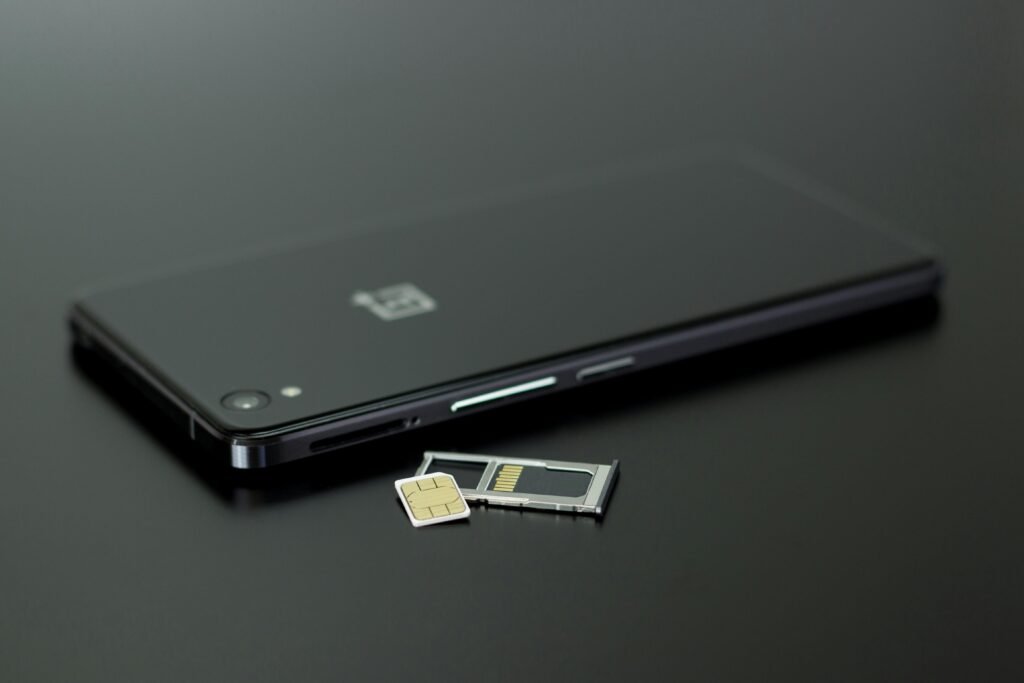
One of the first questions travelers ask after landing is:
Where should I buy a Thailand SIM card?
The good news is that buying a Thailand tourist SIM card is extremely easy in 2026. The bad news? Not every option offers the same pricing, convenience, or value.
Some travelers pay double at airport kiosks without realizing cheaper plans are available in the city. Others waste time hunting for SIM stores after landing when they could have activated an eSIM Thailand plan before boarding their flight.
After multiple trips through Bangkok, Phuket, Chiang Mai, and Krabi, here’s what I’ve found works best depending on your travel style, arrival time, and budget.
Bangkok Airport SIM Counters
If convenience matters most, buying a Thailand airport SIM immediately after landing is the easiest option.
At both:
- Suvarnabhumi Airport (BKK)
- Don Mueang Airport (DMK)
you’ll find official AIS, DTAC, and TrueMove H kiosks directly in the arrivals hall after immigration and baggage claim.
These counters are designed specifically for tourists, so the process is usually fast:
- show passport
- choose a tourist package
- staff activate the SIM
- mobile data works within minutes
After a long international flight, this convenience is genuinely worth something. I still remember arriving in Bangkok close to midnight and being grateful I could instantly book a Grab ride instead of negotiating overpriced taxi fares outside the terminal.
Pros
- Fastest setup
- English-speaking staff
- Immediate internet access
- Easy troubleshooting
- Open late for international arrivals
Cons
- Slightly more expensive
- Tourist-focused upselling
- Longer queues during peak arrival times
Real Travel Tip
AIS counters usually move fastest during busy evening arrival periods, while DTAC kiosks sometimes develop long lines around midnight when multiple international flights land together.
If you need reliable internet immediately for:
- hotel check-in
- ride-hailing apps
- navigation
- contacting Airbnb hosts
airport purchase is absolutely worth considering.
7-Eleven Convenience Stores
Thailand’s 7-Eleven stores are everywhere — and yes, many sell Thailand prepaid SIM cards too.
For budget travelers, this is often one of the cheapest ways to buy a SIM card in Thailand.
You’ll commonly find:
- AIS starter packs
- DTAC prepaid SIMs
- TrueMove tourist packages
However, there’s one important catch:
staff at smaller stores may not help with activation or APN setup.
If your phone is unlocked and you’re comfortable installing SIM cards yourself, this can save money. But first-time travelers sometimes struggle with setup instructions after a long flight.
Best For
- Backpackers
- Budget travelers
- Repeat Thailand visitors
- Travelers already familiar with SIM installation
Money-Saving Tip
City-center 7-Eleven stores in Bangkok usually have fresher stock and better tourist SIM availability than smaller island locations.
Shopping Malls & Official Stores
If you want the safest pricing and professional setup without airport premiums, official telecom stores are the best option.
You’ll find AIS, DTAC, and TrueMove stores inside:
- MBK Center
- Siam Paragon
- CentralWorld
- Terminal 21
- major Phuket malls
- Chiang Mai shopping centers
This is personally my favorite option when staying in Thailand longer than a week because staff often explain:
- unlimited data plans
- hotspot limits
- 5G Thailand SIM options
- refill pricing
- longer-term packages
Some malls also run local promotions not available at airport kiosks.
Best For
- Long-term travelers
- Digital nomads
- Families
- Travelers needing unlimited Thailand mobile data plans
Tourist Trap Warning
Avoid unofficial phone stalls near tourist-heavy beaches or nightlife areas. Some charge inflated “tourist rates” or activate lower-speed plans without clearly explaining limitations.
Buying Online Before Your Trip
If you prefer landing with internet already working, buying online before departure is often the smartest move.
Many travelers now order:
- Thailand tourist SIM cards
- airport pickup SIMs
- travel eSIM Asia plans
before leaving home.
This works especially well for:
- first-time Thailand visitors
- late-night arrivals
- travelers with tight schedules
- families needing instant connectivity
Benefits
- No airport queues
- Faster arrivals
- Easy price comparison
- Better planning
- Immediate access to Grab and maps
Best Option for eSIM Users
For travelers with modern smartphones, Thailand eSIM plans are honestly becoming the best overall solution.
Providers like:
- Airalo
- Nomad
- Holafly
- GigSky
allow you to activate mobile internet in Thailand before departure simply by scanning a QR code.
I’ve started using eSIMs for most Southeast Asia trips because they eliminate nearly all airport stress. The moment the plane lands, mobile data works instantly for:
- navigation
- hotel communication
- ride booking
- currency apps
- translation tools
Best For
- Digital nomads
- Frequent travelers
- Families
- Multi-country Asia trips
- Travelers carrying multiple SIMs
Important Tip
Before purchasing an eSIM Thailand package:
- confirm your phone supports eSIM
- ensure your device is unlocked
- install the eSIM before boarding your flight
My Honest Recommendation After Multiple Thailand Trips
If you want:
- maximum convenience → use an eSIM
- best overall reliability → buy AIS
- cheapest setup → use DTAC from 7-Eleven
- long-term value → visit official telecom stores in malls
And no matter which option you choose, having reliable travel connectivity in Thailand becomes incredibly important once you start relying on:
- Grab
- Google Maps
- ferry schedules
- online bookings
- food delivery apps
- translation tools
Especially in Bangkok traffic or while island hopping between Phuket and Krabi, mobile data quickly becomes one of the most useful travel essentials you’ll have.
Best SIM Card by Traveler Type

Not every traveler needs the same type of Thailand SIM card. A backpacker staying in Bangkok for 5 days has very different internet needs compared to a digital nomad working remotely from Chiang Mai or a family island hopping through Phuket and Krabi.
That’s why choosing the best Thailand tourist SIM card should depend on how you travel — not just which provider is cheapest.
Here’s the real-world breakdown after testing AIS, DTAC, TrueMove H, and multiple eSIM Thailand providers across different types of trips.
Best for Budget Travelers
If your main priority is saving money, DTAC Happy Tourist SIM usually offers the best value.
DTAC frequently has:
- cheaper short-term tourist packages
- affordable 7-day Thailand SIM card plans
- good city coverage
- budget-friendly unlimited social media options
For travelers spending most of their time in:
- Bangkok
- Pattaya
- Chiang Mai
- Phuket city areas
DTAC performs surprisingly well for the price.
Best Budget Setup
- DTAC prepaid tourist SIM
- Buy from 7-Eleven or city telecom stores
- Avoid airport upsells when possible
Best For
- Backpackers
- Solo travelers
- Budget Thailand itineraries
Best for Digital Nomads
For remote workers, content creators, and long-stay travelers, AIS Unlimited is usually the strongest choice.
I’ve personally used AIS while working from cafés in Chiang Mai and coworking spaces in Bangkok, and the stability difference compared to cheaper plans becomes noticeable during:
- Zoom calls
- hotspot tethering
- cloud uploads
- video editing backups
AIS also performs better during island transfers and rural travel routes.
Why Digital Nomads Prefer AIS
- Strong hotspot support
- Stable 5G Thailand SIM speeds
- Better rural coverage
- Reliable long video calls
- Stronger upload speeds
Pro Tip
If you work remotely, choose plans with genuine high-speed data instead of “unlimited” plans that throttle speeds heavily after fair usage caps.
Best for Families
Families often benefit most from Thailand eSIM setups because they reduce airport stress dramatically.
Instead of swapping multiple physical SIM cards after landing, parents can activate mobile internet before departure and land with instant connectivity for:
- hotel directions
- ride bookings
- translation apps
- emergency communication
Best Family eSIM Providers
- Airalo
- Nomad
- Holafly
Why eSIMs Work Well for Families
- Faster airport exits
- No SIM swapping
- Easier device management
- Better for multi-device travelers
Families carrying tablets, cameras, and multiple phones should also consider a lightweight portable charger during long sightseeing days.
Best for Short Trips
If you’re visiting Thailand for less than a week, simplicity matters more than chasing tiny savings.
For short vacations:
- airport tourist SIMs are perfectly fine
- eSIMs are extremely convenient
- setup speed matters more than long-term value
Best Options
- Airalo eSIM
- AIS airport tourist SIM
- DTAC 7-day plans
Best For
- Weekend trips
- Bangkok stopovers
- Phuket vacations
- First-time Thailand travelers
Best for Phuket & Island Hopping
If you’re heading to:
- Phuket
- Krabi
- Koh Phi Phi
- Koh Lanta
- island ferry routes
then AIS is usually the best SIM for Phuket and island travel.
I noticed AIS consistently kept signal during ferry rides where other Thailand prepaid SIM providers struggled.
Why AIS Wins on Islands
- Better coastal coverage
- Stronger ferry connectivity
- More stable rural signal
- Better Google Maps reliability
This becomes especially important when:
- checking ferry schedules
- coordinating pickups
- booking island tours
- using navigation apps
Best for Remote Work & Video Calls
If your trip involves:
- Zoom meetings
- remote client calls
- YouTube uploads
- hotspot tethering
- heavy cloud usage
then reliability matters more than cheap tourist pricing.
Best Option
AIS Unlimited 5G Plans
Second Best
TrueMove H in Bangkok and major urban areas.
Important Reality Check
Many “unlimited” Thailand mobile data plans reduce speeds after heavy usage. Always check fair usage policies carefully before buying.
Thailand Network Coverage: Which Provider Works Best?

One of the biggest differences between Thailand telecom providers isn’t pricing — it’s network consistency.
A SIM that works perfectly in Bangkok may struggle during ferry transfers or rural island travel. After testing AIS, DTAC, and TrueMove across Thailand, coverage quality becomes especially noticeable outside tourist city centers.
If you’re wondering about Thailand network coverage, here’s the real-world breakdown.
Coverage in Bangkok
Bangkok has excellent connectivity overall.
All three major providers:
- AIS
- DTAC
- TrueMove H
offer strong:
- 5G coverage
- fast speeds
- reliable navigation
- stable streaming performance
Best Provider in Bangkok
TrueMove H often delivers excellent urban speeds, especially in:
- shopping malls
- BTS/MRT zones
- central business districts
AIS remains slightly more stable during heavy congestion periods.
Coverage in Phuket & Krabi
This is where provider differences become more obvious.
Best SIM for Phuket
AIS
AIS consistently performs best during:
- island hopping
- beach travel
- ferry routes
- remote coastal areas
DTAC works well in Phuket town and tourist hubs but becomes less reliable in isolated beach zones.
Coverage in Chiang Mai
Chiang Mai generally has strong Thailand travel internet coverage.
AIS and TrueMove both perform well for:
- coworking spaces
- cafés
- digital nomad hotspots
- video calls
DTAC is still usable but occasionally slower during busy tourist seasons.
Best Option for Chiang Mai
AIS for stability
TrueMove for urban speed
Coverage on Islands & Rural Areas
This is where AIS clearly pulls ahead.
On routes like:
- Krabi to Koh Phi Phi
- Koh Samui transfers
- smaller island beaches
AIS usually maintains signal longer than DTAC or TrueMove.
Best Rural Coverage
- AIS
- TrueMove H
- DTAC
If your trip includes rural Thailand, trekking, or island ferries, the stronger coverage becomes extremely valuable.
5G Availability in Thailand
Thailand’s 5G infrastructure is surprisingly strong in 2026.
5G Thailand SIM coverage is excellent in:
- Bangkok
- Chiang Mai
- Phuket
- Pattaya
- major tourist corridors
However, speed consistency still varies depending on congestion and geography.
Best 5G Provider Overall
AIS
Fastest Urban Speeds
TrueMove H
Quick Coverage Comparison
| Provider | Best Strength | Weakness |
|---|---|---|
| AIS | Nationwide coverage | Slightly higher price |
| DTAC | Cheap tourist plans | Weaker island coverage |
| TrueMove H | Fast city speeds | Less stable rurally |
Best Time to Buy a Thailand SIM Card

Timing matters more than many travelers realize.
Buying your Thailand SIM at the wrong place or time can mean:
- higher prices
- airport queues
- slower activation
- limited plan options
Here’s the smartest strategy depending on your travel situation.
Before Departure
For most travelers in 2026, this is honestly the easiest option.
Buying a Thailand eSIM before departure means:
- instant internet after landing
- no airport kiosk queues
- easier ride bookings
- smoother arrivals
Best For
- Families
- Late-night arrivals
- First-time Thailand visitors
- Digital nomads
At the Airport
Airport SIM purchases are ideal if:
- your phone doesn’t support eSIM
- you want staff setup assistance
- you arrive without internet access
The process is quick, but prices are slightly higher.
Best For
- Convenience
- First-time travelers
- Physical SIM users
After Reaching the City
This is usually the cheapest option.
Buying from:
- official telecom stores
- shopping malls
- 7-Eleven branches
often gives better pricing than airport kiosks.
Best For
- Budget travelers
- Long-term stays
- Travelers comfortable setting up SIMs themselves
My Real-World Recommendation
- Want maximum convenience? → Buy an eSIM before departure
- Want easiest setup? → Use airport AIS counters
- Want cheapest pricing? → Buy in Bangkok city stores
- Want best island coverage? → Choose AIS
Reliable travel connectivity in Thailand becomes incredibly valuable once you start depending on:
- Google Maps
- Grab
- ferry apps
- online bookings
- translation tools
- remote work access
And after one stressful airport arrival without mobile data, most travelers never skip getting a Thailand SIM card again.
Pros & Cons of Thailand SIM Cards vs eSIMs
One of the biggest questions travelers ask before visiting Thailand is:
Should I use a physical SIM card, an eSIM, or international roaming?
The answer depends on your phone, travel style, and how much convenience matters to you. After testing all three options across Bangkok, Phuket, Krabi, Chiang Mai, and Thailand’s islands, I’ve noticed that each setup works best for different types of travelers.
If you want the short answer:
- Physical SIMs are usually the cheapest and most reliable
- eSIMs are the most convenient
- International roaming is rarely worth the cost for most travelers
Here’s the real-world comparison.
| Option | Pros | Cons |
|---|---|---|
| Physical Thailand SIM | Cheap, reliable, strong local coverage | Requires swapping SIM cards |
| Thailand eSIM | Instant activation, no physical setup | Older phones may not support eSIM |
| International Roaming | Convenient for short layovers | Expensive and often slower |
Physical Thailand SIM Cards
A traditional Thailand prepaid SIM is still the best value for many travelers.
Providers like:
- AIS
- DTAC
- TrueMove H
offer affordable tourist packages with:
- strong local coverage
- unlimited data options
- stable 5G Thailand SIM performance
- better hotspot support
Physical SIMs are especially useful if:
- you’re staying longer than 1–2 weeks
- your phone doesn’t support eSIM
- you want the cheapest Thailand SIM card possible
- you use large amounts of mobile data
Downsides
The biggest inconvenience is swapping your existing SIM card. I’ve seen travelers accidentally misplace their home SIMs during airport setup, which becomes stressful when banking apps or verification codes stop working.
Helpful Travel Tip
Carry a tiny SIM ejector tool inside your travel backpack or wallet. It saves time at airport kiosks and prevents frustrating setup delays.
Thailand eSIMs
Thailand eSIM plans are becoming the easiest option for international travelers.
Instead of inserting a physical SIM, you simply:
- purchase the plan online
- scan a QR code
- activate mobile data digitally
The biggest advantage?
Your internet works instantly after landing.
I started using eSIMs during Southeast Asia trips mainly because they remove the stress of finding Wi-Fi at airports. After landing in Bangkok late at night, I could immediately:
- open Grab
- contact my hotel
- use Google Maps
- exchange currency rates
- translate Thai addresses
without waiting in airport SIM queues.
Best For
- Digital nomads
- Families
- Frequent travelers
- Multi-country Asia trips
- Travelers arriving late at night
Downsides
Not all phones support eSIM technology. Older devices and some budget phones still require physical SIM cards.
International Roaming
Roaming sounds convenient because you keep your home number active, but for most Thailand trips, it’s usually the weakest option.
Common Problems
- Expensive daily charges
- Slower speeds
- Hidden data caps
- Weak performance outside cities
On one trip to Phuket, my roaming package barely loaded Google Maps near Kata Beach while my local AIS Thailand travel SIM worked perfectly during ferry transfers and beach travel.
When Roaming Makes Sense
Roaming is only worth considering if:
- you’re staying less than 24 hours
- you have premium international plans
- your company covers roaming costs
For everyone else, a local Thailand tourist SIM card or eSIM is usually far better.
My Recommendation After Multiple Thailand Trips
Choose a Physical SIM If:
- you want maximum value
- you need reliable hotspot usage
- you’re traveling for more than a week
Choose an eSIM If:
- convenience matters most
- your phone supports eSIM
- you want internet immediately after landing
Avoid Roaming If:
- you want affordable data
- you plan to travel outside Bangkok
- you’ll rely heavily on maps and ride-hailing apps
For most travelers, an AIS tourist SIM or Airalo/Nomad eSIM offers the best overall balance between price, convenience, and coverage.
Common Mistakes Tourists Make With Thailand SIM Cards

Thailand is one of the easiest countries in Asia for mobile connectivity, but tourists still make several avoidable mistakes that lead to wasted money, slow internet, or frustrating setup problems.
After multiple Thailand trips, these are the most common Thailand SIM mistakes I keep seeing travelers make.
Buying at Overpriced Airport Booths
Airport SIM counters are convenient — but they’re not always the cheapest option.
Some Bangkok airport SIM kiosks aggressively promote premium tourist plans that many travelers don’t actually need.
I’ve seen travelers pay nearly double for:
- extra calling packages
- oversized data plans
- unnecessary add-ons
when cheaper Thailand prepaid SIM packages in the city would have worked perfectly.
Smarter Alternative
If your arrival isn’t late at night:
- compare plans online first
- visit official telecom stores in Bangkok malls
- buy from trusted 7-Eleven locations
Choosing Plans With Speed Caps
This is probably the most misunderstood part of Thailand mobile data plans.
Many “unlimited” Thailand tourist SIM cards:
- reduce speeds after heavy usage
- throttle hotspot performance
- limit video streaming quality
A plan advertising unlimited data may still become painfully slow after reaching a daily or monthly fair usage threshold.
Real-World Tip
If you:
- work remotely
- upload videos
- stream heavily
- rely on hotspot tethering
pay slightly more for premium AIS or TrueMove plans with higher-speed allowances.
Forgetting Passport Requirements
Thai telecom providers legally require passport registration for tourist SIM activation.
Without your passport:
- activation may fail
- airport staff cannot complete registration
- some stores refuse tourist SIM sales entirely
Quick Tip
Keep your passport easily accessible during arrival instead of packing it deep inside your luggage.
Not Checking eSIM Compatibility
A surprising number of travelers buy a Thailand eSIM without confirming their phone actually supports eSIM technology.
This happens most often with:
- older Android devices
- region-locked phones
- carrier-locked phones
Before Buying an eSIM
Check:
- eSIM compatibility
- network unlock status
- dual SIM support
before departure.
Using International Roaming Accidentally
One of the fastest ways to receive a painful travel bill is accidentally leaving roaming enabled on your home SIM card.
This often happens when travelers:
- insert a Thailand SIM
- forget to disable roaming
- receive background app data charges
Prevent This By:
- disabling roaming before landing
- turning off automatic carrier switching
- checking dual-SIM settings carefully
Tourist Trap Warning Most Blogs Don’t Mention
Some unofficial mobile stalls near:
- Phuket beaches
- Pattaya nightlife zones
- tourist markets
sell slower prepaid plans at inflated “tourist pricing.”
Whenever possible, buy from:
- official AIS stores
- DTAC branches
- TrueMove shops
- trusted airport counters
Reliable travel internet in Thailand matters far more than most travelers expect — especially when navigating Bangkok traffic, coordinating ferry pickups, or finding hotels late at night. A few smart decisions upfront can save both money and unnecessary stress throughout your trip.
Pro Travel Tips for Using Mobile Data in Thailand

Having reliable mobile internet in Thailand is incredibly useful — but knowing how to use it efficiently can save you money, battery life, and a lot of travel stress.
After multiple Thailand trips involving island hopping, overnight buses, coworking cafés, and late-night airport arrivals, these are the mobile data habits that genuinely made traveling smoother.
Most tourists focus only on buying the right Thailand SIM card. Experienced travelers focus on using it smartly.
Use Offline Google Maps
Even with strong Thailand network coverage, offline maps are one of the best travel backups you can have.
Before flying to Thailand:
- download offline maps for Bangkok
- save Phuket and Krabi regions
- cache Chiang Mai areas if heading north
This becomes incredibly useful when:
- ferry routes lose signal temporarily
- airports get congested
- underground metro areas weaken connectivity
- your phone battery is low
I’ve relied on offline Google Maps multiple times during island transfers where even strong AIS coverage briefly dropped between ferry routes.
Pro Tip
Star:
- your hotel
- airport terminals
- ferry piers
- coworking cafés
- important restaurants
before arriving.
Save Battery With Dual SIM Setup
Many travelers now use:
- home SIM + Thailand eSIM
- physical Thailand SIM + work number
- dual-SIM travel setups
The problem?
Dual SIM usage drains battery surprisingly fast.
Battery-Saving Tips
- Disable unused SIM lines temporarily
- Turn off unnecessary background refresh
- Use airplane mode during ferry crossings
- Switch off 5G if battery becomes critical
A lightweight portable charger becomes extremely useful during:
- long Bangkok sightseeing days
- island tours
- overnight trains
- remote work sessions
Download Grab & Translation Apps Early
One of the smartest Thailand travel hacks is downloading essential apps before landing.
The moment you arrive, you’ll likely need:
- Grab for transportation
- Google Translate
- Google Maps
- food delivery apps
- currency conversion tools
I still remember arriving in Bangkok late at night with weak airport Wi-Fi while trying to install Grab. Since then, I always prepare apps before departure.
Most Useful Thailand Travel Apps
| App | Why You Need It |
|---|---|
| Grab | Cheap rides & food delivery |
| Google Translate | Reading menus & taxi communication |
| Google Maps | Navigation & transit |
| Klook | Tours & airport transfers |
| International communication |
Having reliable mobile data becomes even more valuable once you start moving between destinations. Apps like Grab, Google Maps, and ferry booking platforms make traveling around Thailand much easier, whether you’re using Bangkok’s BTS and MRT, catching domestic flights, boarding island ferries, or arranging intercity buses. For a complete overview of getting around the country, read our Thailand transportation guide, which explains the best transport options for every budget and itinerary.
Use Hotspot Safely
Thailand’s mobile data speeds are excellent, especially with AIS and TrueMove H, so many travelers use their phones as hotspots for:
- laptops
- tablets
- cameras
- remote work
But public hotspot usage comes with security risks.
Smart Hotspot Practices
- Use strong passwords
- Avoid open public sharing
- Turn hotspot off when unused
- Avoid banking on public Wi-Fi networks
If you’re working remotely from cafés in Chiang Mai or Bangkok, secure hotspot usage becomes especially important.
Best VPNs for Public Wi-Fi
Public Wi-Fi in:
- airports
- cafés
- hostels
- shopping malls
is convenient but not always secure.
A reliable VPN adds an extra layer of safety while:
- using online banking
- accessing work files
- connecting to coworking spaces
- browsing on public networks
Good VPN Options for Thailand Travelers
- NordVPN
- Surfshark
- ExpressVPN
- Proton VPN
Why It Matters
Thailand’s public internet infrastructure is generally good, but unsecured tourist Wi-Fi networks can still expose personal data.
Final Verdict: Which Thailand SIM Card Should You Choose?

After testing AIS, DTAC, TrueMove H, airport SIMs, local prepaid plans, and Thailand eSIM providers across Bangkok, Phuket, Krabi, Chiang Mai, and multiple island routes, here’s the honest conclusion:
There isn’t one “perfect” Thailand SIM card for everyone.
The best option depends on:
- your budget
- travel style
- trip length
- data usage
- destination coverage needs
But for most travelers, a few providers clearly stand out.
Choose AIS If…
You want:
- the best overall Thailand network coverage
- reliable island connectivity
- stable 5G Thailand SIM speeds
- strong hotspot support
- dependable travel internet in Thailand
AIS is the safest all-around choice for:
- digital nomads
- island hopping
- long-term travelers
- remote workers
- travelers visiting rural areas
Best For
Phuket, Krabi, Koh Phi Phi, Chiang Mai, ferry routes, and remote travel.
Choose DTAC If…
You want:
- the cheapest Thailand SIM card
- short-term tourist plans
- good city coverage
- budget-friendly pricing
DTAC works well for:
- Bangkok trips
- short vacations
- backpackers
- budget travelers
Best For
Travelers spending most of their time in urban tourist areas.
Choose TrueMove If…
You care most about:
- fast city speeds
- streaming performance
- strong Bangkok coverage
- social media usage
TrueMove H performs especially well in:
- Bangkok malls
- business districts
- dense urban zones
Best For
Heavy streaming, YouTube, TikTok, and urban travel.
Choose eSIM If…
You want:
- instant activation
- no SIM swapping
- internet immediately after landing
- easy multi-country travel
Thailand eSIM providers like:
- Airalo
- Nomad
- Holafly
are excellent for:
- frequent travelers
- families
- digital nomads
- late-night arrivals
Personally, eSIMs are now my preferred setup for short Southeast Asia trips because they eliminate airport setup stress completely.
My Personal Recommendation After Multiple Thailand Trips
If I had to recommend just one setup for most travelers in 2026:
Best Overall Choice
AIS Tourist SIM
Best Budget Choice
DTAC Happy Tourist SIM
Best eSIM Thailand Option
Airalo
Best for Digital Nomads
AIS Unlimited 5G Plans
A reliable Thailand SIM card quickly becomes one of the most important travel tools you’ll have — especially once you start relying on:
- Google Maps
- Grab
- ferry schedules
- online bookings
- translation apps
- remote work access
And after experiencing Thailand with stable mobile internet, most travelers never want to rely on airport Wi-Fi again.
Frequently Asked Questions
Which SIM card is best for tourists in Thailand?
AIS is usually the best Thailand SIM card for tourists because it offers strong nationwide coverage, reliable speeds, excellent island connectivity, and stable 5G performance across Bangkok, Phuket, Krabi, and Chiang Mai.
Can tourists buy SIM cards in Thailand?
Yes. Tourists can easily buy Thailand prepaid SIM cards at airports, 7-Eleven stores, telecom shops, and shopping malls using their passport for registration.
Is eSIM available in Thailand?
Yes. Thailand supports eSIM technology through providers like Airalo, Nomad, Holafly, AIS, and TrueMove H.
How much does a Thailand tourist SIM cost?
Thailand tourist SIM cards usually cost between 199–699 THB depending on validity, data limits, and provider.
Which Thailand SIM has the best coverage?
AIS generally has the best Thailand network coverage, especially in islands, ferry routes, and rural travel areas.
Should I buy a Thailand SIM card at the airport?
Airport SIM cards are convenient and easy to activate, but they’re often slightly more expensive than city telecom stores or online eSIM plans.
Can I use WhatsApp with a Thailand SIM card?
Yes. WhatsApp works normally with Thailand SIM cards, and your existing account and contacts remain unchanged.
Is unlimited data really unlimited in Thailand?
Not always. Some Thailand mobile data plans reduce speeds after reaching fair usage limits, so always check throttling policies carefully before purchasing.