Most India itineraries have the same problem: they send you through Delhi, Agra and Jaipur in the middle of summer, then tell you to “cool off in the mountains.” Or they send you to the mountains in monsoon, when the roads wash out. The route looks great on paper and falls apart in real life.
This guide is built to avoid that. It’s a 14-day plan that links the Golden Triangle (Delhi, Agra, Jaipur) with two of North India’s classic hill stations, Shimla and Manali, with honest travel times, real costs, and the month-by-month timing that decides whether the trip works.
Is 2 weeks in India enough? Yes, if you stay in one region. Fourteen days comfortably covers Delhi, Agra, Jaipur, Shimla and Manali. It does not cover “all of India,” and trying to add Kerala or Varanasi will turn the trip into an airport tour.
Table of Contents
ToggleThe 14-Day Route at a Glance
| Day | Where | What happens | Getting there |
|---|---|---|---|
| 1 | Delhi | Arrive, Old Delhi evening walk | International flight, Airport Metro |
| 2 | Delhi | Humayun’s Tomb, India Gate, Lodhi Garden, Qutub Minar | Metro, Uber |
| 3 | Agra | Agra Fort, sunset at Mehtab Bagh | Morning Gatimaan Express |
| 4 | Agra → Jaipur | Taj Mahal at sunrise, Fatehpur Sikri, drive on | Private car/driver |
| 5 | Jaipur | Amber Fort, City Palace, Hawa Mahal | Auto-rickshaw, Uber |
| 6 | Jaipur | Jantar Mantar, bazaars, block-printing, food | Auto-rickshaw |
| 7 | Jaipur → Delhi | Transit day, early night | Train or car |
| 8 | Delhi → Shimla | Shatabdi to Kalka, then the toy train | Train |
| 9 | Shimla | Mall Road, Ridge, Jakhu Temple | On foot |
| 10 | Shimla | Kufri or Mashobra day trip | Taxi |
| 11 | Shimla → Manali | Long scenic drive | Private taxi |
| 12 | Manali | Old Manali, Hadimba Temple, Vashisht | On foot, taxi |
| 13 | Manali | Solang Valley or Atal Tunnel, evening Volvo to Delhi | Taxi, overnight bus |
| 14 | Delhi | Arrive in the morning, rest, depart | Bus, then flight |
Notice the pacing. Two nights in Jaipur, two in Delhi at the start, and one deliberate transit day. India punishes overpacked schedules, and this layout leaves room for delays.
Before You Go: Visa, Entry and Health Basics

Most nationalities can apply for an Indian e-Visa online through the official Indian e-Visa portal. Apply at least a week before you fly, because processing times and fees vary by nationality and season. Only use the government site. Look-alike websites charge extra and add nothing.
India has also been tightening its arrival procedures, including digital arrival forms. Rules change often, so check the latest before you book. We keep the details updated here: New Rules for Foreigners and Who Needs the e-Arrival Card and When to Fill It. For the full picture, see our India Travel Guidelines.
On health: see a travel clinic four to six weeks before departure. Common recommendations include hepatitis A and typhoid, but your doctor will advise based on your history, so check the CDC’s India travel page too. Buy travel insurance that covers medical evacuation. Our full routine is in How to Avoid Getting Sick in India.
Best Time for This Route

This is where most guides stay vague, so here’s the real problem. The plains and the mountains want opposite seasons. Delhi, Agra and Jaipur are best from October to March. Shimla and Manali are at their best from March to June, and again from September to November. The overlap is small, and that overlap is the whole planning game.
| Month | Golden Triangle | Shimla & Manali | Verdict for this route |
|---|---|---|---|
| Oct | Warm days, clear skies | Crisp, clear, apple season | Best |
| Nov | Pleasant, but smog risk | Cold, early snow possible higher up | Good, check air quality |
| Dec–Jan | Cold, fog delays trains | Snow, some road closures | Hard mode |
| Feb | Lovely | Cold, snow likely | Fair |
| Mar | Warm, comfortable | Cool, spring bloom | Best |
| Apr–Jun | Brutally hot (40°C+ common) | Peak season, crowded | Reverse the route |
| Jul–Sep | Hot and humid, fewer tourists | Monsoon, landslides | Avoid or modify |
My pick: October or March. October follows the monsoon, so the air is washed clean and the hills are green. March gives you a warm but bearable plains leg before the mountain crowds arrive. November works too, but Delhi’s air quality often drops sharply from late October onward, so check the AQI before you commit.
If you can only travel in summer: flip the route. Spend the first week in Shimla and Manali, then do the Golden Triangle at the end with early-morning sightseeing and long midday hotel breaks. It’s not ideal, but it’s survivable. Check the India Meteorological Department for current forecasts.
What 2 Weeks in India Really Costs
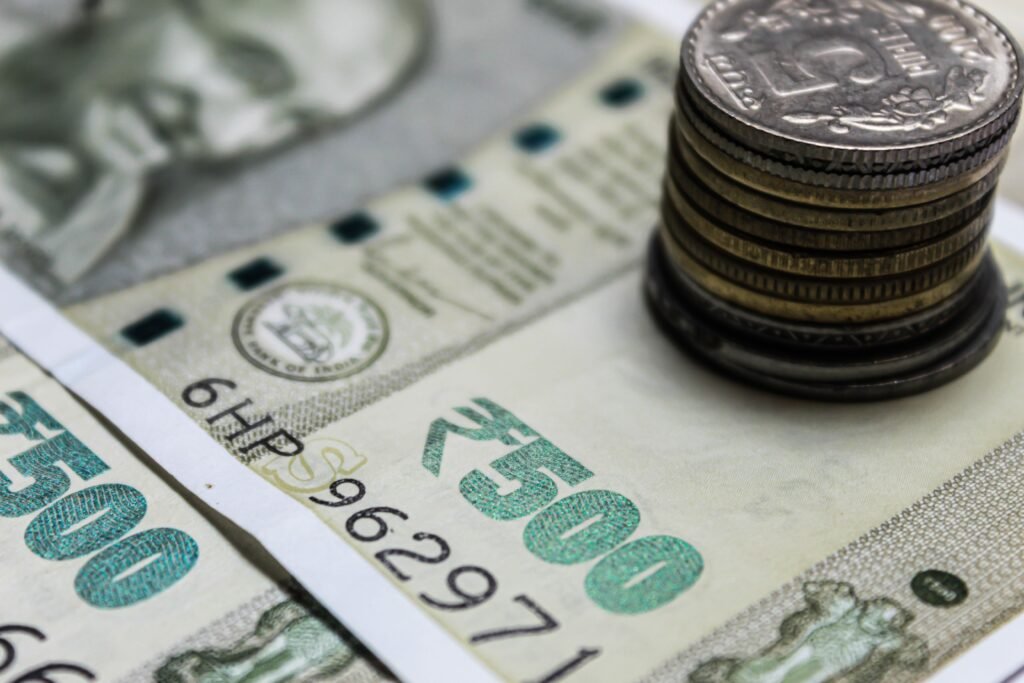
India is cheap or expensive depending entirely on how you travel. These are per-person daily estimates, excluding international flights. Prices shift with the exchange rate and season, so treat them as a planning range and not a quote. I’ve used roughly ₹85 to the US dollar.
| Category | Budget | Mid-range | Comfort |
|---|---|---|---|
| Hotel (per night) | ₹1,000–2,500 ($12–30) | ₹4,000–8,000 ($47–95) | ₹12,000–30,000+ ($140–350+) |
| Food (per day) | ₹500–1,000 ($6–12) | ₹1,500–3,000 ($18–35) | ₹4,000+ ($47+) |
| Local transport (per day) | ₹300–600 ($4–7) | ₹800–1,500 ($9–18) | ₹3,000+ ($35+) |
| Sights and entry (per day) | ₹500–1,200 ($6–14) | ₹1,200–2,500 ($14–30) | ₹3,000+ ($35+) |
| Daily total | ₹3,000–5,500 ($35–65) | ₹8,000–15,000 ($95–175) | ₹20,000–40,000+ ($235–470+) |
| 14-day total | ≈₹42,000–77,000 | ≈₹1.1–2.1 lakh | ≈₹2.8–5.6 lakh+ |
Big-ticket items to budget separately
- Car with driver for Agra and Jaipur: usually the single biggest transport cost. Get two or three quotes and confirm what’s included (tolls, parking, driver’s overnight allowance).
- Shimla to Manali taxi: a full-day private taxi, so quote it before you go.
- Delhi to Kalka train and the toy train: cheap by any standard.
- Manali to Delhi Volvo: a fraction of the cost of a flight.
Entry fees: foreigners pay more
Indian monuments charge foreigners much higher rates than locals. At the last check, the Taj Mahal cost foreign visitors roughly ₹1,300 including the main mausoleum, and most other major monuments (Humayun’s Tomb, Qutub Minar, Red Fort, Agra Fort, Amber Fort) fell somewhere between ₹500 and ₹650. Verify current prices on the Archaeological Survey of India ticketing portal, and buy online to skip queues.
Day-by-Day Itinerary
Days 1–2: Delhi

Day 1: Arrive and ease in
Most international flights land at night or early morning. Take the Airport Metro Express to New Delhi station (about 20 minutes) or a prepaid taxi. If you have energy, walk Old Delhi in the evening: Jama Masjid, the lanes of Chandni Chowk, and street food. If you’re wiped out, sleep. You have time.
Day 2: New Delhi highlights.
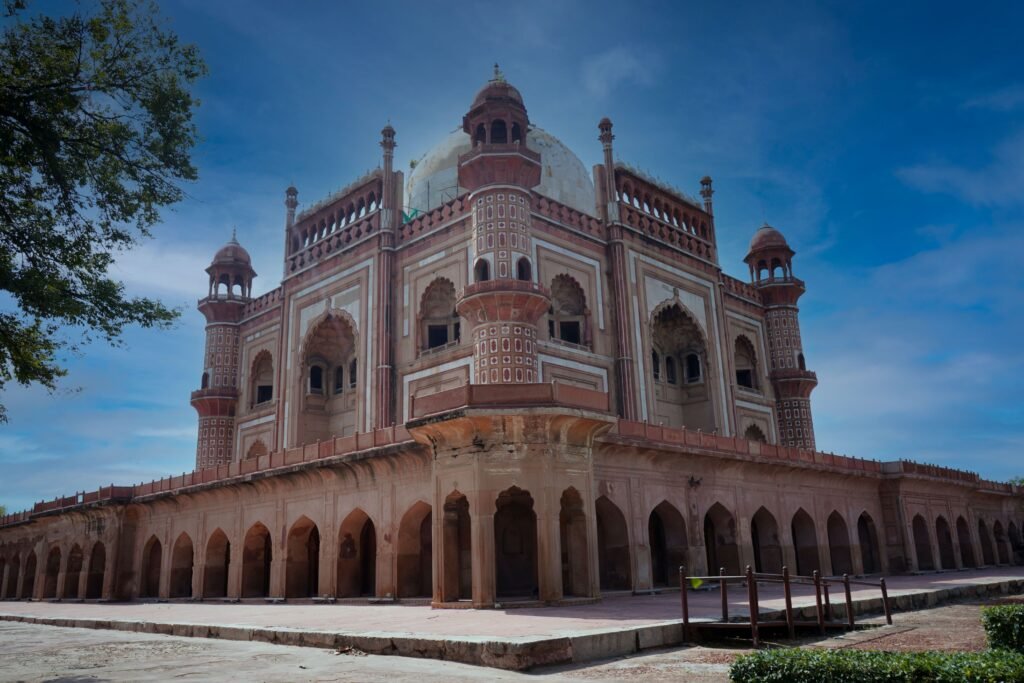
- Humayun’s Tomb in the morning, before the heat. It’s the quieter, prettier cousin of the Taj, and a better introduction to Mughal architecture than the Red Fort.
- Lodhi Garden for a calm walk among 15th-century tombs.
- India Gate and the government district for photos.
- Qutub Minar in the afternoon, if you have the energy.
Note that the Red Fort and Lotus Temple are closed on Mondays. Plan around it. For food, don’t leave Delhi without trying parathas in the old city and a good butter chicken.
A few Delhi basics that save headaches. Use the Metro whenever you can; it’s clean, cheap and avoids the traffic that can turn a 5 km ride into an hour. Buy a tourist card or a simple token at the station. For anywhere the Metro doesn’t reach, use Uber or Ola and check the price in the app before you get in. Delhi is spread out, so group your sights by area instead of crisscrossing the city. Old Delhi sits in one cluster, the Mughal and colonial sights in another, and Qutub Minar sits far to the south.
Also give yourself permission to do less. Delhi is loud, crowded and intense, especially on day one. Two well-chosen sights a day beats five rushed ones. If you have a spare hour, Gurudwara Bangla Sahib is one of the most welcoming places in the city: free to enter (cover your head, remove your shoes), with a community kitchen that feeds thousands daily.
Day 3: Agra (Agra Fort and Mehtab Bagh)
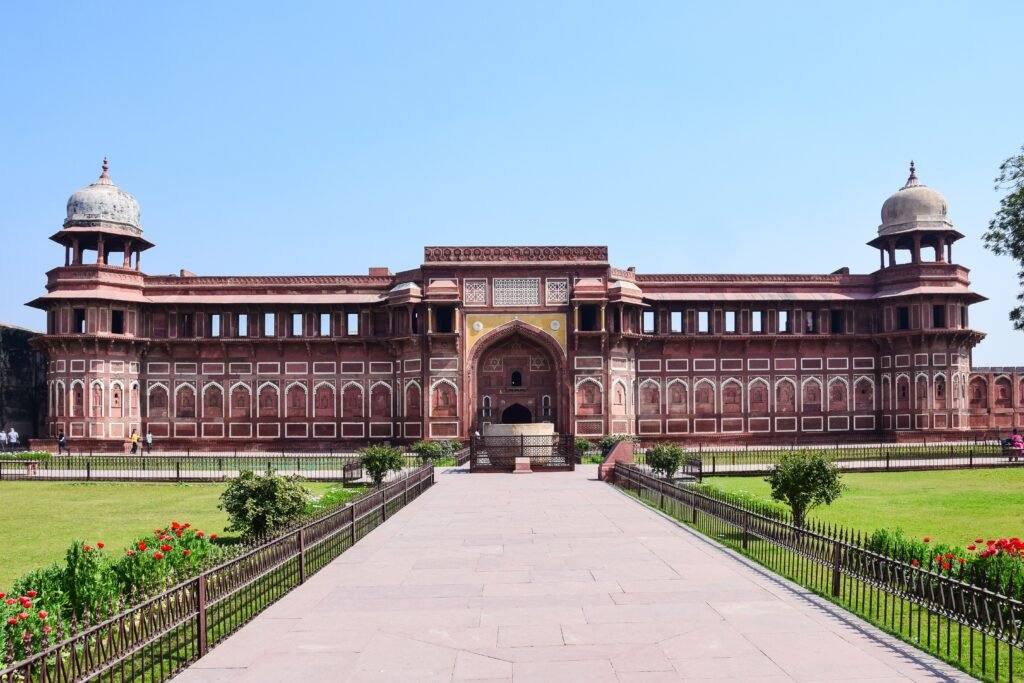
Catch the morning Gatimaan Express from Hazrat Nizamuddin station. It’s one of India’s fastest trains, and the trip takes roughly 100 minutes. Book it in advance through IRCTC, because it sells out. Check the current timetable, since schedules change.
After checking in, visit Agra Fort, a massive red sandstone fortress that deserves two hours. As the day cools, head to Mehtab Bagh, a garden across the river from the Taj. The view at sunset is excellent and far less crowded than the Taj itself.
If you have a spare hour, add Itimad-ud-Daulah, nicknamed the “Baby Taj.” It’s a smaller marble tomb with delicate inlay work, usually almost empty, and a good preview of the Taj’s style. Eat dinner away from the tourist strip near the Taj gates. Quality is better and prices are lower a few streets back, and Agra is known for petha (a translucent sweet made from ash gourd) and a good mutton or chicken korma.
Day 4: Taj Mahal at Sunrise, Fatehpur Sikri, then Jaipur
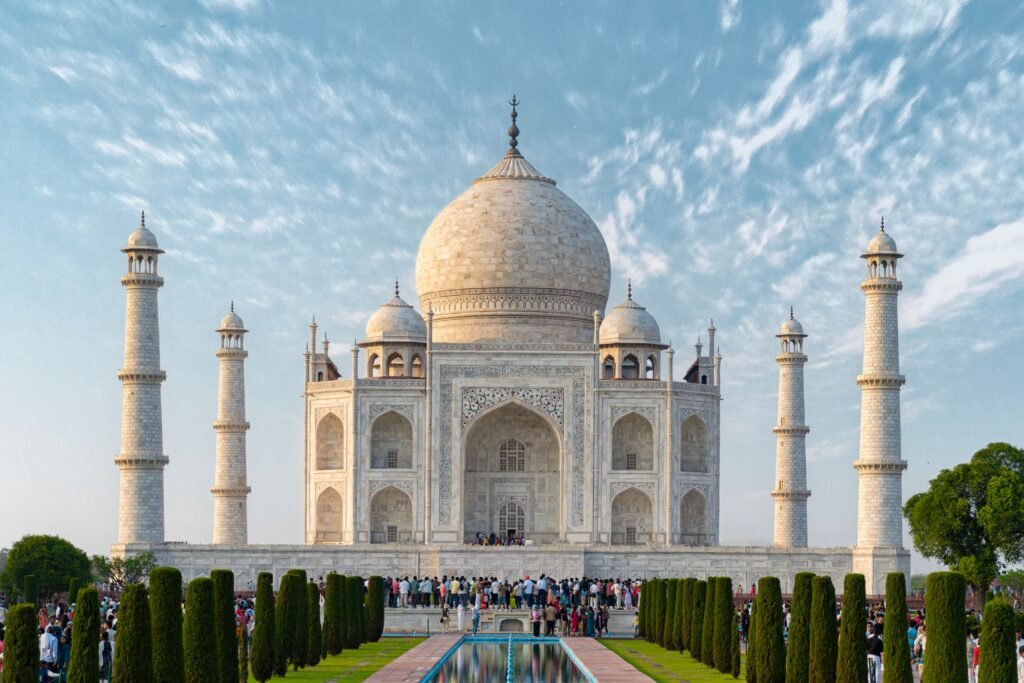
Get up early. The Taj opens at sunrise and the crowds build fast, so being at the gate when it opens is worth the alarm. Remember: the Taj Mahal is closed on Fridays (except for prayers). Build your Agra day around that.
Practical tips for the Taj:
- Buy your ticket online and carry your passport.
- Skip the offers from touts and “free guides” outside the gate.
- Pack light. Large bags, food and tripods are restricted.
- Shoe covers are given or sold at the main mausoleum, so you don’t need to buy them from anyone outside.
After breakfast, drive west to Fatehpur Sikri, the abandoned Mughal capital about 40 km from Agra. Hire a licensed guide here because the history is hard to follow on your own, and be firm about prices before you start. Then continue to Jaipur, about 4 to 5 hours of driving. Expect a long day.
Days 5–6: Jaipur, the Pink City
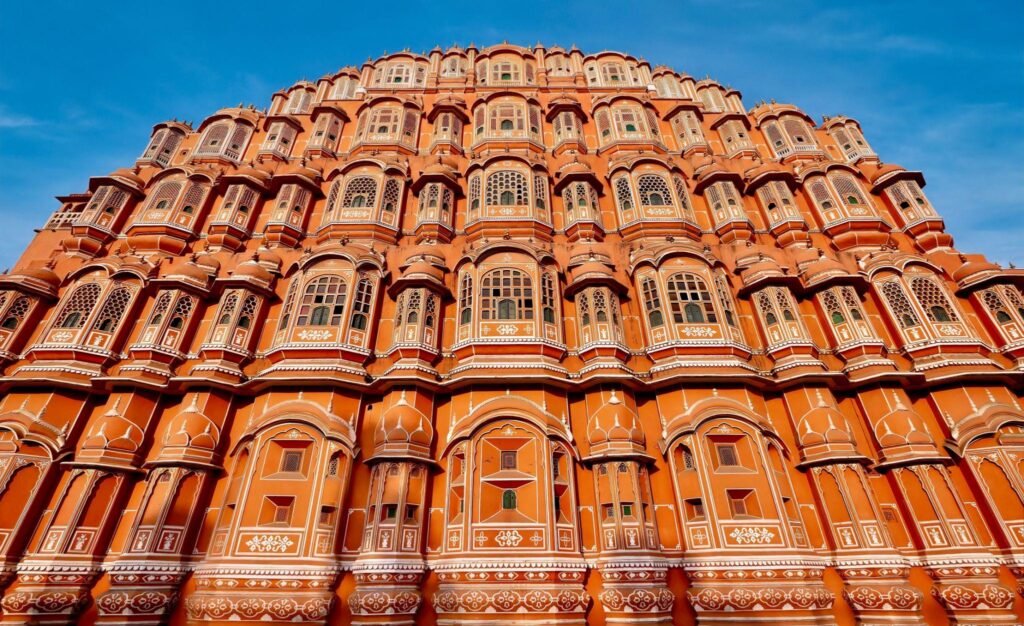
Day 5: Forts and palaces.
- Amber (Amer) Fort first thing in the morning, before tour buses arrive. Take a jeep or walk up. I’d skip the elephant rides because of well-documented animal welfare concerns.
- City Palace in the late morning, still home to Jaipur’s royal family.
- Hawa Mahal in the afternoon. The best view of it is from the cafés across the road, not from inside.
Day 6: Markets, observatory and food.
- Jantar Mantar, a UNESCO-listed astronomical observatory that’s strangely fun.
- Johari Bazaar and Bapu Bazaar for textiles, jewellery and juttis (traditional shoes).
- Block-printing workshop in or near Sanganer if you want a hands-on experience.
- Nahargarh Fort at sunset for views over the city.
On shopping: bargaining is expected in the bazaars, but do your research first. Many “factory tours” and gem shops pay commissions to drivers, and the prices reflect it. If a driver keeps pushing you toward a particular shop, politely decline.
A tip on timing: Amber Fort gets very hot by late morning, and the stone courtyards reflect it. Be there when it opens. If you have time, Panna Meena ka Kund, a geometric stepwell near Amber, is one of the most photogenic spots in the city and rarely crowded. For food, try dal baati churma (a Rajasthani classic), the famous kachoris, and a thick lassi served in clay cups. Jaipur is also a fine place to buy block-printed fabrics and handmade paper, which make lightweight souvenirs.
Day 7: Jaipur to Delhi (Transit Day)
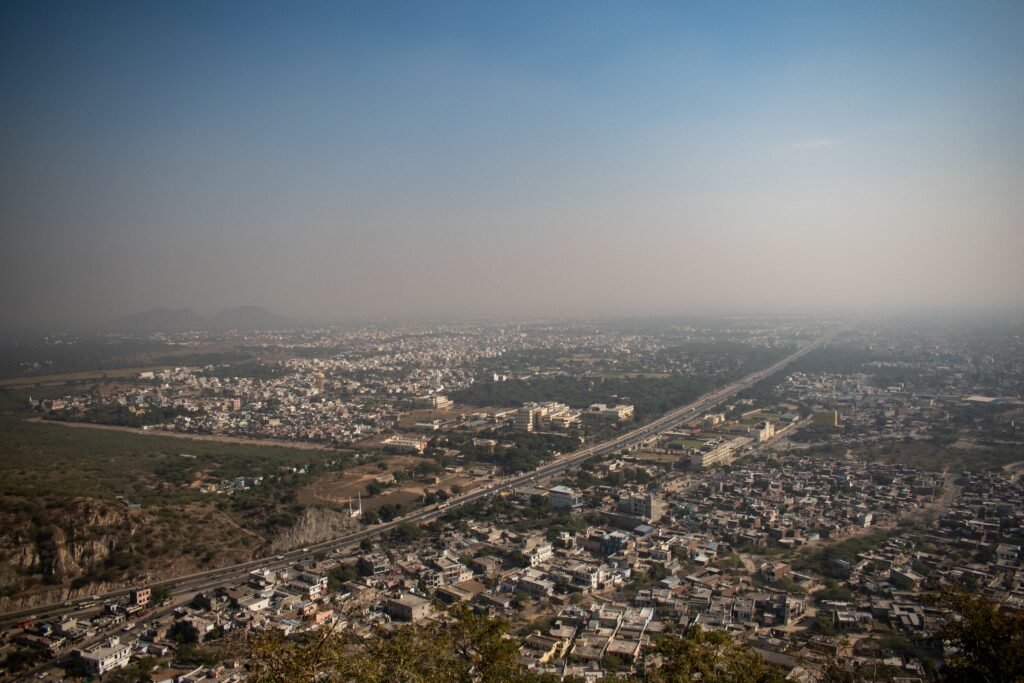
This is the day other itineraries skip. You’re going back to Delhi to head north, and it takes real time. By road it’s roughly 5 to 6 hours; by train, there are fast options, including Vande Bharat services on this corridor, so check IRCTC for what’s running. Stay near New Delhi station for the night so you can catch a morning train. Keep dinner simple and go to bed early.
Day 8: Delhi to Shimla (Shatabdi + Toy Train)

Take the New Delhi to Kalka Shatabdi Express (about 4 hours), then switch to the Kalka–Shimla toy train, part of the UNESCO-listed Mountain Railways of India. It’s slow (around 5 to 6 hours) and gorgeous, passing through more than a hundred tunnels. If you’re short on time or feeling tired, take a taxi from Kalka instead, which cuts the trip to about 3 hours. The train is the experience, though, and worth doing at least once.
Days 9–10: Shimla

Shimla was the British summer capital, and it still looks like it: colonial buildings, a ridge with open views, and a pedestrian-only Mall Road.
Day 9: Walk the Ridge, visit Christ Church, and wander Mall Road. Head up to Jakhu Temple for the view, but keep your glasses and snacks secured, because the monkeys are bold.
Day 10: Take a taxi to Kufri (about 16 km) for the views and, in winter, snow. Or go to Mashobra for a quieter, more forested day with fewer crowds. Visit the Viceregal Lodge if you like history.
Shimla and Manali are at about 2,000 meters, so altitude sickness isn’t usually a problem here. But the evenings get cold even in shoulder season.
Where Shimla is colonial and slightly formal, Manali is a backpacker-and-honeymoon town with a more relaxed feel. If Shimla feels crowded on weekends (it does, since Delhi and Chandigarh families drive up), try to be in town midweek and book your hotel ahead. The Mall Road area is walkable, so staying close saves taxi fares.
Day 11: Shimla to Manali
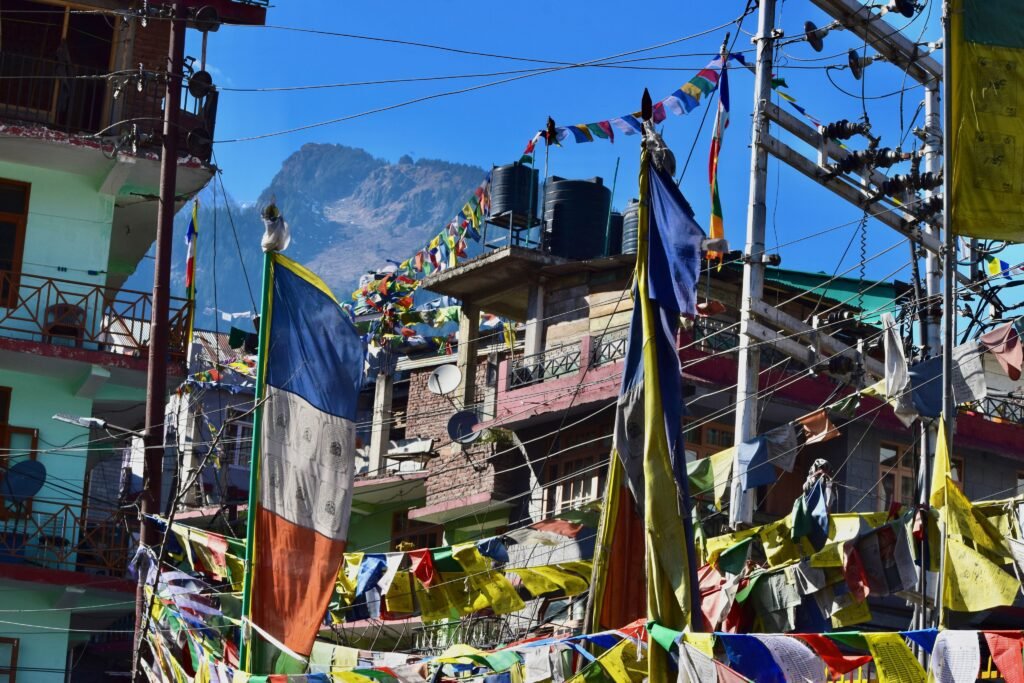
This is the long one. The distance is about 250 km, but expect 7 to 9 hours on winding mountain roads. Leave early. The route takes you through Mandi and the Kullu Valley, with stops by the Beas River. Hire a private taxi with a driver experienced on hill roads, and don’t try to rush it.
Warning: In monsoon (July to September), landslides can close this road for hours or days. Check road status with Himachal Pradesh Tourism before you leave, and have a backup plan. If the road is blocked, Rishikesh or Mussoorie in Uttarakhand make decent alternatives from Delhi.
Days 12–13: Manali

Day 12: Visit the cedar-forest Hadimba Temple, then cross the river to Old Manali for café-hopping and mountain views. In the afternoon, soak in the hot springs at Vashisht.
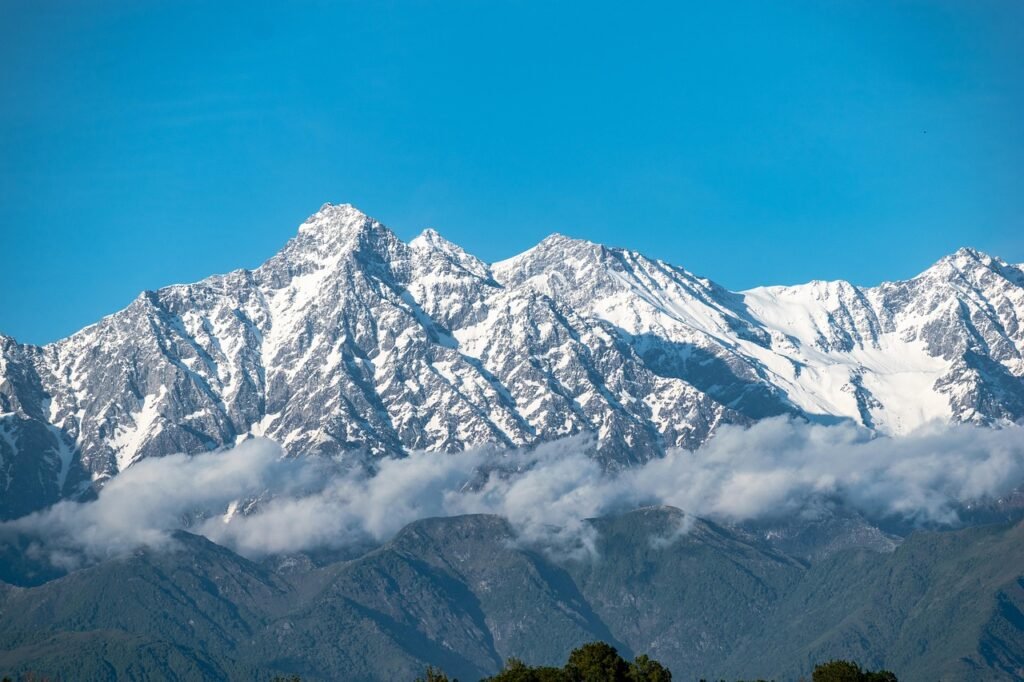
Day 13: Head to Solang Valley (about 13 km away) for views and, in season, adventure activities like paragliding. If you want a bigger excursion, drive through the Atal Tunnel, a 9 km tunnel that opens Lahaul to Manali year-round, and explore the other side. Rohtang Pass requires a permit and is closed for much of the year, so confirm current rules and book online. Also be cautious at higher elevations like Rohtang, which sits around 3,900 meters and can cause altitude symptoms.
In the late afternoon, catch an overnight Volvo bus back to Delhi. It’s about 12 to 14 hours. Book a semi-sleeper or sleeper, and bring a jacket, because the air conditioning can be harsh. If you’d rather fly, Bhuntar (Kullu–Manali) has a small airport, but flights often cancel in bad weather.
Day 14: Back in Delhi

You’ll arrive in the morning, probably tired. Don’t schedule a flight for that same evening unless you build in a large buffer, because hill buses run late. Use the day to rest, repack and do any last shopping, then fly out. If your schedule is flexible, an extra night in Delhi is the smartest insurance on the whole trip.
Where to Stay Along the Route
Rather than recommend specific hotels I can’t vouch for, here’s how I’d choose in each place. Book the first and last nights early, and stay flexible in between.
- Delhi: Stay near a Metro station. Areas like Connaught Place, Paharganj (budget) or South Delhi (quieter, pricier) work well. Avoid the airport zone unless you have an early flight.
- Agra: Pick a hotel within a short ride of the Taj’s East or South Gate to make the sunrise visit easy. Rooftop views are nice but not essential.
- Jaipur: A heritage haveli in or near the old city is a highlight of the trip, and many are surprisingly affordable. Check recent reviews for cleanliness and noise.
- Shimla: Stay within walking distance of Mall Road, since the town centre is pedestrian-heavy and parking is limited.
- Manali: Old Manali is lively and café-filled; the area near Mall Road is more convenient but louder. Pick based on your style.
What to Eat Along the Route
Food is half the fun in India, and this route covers three very different cuisines. In Delhi, go for Mughlai dishes, butter chicken, chole bhature and street snacks like chaat, ideally at busy stalls with high turnover. In Agra, try the petha sweets and kebabs. In Jaipur, order dal baati churma, laal maas (a fiery mutton dish), ghewar (a honeycomb-style sweet, especially in monsoon) and lassi.
In Himachal, the food shifts to hearty mountain fare: siddu (steamed stuffed bread), dham (a traditional festive meal), trout in the Kullu Valley, and thukpa and momos, reflecting Tibetan influence. For the stomach-friendly approach, choose places that are busy, food that’s cooked fresh and served hot, and skip anything that has been sitting out.
Customising the Route
- Shorter (10 days): Do the Golden Triangle plus just Shimla, and cut Manali. You save a long travel day.
- Longer (17+ days): Add Rishikesh and Haridwar between Delhi and the hills, or extend into Rajasthan with Jodhpur and Udaipur.
- Monsoon-proof version: Replace the Himachal leg with Rishikesh and Mussoorie, which tend to be more accessible.
- Slow-travel version: Drop Fatehpur Sikri and the Delhi day trips, and add a third night in Jaipur and Manali.
How to Get Around: Trains, Cars, Buses and Flights
- Trains: The best option for Delhi–Agra, Delhi–Jaipur and Delhi–Kalka. Foreign tourists can book through IRCTC, though registration can be fiddly. A foreign-tourist booking counter also operates at New Delhi station. Book early.
- Private car with driver: Worth it for Agra → Fatehpur Sikri → Jaipur, where it saves hours and lets you stop along the way.
- Ride-hailing: Uber, Ola and Rapido work well in the big cities and are cheaper than haggling with taxis.
- Overnight buses: Fine for Manali → Delhi. Pick a reputable operator or the government-run HRTC.
- Flights: Not needed for this route, apart from your international arrival and departure.
Pros and Cons of This Route
| Pros | Cons |
|---|---|
| Iconic sights plus mountain escape in one trip | Heavy transit, with two long travel days |
| Dramatic contrast between hot cities and cool hills | Season mismatch means few perfect months |
| Mostly trains and short drives, so easy logistics | Hill stations can feel rushed at 2 nights each |
| Works for first-timers | Delhi’s air quality and crowds can be tiring |
| Wide budget range | Monsoon road closures need a backup plan |
Common Mistakes to Avoid
- Trying to see too much. Adding Varanasi, Udaipur or Rishikesh turns a comfortable trip into a sprint. Pick one region.
- Visiting the Taj on a Friday. It’s closed. Check before you book your Agra night.
- Travelling in the wrong season. A May Golden Triangle is miserable, and a July Manali road is a gamble. Use the table above.
- Underestimating Shimla to Manali. It’s a full day, not a quick hop.
- Booking trains last minute. The best services sell out, particularly Gatimaan and the Shatabdi.
- Agreeing to shop stops. Drivers often earn commissions. Set a “no shopping stops” rule up front.
- Flying out the same day you return from the hills. Build in a buffer.
- Trusting strangers who say a site is closed. This is a classic scam to redirect you somewhere else. Check on the official site.
Pro Travel Tips
- Get an eSIM or local SIM on arrival. Maps, ride-hailing and train apps all depend on data.
- Carry cash in small notes. Many smaller vendors and rural taxis still prefer it, and UPI access for foreigners is improving but inconsistent.
- Dress for temples and mosques. Cover shoulders and knees, and carry a scarf. Slip-on shoes save time.
- Pack layers for the hills. Even in October or March, Shimla and Manali evenings are cold.
- Drink sealed bottled water and check the seal before you pay.
- Agree on prices first. For auto-rickshaws, guides and drivers, settle the fare before you move.
- Start early. Monuments are calmer and cooler before 9 a.m.
- Tip modestly. About 10% at restaurants without service charge, and a few hundred rupees per day for a good driver.
Money, Phones and Useful Apps
Withdraw cash from ATMs attached to banks, ideally during the day, and tell your bank you’re travelling so your card isn’t blocked. Hotels, big restaurants and larger shops take cards, but taxis, street food, tips and small bazaars mostly want cash. Keep a mix of ₹100 and ₹500 notes, since drivers rarely have change for big bills.
For your phone, a local SIM or eSIM is easy to set up and cheap. Apps worth installing before you land:
- Uber, Ola and Rapido for city rides.
- IRCTC Rail Connect (or a booking app) and a train-tracking app for live running status.
- Google Maps, with offline maps downloaded for the hills, where signal drops.
- Google Translate, with Hindi downloaded for offline use.
- A weather app and road-status updates for Himachal if you travel outside peak season.
Quick Pre-Trip Checklist
- Check passport validity (six months beyond arrival is the usual rule) and apply for your e-Visa.
- Book international flights, the Gatimaan Express and the Kalka Shatabdi as early as you can.
- Arrange your driver for the Agra–Jaipur leg and your Shimla–Manali taxi.
- Reserve your Manali–Delhi bus and a buffer night in Delhi.
- Buy travel insurance and see a travel clinic.
- Pack layers, modest temple clothing and a power bank.
Staying Healthy and Safe
Most travellers do fine with basic precautions: sealed water, freshly cooked hot food, hand sanitiser, and caution with raw salads and ice at cheap places. Delhi’s air can be bad in the colder months, so pack a decent mask if you’re sensitive. In the hills, take altitude seriously at higher excursions like Rohtang, and drive only with experienced drivers on mountain roads.
Always check your government’s latest advisory before you fly. For U.S. travellers, that’s the State Department’s travel site.
Who Should Choose What
Choose this route if it’s your first trip to India, you have two weeks, and you want the famous monuments plus a break from the heat and noise. It balances sightseeing with scenery, and the logistics are easy by Indian standards.
Skip the hill stations if you’re travelling in December to February and don’t want cold or snow, or if you’d rather spend more time on culture. In that case, extend into Rajasthan: Jodhpur and Udaipur pair well with Jaipur.
Choose a different trip entirely if you want beaches or a slower pace. South India, Kerala, or the Andaman Islands suit that better.
My honest take: this route is best done in October or March, with a buffer day at the end, and by travellers who accept that India rewards flexibility over perfect planning.
Frequently Asked Questions
Is 2 weeks enough for India?
Yes, if you focus on one region. Two weeks comfortably covers Delhi, Agra, Jaipur and two hill stations like Shimla and Manali. It's not enough to cover the whole country.
Can you combine the Golden Triangle with hill stations?
Yes. Complete Delhi, Agra and Jaipur first, then return to Delhi and travel north to Shimla and Manali via Kalka. The route is practical, but timing matters because the two regions peak in different seasons.
What is the best time for 2 weeks in India?
October and March offer the best balance of manageable heat in the cities and open, scenic roads in the hills. November can also work, but check Delhi's air quality first.
How much does 2 weeks in India cost?
Excluding flights, roughly ₹42,000 to ₹77,000 on a budget, ₹1.1 to 2.1 lakh at mid-range, and ₹2.8 lakh or more for comfort travel. Your real cost depends on hotels and private transport.
How many days do you need for the Golden Triangle?
Four to six days. Four is the minimum for Delhi, Agra and Jaipur. Six lets you add Fatehpur Sikri, Jaipur's forts and a slower pace.
Is India safe to travel for 2 weeks?
Millions of tourists travel India safely every year with standard precautions: avoid isolated areas at night, use licensed or app-based transport, and watch for scams. Check your government's current travel advisory before booking.
How do you get from Jaipur to Shimla?
There is no direct route. Most travellers go from Jaipur to Delhi by train or car, then take the Shatabdi to Kalka and continue by toy train or taxi to Shimla.
What should I pack for Delhi and the hill stations?
Light, breathable clothes for the cities, modest outfits for temples, and a warm jacket plus layers for Shimla and Manali evenings. Add sunscreen, a power bank, comfortable walking shoes and basic medicines.