Every few weeks, someone asks me the same question: “I only have time for one, so should I go to Vietnam or Thailand first?” It sounds simple. It is not, because both countries are wonderful, both are cheap compared with Europe or North America, and both have street food that will ruin restaurant meals back home.
Here is my short answer. Go to Thailand first if you want the easiest possible introduction to Asia. Go to Vietnam first if you want more value for your money, more variety in landscapes, and a trip that feels a little less packaged. The rest of this guide explains why, with real numbers, month-by-month weather, honest downsides, and a decision chart at the end.
If you are still building your wider Southeast Asia plan, my Laos vs. Vietnam vs. Cambodia comparison covers the other neighbors too.
Table of Contents
ToggleVietnam vs. Thailand at a Glance
Here is the side-by-side view before we get into detail. The costs are per person per day on the ground, not including international flights.
| Factor | Thailand | Vietnam |
|---|---|---|
| Best for | Beaches, islands, easy first trip, nightlife, families | Food adventure, scenery, history, value |
| Typical daily budget (mid-range) | Roughly $80–130 | Roughly $60–100 |
| Ease for beginners | Very easy | Easy, but needs slightly more planning |
| English spoken | Widely in tourist areas | Good in tourist hubs, patchier elsewhere |
| Beaches | World-famous, more choice | Good, less developed, cheaper |
| Cities | Bangkok, Chiang Mai | Hanoi, Ho Chi Minh City, Hoi An |
| Food style | Bold, spicy, sweet-sour-salty | Fresh, herb-heavy, lighter |
| Crowds | Heavy at headline spots | Growing, but still quieter in many regions |
| Recommended trip length | 10–14 days | 10–16 days (it is a long country) |
How I Compared Them

Travel blogs often say “it depends” and stop there. I wanted to do better, so I judged both countries on the same six things: total cost, ease of getting around, weather, food, variety of things to do, and how safe and comfortable I felt as a visitor.
The prices in this article are a mix of what I personally paid and what I cross-checked against official tourism sites and current listings. I have marked the estimates as estimates. Prices and rules move quickly in Southeast Asia, so treat the numbers as a planning range and confirm before you book.
Visa and Entry Requirements (Check This First)
This is the section most likely to change, and it changed a lot in 2026. Please read it carefully and double-check with the official sources linked below before you buy tickets.
Thailand entry rules
Thailand has just tightened its rules. Until September 14, 2026, citizens of about 93 countries could stay visa-free for 60 days. From September 15, 2026, that scheme was replaced. According to the Thai embassy notice and travel reporting, most eligible passport holders, including travelers from the US, UK, EU, Canada, Australia and Japan, now get up to 30 days visa-free per visit, and around 21 nationalities lost visa-free entry altogether and must apply for a visa before travel. Some nationalities have shorter stays or visa-on-arrival options, so check your own passport.
Whichever category you fall into, you must also complete the Thailand Digital Arrival Card (TDAC) online before you arrive. It is free, it replaced the old paper form in May 2025, and it applies whether you enter visa-free or with a visa. The official site is tdac.immigration.go.th. Do not pay a third-party site to fill it in for you. Submit it a few days before your flight.
Previously, a visa-free stay could be extended once at a local immigration office for about 1,900 baht. Confirm whether that extension is still offered under the new rules before you rely on it.
Vietnam entry rules
Vietnam is simpler to understand. Most travelers, including Americans, Canadians, Australians and Indians, need an e-visa. It is open to citizens of all countries, valid for up to 90 days, and costs $25 for single entry or $50 for multiple entry. Processing usually takes about three working days, so apply at least a week ahead. Use only the official government portal, evisa.gov.vn, because look-alike sites charge extra.
Citizens of a group of countries, including the UK, Germany, France, Italy, Spain, Japan, South Korea and several Nordic nations, can enter without a visa for up to 45 days. Neighboring ASEAN countries get shorter exemptions. Vietnam has changed its lists more than once recently, so verify yours.
Rules that apply to both
- Passport valid for at least six months from your arrival date, with blank pages.
- Proof of onward travel. Airlines do check, and I have seen people held at the check-in desk.
- Travel insurance. It is not always required, but I would never go without it.
For a wider view of visa costs across the region, see my Visa Costs Compared: 8 Asian Countries for US Travelers guide.
Which Country Is Cheaper?
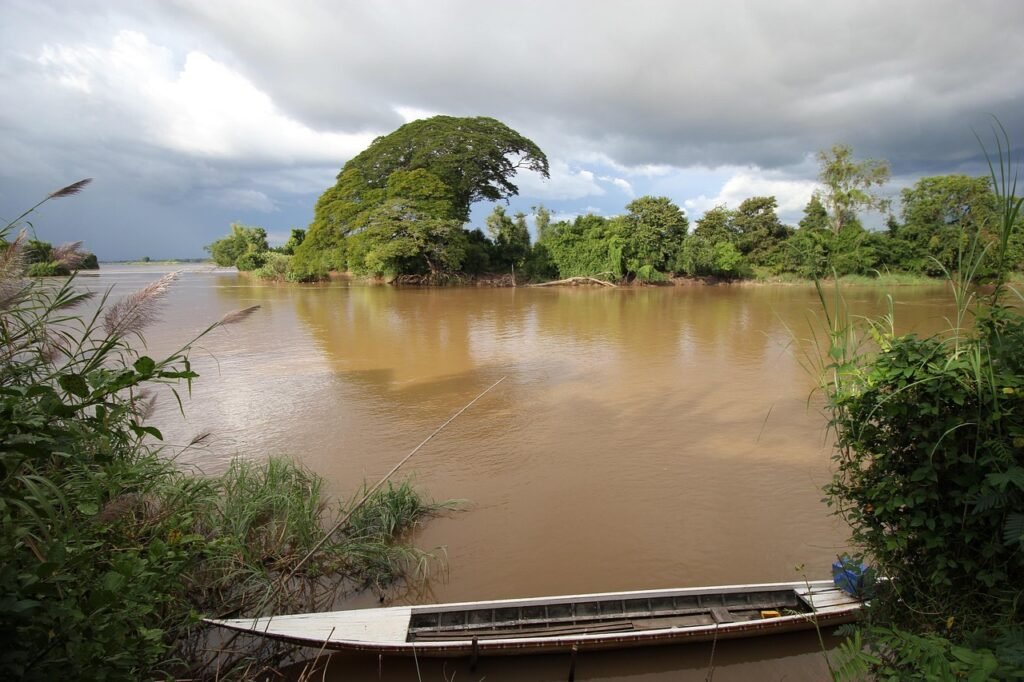
Vietnam is usually cheaper, particularly for mid-range hotels, food and domestic transport. Thailand costs more mainly because its islands and resort areas are pricier, and because it gets more visitors overall. But the gap is smaller than most people think, and you can easily overspend in either country.
Daily budget by travel style
These are my planning estimates per person per day, excluding international flights. Real costs depend on season and where you go.
| Travel style | Thailand | Vietnam |
|---|---|---|
| Backpacker (hostel, street food, buses) | $35–50 | $25–40 |
| Mid-range (private room with air-con, restaurants, some tours) | $80–130 | $60–100 |
| Comfortable (nice hotels, private transfers, guided trips) | $180+ | $140+ |
What things actually cost
| Item | Thailand (approx.) | Vietnam (approx.) |
|---|---|---|
| Hostel dorm bed | $8–14 | $5–9 |
| Private budget room | $20–40 | $15–30 |
| Street food meal | $2–3.50 | $1.50–3 |
| Sit-down restaurant meal | $6–12 | $5–10 |
| Local beer in a bar | $2–3.50 | $0.70–1.50 |
| Short ride-hailing trip in a city | $2–5 | $1–3 |
| Domestic flight | $30–80 | $30–70 |
| Data eSIM (one to two weeks) | $5–12 | $5–12 |
Where Thailand costs more
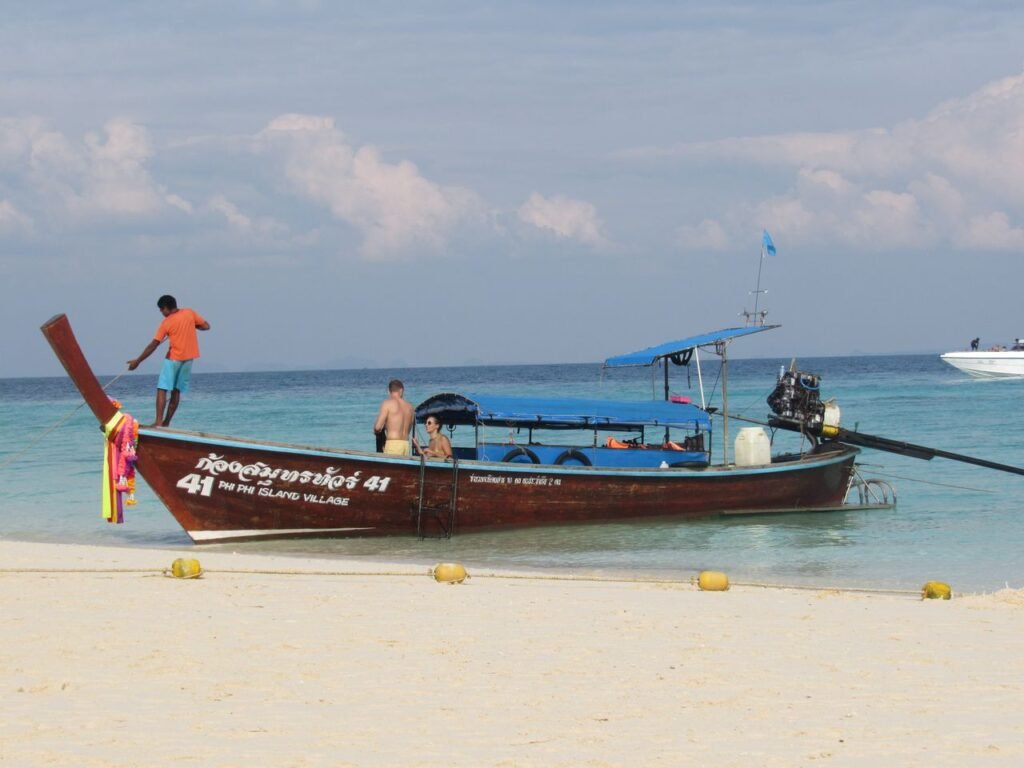
The islands are the big factor. A beach bungalow on Koh Phi Phi or a resort room in Phuket during high season can easily cost double what a similar room costs in Hoi An or Da Nang. Ferries between islands add up, and tourist prices for activities such as island tours and elephant sanctuary visits are higher than comparable activities in Vietnam.
Where Vietnam costs more than you expect
Vietnam looks very cheap on paper, and then a few things surprise people. Ha Long Bay cruises range from budget to luxury and the differences are huge. Domestic flights add up because the country is so long. And the more polished parts of Hoi An, Da Nang and Phu Quoc have resort pricing that starts to look a lot like Thailand’s.
A sample 10-day cost
- Backpacker: roughly $250–400 in Vietnam, $350–500 in Thailand.
- Mid-range: roughly $600–1,000 in Vietnam, $800–1,300 in Thailand.
Add flights, insurance and your visa fees on top. Check current fares from your departure city, because a return flight to Bangkok is often cheaper than a return to Hanoi or Ho Chi Minh City, which can change your total more than the daily costs do.
Best Time to Visit Vietnam and Thailand

This is where most guides go wrong. They give one “best time” for the whole country, but both countries have more than one climate. If you get this right, you save yourself a lot of rain.
Thailand: two coasts, two rainy seasons
Broadly, Thailand has a cool, dry season from November to February, a hot season from March to May, and a rainy season from roughly June to October. But the coast matters:
- Andaman coast (Phuket, Krabi, Phi Phi, Koh Lanta): best from about November to April. The monsoon brings rough seas and some closures from roughly May to October.
- Gulf coast (Koh Samui, Koh Phangan, Koh Tao): best from about January to August, with heavier rain typically from October to December.
- Bangkok and central Thailand: hottest in April and May. Rain arrives in short, heavy bursts in the wet season, but it rarely ruins a whole day.
- Chiang Mai and the north: pleasant and cooler from November to February. From February to April, agricultural burning can cause serious air pollution, so avoid northern Thailand in those months if you have breathing sensitivities.
Vietnam: three regions, three different stories
- North (Hanoi, Sapa, Ha Long Bay, Ha Giang): four seasons. Winters from about December to February are cool and often gray, and Sapa can be properly cold. Spring (March to April) and autumn (September to November) are the sweet spots. Summer is hot, humid and wet.
- Central (Da Nang, Hoi An, Hue, Phong Nha): best from about February to August for beaches and sunshine. The storm and flood season generally runs from around September to December, and October and November can bring serious flooding to Hoi An and Hue.
- South (Ho Chi Minh City, Mekong Delta, Phu Quoc): dry season from about December to April, wet season from May to November with predictable afternoon downpours.
Month-by-month snapshot
| Month | Thailand | Vietnam |
|---|---|---|
| Jan | Excellent almost everywhere | Great in the south, cool and gray in the north |
| Feb | Excellent (watch northern smoke) | Good overall. Tet holiday can disrupt travel and prices |
| Mar | Hot, still good for the islands | Very good nationwide |
| Apr | Very hot. Songkran water festival mid-April | Very good. Hot in the south |
| May | Hot and getting wet on the Andaman coast | Good in the north and center |
| Jun | Rainy. Gulf islands still decent | Hot in the center and north. Rain in the south |
| Jul | Rainy. Gulf islands decent | Best beach weather in the center |
| Aug | Rainy. Fewer crowds | Good in the center. Wet in the south |
| Sep | Wettest month in many areas | North lovely. Central storm season begins |
| Oct | Rain easing in the north | North excellent. Central risky |
| Nov | Season starts. Andaman improves | North excellent. Central flood risk |
| Dec | Peak season, high prices | South great, north cool |
If you can only pick one window
For a first trip that combines both countries or covers the most ground, late November to early March is the most reliable. If you are only visiting Vietnam and want the whole country in good weather, March to April and September to early November (north only) are the sweet spots. If you are only visiting Thailand for the beaches, aim for December to March on the Andaman side.
Holiday warning: Vietnam’s Tet (Lunar New Year) usually falls in late January or February and many businesses close for several days while locals travel home. Thailand’s Songkran in mid-April is fun but very wet and busy. Plan around them on purpose, don’t run into them by accident.
Food: Thai vs. Vietnamese Cuisine
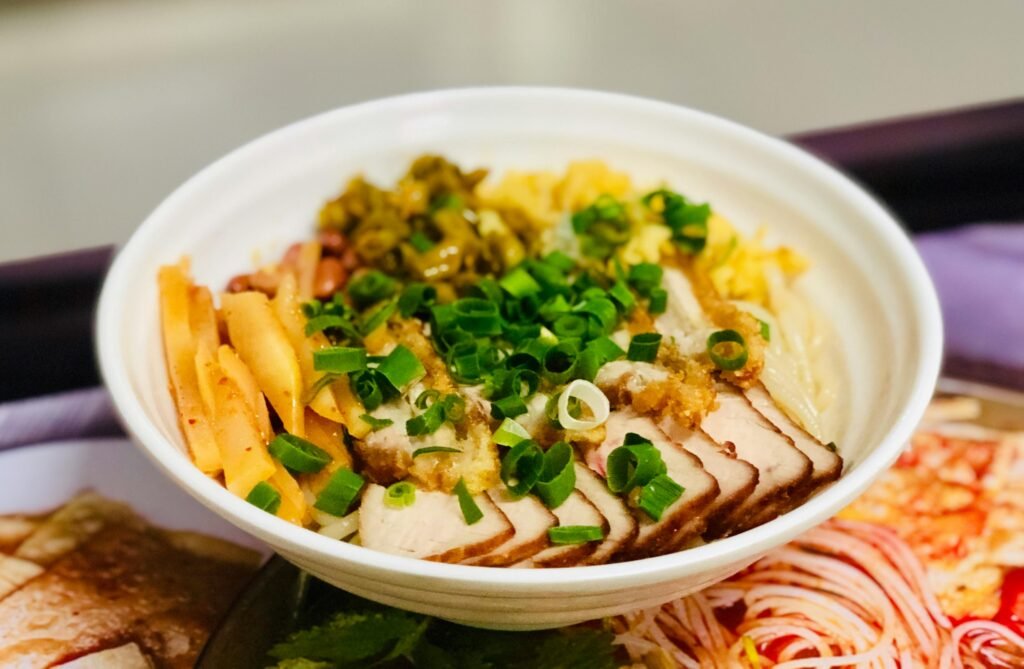
I will say this plainly: you cannot lose here. But the two cuisines feel very different.
Thai food: bold and layered
Thai cooking plays with sweet, sour, salty, spicy and creamy all at once. Think pad thai, green curry, tom yum soup, som tam (green papaya salad), khao soi in the north, and mango sticky rice for dessert. The spice level can be serious. Say “mai phet” (not spicy) if you want to be safe, and you will still probably get some heat.
Vietnamese food: fresh and herb-driven
Vietnamese food is lighter and built around fresh herbs, broths, rice noodles and dipping sauces. Phở is the famous one, but look for bún chả in Hanoi, bánh mì everywhere, cao lầu and mì Quảng around Hoi An and Da Nang, bún bò Huế in Hue, and fresh spring rolls in the south. Vietnamese coffee, especially egg coffee in Hanoi and iced coffee with condensed milk, deserves its own mention.
Which is easier for a first-timer?
Thai food is a little more familiar to Western palates because Thai restaurants are so common abroad. Vietnamese food is milder overall, which some travelers find easier day to day, especially with kids. Both countries have excellent vegetarian options if you look for them, though Vietnam’s fish sauce shows up in almost everything, so be specific if you avoid it.
Where to Go: Best Destinations Compared
Big cities: Bangkok vs. Hanoi vs. Ho Chi Minh City
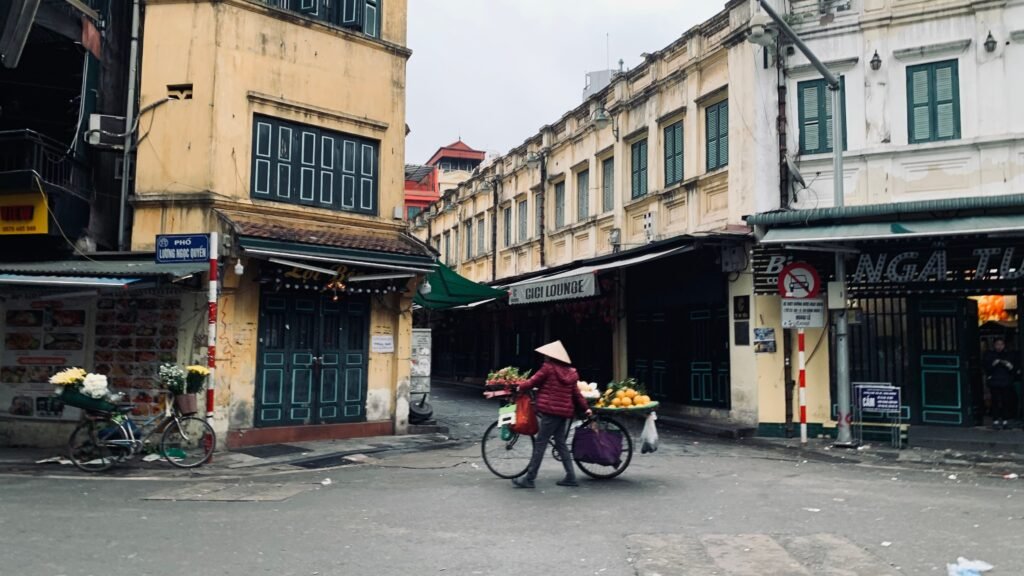
Bangkok is huge, polished in places and chaotic in others, with temples, rooftop bars, malls, a great metro and sky train, and endless food. Hanoi feels older and more compact, with the Old Quarter’s tangled streets, lakeside cafés and French colonial buildings. Ho Chi Minh City is fast, hot and loud, with a war-history focus and some of the best street food in the country. For a first visit, Bangkok is the easiest to navigate. Hanoi rewards you if you like atmosphere over comfort.
Beaches and islands
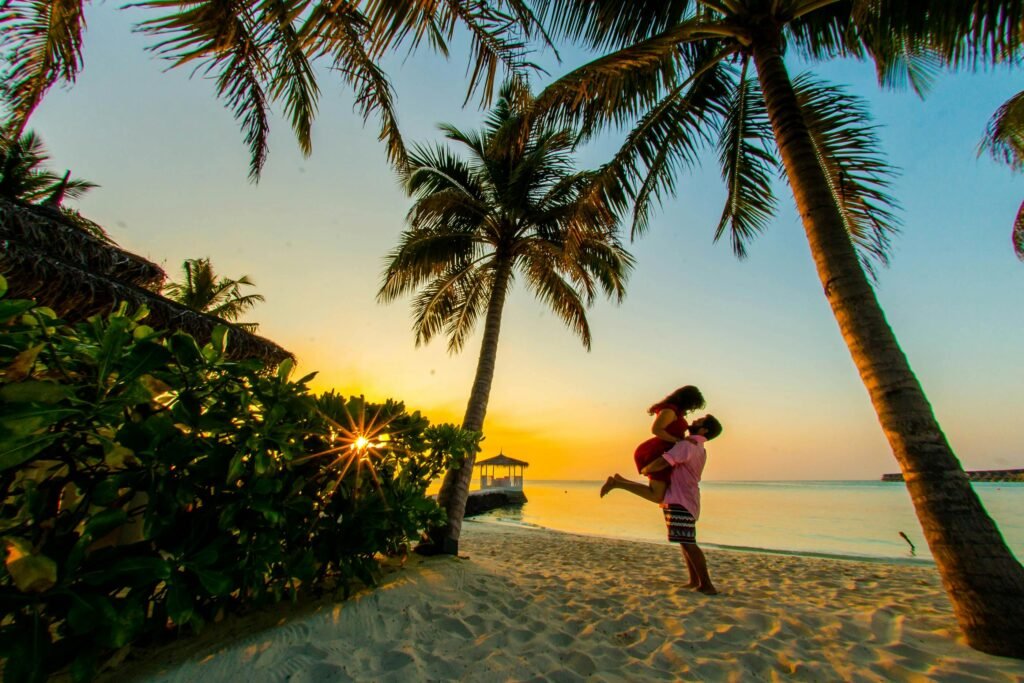
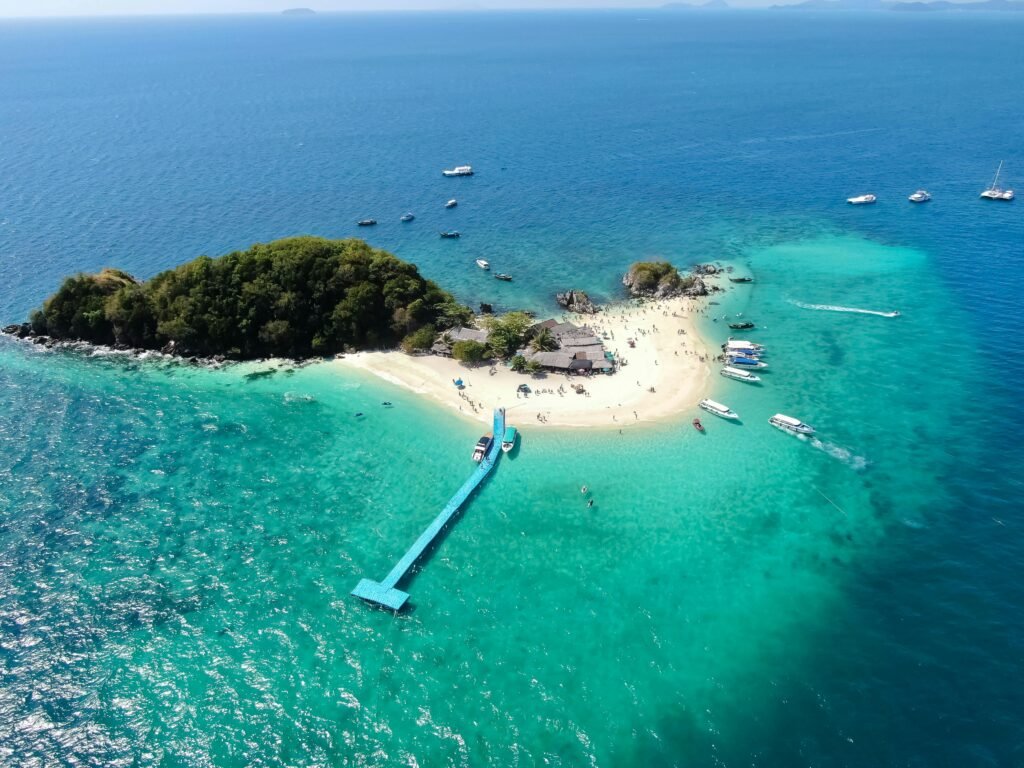
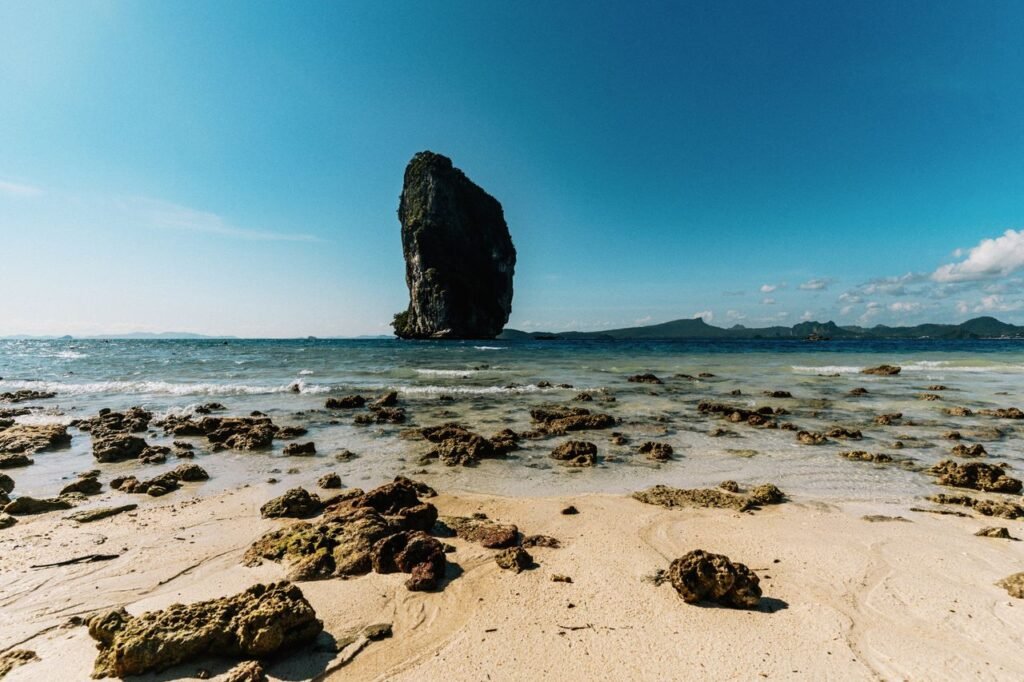
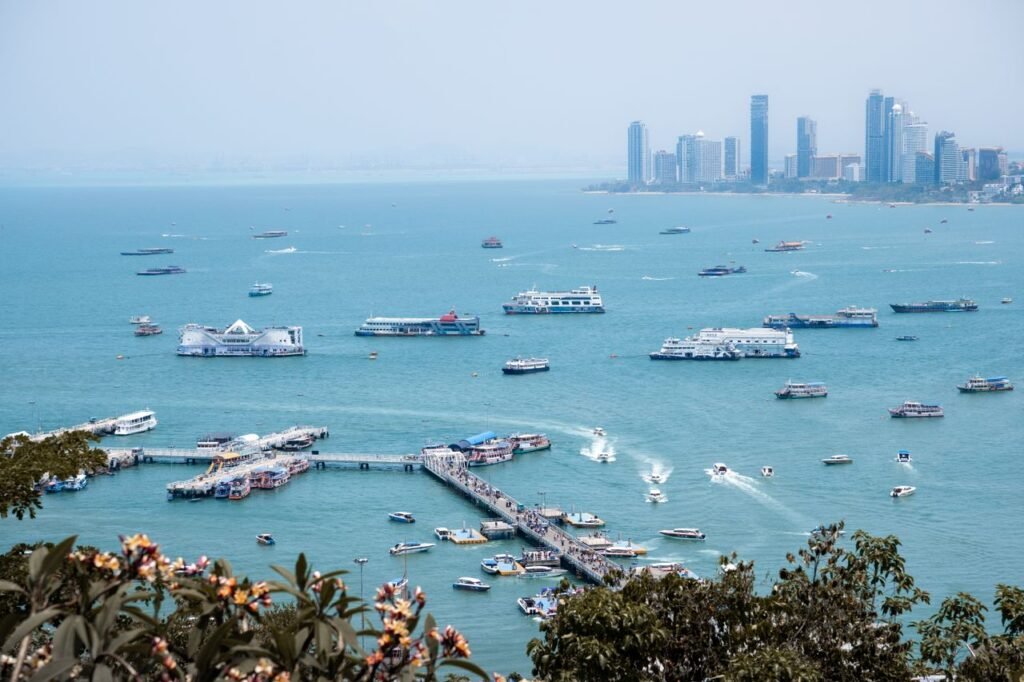
Thailand wins on choice. Between Phuket, Krabi, Koh Lanta, Koh Samui, Koh Tao and the quieter Koh Lipe, there is a beach for every budget and mood. The catch is crowding and higher prices at the famous spots. Vietnam’s beaches are less developed but often quieter and cheaper. Phu Quoc, Nha Trang, Da Nang’s My Khe and Con Dao are the main ones. If pure beach time is your top priority, go to Thailand.
Culture and history
Thailand offers Buddhist temples, the Grand Palace, the ruins at Ayutthaya and Sukhothai, and Chiang Mai’s old city. Vietnam offers a different kind of depth: the imperial citadel in Hue, the ancient town of Hoi An, the Cu Chi tunnels, the War Remnants Museum, and living traditions in hill tribe villages. Vietnam’s recent history is more visible everywhere you go, which many travelers find moving.
Nature and adventure
This is where Vietnam pulls ahead for me. Ha Long and Lan Ha Bay, the rice terraces around Sapa, the limestone karsts of Ninh Binh, the caves at Phong Nha, and the motorbike loop through Ha Giang are hard to match. Thailand has excellent national parks such as Khao Sok, plus diving at Koh Tao and rock climbing at Railay, and the mountains around Chiang Mai and Pai are lovely. But Vietnam’s scenery is more dramatic per hour of travel.
Getting Around and Practical Logistics
Domestic transport
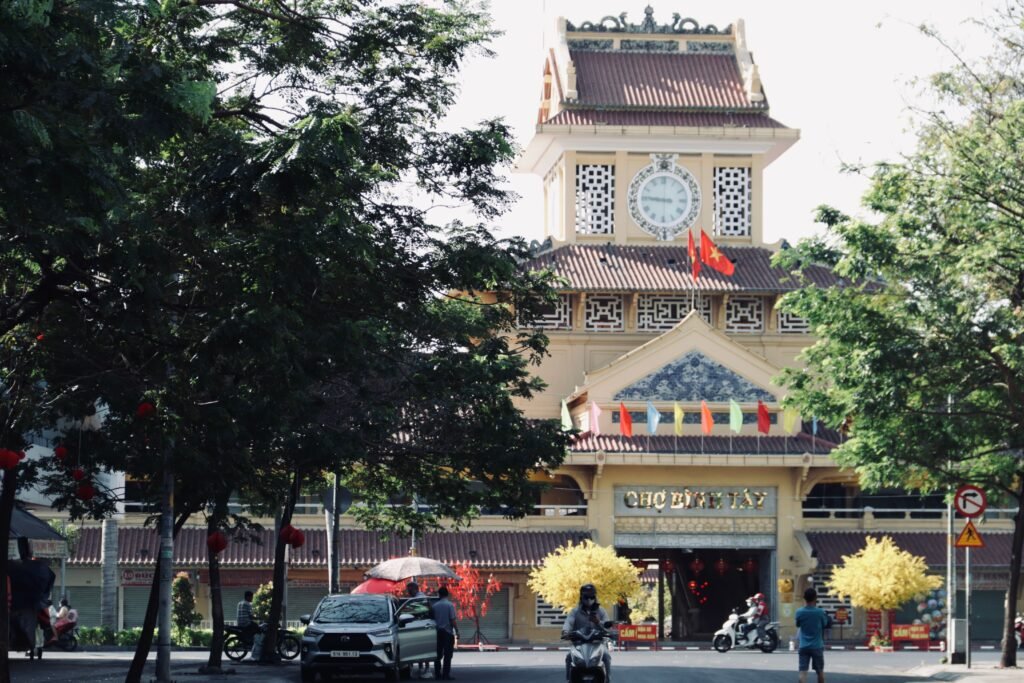
Thailand has a well-developed system of budget airlines, comfortable VIP buses, overnight trains (Bangkok to Chiang Mai is a classic) and minivans. Getting to the islands is easy with combined bus-and-ferry tickets. Vietnam is long and thin, roughly 1,600 km from top to bottom, so you’ll probably use flights, sleeper buses and the north-south train. The Reunification Express train is scenic but slow, and a full run takes well over a day. Budget domestic flights are cheap enough that many travelers use them to skip the long stretches.
Ride-hailing and getting around cities
Grab works in both countries and is the easiest way to avoid taxi haggling. In Bangkok, use the BTS Skytrain and MRT metro where you can. In Hanoi and Ho Chi Minh City, Grab bikes and cars are cheap, and crossing the road takes practice. My tip: walk slowly and steadily, do not run, and let the motorbikes flow around you.
SIM cards, payments and language
An eSIM is the simplest solution in both countries. Cash is still king at street stalls, though card and QR payments are spreading quickly in cities. ATMs charge a fee per withdrawal in both countries (Thai ATMs are particularly known for this), so take out larger amounts less often. English is more widely spoken in Thailand’s tourist areas. In Vietnam, younger people in cities often speak some English, but a translation app is handy in smaller places.
Safety, Health and Etiquette

How safe are they really?
Both countries receive millions of visitors a year and most of them go home with nothing worse than a sunburn. Violent crime against tourists is uncommon in both. What you should expect instead is low-level hassle: overcharging, pushy sellers, and opportunistic theft. Keep your phone away from the roadside in Ho Chi Minh City and Hanoi, where thieves on motorbikes can grab a phone from your hand in seconds. In Bangkok and Phuket, be cautious with anyone who approaches you unprompted with a “special” tour, gem deal or closed-attraction story.
Food and water
Stomach trouble is the most common complaint. Drink bottled or filtered water, be careful with ice in very informal places, and choose stalls with high turnover. Wash or sanitize your hands before eating. Pack basic rehydration salts and any regular medication, and check with a travel clinic about vaccines a few weeks before you go.
Air quality and heat
Northern Thailand can have serious smoke from roughly February to April, and Hanoi sometimes has poor air quality in winter. If you have asthma or other breathing problems, check the air quality index before you choose your dates. The heat itself catches many people out. Plan outdoor sightseeing for early morning, take a midday break, and drink more water than you think you need.
Temple and cultural etiquette
Both countries are deeply respectful of religion and family. Cover your shoulders and knees at temples and pagodas, take off your shoes where asked, and never disrespect images of Buddha, for example by posing rudely or climbing on statues. In Thailand, criticism of the monarchy is illegal and taken very seriously, so avoid the topic. In Vietnam, avoid touching people’s heads, pass things with both hands, and be thoughtful when discussing the war. A little humility and a smile go a very long way.
Sample First-Trip Itineraries
If you are still deciding, it helps to picture what a real week looks like. These are simple starting points, and they assume you’re arriving in the best-weather window for each region.
7 days in Thailand (easy and classic)
- Days 1–3: Bangkok. Temples, river boats, street food, and a night at a rooftop or night market.
- Days 4–7: Fly to Krabi or Phuket for beach time, an island-hopping day trip, and a slow final evening. In the Gulf months, swap in Koh Samui.
7 days in Vietnam (north to center)
- Days 1–3: Hanoi. The Old Quarter, food tours, and a day trip to Ninh Binh.
- Day 4: Overnight in Lan Ha or Ha Long Bay, or a train to Hue.
- Days 5–7: Fly to Da Nang and base yourself in Hoi An, with a day on the beach and a day exploring the old town and countryside.
Which one feels more relaxing?
The Thai week is easier and more beach-heavy. The Vietnamese week is busier and more scenic. If you want to unwind, choose Thailand. If you want to explore, choose Vietnam.
Pros and Cons Comparison
Thailand
| Pros | Cons |
|---|---|
| Easiest introduction to Southeast Asia | Popular spots feel crowded and commercial |
| World-class beaches and islands | Islands and resorts can get expensive |
| Excellent tourist infrastructure and English | Tourist scams (tuk-tuks, jet skis, gem shops) are common |
| Great food for every budget | Heat and air pollution in some months |
| Strong wellness, diving and nightlife scenes | Visa-free stay is now shorter, and rules changed in 2026 |
Vietnam
| Pros | Cons |
|---|---|
| Excellent value for money | Long distances need more time or flights |
| Dramatic, varied landscapes | Weather varies wildly by region and month |
| Amazing, fresh, regional food | Traffic and noise in the big cities can be overwhelming |
| Rich, visible history | Some tourist areas have pushy sellers and overcharging |
| Generally less crowded outside the main trail | Less English outside tourist hubs |
Neither list is a dealbreaker. What matters is which cons bother you the most. If crowds and scams stress you out, weigh that against Thailand. If long travel days and fewer English speakers worry you, weigh that against Vietnam.
Common Mistakes to Avoid

1. Trying to do both in a short trip
I see this all the time. Ten days is not enough for Bangkok, the Thai islands, Hanoi and Ho Chi Minh City. You’ll spend a big chunk of your trip in airports. Pick one country for a short trip and save the other for next time.
2. Using one weather forecast for the whole country
As covered above, Vietnam’s regions and Thailand’s two coasts run on different seasons. Check the specific place and month before you book.
3. Leaving visa research to the last minute
With Thailand’s 2026 changes and Vietnam’s frequently updated lists, the rule you read on a two-year-old blog might be wrong. Check the official sites and complete Thailand’s TDAC ahead of your flight.
4. Underestimating distances in Vietnam
Hanoi to Ho Chi Minh City by land is a long way. Do not try to see everything. Choose a north, center or south focus, or plan to fly between regions.
5. Falling for common tourist scams
In Bangkok, watch for the “the Grand Palace is closed today” line from friendly strangers, and unmetered tuk-tuk rides. On Thai islands, jet-ski rental damage claims are notorious. In Vietnam, agree the fare or use Grab, and keep your phone and bag secure on the street, especially near roads in Ho Chi Minh City where snatch thefts on motorbikes happen. My full list is in my Vietnam travel mistakes guide.
6. Renting a motorbike without proper cover
Motorbike accidents are one of the most common ways tourists get hurt in both countries. If you ride, wear a proper helmet, make sure your license and insurance actually cover motorbikes, and do not ride in heavy city traffic if you are inexperienced. Many insurers refuse claims if you weren’t correctly licensed.
7. Skipping travel insurance
Medical care is good and affordable in big cities, but an air evacuation or a serious hospital stay is not. Insurance costs a small fraction of a bad outcome.
8. Overpacking
You can buy nearly anything you forgot. Pack light, breathable clothes, a rain jacket, and modest layers for temples.
Pro Travel Tips

- Book the first night, not the whole trip. Leave room to change plans, especially in Vietnam where the weather can shift your route.
- Use Grab in both countries. It removes haggling and gives you a record of the ride.
- Carry small notes. Street vendors often can’t change large bills.
- Dress respectfully at temples. Cover shoulders and knees in both countries, and never touch monks’ heads or point your feet at Buddha images.
- Try the busy stall. A crowd of locals is the best food safety and quality check I know.
- Drink bottled or filtered water. Avoid tap water in both countries.
- Book popular things early in peak season. That includes Ha Long Bay cruises, the Ha Giang loop and island ferries around December and January.
- Learn a few words. “Cảm ơn” (thank you) in Vietnamese and “khob khun” in Thai will earn you real smiles.
- Keep digital and paper copies of your passport, visa and insurance.
Can You Visit Both? How to Combine Them
Yes, and it is a great trip if you have at least two to three weeks. The two countries are only a short, cheap flight apart.
The easiest routing
Fly into Bangkok, spend time in Thailand, then take a budget flight (usually around two hours) to Hanoi or Ho Chi Minh City, and fly home from Vietnam. This “open-jaw” route avoids backtracking. Compare open-jaw fares against a simple return, because the difference is sometimes small.
A sample 14-day split
- Days 1–3: Bangkok
- Days 4–6: Chiang Mai or a beach in southern Thailand
- Days 7–8: Fly to Hanoi, then Ninh Binh or Ha Long Bay
- Days 9–11: Fly to Da Nang and visit Hoi An
- Days 12–14: Ho Chi Minh City and the Mekong Delta
It’s tight but possible. If you would rather slow down, drop one region.
What about going overland?
Overland travel between the two countries usually means crossing through Laos or Cambodia, and it takes much longer than flying. Border conditions between Thailand and Cambodia have been unpredictable, so check current advice before you plan any land route.
Who Should Choose What?
Choose Thailand first if…
- This is your first trip to Asia and you want the smoothest possible start.
- You want beaches, islands and easy resort comfort.
- You are traveling with young children or older relatives.
- You only have around a week to ten days.
- You want nightlife, wellness retreats, or diving.
Choose Vietnam first if…
- You care about value and want your money to go further.
- You love food and want regional variety.
- You are drawn to mountains, caves, rice terraces and bays more than beaches.
- You want a slightly less polished, more adventurous trip.
- You have two weeks or more and are happy to cover distance.
Quick decision guide by traveler type
| Traveler | My pick | Why |
|---|---|---|
| First-time Asia traveler | Thailand | Easiest logistics and English |
| Solo backpacker on a tight budget | Vietnam | Cheaper beds and food, great social hostels |
| Couple (romantic trip) | Either | Thai islands for beaches, Hoi An and Ha Long Bay for charm |
| Family with young kids | Thailand | Family resorts, easier transport, kid-friendly food |
| Foodie | Vietnam (then Thailand) | Regional depth and freshness |
| Beach lover | Thailand | More choice and better infrastructure |
| Landscape and adventure seeker | Vietnam | Sapa, Ha Giang, Ninh Binh, Phong Nha |
| Remote worker | Thailand (Chiang Mai, Bangkok) | Mature co-working and cafe scene. Check current visa rules |
Frequently Asked Questions
Is Vietnam or Thailand better for first-time travelers?
Thailand is generally easier for first-timers because of its tourist infrastructure, widespread English and simple logistics. Vietnam suits travelers who want more adventure and lower costs and don't mind a bit more planning.
Is Vietnam cheaper than Thailand?
Usually yes. Accommodation, food and drinks tend to cost less in Vietnam, often by 15–25% for a mid-range traveler. The gap shrinks if you spend most of your time in Vietnam's resort areas or Thailand's cheaper northern towns.
Which is safer, Vietnam or Thailand?
Both are generally safe for tourists. The most common problems are petty theft, taxi and tuk-tuk overcharging, scams and, above all, motorbike accidents. Use common sense, keep valuables close, and get proper insurance.
What is the best time to visit Vietnam and Thailand together?
Late November to early March works best for combining both, although central Vietnam can still be gray and cool early in that window, and the Gulf of Thailand is wetter in November and December. Check each region before you finalize dates.
How many days do you need for Vietnam vs. Thailand?
Ten to fourteen days covers the highlights of either country. Vietnam benefits from a little longer because of the distances. If you want both, plan at least three weeks.
Is the food better in Thailand or Vietnam?
It comes down to taste. Thai food is bolder, spicier and more layered, while Vietnamese food is lighter, fresher and more herb-driven. Most food lovers end up adoring both.
Do I need a visa for Vietnam and Thailand?
It depends on your passport. Many travelers need a $25 e-visa for Vietnam, while some Europeans and others can enter visa-free for up to 45 days. Thailand now offers up to 30 days visa-free for most eligible nationalities as of September 15, 2026, and everyone must complete the Thailand Digital Arrival Card. Rules change, so always check the official government sites.