Vietnam rewards travelers who show up prepared and humbles the ones who don’t. On our trip through Hanoi, Hoi An, and Ho Chi Minh City. This isn’t another recycled “things not to do” checklist. It’s a practical breakdown of the Vietnam travel mistakes that actually cost visitors money, time, or a bad afternoon — with real numbers, real fixes, and the sections most guides skip entirely: what a trip actually costs, when to go by region, and who this trip is (and isn’t) right for.
Before you start planning your itinerary, it’s worth understanding how Vietnam is laid out, the best routes to take, and what to expect in different regions. Our comprehensive Vietnam Travel Guide covers the country’s top destinations, transportation, budgeting, visa requirements, and practical travel tips to help you plan a smoother and more enjoyable trip.
Table of Contents
ToggleTop 5 Vietnam Travel Mistakes
- Riding a scooter without a license, helmet, or insurance — the single biggest safety risk for tourists.
- Drinking tap water — unsafe nationwide, even in major hotels, without boiling or filtering first.
- Trying to cover the whole country in a week — Vietnam stretches over 1,600 km north to south.
- Skipping travel insurance — scooter accidents are the most commonly denied claims when riders are uninsured or unlicensed.
- Exchanging large amounts of cash at the airport — airport counters consistently offer the worst rates in the country.
Best Time to Visit Vietnam
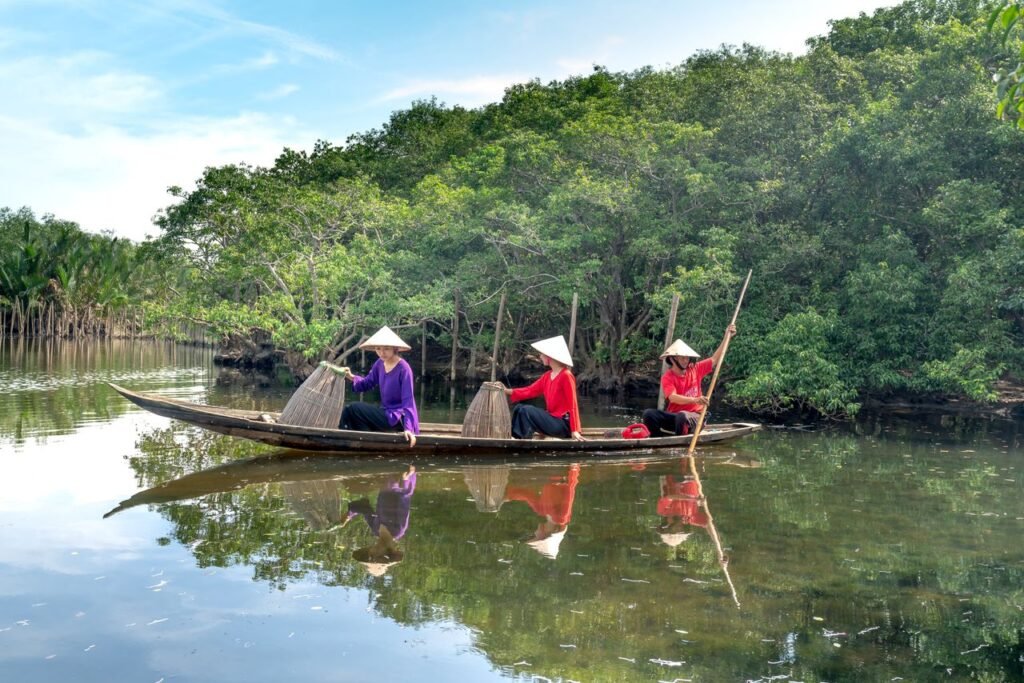
Vietnam doesn’t have one climate — it has three. The country runs over 1,600 km north to south, so “what’s the weather like in Vietnam” is close to a trick question. Plan by region, not by country.
| Region | Best Months | Avoid |
|---|---|---|
| North (Hanoi, Ha Long Bay, Sapa) | Oct – Dec, Mar – Apr | Jan – Feb (cold, foggy), Jun – Aug (heavy rain) |
| Central (Da Nang, Hoi An, Hue) | Feb – May | Sep – Nov (typhoon season) |
| South (Ho Chi Minh City, Mekong Delta, Phu Quoc) | Dec – Apr (dry season) | May – Oct (daily downpours) |
If you’re visiting multiple regions on one trip, there’s no perfect month — you’re always trading off one region’s weather for another’s. December through early April is the closest thing to a universal sweet spot, since the south is dry and the north is cool but clear.
Vietnam Trip Cost Breakdown

Vietnam is genuinely one of the cheapest countries in Asia to travel well in — but budget guides that quote a single “average daily cost” hide how much your choices actually move the number. Here’s a realistic 2026 breakdown by travel style, in USD, per person per day, excluding international flights and the roughly $25 e-visa fee:
| Category | Backpacker ($30–50/day) | Mid-Range ($80–150/day) | Comfort ($200–350/day) |
|---|---|---|---|
| Accommodation | Dorm bed, $8–15 | 3-star hotel, $30–60 | 4–5-star hotel, $100+ |
| Food | Street food, $10–18 | Local + mid-range restaurants, $10–25/meal | Restaurants + occasional fine dining |
| Local transport | Motorbike rental, $4–10/day | Grab rides, $8–20/day | Private driver |
| Activities | Free/low-cost sights | One paid tour every 1–2 days | Private tours, day cruises |
Pros & Cons of Traveling Vietnam Right Now
| Pros | Cons |
|---|---|
| Genuinely affordable relative to Thailand and Bali | Traffic and street-crossing take real getting used to |
| World-class, inexpensive street food | Language barrier outside major cities and tourist zones |
| Grab/ride-hailing infrastructure is mature and reliable | Weather varies so much by region that “one trip, one season” rarely works |
| Improving tourist infrastructure (trains, sleeper buses, e-visa) | Petty scams (taxi meters, currency exchange) still target first-timers |
Common Mistakes to Avoid in Vietnam
1. Riding a scooter without a license, helmet, or insurance
Motorcycles make up the vast majority of vehicles on Vietnam’s roads, and they’re involved in a similarly outsized share of traffic fatalities. According to World Health Organization data cited by Vietnam’s National Traffic Safety Committee, wearing a standard-compliant helmet reduces the risk of death in a motorcycle accident by 42% and traumatic brain injury by 69%. The fix: if you’re not an experienced rider with a valid license, use Grab Bike or a private driver instead — you get the same mobility without invalidating your insurance.
2. Drinking tap water
Tap water is not safe to drink anywhere in Vietnam, including in major hotels, without boiling or filtering first — a point the CDC’s Travelers’ Health guidance for Vietnam reinforces directly. The fix: stick to bottled or filtered water, skip ice from street vendors, and use bottled water to brush your teeth.
3. Using unmetered taxis instead of Grab
Tampered meters and inflated flat rates are still common at airports and tourist hubs. The fix: open Grab before you land, confirm the fare in-app before you get in, and match the license plate to what’s shown on your phone.
Getting around Vietnam is easier than many first-time visitors expect once you understand the different transport options available. Our detailed Vietnam Transportation Guide explains when to use trains, domestic flights, sleeper buses, Grab, taxis, and motorbike taxis, helping you choose the safest and most efficient way to travel between cities and attractions.
4. Exchanging large sums of cash at the airport
Airport exchange counters consistently offer the worst rates in the country. The fix: exchange only enough for your first day at the airport, then use city exchange counters or ATMs for the rest — and always double-check the number of zeros before paying (the Vietnamese Dong trips up almost every first-timer).
5. Trying to see the whole country in a week
Vietnam stretches over 1,600 km north to south. The fix: for a 7–10 day trip, pick one region (north, central, or south) instead of trying to chain all three by domestic flight.
6. Ignoring regional weather differences
Searching “Vietnam weather” instead of “Hanoi weather in January” is how travelers end up packing for the wrong trip. The fix: check the region-by-region table above before you pack or book.
7. Bringing up politics in conversation
Government and leadership are sensitive topics, and even casual questions can land as disrespectful, particularly outside major cities. The fix: stay curious about culture and history, but let locals lead if the conversation goes there.
8. Dressing inappropriately at temples and pagodas
Shoulders and knees should be covered at religious sites, and shoes come off when requested. The fix: pack one lightweight cover-up specifically for temple visits, even on a beach-focused itinerary.
9. Overpacking instead of using local laundry
Affordable same-day laundry is available almost everywhere. The fix: pack for 4–5 days, not the whole trip — a lighter bag also makes sleeper trains and buses far more manageable.
10. Booking Tet-season travel last minute
Lunar New Year is Vietnam’s busiest and most disruptive travel period — trains, sleeper buses, and hotels sell out weeks ahead, and some family-run businesses close entirely. The fix: if your trip overlaps Tet, book transport and key accommodation at least a month out.
11. Assuming credit cards work everywhere
Cards are widely accepted in cities, hotels, and malls, but small shops, markets, and rural businesses still run on cash. The fix: carry small VND bills at all times, especially outside major cities.
Pro Travel Tips

- Set up an eSIM before you land — you’ll have Grab and maps working the moment you clear immigration instead of hunting for a SIM kiosk.
- Watch for airport Grab surcharges — some airports add a pickup fee that shows in-app; it’s still cheaper than an unmetered taxi.
- Verify the plate, not just the car color — drivers occasionally wait near the pickup point in unofficial vehicles hoping you won’t check.
- Learn a few Vietnamese food phrases if you’re vegetarian or have allergies — menus outside tourist zones aren’t always in English.
- Keep a stash of small VND notes separate from your main cash — street vendors and small buses rarely have change for large bills.
Who Should (and Shouldn't) Travel Vietnam Right Now
If you’re a first-timer wanting a manageable trip, pick one region — north or central — rather than chasing all three. If you’re an experienced Southeast Asia traveler comfortable with chaos and flexible plans, a full north-to-south route rewards the effort. If you’re risk-averse or unfamiliar with motorbike traffic, skip scooters entirely and budget for Grab or a private driver — it’s a small cost difference that removes most of the real risk in this article.
Having covered Vietnam, Thailand, Indonesia, and India for this site, our honest take: Vietnam is one of the most rewarding countries in Southeast Asia for travelers who plan around its regional differences instead of treating it as one uniform destination.
Frequently Asked Questions
What is the biggest mistake tourists make in Vietnam?
Trying to visit too many places in a short trip. Vietnam stretches over 1,600 km north to south, and travel between regions takes longer than most first-timers expect — picking one region per week of travel gives a far better experience.
Is Vietnam safe for first-time travelers?
Yes, generally. The main risks are traffic accidents (especially for scooter riders) and petty theft or pickpocketing in crowded tourist areas — not violent crime.
How much does a trip to Vietnam cost per day?
Roughly $30–50/day for backpackers, $80–150/day for mid-range travel, and $200–350/day for comfort travel, excluding international flights and the roughly $25 e-visa fee.
Do tourists need travel insurance for Vietnam?
It's strongly recommended. Scooter accidents are among the most commonly denied claims for uninsured or unlicensed riders, and medical costs for a serious injury can be far higher than the cost of a policy.
What should I avoid doing in Vietnam culturally?
Avoid discussing politics, dress modestly at temples and pagodas, and ask before photographing people, especially in rural areas.
Is it easy to get scammed in Vietnam?
Minor scams — unmetered taxis and inflated airport currency exchange rates — are the two most common. Both are easy to avoid using Grab and exchanging only small amounts at the airport.
When is the best time to visit Vietnam?
It depends on the region: December through April is dry in the south, October to December and March to April are best in the north, and February through May suits central Vietnam. See the regional breakdown above.
How many days do you need in Vietnam?
7–10 days is enough to explore one region well. 10–14+ days allows a realistic north-to-south route without feeling rushed.