
That first hour is why people keep asking the same question: why do so many single men fly to Thailand alone? Is it the beaches? The food? The prices? Something else?
The short answer is that Thailand makes travelling solo easy. It is cheap enough that you can afford to make mistakes, organised enough that you rarely feel lost, and social enough that you don’t spend a week talking to nobody. This guide gives you the full picture: the real reasons, what a trip costs, when to go, where to base yourself, what to watch out for, and who honestly shouldn’t bother.
A single man travels to Thailand because it is affordable, easy to get around alone, welcoming to independent travellers, and packed with food, beaches, adventure and culture in one trip. It is not perfect, though. Heat, scams and scooter accidents are real, and I’ll cover those too.
Table of Contents
ToggleIs Thailand Good for Solo Male Travellers?
Here’s the at-a-glance version before we get into detail.
| Daily cost (solo) | Roughly $30-45 budget, $60-100 mid-range, $120+ comfort. |
| Safety | Generally good for tourists; main risks are scams, traffic and drink safety |
| English | Good in tourist areas, limited outside them |
| Best months | November to February for most of the country |
| Ideal first trip | 7 to 14 days, two or three bases |
| Getting around | Grab app, trains, domestic flights, buses, ferries |
Before you book, check the entry rules. Thailand now requires a digital arrival card for most foreign visitors, and the length of stay without a visa depends on your passport. I explain Thailand TDAC guide. Rules change, so always confirm on the official Thai government site before you fly.
9 Reasons a Single Man Travels to Thailand

1. It Is Genuinely Affordable
This is the reason most people give, and it holds up. A decent private room with air conditioning, three good meals and local transport can cost less per day than a single dinner in many Western cities. That changes how you travel. You stop counting every purchase. You can say yes to the cooking class, the boat day or the extra night somewhere you love.
I break down the numbers properly further down.
2. Travelling Alone Is Easy Here
Thailand has had decades of solo backpackers, so the system is built for you. There are hostels in every town, a 7-Eleven on every corner, ferries timed to connect with buses, and apps like Grab that remove most of the haggling. You can land in Bangkok with a bag and no plan and still be fine by evening.
3. You Can Meet People Without Forcing It
This is the worry most first-time solo travellers have: will I be lonely? In Thailand, a lot of social life happens naturally. Hostel common rooms, group day tours, island boat trips, cooking classes, Muay Thai gyms and coworking spaces all put you next to other people with nothing to do but talk.
A tip that works: book your first two nights somewhere social, and join one group activity on day one. By dinner you’ll have someone to eat with.
4. The Food Is a Reason on Its Own
You can eat extremely well for very little. Pad kra pao for lunch, grilled meats at a night market, a bowl of boat noodles for a couple of dollars, mango sticky rice for dessert. It is one of the few places where the cheapest meal is often the best one. If food drives your travel, read my guide to the best foods to try in Thailand.
5. There Is Real Adventure Range
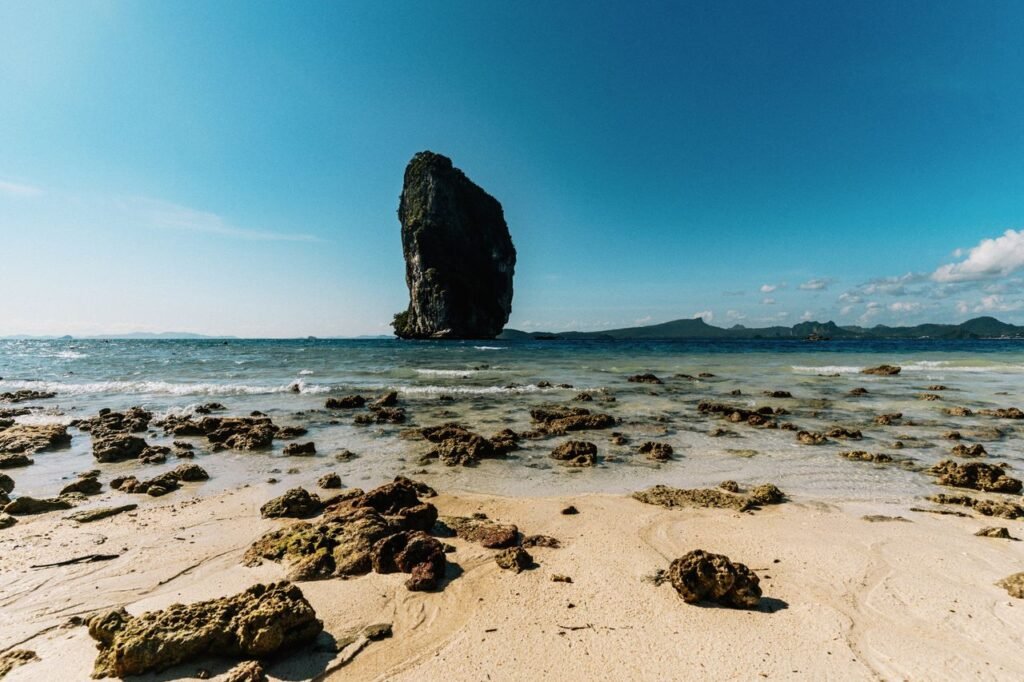
One country gives you jungle trekking and elephant sanctuaries in the north, rock climbing in Krabi, and diving and snorkelling around Koh Tao and the Andaman Sea. You can do a few days of each without crossing a border. For a solo traveller, that variety means you rarely get bored.
6. Culture at Your Own Pace
Temples, markets, festivals and old cities are easier to enjoy alone. You can spend an hour in a quiet wat without negotiating with a group, or skip the famous sites entirely and wander. If you want ideas beyond the obvious list, see my posts on unique things to do in Thailand and the top 5 things to do in Thailand.
7. It Works as a Reset
Plenty of men go to Thailand after a breakup, a job change or a burnout stretch. The pace slows down, the days are simple, and a massage is cheap enough to be part of the routine. Yoga retreats, quiet islands and meditation stays are all easy to find. Nobody will ask you to explain why you’re travelling alone, because half the people around you are too.
8. It Is a Great Base for the Rest of Southeast Asia
Bangkok has strong flight links, and Thailand borders Laos, Cambodia, Myanmar and Malaysia. If you start in Thailand, adding a second country is straightforward. Compare your options in my Laos vs Vietnam vs Cambodia guide and check the Cambodia land border crossings post for current conditions.
9. It Is Friendly to Remote Workers
Chiang Mai and Bangkok have fast internet, coworking spaces and large communities of people working on their laptops. If you can work remotely, Thailand lets you stretch a trip and keep earning. Just check visa rules for longer stays, because working while on a tourist entry can be a legal grey area. Verify before you plan anything.
How Much Does a Solo Trip to Thailand Cost?
Costs depend far more on how you travel than where you go. Here are three realistic daily budgets for one person, excluding flights. All figures are approximate and should be checked against current prices.
Daily Budget by Travel Style
| Style | Accommodation | Food | Transport & extras | Daily total (approx.) |
|---|---|---|---|---|
| Budget | Hostel dorm or basic fan room | Street food and local restaurants | Buses, metro, occasional Grab | $30-45 |
| Mid-range | Private AC room or small hotel | Mix of local and nicer places | Grab, a tour or two | $60-100 |
| Comfort | Good hotel or resort | Restaurants and bars | Private transfers, activities | $120+ |
What You'll Actually Spend On
- Accommodation: Your biggest variable. Islands are pricier in high season, and Bangkok and Chiang Mai give the best value.
- Food: Street food keeps this low. Western restaurants and beachfront places cost noticeably more.
- Transport: Local buses and the sleeper train are cheap. Domestic flights can be a good deal if you book ahead.
- Activities: Temples are often free or cheap. Diving, boat trips and elephant sanctuaries cost more. Open Water diving courses on Koh Tao are a popular splurge.
- SIM or eSIM: A tourist data plan is usually only a few dollars a week.
- Travel insurance: Don’t skip it. See the safety section below.
- ATM fees: Foreign card withdrawals carry a flat fee per transaction, so take out larger amounts less often.
Total Estimates
- 7 days, mid-range: roughly $420-700 on the ground
- 14 days, mid-range: roughly $840-1,400
- Flights: the biggest unknown, so check fares for your dates.
Best Time to Visit Thailand as a Solo Traveller

Thailand’s weather isn’t the same everywhere at once, so the best time depends on where you’re going. For most solo trips, the safest answer is November to February.
| Season | Months | What it’s like |
|---|---|---|
| Cool / dry | Nov-Feb | Best weather, busiest and priciest, ideal for beaches and trekking |
| Hot | Mar-May | Very hot, great for hostels and cheap deals, Songkran water festival in mid-April |
| Rainy / green | Jun-Oct | Showers, lush landscapes, fewer tourists, lower prices, rougher seas on the Andaman side |
Coast Matters
The Andaman coast (Phuket, Krabi, Koh Lanta) is generally best from late November through April. The Gulf side (Koh Samui, Koh Phangan, Koh Tao) has a different pattern, with its heaviest rain usually arriving later in the year. If you’re island hopping, check each coast’s weather for your exact dates.
My Take
If you want guaranteed good weather and can afford higher prices, go in December or January. If you’re on a budget and don’t mind a few downpours, June to September is genuinely pleasant and much quieter.
Best Places in Thailand for a Solo Man
Bangkok
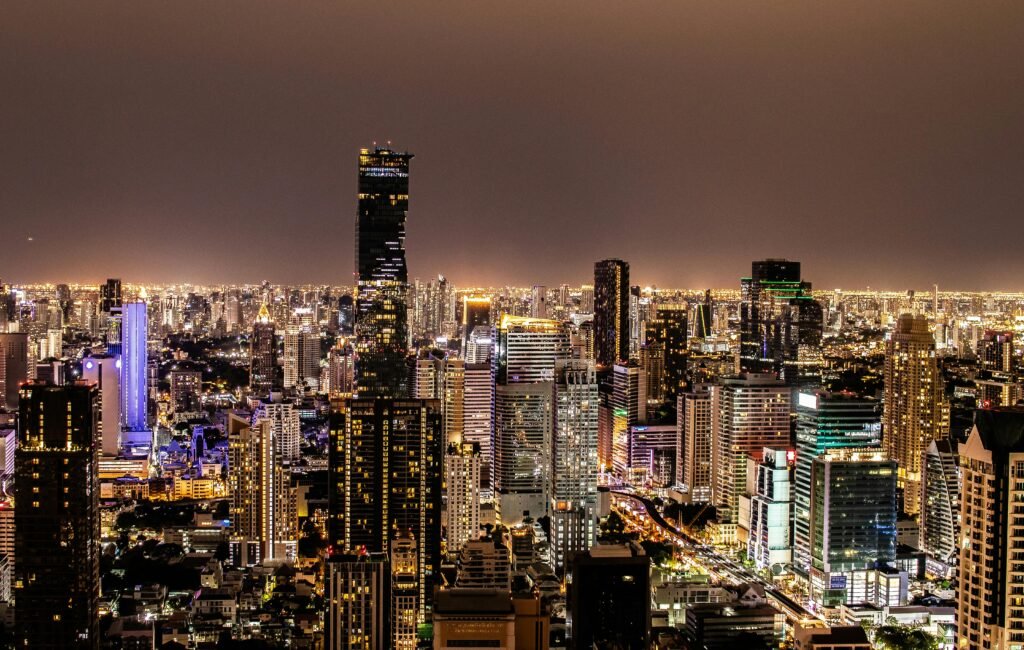
Start here. It has the best flights, endless food, great museums, markets and a metro that makes getting around easy. Give it three or four days, not one. It’s a good place to meet people, too, thanks to hostels, rooftop bars and walking tours.
Chiang Mai
Slower, cooler (in the cool season) and full of temples, cafes and coworking spaces. It’s the top pick if you want to meet other travellers and remote workers. Day trips cover elephant sanctuaries, hiking and waterfalls.
Krabi and Railay
Limestone cliffs, climbing, kayaking and clear water. Railay is reachable only by boat, which gives it an adventure feel. It’s great if you like being active.
Koh Tao or Koh Lanta
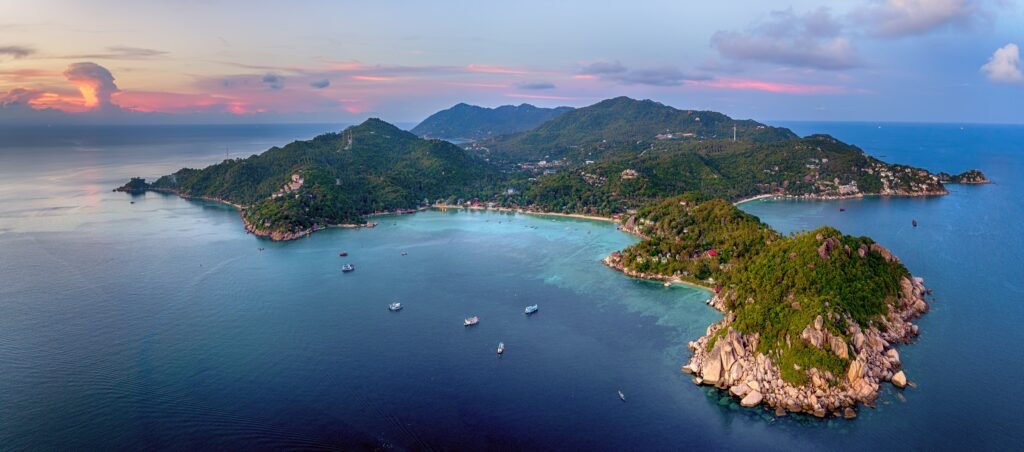
Koh Tao is the diving hub, with a very social scene around dive schools. Koh Lanta is calmer and better if you want beaches without the party crowd.
Pai
A small mountain town north of Chiang Mai with hot springs, viewpoints and a relaxed backpacker atmosphere. The road there is winding, so take motion-sickness tablets if you’re prone to it.
A Simple 10-Day Route for a First Solo Trip
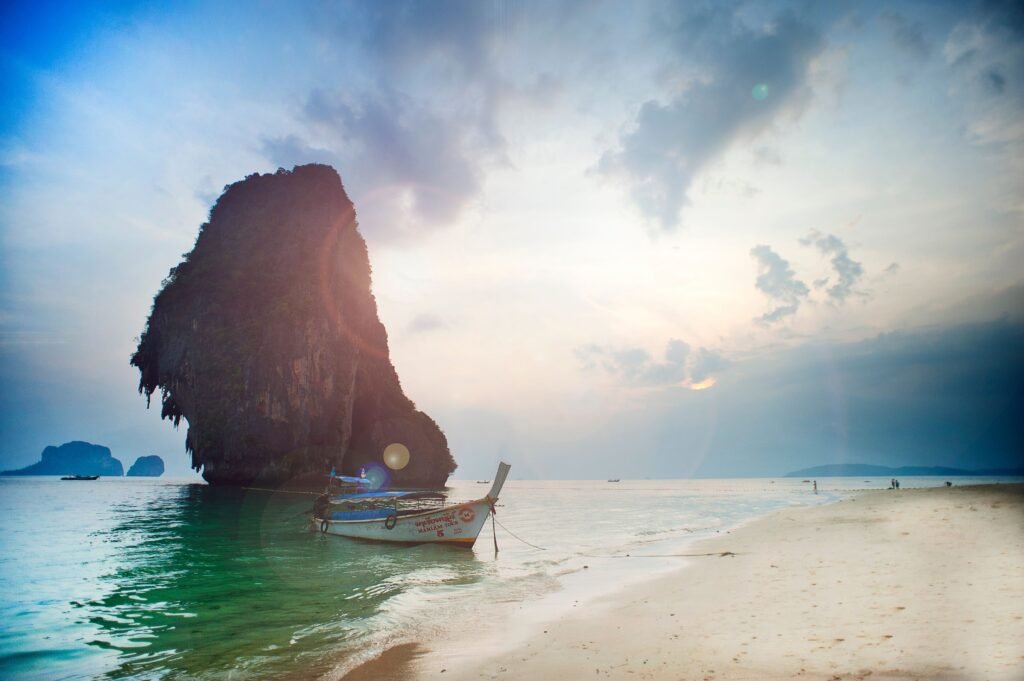
If you’re not sure how to piece Thailand together, this is a route that works well for most first-timers. It keeps travel days short and gives you a mix of city, culture and beach.
- Days 1-3: Bangkok. Land, sleep, then spend two full days on the Grand Palace area, a canal or river ride, street food at night, and a walking tour. Day three can be a day trip to Ayutthaya, the old capital, by train.
- Days 4-6: Chiang Mai. Take the sleeper train or a short flight. Spend the days on old-city temples, a cooking class, and an ethical elephant sanctuary visit or a hike near Doi Inthanon. Evenings are for night markets and cafes.
- Days 7-10: One island. Fly south to Krabi or Koh Samui. Pick Railay or Koh Lanta if you want climbing and calmer beaches, or Koh Tao if you want to dive. Leave your last night near the airport you’re flying out of so a late ferry doesn’t wreck your trip.
If you have more time, add Pai or Koh Phangan. If you have less, drop the island and do Bangkok plus Chiang Mai, which still gives you a strong first trip.
How to Meet People as a Solo Man
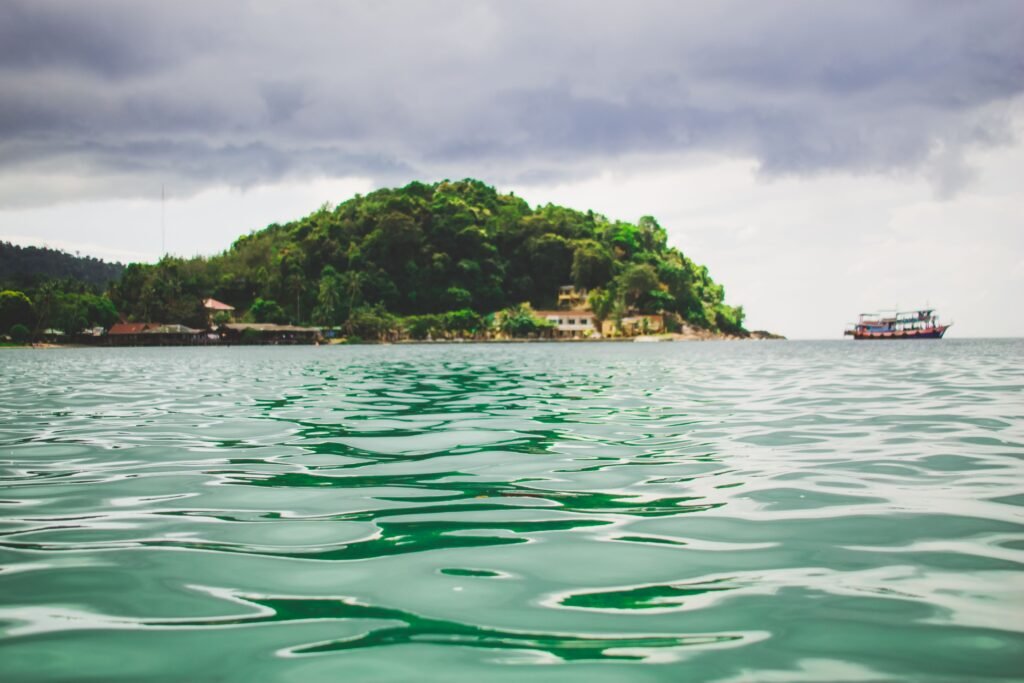
Almost every solo traveller worries about this before they leave. Here’s what actually works, in order of how easy it is.
Start With a Group Activity
Walking tours, cooking classes, island boat days and day treks put you next to other travellers with a shared task. Conversation comes naturally because there’s something to talk about. Aim for one a day in your first week.
Choose Social Accommodation at Least Some of the Time
You don’t need to stay in dorms. Many hostels have private rooms and a social common area, so you get a quiet place to sleep and a place to meet people. Look for ones that run family-style dinners, pub crawls with limits, or movie nights.
Use a Hobby as a Social Shortcut
Muay Thai gyms, dive shops, climbing walls and yoga studios all attract regulars and travellers who stay a while. Training a few days in a row leads to real conversations and sometimes real friendships.
Work From a Coworking Space
If you work remotely, coworking spaces in Chiang Mai and Bangkok are full of people in the same position. Events and lunch groups are often organised in the building.
Be Open, Not Pushy
Ask a simple question, like where someone’s been or what they’d recommend. Most travellers are glad to talk. If a conversation doesn’t click, move on without taking it personally. There are always more people the next day.
Getting Around Thailand Alone
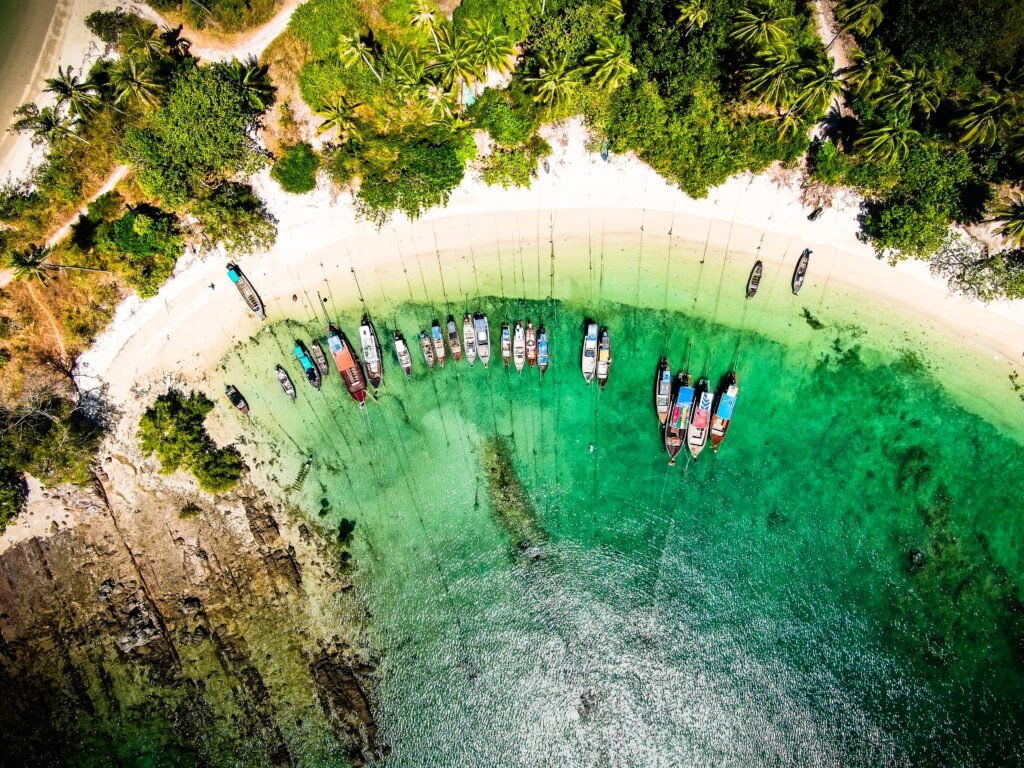
Transport is one of Thailand’s strengths for solo travellers. Here’s how each option actually works.
- Grab and Bolt: Ride-hailing apps give you upfront prices and a record of the trip. They work in Bangkok, Chiang Mai and most tourist cities.
- Metro and skytrain (Bangkok): Fast, air-conditioned and cheap. Use them instead of sitting in traffic.
- Trains: The sleeper train between Bangkok and Chiang Mai is a classic. Book ahead in busy season.
- Domestic flights: Often cheap if booked early, and they save a whole day on routes like Bangkok to Krabi.
- Buses and minivans: Cheap and everywhere, but less comfortable. Book through a reputable operator, not a street tout.
- Ferries and boats: Essential for the islands. Check timetables, especially in the rainy season when some services reduce or stop.
- Songthaews and tuk-tuks: Fun for short rides. Agree on the price first.
- Scooters: Cheap and flexible, but risky. See the safety section before deciding.
Money, SIM Cards and Other Practical Basics

Money
Thailand’s currency is the baht. Cash is still king for street food, markets and small guesthouses, while bigger hotels and restaurants take cards. Use ATMs attached to banks, withdraw larger amounts to limit the per-withdrawal fee, and decline the ATM’s offer to convert to your home currency, since its rate is usually worse. Carry some small notes.
SIM or eSIM
Data is cheap, and you’ll use maps, Grab and translation apps constantly. An eSIM lets you land connected, while a physical tourist SIM from the airport works well too.
Insurance
Choose a policy that covers medical care, evacuation and the activities you plan to do, such as diving or scooter riding. Read the exclusions.
What to Pack
Light, quick-drying clothes, sandals, a light rain jacket, sunscreen, insect repellent, a power adapter if you need one, and a small first aid kit. Thailand has pharmacies everywhere, so you can buy most things on arrival. For the full list, see my things to carry guide.
Is Thailand Safe for Solo Men? Scams and Real Risks
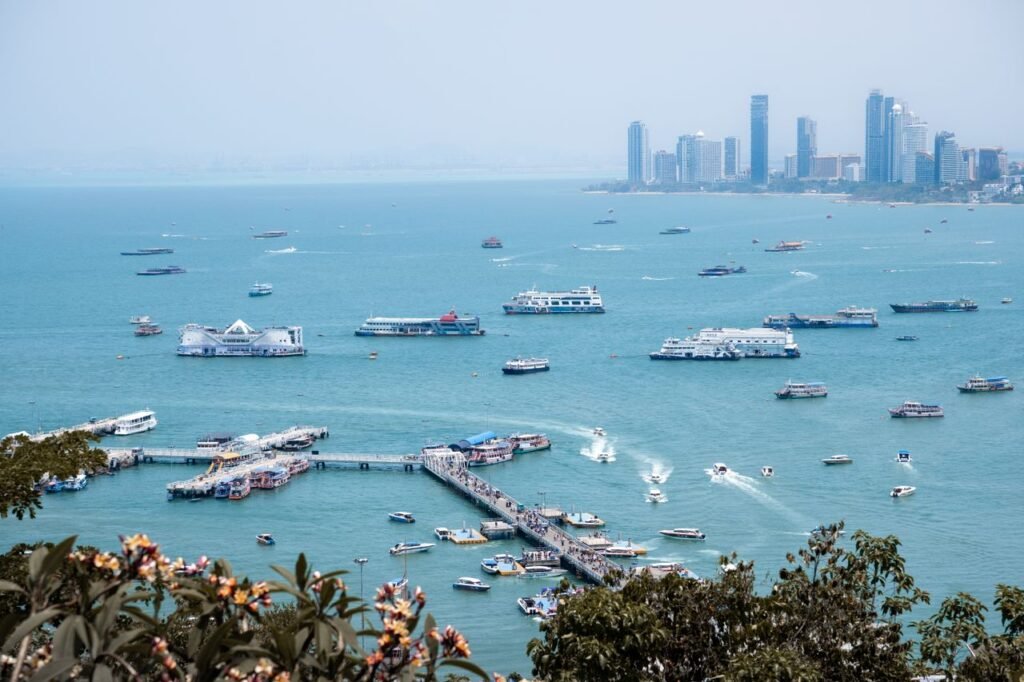
For most tourists Thailand is safe, and violent crime against visitors is relatively uncommon. What catches people out is almost always one of four things.
Common Scams
- The “closed attraction” line: A friendly stranger tells you the temple is closed and offers a tuk-tuk tour. It usually isn’t closed.
- Gem shop detours: Drivers earn commission for bringing you to shops. Skip them.
- Jet-ski and scooter damage claims: Rental operators blame you for existing damage. Photograph everything before you ride.
- Metered taxi tricks: Insist on the meter or use Grab.
Nightlife and Drink Safety
Bars and beach parties are part of the travel scene. Basic rules apply: watch your drink being made, never leave it unattended, avoid strangers’ offers of free drinks, and stay with people you trust. Buckets and cheap spirits can be stronger than they look. If something feels off, leave.
The Real Danger: Scooters
This is the biggest risk most solo travellers underestimate. Thailand has one of the highest road death rates in the world, and tourists on rented scooters are regularly injured. If you ride, wear a helmet, hold a valid licence with a motorcycle endorsement (or an international permit that covers it), and check that your travel insurance actually covers scooter accidents. Many policies don’t if you’re unlicensed. If you’re not confident, use Grab or a taxi.
Health and Insurance
Drink bottled or filtered water, wash your hands before eating, and carry basics for upset stomachs, sun and mosquito bites. My guide on basic medicines to pack for travel has a full list. Good travel insurance is cheap compared with a hospital bill, so get it before you go.
Local Rules Worth Knowing
- Respect the monarchy. Thailand has strict laws against insulting the royal family, and tourists have been prosecuted.
- Dress modestly at temples: cover shoulders and knees, remove shoes before entering.
- Don’t touch people’s heads, and don’t point your feet at people or Buddha images.
- E-cigarettes and vapes are illegal to import or use.
Etiquette: Small Habits That Make Thailand Easier

Thai people are generally patient with tourists, but a few habits go a long way. They also make you stand out as a thoughtful traveller rather than a clueless one.
- Smile and stay calm. Raising your voice or showing anger in public is seen as losing face. Disagreements go better with a smile and a quiet tone.
- Greet with a wai. Pressing your palms together with a slight bow is the traditional greeting. You don’t have to do it perfectly, and a nod with a smile is fine.
- Take off your shoes. Always remove them before entering temples, many guesthouses, and some shops and homes.
- Dress sensibly away from the beach. Cover up in temples and don’t walk around towns shirtless.
- Treat Buddha images with respect. Don’t climb on statues, pose disrespectfully or use them as props. Tourists have been fined and even deported for this.
- Mind your feet and head. Feet are considered the lowest part of the body, and the head the highest.
- Tipping is appreciated, not required. Rounding up or leaving small change is usual at restaurants, and a tip for a good massage or guide is a kind gesture.
Festivals and Events Worth Planning Around

Timing your trip with a festival can add a lot, but it also changes prices and crowds, so book earlier.
- Songkran (mid-April): Thailand’s New Year water festival. It is a big, fun, soaking-wet street party in cities like Chiang Mai and Bangkok. Protect your phone and expect crowds and higher prices.
- Loy Krathong and Yi Peng (November): Floating lanterns and decorated baskets on water. Chiang Mai is especially beautiful. Dates change each year, so check them.
- Full moon parties on Koh Phangan: Large beach parties held monthly. They suit some travellers and exhaust others. Look after your belongings and your drinks, and read the safety section above.
- Buddhist holidays: On some days, alcohol sales are restricted. It’s a small detail that can surprise you at a bar or shop.
Is Thailand Worth It for a Single Man? My Honest Answer

If you want a trip that’s easy to organise, easy on your wallet and full of variety, yes, it’s worth it. You get beaches, mountains, temples, food and adventure without needing to speak the language or spend much. And because so many people travel alone, you’re rarely the odd one out.
It is less ideal if you can’t stand heat, crowds or the occasional hassle from touts and drivers. It also asks you to take a few sensible precautions, especially around scooters and nights out. Do that, and Thailand tends to reward you.
Pros and Cons of Solo Travel in Thailand
| Pros | Cons |
|---|---|
| Low daily costs | Heat and humidity can be exhausting |
| Easy to travel alone | Tourist scams in busy areas |
| Easy to meet other travellers | Scooter accidents are common |
| Excellent food at every budget | Popular spots get crowded in high season |
| Huge variety in one country | Can feel lonely on rainy days or in quiet towns |
| Strong transport and tourism infrastructure | English drops off outside tourist areas |
Most of the cons are manageable once you know about them. The one I’d take most seriously is scooter risk, because it’s the one that actually sends people home early.
Common Mistakes Single Men Make in Thailand

1. Overpacking
You’ll want light clothes, a rain jacket and sandals. Laundry is cheap and quick everywhere. Pack half of what you think you need.
2. Renting a Scooter Without the Right Licence or Insurance
This is the single costliest mistake. If you crash without a valid licence, insurers can refuse to pay. Even if you’re skilled, wet roads and unfamiliar traffic are a different game.
3. Ignoring Entry Rules
Arrival card rules and stay limits change, and overstaying brings fines and problems.
4. Overplanning Every Day
Booking every night in advance removes the flexibility that makes solo travel fun. Book the first two nights, then decide as you go, especially in shoulder season.
5. Going in the Wrong Season for the Wrong Coast
Planning a beach week on a coast in the middle of its rainy months is a classic. Check the coast-by-coast weather above.
6. Only Visiting the Hotspots
The famous places are famous for a reason, but the best moments often come from a smaller town, a side street or a local restaurant with no English menu.
Pro Travel Tips From the Road
- Get an eSIM or tourist SIM at the airport or before you fly. You’ll want maps and Grab immediately.
- Use Grab instead of street taxis. Fixed prices, no arguing.
- Carry small notes. Street vendors and tuk-tuks often can’t change big bills.
- Book only the first two nights. Stay flexible after that.
- Join a group tour on day one. It’s the easiest way to meet people.
- Learn a few Thai words. “Sawasdee khrap” (hello) and “khop khun khrap” (thank you) earn real smiles.
- Keep a copy of your passport and insurance details in your email.
- Don’t overschedule hot afternoons. Do the active stuff early, rest midday.
- Tell someone your plans if you’re heading somewhere remote.
Who Should Go to Thailand Alone?
Thailand is one of the easiest and most rewarding places for a single man to travel, but it suits some people more than others.
| If you are… | Thailand is… |
|---|---|
| A first-time solo traveller | One of the best choices. Easy, safe enough and social. |
| A budget backpacker | Excellent. Few places stretch money further. |
| A remote worker | Great, especially Chiang Mai and Bangkok, as long as visa rules fit your plans. |
| An adventure seeker | Very good for diving, climbing and trekking. |
| Someone who hates heat and crowds | Go in the cool season, or consider other destinations. |
| Looking for a quiet, off-grid escape | Possible, but you’ll need to avoid the headline spots. |
Frequently Asked Questions
Is Thailand good for solo male travellers?
Yes. Thailand is affordable, easy to navigate and used to independent travellers. The main hazards are scams and scooter accidents, both of which you can reduce with basic precautions.
Is Thailand safe for a single man?
Generally, yes. Violent crime against tourists is uncommon. The most common problems are scams, traffic accidents and drink spiking in nightlife areas, so stay aware and keep to the safety tips above.
How much does a solo trip to Thailand cost per day?
Roughly $30-45 a day on a budget, $60-100 mid-range and $120 or more for comfort, excluding flights. Check current baht rates before you plan.
What is the best month for solo travel in Thailand?
November to February offers the best weather for most of the country. For lower prices and fewer tourists, consider June to September, with the rain in mind.
How do solo men meet people in Thailand?
Stay in social hostels, join group day tours, take a cooking or Muay Thai class, or work from a coworking space. Island boat trips are especially easy for striking up conversations.
How many days do I need in Thailand?
Seven to ten days is enough for a first trip covering two or three areas, such as Bangkok, Chiang Mai and one island. Two weeks lets you slow down.
Do I need a visa or arrival card for Thailand?
It depends on your passport. Many nationalities can enter visa-free for a set number of days, and most foreign visitors must complete a digital arrival card before arriving. Confirm the latest rules on official Thai government sites.